Centre County nonprofit that facilitates anonymous groups like AA gets permanent home
AI-generated summary reviewed by our newsroom.
- Rule 62 Recovery and Wellness bought and repurposed 220 Regent Court with an $800K grant.
- The center hosts about 20 weekly meetings and plans sober community events.
- Board added counseling, classes, childcare and code upgrades during renovation.
A local nonprofit that facilitates Alcoholics Anonymous, Narcotics Anonymous and other similar programs has been without a permanent home for around 40 years. But it finally has one — and the nonprofit’s board members have some big plans.
Rule 62 Recovery and Wellness held an open house for its new space Wednesday at 220 Regent Court, Suite B, in College Township, thanks largely to an $800,000 Pennsylvania Office of Mental Health and Substance Abuse Services grant award. The nonprofit’s new space was a long time coming: It took three years to find the space and then about 18 months to repurpose it.
The space is the organization’s first permanent home in its roughly 40-year history, having been founded in the mid-1980s. Seven temporary spaces across the Centre Region housed the nonprofit over the years and, according to John Dickison, the president of the nonprofit’s board, they left much to be desired.
“There were times when we were meeting in the attics of some people’s houses, storage units, old office spaces, you name it,” Dickison said. “Back then we were only doing anonymous meetings though — we’ve got a lot more that we’re looking to do now.”
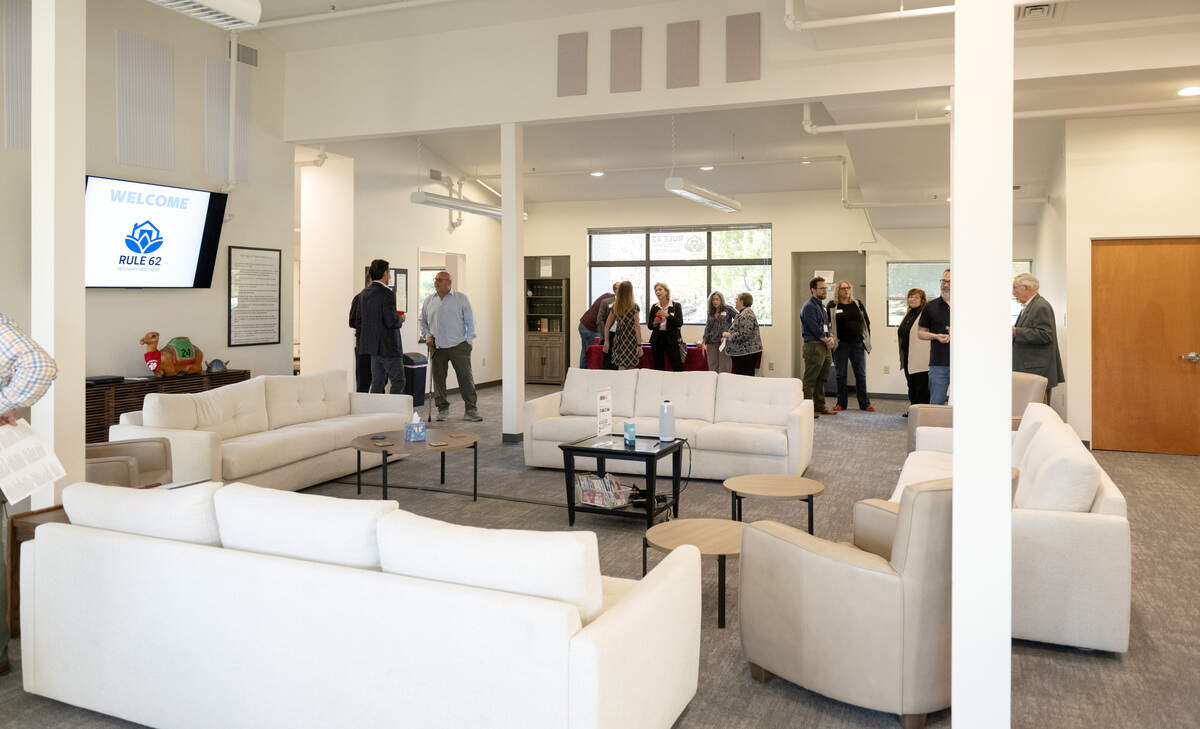
Around 20 meetings are held at the new space each week, and there’s hope among the board members that eventually the space will also be used to host alcohol- and drug-free activities for people around the area to enjoy if they’re looking to avoid the substances.
“We’re still in the very early stages of this new space, but we’re hoping that as we continue to grow, we’ll be able to hold events here like sports watch parties, tailgates, movie nights, potlucks, game nights — we’ve actually already had a successful dance here,” Dickison said. “It’s important to provide options for people who don’t want to drink, and we want to help contribute to those options.”
Additionally, counseling services, recovery and wellness education resources, self-improvement classes and more will be made available to the nonprofit’s staff, patrons and their families.
What’s it like inside?
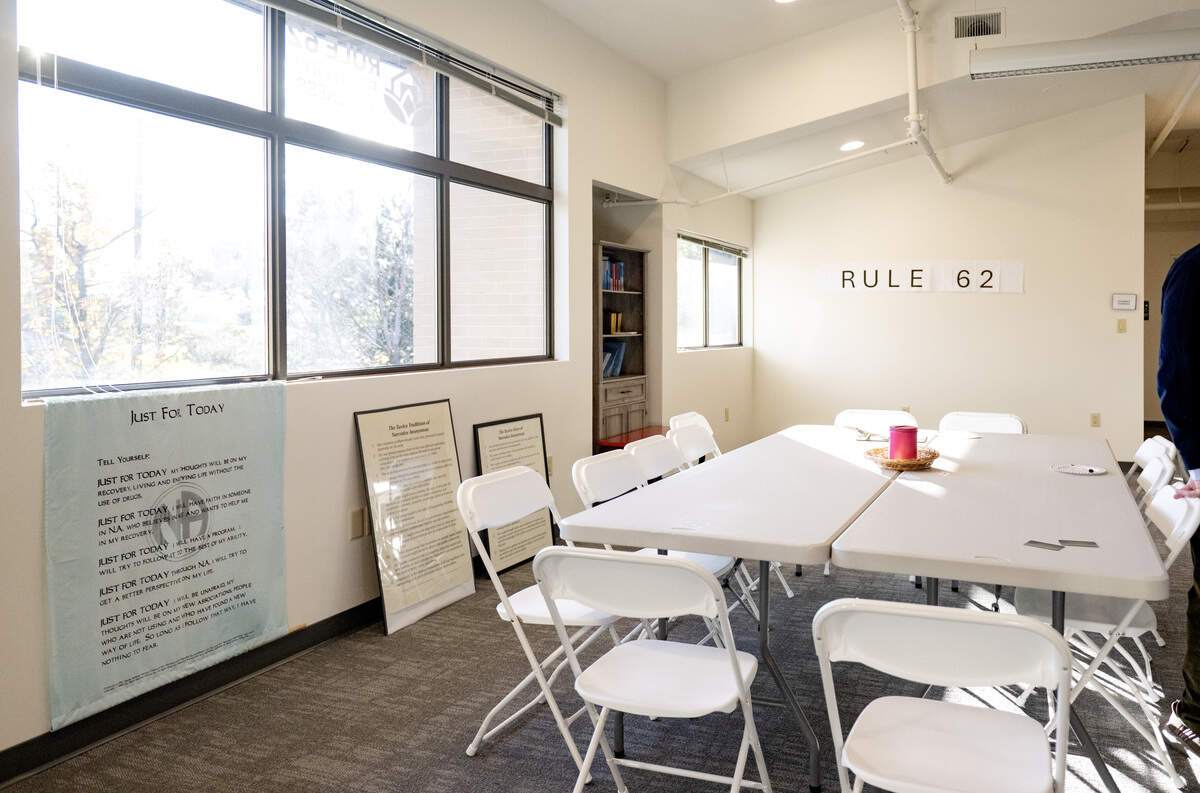
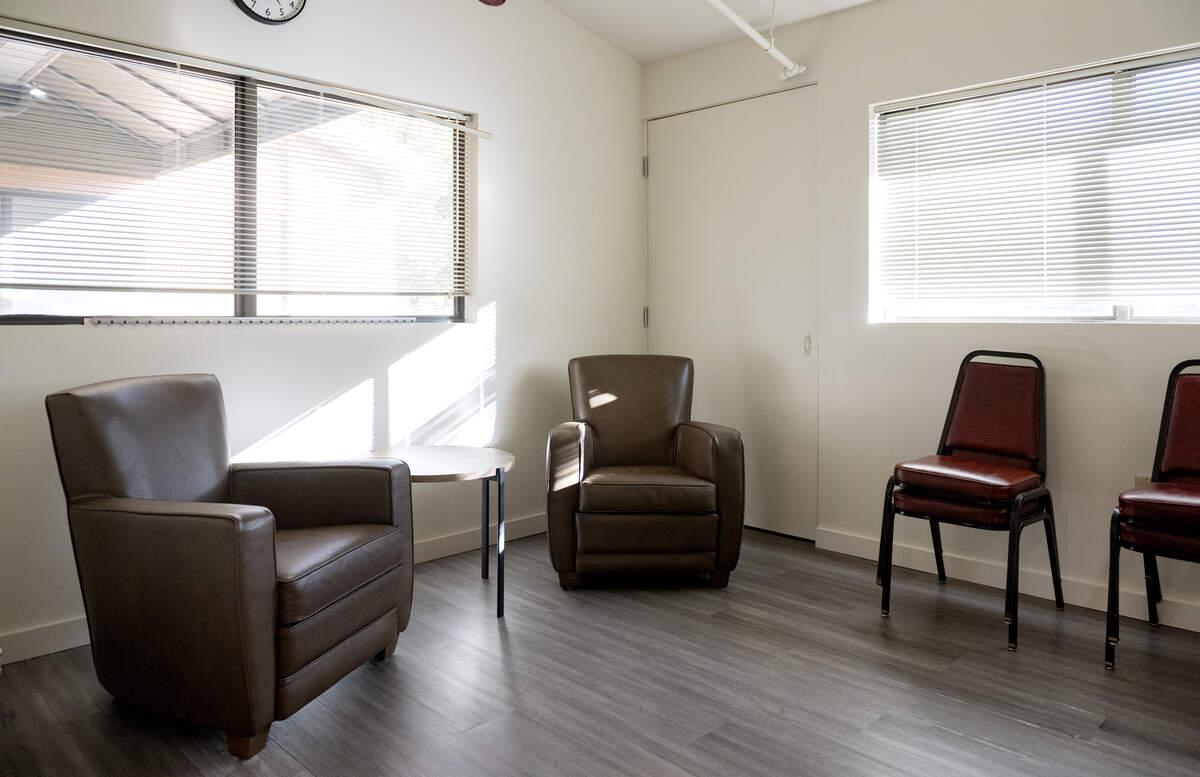
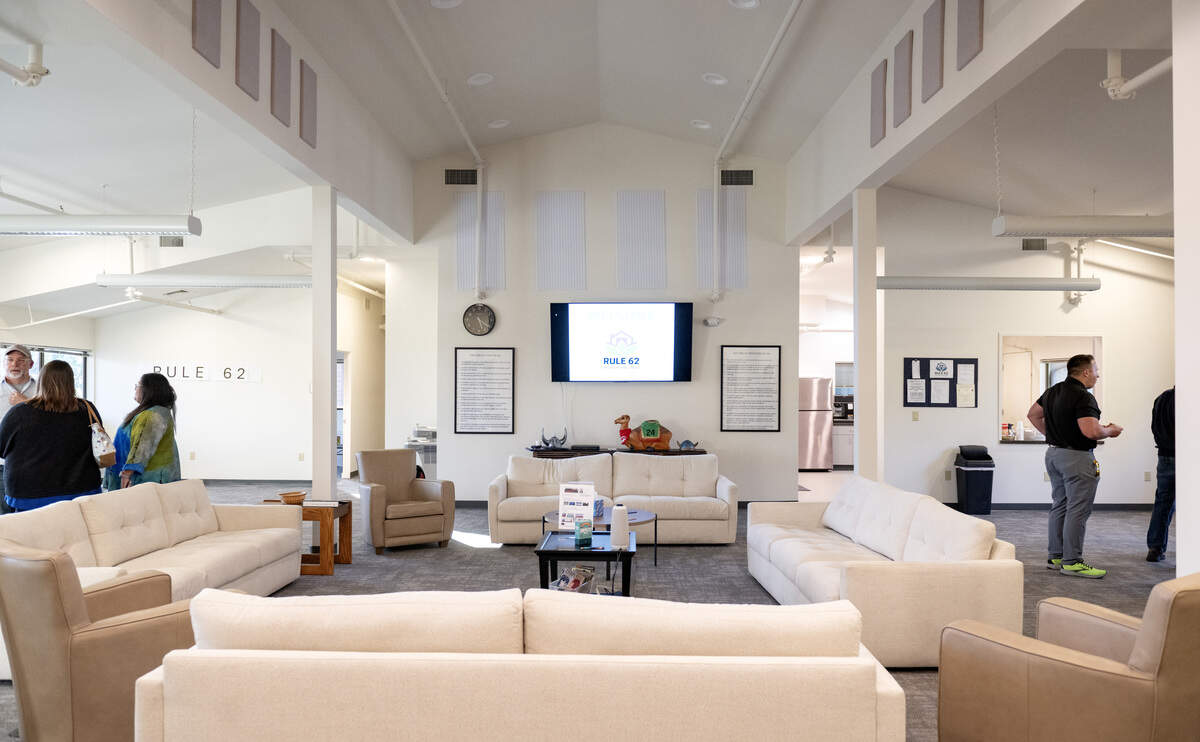
When entering the new space, visitors are greeted by a large, open room with an abundance of natural light. Four couches and some chairs sit in the middle of the room, with a large television on the back wall. On the left of the open room is a table with chairs, and on the right is an open area with a tall doorway leading to a kitchen
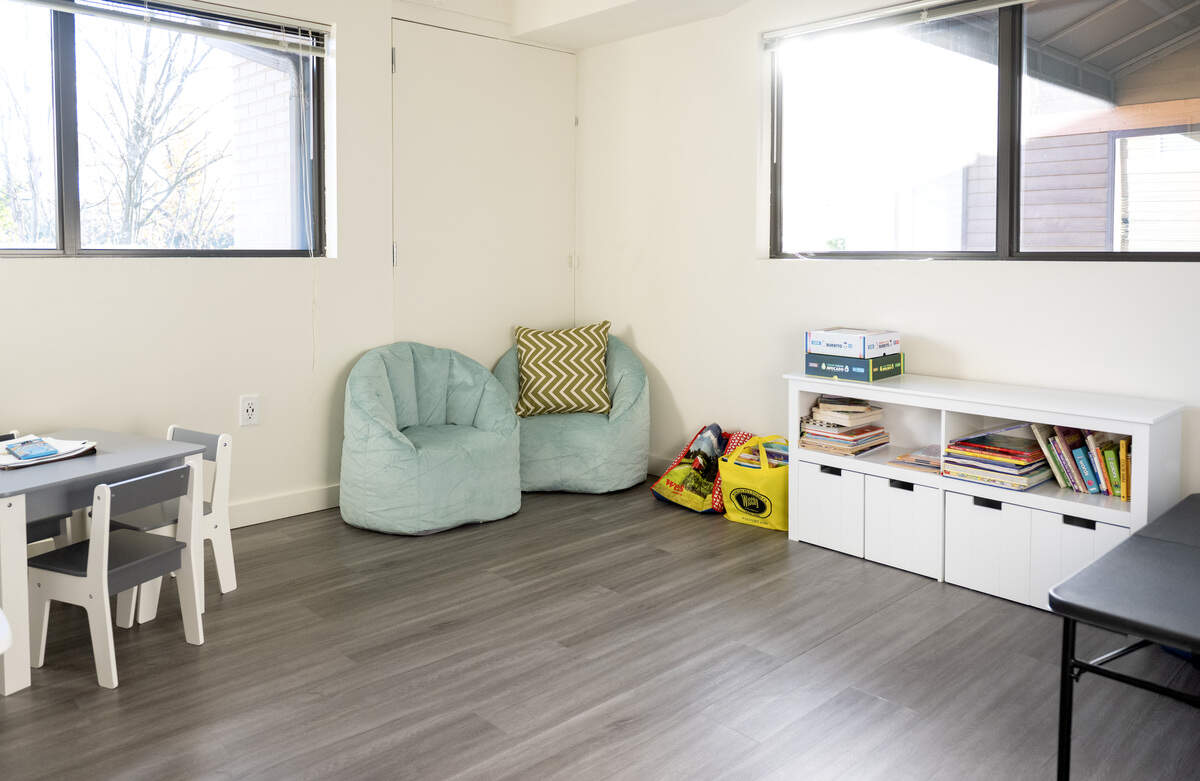
A private meeting room can also be found in the space, along with a children’s playroom for parents to leave their kids during meetings if they have nowhere else to take them.
The space has already come a long way from how the nonprofit found it.
“When we came to the space, it was what looked like an old telecommunications space, and two walls stood where that big open room is,” board member Tim Marshall said. “I don’t know how this space ever passed code inspection before because there were no bathrooms or sprinklers — we had to add all of that. [Code enforcement] put us through the ringer.”
Moving forward, the nonprofit’s board is brainstorming how to raise funds for its new events and services. The organization was self-sufficient prior to the new space, but the addition of new services means that more funding will be required to carry them out.
Some fundraising opportunities are in the works and will be announced soon, and although the nonprofit has a nonexistent donor base, Dickison is confident that he and his fellow board members will make it work.
“We’re starting from scratch, but we’re going to do it, and I will share that my dream is someday to be a United Way agency — it’s not unreachable,” Dickison said. “We’re just getting going, and we’re looking forward to interacting with lots of the people in this room, in the community.”
Dickison then added with a smile: “And don’t be surprised if I call you up and ask you for money.”
The story behind the ‘Rule 62’ name
While many people may know about Rule 62 organizations and the services they provide, the story behind the name is a bit more less-known.
While the exact date is unknown, sometime between the founding of AA in 1935 and the publishing of its official book, “Twelve Steps and Twelve Traditions,” an early AA group in West Virginia had plans on creating a foundation with a club, hospital, research center and more.
A set of 61 rules were created for the foundation and submitted to the AA headquarters in New York City, and in response to the lengthy ruleset, volunteers there replied with one more addition, Rule 62 — “Don’t take yourself so damn seriously.”
Since then, the rule has become shorthand for AA and other anonymous clubhouses across the United States.