
Treating Cancer and Blood Disorders at LIV Hospital’s Hematology Center

At the Liv Hospital Hematology Centers, advancements in hematology are the foundation for the diagnosis and treatment of aggressive blood cancers and complex blood disorders. Liv Hospital is known for the incorporation of advanced diagnostics and the latest cellular and genetic therapies.
Instead of concentrating solely on treating disease, Liv Hospital’s approach is to re-engineer the body’s own defenses. The institution has highly specialized centers that provide patients from around the world with the latest treatments, giving them a sense of confidence in their medical care.
From Benign Disorders to Malignant Cancers
The Hematology department manages a wide spectrum of blood-related conditions. There are two categories that the department addresses: benign hematology and hematologic oncology.
Benign hematology is focused on non-cancerous blood disorders. Though these disorders aren’t cancer, they can still be serious. The Hematology department concentrates on the diagnosis and long-term management of these chronic conditions, such as anemias, bleeding and clotting disorders, and platelet disorders.
Anemia is more than a simple iron deficiency. Different types are more complicated, such as Thalassemia (Mediterranean anemia) and sickle cell anemia.
Bleeding and clotting disorders are sometimes inherited, like hemophilia and Von Willebrand Disease (VWD). Both disorders are the result of a lack of clotting factors in the blood. People with hemophilia bleed longer than others after they have an injury or have surgery. Von Willebrand disease is the most common inherited bleeding disorder and can result in frequent nosebleeds, easy bruising, prolonged bleeding, and more.
Complex Thrombotic disorders are when the body forms dangerous blood clots in the veins and arteries. The clotting risk is dependent on several factors and can be inherited.
Platelet disorders occur when the number of platelets or their function is affected. Immune Thrombocytopenic Purpura (ITP) is one such disorder in which the immune system attacks platelets.
Liv Hospital also has advanced technological capabilities in the treatment of hematologic oncology.
Leukemia is a cancer of the blood and bone marrow, and the types are divided into fast and slow-growing. Acute myeloid leukemia (AML) and acute lymphoblastic leukemia (ALL) are both fast-growing, while chronic myeloid leukemia (CML) and chronic lymphocytic leukemia are slow-growing. The oncology department’s teams use their expertise and diagnostics to create personalized treatment protocols for patients with these diseases.
The oncology department also diagnoses and treats various types of lymphomas, cancers in the lymphatic system, such as Hodgkin’s Lymphoma and non-Hodgkin’s types.
Myeloma is a cancer of the plasma cells and is treated through targeted therapies and, for eligible patients, stem cell transplantation.
The Diagnostic ‘Engine Room’
At Liv Hospital, there is a multidisciplinary team that includes hematologists, pathologists, geneticists, and radiologists. The team of experts uses advanced diagnostics using advanced laboratory analysis, molecular and genetic testing, and high-resolution imaging. Together, they then collaborate to create a molecular profile of a disease before developing a treatment plan.
Expert pathologists analyze the data collected from the Liv Hospital laboratories. These include peripheral blood smears and bone marrow biopsies. The facility also does molecular and genetic testing, using next-generation sequencing (NGS). The experts look for specific genomic mutations or chromosomal abnormalities to identify issues like the Philadelphia Chromosome, a genetic abnormality found in patients with chronic myeloid leukemia.
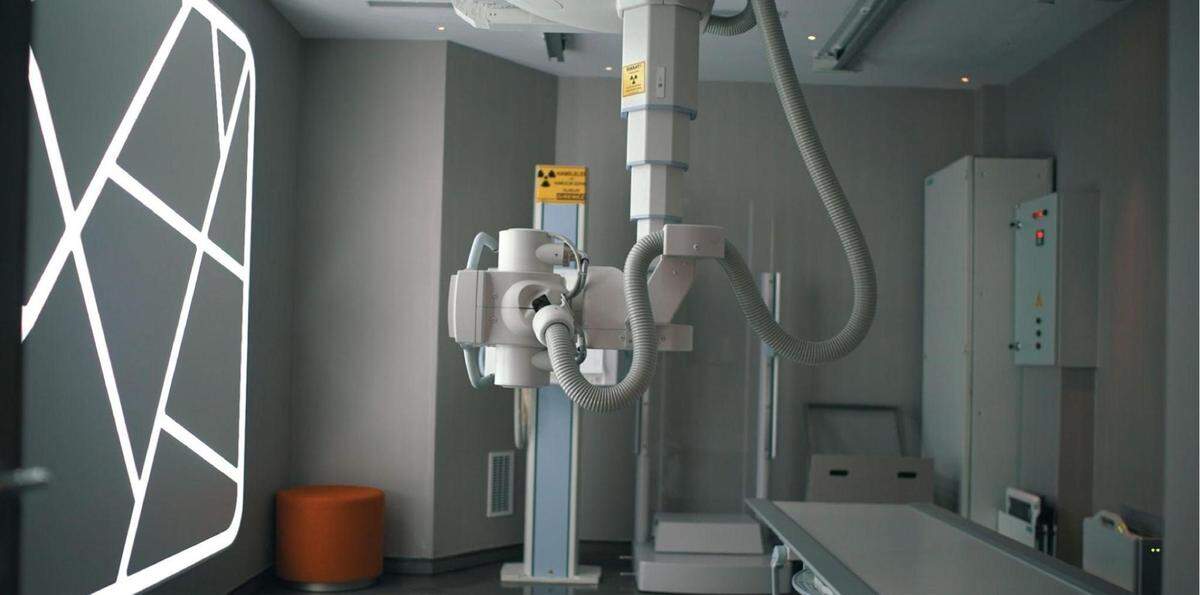
Medical image testing is used to give the team a detailed view of the inside of a patient’s body. A PET (Positron Emission Tomography) scan is when a radioactive sugar is given to a patient, and then their body is scanned to show how the body uses it. Cells that show high activity may be cancerous. A CT (Computed Tomography) scan uses X-rays to show the size, shape, and location of abnormalities. Together, they are used to show where cancer is active inside the human body.
The multidisciplinary team uses a thorough methodology to decide on targeted therapies that deal with molecular vulnerabilities.
The Pinnacle of Treatment
Liv Hospital’s cellular therapy programs are used for high-risk leukemias, lymphomas, and myelomas when standard treatments may prove insufficient.
In the coming months, Liv Hospital’s Bone Marrow Transplant (BMT) Center will relocate to Liv Hospital Ulus and will be equipped to perform all types of transplants. Among these types of transplants are autologous, allogeneic, and haploidentical.
Autologous transplants use the patient’s own healthy stem cells in treatment after they are harvested and purified using advanced technologies, and placed back in the patient to replace the diseased cells that were destroyed by chemotherapy. This helps the bone marrow recover and rebuild the blood and immune system. An allogenic transplant takes healthy donor cells from a matched donor, while a haploidentical transplant takes cells from a half-matched donor, which is usually a parent or child.
Live Hospital offers CAR-T cell therapy, which is a personalized treatment for patients with relapsed forms of leukemia and lymphoma. The treatment uses the patient’s immune system in targeted cancer treatment. The patients’ T cells, which are part of the immune system, are collected and sent to a specialized laboratory for genetic modification. A new gene is injected into the T cells so they will produce a Chimeric Antigen Receptor (CAR). The T cells are multiplied in the laboratory before being reinfused into the patient. The T cells target the cancer protein because of the CAR-T modification.
Liv Hospital, Vadistanbul, is home to the Pediatric Hematology-Oncology department and treats a range of childhood blood disorders and cancers.
Liv Hospital’s Hematology department has built its success with advanced laboratories, a multidisciplinary clinical team, and by cultivating a strong research culture.
This article is for informational purposes only and does not substitute for professional medical advice. If you are seeking medical advice, diagnosis or treatment, please consult a medical professional or healthcare provider.
Members of the editorial and news staff of centredaily.com were not involved with the creation of this content. All contributor content is reviewed by centredaily.com staff.