
OLLI | Railroad boom drove urban vacationers to rural resorts
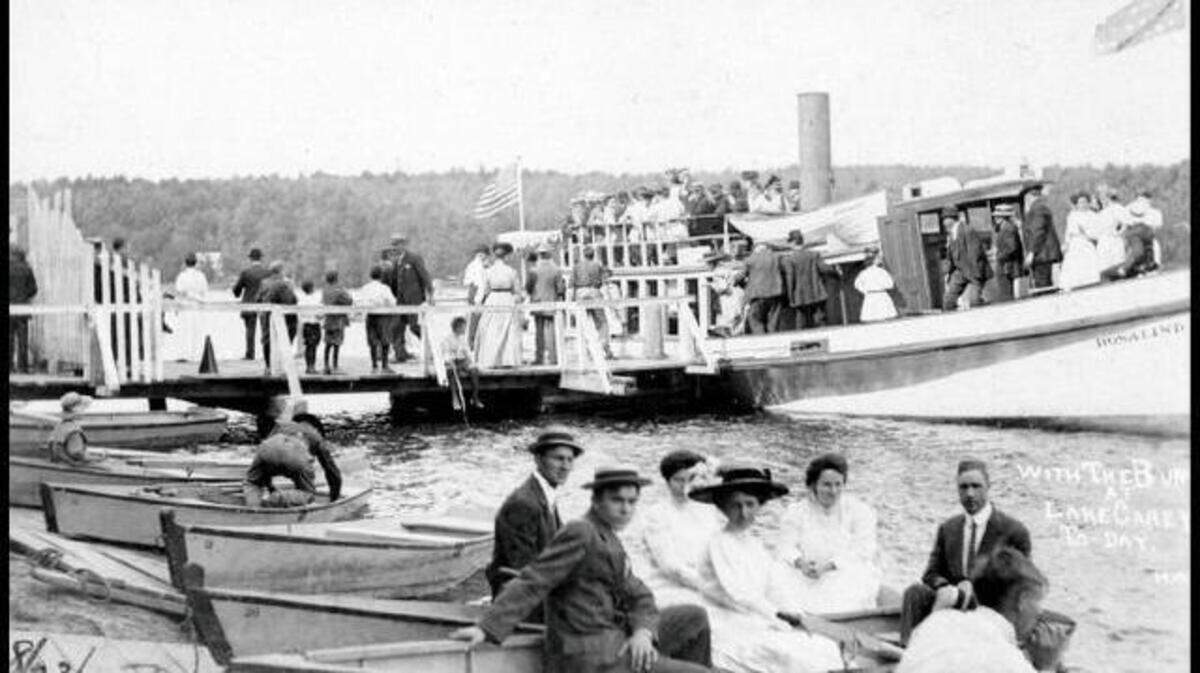
It’s difficult today to appreciate the enormous effect railroads had on 19th-century America. Yes, they improved transportation, but that direct effect initiated changes throughout society. While the railroad system’s influence on the economy and the shape of the city are well-known, the effect on summer vacations is less so.
During the 19th century, railroad plants grew at a phenomenal rate of 10 percent a year. Every city and small town wanted a railroad. They were a sure bet, certain to bring wealth to the community, not to mention their shareholders. As the industry grew, passenger traffic to summer retreats became an important part of the business.
Before then, only the affluent enjoyed summer vacations. The resorts of these Americans usually were located where they could easily be reached by private yacht or steamboat. Cape May, N.J.; Newport, R.I.; and Bar Harbor, Maine, are familiar seaside examples. When the railroads began their march across the countryside, new vacation spots became accessible in such scenic, land-locked settings as the Adirondacks, the White Mountains and the Great Smoky Mountains. There, three- and four-story resort hotels rose up to be followed by camps and rustic lodges. As the industry matured, railroads began to exploit this trade, developing their own resorts and promoting railroad vacations through entire regions, most notably the “wild” West.
Railroads also helped resorts develop a more diverse clientele. The wealthy might purchase elegant Pullman cars for lengthy rail vacations or overnight travel to a fashionable summer home. The growing middle class rode instead in comfortable railroad coaches to a hotel or cottage at a local lake or mountainside — one from which a bread-winning father might commute by rail to work on weekdays. For the increasingly well-paid working class, railroads also offered popular day excursions to picnic grounds and dance pavilions.
The railroads also were one of the driving forces behind urbanization that fueled demand for healthful summers in settings of unspoiled natural beauty. Rail transportation had concentrated smoky factories in urban centers, contributed its own grime and grit to city life, employed restive immigrant labor, and created crowded urban spaces around its terminals where pickpockets and prostitutes plied their trades. Under such circumstances, cottages and children’s camps, picnic grounds and carousels drew myriads grateful for the effortless transport railroads provided to these havens.
And so, Americans came to enjoy summertime at the lake, the seashore or in the mountains. Here, lazy summer days were spent with folks “just like us.” Steamboat rides and fishing tourneys, wiener roasts and ice cream socials, taffy pulls and hymn sings filled the hours with simple pleasures. On the front porch, adults chatted and the young courted (under the watchful eye of their elders now discreetly seated on the other side of the screen door). It couldn’t have been nicer — until a new century ushered in the horseless carriage, dooming passenger trains and their resorts to obscurity. The American vacation was to change once again.
To learn more about America’s railroad resorts of days gone past, register for the OLLI course. OLLI is open to all adults who love to learn.
This story was originally published August 16, 2014 at 12:00 AM with the headline "OLLI | Railroad boom drove urban vacationers to rural resorts."