
‘Unexplored local food frontier.’ How to find, use winter produce in Centre County
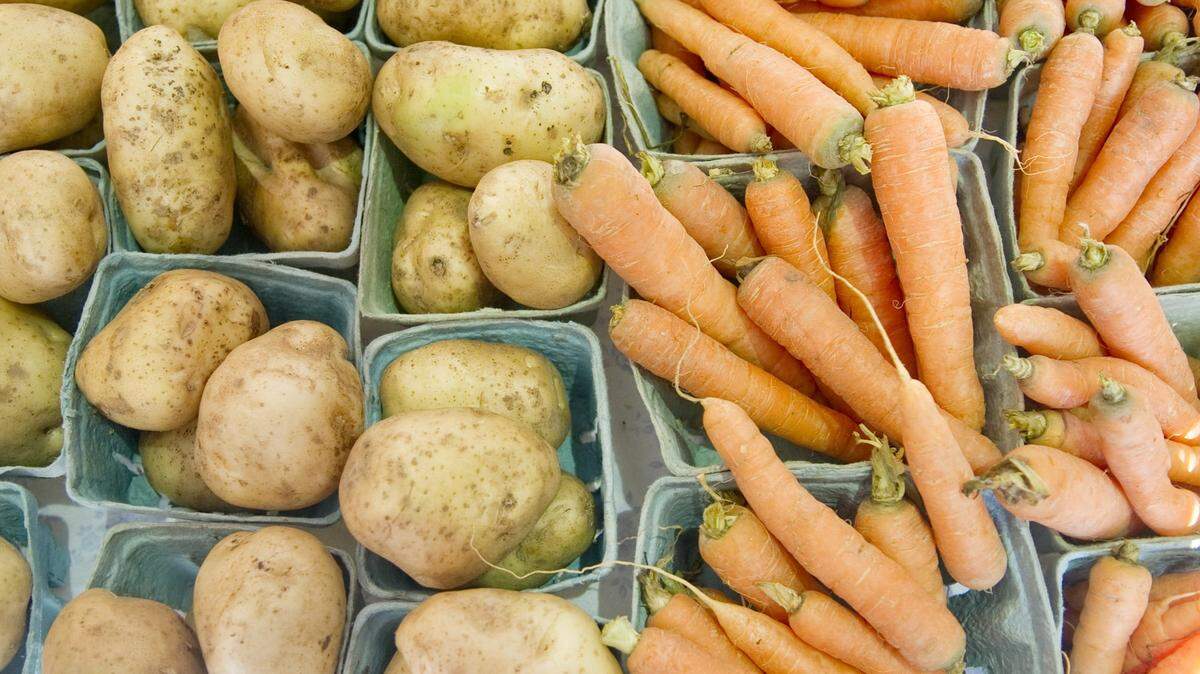
Many associate bustling farmers markets and the best Happy Valley produce and products with the warm and sunny summer months. However, while the dreary Centre County winters may not feel like the perfect time to explore the region’s bountiful agricultural scene, there’s still a lot to love if local shoppers look to the right places.
Dave Sandy and Sara Eckert have owned and operated Healthy Harvest Farm for 12 years, focusing on CSAs only, serving more than 100 members in the summer season and about half that in the winter season. The wintertime CSA is wildly popular, always selling out and with a lengthy waiting list. Members enjoy a wide variety of produce over the winter months, including carrots, sweet potatoes, butternut squash, turnips, rutabagas, red beets, greens and radishes.
Virginia Stiles, new owner of GroundWork Farms CSA and Buying Club as of November, also operates a winter CSA, offering not just produce but a range of local items, from dairy to honey to breads and spices, from multiple regional farms, for delivery. In addition to offering the traditional, produce-focused CSA membership, Stiles plans to offer a subscription service for individual local items later in 2023.
“People definitely think the season’s done, but it’s not,” she said. “Spring Bank Acres uses a lot of high tunnels and they’re producing lettuce and greens year-round. It’s really, really great produce. They’re our main supplier. They also have a fantastic line of dairy products. It’s not just milk; it’s everything you could want, down to ice cream.”
But even though shoppers may find lots to love from local farmers and producers over the winter, that doesn’t mean the season doesn’t come with its challenges for both farmers and farmers markets.
Corey Sweeley manages the Boalsburg Farmers Market, including the winter market that moves indoors for the season, to the Boalsburg Fire Hall. He said the winter market sees about 25% of the shoppers that typically attend the summer market, and vendors likewise — particularly produce-only vendors — begin to dwindle.
Similarly, Tony Musso, who runs StateCollegeMarket.com, which offers online ordering and pick-up all year-long, said consumer demand for the market decreases in the winter, as the amount of product available likewise decreases. Even some of Musso’s vendors that aren’t produce-specific face winter weather-related challenges; he mentioned farmers who typically offer 50-75 dozen free-range eggs per week during the summer months, but whose chickens lay significantly fewer eggs over the winter, closer to 15-25 dozen per week.
Hector Troyer of Sowers Market said December is his slowest month, but the challenges don’t necessarily let up. “We have a few chickens and keeping water liquid can be a real challenge in freezing weather,” he said. “Heavy snowfall can flatten low tunnels or caterpillar greenhouses. Most vegetables are temperature-sensitive, so greenhouse seedlings must stay above freezing at all times. Power outages or strong cold winds can make it hard to keep greenhouses above freezing.”
Eckert added, “Severely cold weather doesn’t just impact what we’re growing. I’ve had to put heaters in our walk-in coolers, so the produce wouldn’t freeze inside our coolers, which is pretty insane.”
The good news? Many farmers are facing these challenges head on.
“Because the demand for local products over the years has increased so much, a lot of the produce vendors are now building and growing product in greenhouses,” Musso said. “I have one vendor that has parsley and lettuce 12 months out of the year. During the summer, he’s growing it outside; at this time of the year, it’s been grown in the greenhouse — so, we have plenty of lettuce and plenty of spinach available.” Musso also noted a vendor who began freezing produce in the summer, for selling during the winter.
While the easiest way to support Centre County farms and farmers in the winter months is to simply continue shopping for local produce and products year-round, Sweeley did note the difficulty that some home cooks have with winter-specific produce.
“I feel like the average person doesn’t know how to use the winter-specific stuff,” he said. “We have carrots, red beets, radishes ... turnips, cabbage, potatoes, sweet potatoes, winter squash, some greens — but I feel like most of it, other than the potatoes, are outside of everyone’s comfort zones. They just don’t really know what to do with it, but most of all of it, you can roast ... and eat as a side dish. You can throw it all into stir-fries. You can make kimchi with the cabbages. I know a lot of people that refrigerator pickle the watermelon radishes.”
Troyer also said much the same: “The winter season is an almost unexplored local food frontier, but don’t expect to find tomatoes and sweet corn at a farmers market in January.”
His tip? “Ask (local farmers) what they have for sale during the winter. Many farmers have small amounts of produce that they sell to close friends and family during the winter.”
Similarly, Stiles noticed it’s sometimes just difficult for some consumers to recognize the winter produce in their CSA box, so she began including notes from farmers in every box, with details on what each item is and tips on how to use it.
At Healthy Harvest Farm, Eckert makes it easy for CSA members to discover new ways to use winter produce, with a robust online recipe collection and recommendations that members can find when they’re picking up their produce.
Regardless of the season, she said, “a big push for our farm is to get people to make vegetables fun and not a punishment or a chore. ... One of the things that we really feel pretty strongly about is just getting people to realize that you can cook at home and you can cook healthy inexpensively and without a lot of work.”
Below are winter produce recipes provided by Eckert from Healthy Harvest Farm.
Butternut and Sausage Soup
- 1 pound loose sausage
- 1 onion diced
- 4 cups vegetable broth
- 1⁄2 cup apple cider
- 1 celeriac peeled and cubed
- 4 cups peeled and cubed butternut
- salt and pepper to taste
In a 4 quart sauce pan brown sausage and onion.
Add broth, apple cider, celeriac and butternut and bring to a boil.
Reduce heat and simmer for 20-30 minutes until butternut is easily pierced with a fork.
Add salt and pepper to taste.
Note: The flavor of this soup relies on the sausage you use. You can always add more seasonings of your choice if your sausage is too bland for your tastes. Fennel or sage can make nice additions.
Chocolate Gooeys
- 1 cup (160g) deglet dates
- 1 1⁄2 cups (360g) cooked, peeled and mashed sweet potato
- 3⁄4 cup (180g) smooth almond butter
- 2 eggs
- 2 tsp vanilla
- 2/3 cup cocoa powder
- 1⁄2 tsp baking soda
- 1⁄2 tsp salt
- chocolate chips (optional)
For the sweet potato, roast 2 small sweet potatoes whole on a parchment lined baking sheet at 350 degrees Fahrenheit until very soft, about 60 minutes. They should be oozing juice. When cool enough to handle peel off skin and mash. Err on the side of making too much as any left over can be frozen to use later. This step can be done ahead of time. Will store refrigerated for a couple of days or frozen for over a month.
While the sweet potatoes cook, soak dates in hot water until very soft, about 30 minutes.
Drain dates and puree in a food processor until a paste forms.
Add cooked sweet potato and blend until smooth.
Add the almond butter, eggs and vanilla to the date mixture. You can do this in the food processor, with a mixer or by hand.
Add the cocoa powder, baking soda, and salt to the wet ingredients. You can do this in the food processor, with a mixer or by hand.
Pour mixture into an 8inch X 8inch glass pan. Sprinkle with chocolate chips if using.
Bake at 350 for 25-28 minutes. They are done when they don’t wobble in the pan anymore. A toothpick inserted will always come out dirty since they are meant to be gooey!
Cool completely before cutting.