
Want to join tradition of celebrating Beaujolais Nouveau? Try these recipes for your menu
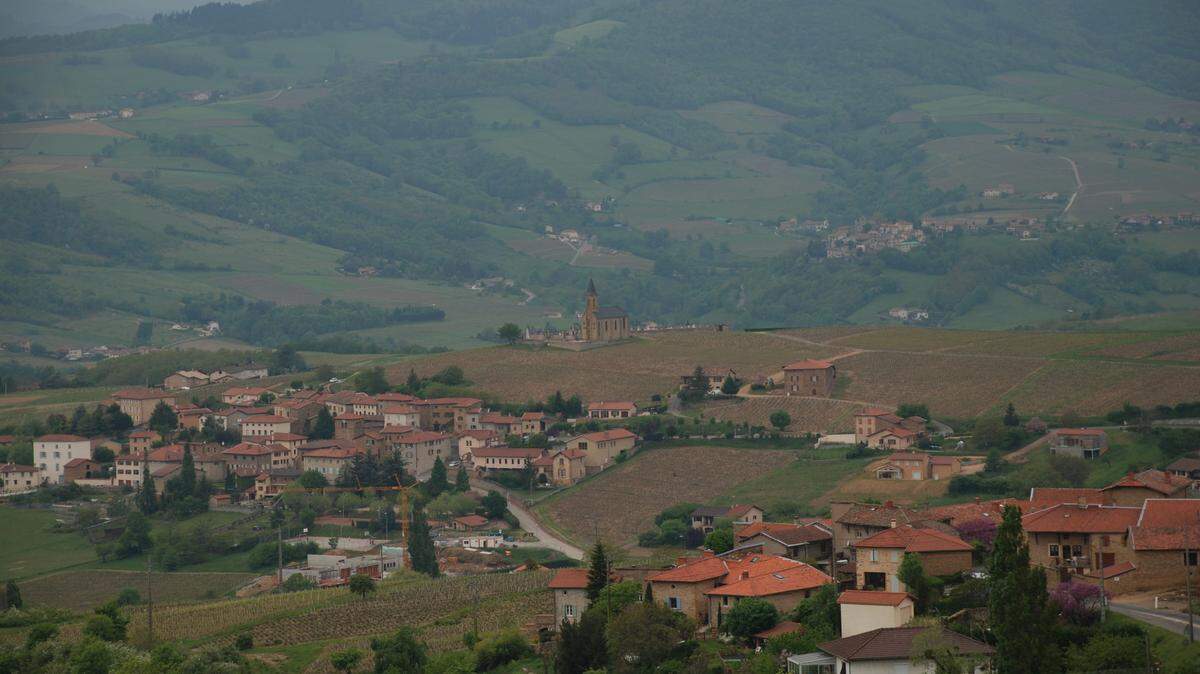
November in the United States means Thanksgiving, the one holiday we can all agree on.
If we are lucky, we celebrate the day with family and friends, and the star of the show is the turkey, surrounded by a constellation of time-honored side dishes. One great wine to serve with the dinner is currently being produced in a region of France where vintners and negotiants are busy getting their product to the marketplace.
The Beaujolais Nouveau will be released this year on Thursday, Nov. 21, and reports from the vineyard are good in spite of early budding in March and a rainy spring. Hailstorms challenged the winegrowers but they persevered and the new wine will prove an indication of the overall quality of the vendange, or harvest, in the region.
Herve Longefay, who works at Parlons peu, parlons vins, tasting cellar and restaurant in the heart of the Beaujolais, says that “the biggest export market is Japan, which accounts for around 35% of sales. In France, Beaujolais Nouveau is sold in restaurants, with very short consumption periods of between 3 and 10 days. The 2024 vintage will be very Beaujolais, fruity, light in structure and very easy to drink. A wine that lives with the times, where consumers are looking for wines with great drinkability.”
The entire Beaujolais region grows the Gamay grape, but where the vineyard is located determines the quality of the wine. The largest and most basic designation is “Beaujolais” which is the vin ordinaire of the region. A step up from that is Beaujolais Villages, which is wine made from grapes grown in any of the 38 villages of the northern Beaujolais region.
Heading further north in the region, the ten Cru Beaujolais represent the highest expression of the variety. Each has specific character distinctions that make it singular and worthy of the designation Cru, which means produced in a superior growing site or vineyard. This term encompasses the French concept of terroir, which includes the particular soil type, the local climate, the altitude of the vineyard, and the variety of grape. These interrelated elements produce a recognizable and noteworthy wine, a serious wine.
But Beaujolais Nouveau is not serious at all. It is a fun and fruity gateway wine that is approachable and quaffable. The grapes were harvested mere weeks ago and underwent carbonic maceration, that is, whole bunches of grapes fermented in a carbon dioxide-rich, anaerobic environment. No oak, no aging, no fuss. The wines are fresh and meant to be drunk young.
The celebratory concept of the Beaujolais Nouveau release has been around since 1951. Before that, it was a practice among winemakers to sample an early batch of wine to evaluate the vintage, but it was done on the low down. Enter the marketing professionals, namely Georges Deboeuf, a wine merchant who came up with the idea of making a big deal of the local practice by staging a race to get the wine to Paris.
My first visit to France for the Beaujolais Nouveau celebration was in 1999 and we went to a party at the Tete winery, a nouveau maker in the southern Beaujolais region. A jazz band was playing, casks of Beaujolais Nouveau lined the bar, and huge platters of charcuterie covered banquet tables on the sides of the cellar. The festivities came to an abrupt stop at 11:45 p.m. when the crowd rushed outside to see the trucks about to depart the winery at the stroke of midnight with a police escort.
Today, thanks to global shipping practices that have accelerated the delivery, the wine is released from the producers so that it can be in the stores and in the hands of those in the know on that third Thursday so that all can participate in a global celebration of the hard work of the winemakers and the vineyard workers and toast to the 2024 harvest.
My friends in France, Nathalie and Michel Fraisse, have a Beaujolais Nouveau party every year on the Saturday after the release. Nathalie always prepares the same simple menu, Sausages Cooked in Beaujolais, served with Onion Marmalade and Potatoes, Green Salad, and cheese, of course. Dessert is from the bakery, rich Pralulines, a buttery brioche stuffed and studded with rosy pink pralines. It’s a simple way to entertain, to enjoy your guests, and maybe even dance.
This year, consider sampling the Beaujolais Nouveau with a simple French menu the week before Thanksgiving and see if you want to serve the new wine for the big feast on Thanksgiving Day. Try one or more of the other Beaujolais varieties to compare. And if you have wine enthusiasts in the crowd, explore the Cru Beaujolais and impress your guests — and yourself.
Sausages and Shallots Cooked in Beaujolais
Serves 4
- 8 shallots, peeled and sliced
- 2 tablespoons olive oil
- 4 sausages (authentic French garlic sausages, saucisson, are available in gourmet shops or substitute a mild bratwurst)
- 1/2 cup Beaujolais
Heat oven to 375 degrees Fahrenheit. Sauté shallots in hot olive oil in sauté pan. Add wine when shallots are translucent. Pierce sausages with a fork and place in a baking dish just large enough to hold them. Top with wine/shallot mixture. Bake for 20-25 minutes, until heated thoroughly. Serve with French bread.
Confiture d’Oignon (French Onion Marmalade)
The following recipe is what my friend Nathalie makes every year for her Beaujolais Nouveau release party that she now celebrates in Meylan, where she lives with her husband, Michel. Her menu is always the same — oven-roasted saucisson (fresh pork sausages), boiled potatoes, and this onion jam.
- 2 tablespoons butter
- 2 pounds yellow onions, peeled, quartered, and sliced thinly by hand
- 1 teaspoon salt and a pinch of pepper
- 1 cup raw or brown sugar
- 2 apples (yellow delicious, gala, or other firm apple) peeled, quartered, and cubed or grated
- 1 and 2/3 cups raisins, golden or dark or a mix
- 2 cups Beaujolais wine
- 1/2 cup red wine vinegar
- 1/2 cup Grenadine
Melt the butter in a heavy pot over low heat and add the onions, salt, pepper and sugar and cook, covered, for about an hour, stirring occasionally. Add the apples, raisins, and the three liquids. Cook, uncovered until the mixture is thick and syrupy. Serve warm.
French Mustard Vinaigrette
Makes 2-4 servings
- 1 tablespoon Dijon mustard (Amora or Maille preferred)
- 1 tablespoon red wine vinegar
- 3 tablespoons olive oil
- Sea salt and freshly ground pepper to taste
Plan on 2 to 3 ounces of greens per person. Make the dressing in the bottom of the salad bowl and add the crisp, washed greens on top, tossing to coat at serving time, which is after the main course.
French Cheese Platter
- Chevre (soft, unripened goat’s milk), St Agur (blue, cow’s milk), and St. Andre (triple crème cow’s milk)
- Ripe pears, grapes, apples and figs
- Baguettes
Gateau de Foie (Liver Cake)
Makes 12 servings
Bechamel Sauce:
- 4 tablespoons butter
- 4 tablespoons flour
- 2 cups milk
- salt and pepper to taste
Chicken Liver Base:
- 5 raw chicken livers, connective veins removed
- 4 eggs
- one and a half cups dry white bread crumbs
- one half cup chopped parsley
- 1 medium onion, raw, chopped (about 8 ounces)
- 2 cloves garlic, minced
- 1 teaspoon salt
- 1 teaspoon pepper
Tomato sauce:
- 2 tablespoons butter
- one fourth cup minced onion (about 2 ounces)
- 2 cloves garlic, minced
- one 28 ounce can diced tomatoes
- one or two sprigs of fresh thyme
- salt and pepper to taste
- Preheat the oven to 350 degrees
Make the Bechamel (a simple white sauce) by melting the butter, whisking in the flour and cooking it slightly and then adding the hot milk. Cook until thick and smooth. Remove from the heat. Season the sauce to taste with salt and pepper and pour the sauce into a large bowl to cool somewhat.
Prepare the base by combining all the ingredients in a food processor or blender and processing until smooth. Mix the base and the Bechamel together until uniform and pour into a sprayed or buttered 2 quart soufflé dish. Place the soufflé dish into another baking pan and add hot water until it comes halfway up the side of the container. Bake the gateau in the water bath for about an hour until it puffs slightly and is brown on the top.
While the gateau bakes, prepare the Tomato Sauce by melting the butter and sauteing the onion and garlic until translucent. Add the tomatoes and thyme and cook for about 20-30 minutes. Remove the thyme and puree the sauce until it is smooth. Adjust for seasoning, if necessary, with salt and pepper. Reheat before serving time.
Slice or spoon the gateau into serving portions and top each serving with about 2 tablespoons of the Tomato Sauce. Garnish with additional chopped parsley, if desired.