
Want to turn your yard into a pollinator-friendly habitat? Penn State Master Gardeners can help
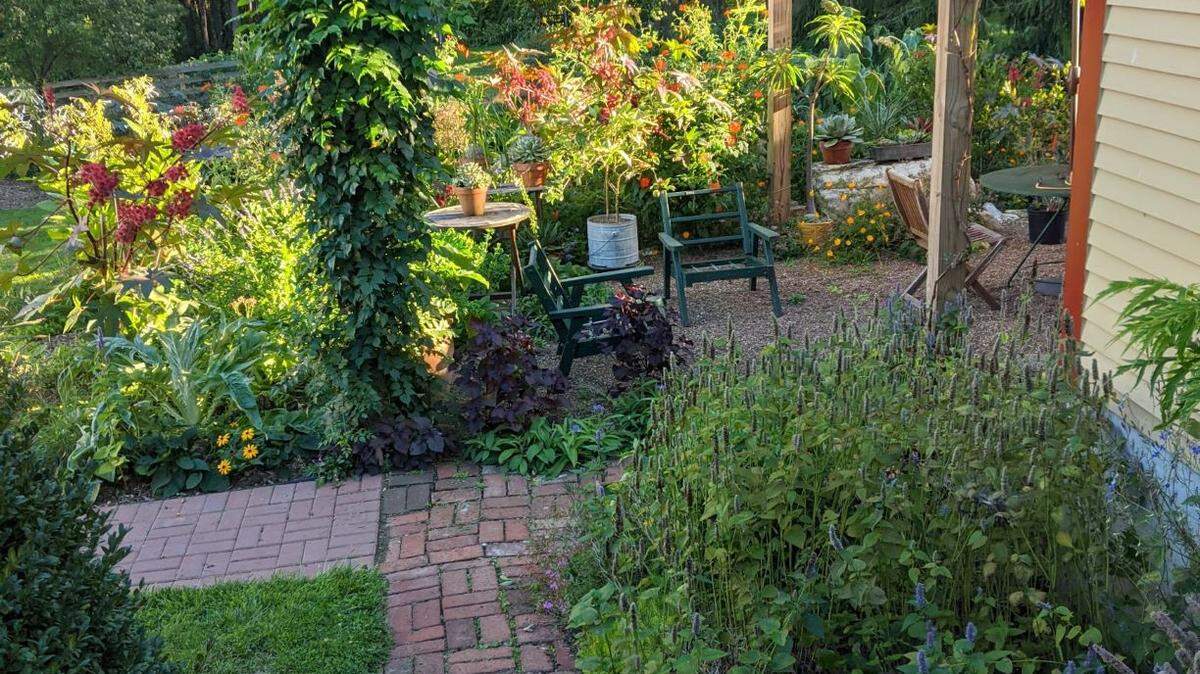
Since 2011, the Penn State Master Gardeners have been helping Pennsylvania residents create pollinator-friendly gardens through their pollinator garden certification program. To date, the program has certified more than 960 gardens throughout the state.
In 2011, program coordinator Connie Schmotzer said, the Master Gardeners “were quite aware that pollinators were in trouble. As the information and research began to come in ... we realized one of the things bees and all pollinators were missing was a good source of food. ... We thought, how can we help?”
As a result, the pollinator garden certification program was born.
Now, the program certifies about 100 residential gardens per year and Schmotzer expects the program’s thousandth garden to be certified by the end of the summer.
“We thought it was a great landmark for us to recognize,” she said. Additionally, other pollinator garden certification programs have popped up around the country, based on the Master Gardeners’ work, from Maine to Nebraska.
To obtain certification, a garden must include four different species of native trees or shrubs; three species of native flowering perennials for spring, summer and fall; a water source; and a pollinator nesting area. However, the Master Gardeners break the process of creating a pollinator garden down into easy steps and Schmotzer said that many gardeners seeking certification will use the application as a template for creating their garden.
By using the application and working with a native plant nursery, she said, even a beginner gardener can easily turn their yard into a pollinator-friendly habitat.
Centre County resident Shari Edelson obtained her pollinator garden certification this year.
“For me, one of the great joys of gardening is to watch insects and birds visit my plants, so I had already been growing pollinator-friendly plants in my home garden,” she said. “Then I read that the Master Gardeners had signed up over 900 pollinator-friendly gardens in Pennsylvania through their program and were trying to get to a thousand this year, so I decided to see if I could help them get to their goal.”
Edelson works for The Arboretum at Penn State, which is building a new pollinator and bird garden, so she “thought it would be fun to see if I could grow some of the same plant species at home.”
To obtain her certification, Edelson said she had to consider which of her current trees, shrubs and perennial plants already met program requirements, and then also ensure that her garden included a variety of plants and food sources.
For those interested in the program, Schmotzer assured that creating a pollinator garden doesn’t necessarily require a large amount of space. The program has certified pollinator gardens on plots as small as a tenth of an acre and she’s witnessed home gardeners get creative with their spaces, incorporating trellises and vertical planting in order to fit more plant varieties into a smaller space.
Once a gardener completes their work and turns in their application, along with photos and/or a sketch of their landscaping, the Master Gardeners meet to discuss applicants and dole out certifications — or, when necessary, more advice.
“The committee looks over the applications. We get together once a month, we talk about them and, if there are issues that need to be addressed, we get in touch with the homeowner; if not, we certify them and let them know, and get them their certificate,” Schmotzer said.
Edelson encouraged other Centre County residents to consider participating in the pollinator garden certification program, calling it a “great lens for people to view their home landscapes in a new way.”
“People might be surprised to learn that some of the plants they’re already growing are actually great for pollinators,” she said. “For people looking to add plants to their gardens, the program can be a helpful framework for making choices. And some of the things that are important for pollinators — such as having continuous blooms throughout the growing season — are also important to gardeners.”
It’s also a fun way to be part of a project that’s engaging people statewide, Edelson said.
Schmotzer also pointed to the positive impact participation can make.
“There’s not enough natural land out there to sustain pollinators or all insects. It comes down to us to help. If we’re willing to take just a small portion of our yards and change it up a little bit and make it pollinator-friendly, collectively, we can make a huge difference as gardeners,” she said.
To learn more about the Penn State Master Gardeners pollinator garden certification program, visit https://ento.psu.edu/research/centers/pollinators/public-outreach/cert.