
‘I’m always learning.’ Longtime Penn State Master Gardener shares tips, experiences with program
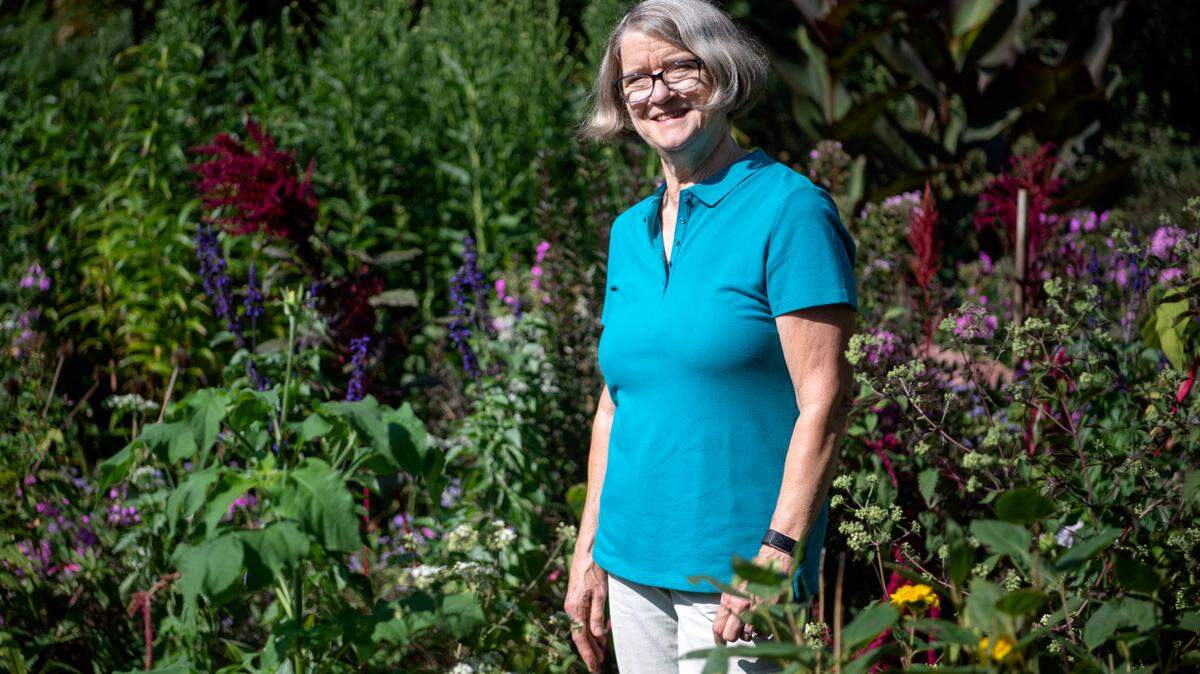
Joyce Christini is the Penn State Master Gardener program’s longest-standing member in Centre County. She started her Master Gardner basic training in the fall of 1992, followed by an exam and 50 hours of volunteer work, after which she officially became a Penn State Master Gardener in the Spring of 1994.
The Centre Daily Times recently spoke with Christini to learn more about her experiences in the program, as well as her top tips for local gardeners.
Centre Daily Times: What inspired you to become a Master Gardener?
Joyce Christini: I grew up on a farm. I’ve always been around plants and I’m a gardener myself. I enjoy my gardening and it sounded like I could learn something (through the program) and maybe I could give back a little bit, too.
CDT: What does your garden usually look like? Do you do primarily flowers, vegetables, etcetera?
JC: All of that! I do a lot of perennials. I have shrubs. I have a vegetable garden and berries. I live in State College Borough and my lot is 0.44 acres — so less than half an acre and there’s the lawn and the house.
CDT: Has your gardening and garden changed over time?
JC: It’s definitely changed over time. There are always new things to try. I’m more aware of pollinators now and the native (plants) that help support the pollinators, so I probably grow fewer annuals now and more perennials for the pollinators.
CDT: And what’s kept you gardening and in the Master Gardener program for nearly three decades?
JC: This is my hobby. This is what I enjoy doing. Meeting the public and helping them to learn more about their gardening problems and goals is rewarding. I get a lot of enjoyment from planting and learning about my plants and getting some good food. I’m getting better sweet corn than I’ve ever had before, this season, though I guess that’s probably partly from the wet year.
CDT: What does your work with the Master Gardener program look like?
JC: I volunteer. There’s a pollinator demonstration garden out at the Ag Progress (grounds). I volunteer a lot out there and then we work there during the Ag Progress event. We now have a butterfly house there that gets a lot of interest every year from both the young people who come, and the young-at-heart people, who really enjoy seeing the Monarchs hatch.
I also work on our hotline, where you can send in questions. Different (Master Gardeners) on the hotline take different days and we answer gardener questions. If we’re having a problem (answering one), we talk to each other and share what we’ve learned and what we need to possibly tell the person who sent in their information. If there’s a really hard question, we can send samples to Penn State.
CDT: What kind of questions do you hear most on the hotline?
JC: It’s always the hard, “Why did my plant die?” There are so many things (that could have happened), from the plant being planted wrong to the season being too wet or too dry, or a new bug has shown up, or there’s a fungus or leaf spot problems. I find these questions challenging and very interesting, because, in order to give them a good answer, I have to do a lot of research, and I’m learning all the time when I’m reading up about how to answer these questions.
CDT: So would you encourage beginners to get into gardening in Centre County as a hobby, on any scale?
JC: Well, it has to be something you like. There are people who have the proverbial black thumb, but it is rewarding to put some lettuce seeds in, in the spring, and have some fresh lettuce come out. If you just have a tiny space, you can plant a few green beans and have something you can eat. You can pick beans every week and have beans for supper. But it has to be what the person wants, because if they just see gardening as another job they have to do, then it’s going to fail. But, it is rewarding. You can plant beautiful flowers and have a lot of great landscaping around your house. People who garden have many different choices for what they could do.
CDT: For beginners, are there any particularly easy or hardy plants that gardeners can start out with, if they’re not quite confident in their gardening skills?
JC: I think growing lettuce and growing green beans, if you wanted to try a couple of vegetables, are very easy. If you want some color around your garden, buying annual plants in late May will get you color. What space you have and what you’re interested in is going to affect your choice.
CDT: Do you have any tips for Centre County gardeners who are maybe looking at planting a garden next spring? Anything they can do now to prepare?
JC: Control the weeds. Don’t let the weeds go to seed this fall, because those seeds will stay in the soil. Some of them will be in there for years and years and years. If you don’t have time to pull them out this fall, get your scissors out and cut off the seed heads and throw them away in the trash.
If you can feed the soil with some sort of compost or supplement so that the soil will be ready in the spring, that would be great. Fall leaves that are chopped by the lawn mower make a good soil mulch and soil amendment.
And then, over the long term, particularly if you’re growing vegetables, rotate your crops. Don’t plant the same thing in the same place every year, because the plants will deplete the nutrients that they need and they won’t continue to do well in the same spots.
CDT: For more advanced gardeners, would you encourage them to participate in Penn State’s Master Gardener program?
JC: Yes, I would. You learn a lot all the time. I’m always learning, and the other gardeners that I interact with have a lot of great ideas and suggestions. The people that you meet when you’re out in the public, they’re really interested in gardening and they have great questions and they have great knowledge to share.
For more information about the Penn State Master Gardener program, visit extension.psu.edu/programs/master-gardener. To contact the Master Gardener hotline with your questions about gardening, email centremg@psu.edu. When contacting the hotline about a particular gardening problem, it’s always best to provide as much information as possible, with photos of any impacted plants, Christini said.