
Over the garden fence: Were you gifted a holiday plant? How to take care of it
It’s Christmas Eve — a time that holds so many warm memories for me growing up. The atmosphere on Christmas Eve was so thick I believe you could have cut it with a knife. I even heard Santa’s sleigh and reindeer land on our slate roof, which was one of the highlights of my Christmas Eves.
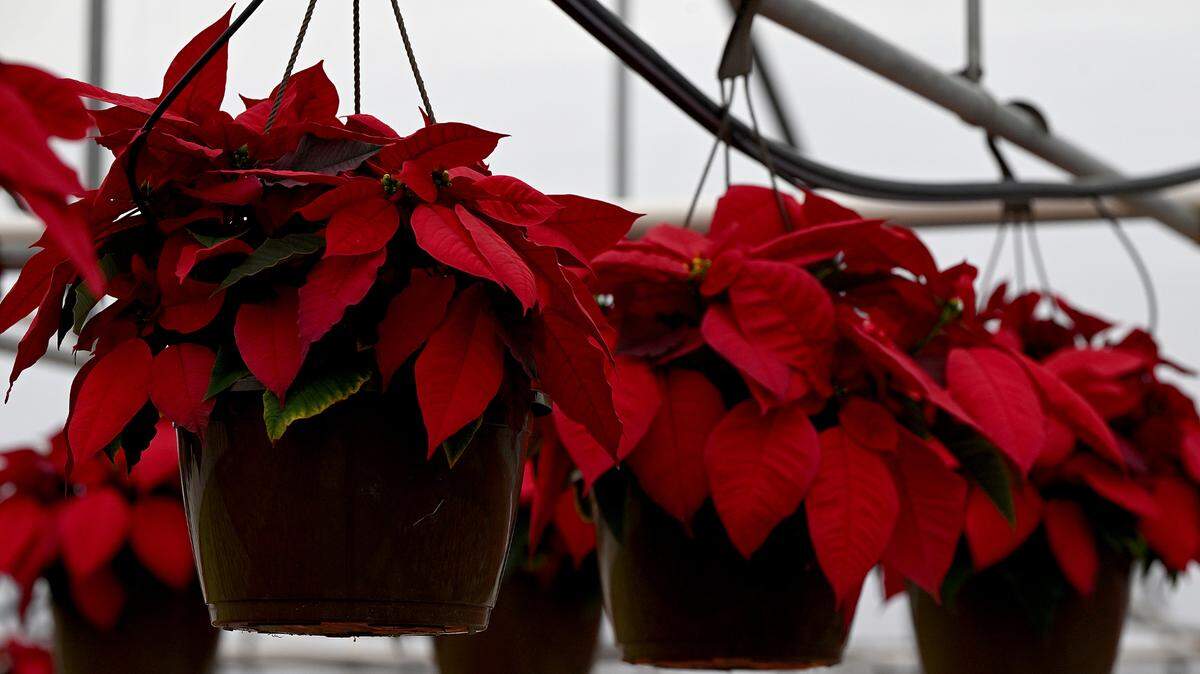
Gardening season is an indoor activity this time of year unless you have a high tunnel, but there are plenty of things to consider during the Christmas season. Take time to consider the needs of your holiday plants to keep them going for days or even weeks.
Amid holiday excitement, give yourself a few minutes to survey your house for a suitable environment for your plants. Most holiday plants have been produced under optimum conditions with all the light, water warmth and nutrients they need for quality flowers and foliage. But the average home is dark, dry and drafty — not at all like the greenhouse in which they were started. Flowering plants require bright light to retain flower and foliage quality, but direct exposure to the sun heats flowers and causes excessive moisture loss to plants already in a dry atmosphere.
One you find a suitable location with enough light, turn plants once a week to keep them symmetrical. If you don’t have access to east, south or western windows, set plants close to artificial light. Florescent lamps work well because incandescent lights generate too much heat for the light they produce. The heat of a light bulb can burn or fade the flowers.
Many flowering plants are not produced at a constant temperature in the greenhouse. Most plants do well in bright spots with temperatures of 65 to 75 degrees in the daytime to 50 to 55 degrees at night. The cooler temperatures slow plants down and help to extend their useful life.
Other things to avoid are cold drafts from opening doors as well as heat from radiators, woodstoves, or hot air vents. Don’t forget to water your plants. Remember that flowering plants tend to dry out faster than foliage plants. It is best to always maintain a moderately moist root system.
Keep the soil surface moist with regular applications of tap water at room temperature. Cold water directly from the tap may be too cold for the roots. When you water your plant, put enough water on to completely soak the root system and let the excess water pass through the drainage holes in the bottom of the container. If the plant is in a decorative pot with no drain hole, be very careful to not add to much water, which can drive all the air from the roots. If your plant has dried out completely, dunk the pot in a deep pan of water to quickly replenish soil moisture. Blooming plants and those with large leaves will tend to dry out faster and require more frequent watering than non-flowering plants and those with smaller leaves.
Some plants need a dormant period after flowering, while others can be kept growing until they are moved outdoors in spring.
Poinsettias need a dormant period between March and May when they should be cut back to 3 to 5 inches before new growth starts.
Chrysanthemums can be maintained as a foliage plant indoors until spring when they can be cut back to several inches before outdoor planting. Greenhouse mums will not tolerate freezing temperatures and must be brought back inside each fall.
Gardenias are an attractive foliage and flowering plant. Their fragrant flowers will persist if night temperatures of 60 degrees are maintained. Keep plants in a sunny, cool location in daytime.
These plants coupled with your houseplants will continued to keep you engaged gardening wise unit it is time to start your transplants and get ready for the outdoor gardening season.
Wishing each of you a Merry Christmas and best wishes to you and your families for a healthy, happy and rewarding New Year.