
Over the garden fence: Success in the garden starts with soil
Inch by inch, row by row
Gonna make this garden grow
All I need is a rake and a hoe
And a piece of fertile ground
David Mallett’s 1975 classic “Garden Song” had it right — fertile ground is a fundamental prerequisite for a healthy, productive garden! But many gardeners seem to ignore this element entirely, or assume that applying some fertilizer is all that’s necessary. But as with so many things, the truth is a little more complex. What is “fertile ground,” and how do we get there?
Healthy soil is the first and most basic need of any plant. Penn State Extension defines a healthy soil as one that delivers all the requirements for stress-free growth, while minimizing losses of soil, water or nutrients to the environment.
Far from being merely “dirt,” soil is actually an ongoing interaction between many players, and fertility (or sufficient nutrient supply) is just one of them. Others include texture (sand, silt or clay), organic matter, depth, beneficial microorganisms and insects, aeration and drainage. Each one plays a vital role in plant health. Just as we wouldn’t swallow a handful of vitamins and expect to become instantly healthier while ignoring exercise, diet and proper rest, we can’t expect our plants to reach their full potential without attention to all of these elements.
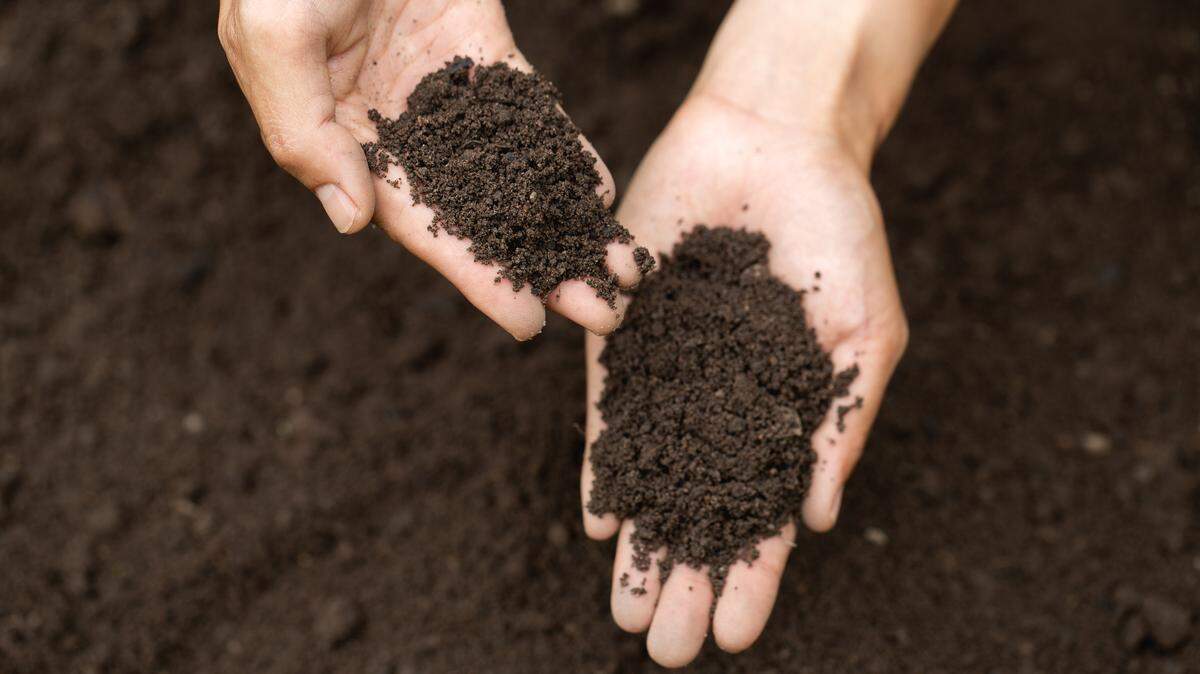
So, where do we start? Perhaps the easiest way to begin is by getting “down and dirty” with your soil. Dig down a few inches and observe. Is it light and sandy or rocky? Or heavy, with lots of clay? These types of soil will benefit from the addition of a healthy dose of organic matter such as compost to add nutrients and improve water and nutrient retention and drainage.
How much to add is another important question, and a soil test can help you determine this. We’re fortunate to have a reliable resource right at our doorstep, the Agricultural Analytical Services Lab at Penn State. A basic soil test is available for only $10, and the form can be downloaded from their website and printed at home. After carefully following the instructions for collecting a soil sample, you can mail the sample and fee, or drop it off at the lab on campus.
Results will provide levels of phosphate, potash, magnesium and calcium. You’ll also learn the soil’s pH level, which is important information, since most plants have distinct preferences in this regard. For example, blueberries need an acid soil (pH of 4.5) to thrive, while most common vegetables and many ornamental plants prefer a neutral soil (pH 6.0-7.0). You’ll also receive recommendations for the necessity of adding amendments such as lime or fertilizer to the soil, depending on what’s being grown.
Once you’ve incorporated any needed soil amendments, you can continue to help your soil by cultivating only as necessary — repeated rototilling can damage soil structure. In addition, don’t work the soil when wet, as this can cause compaction. (Plant roots need oxygen, too!) How can you tell if it’s dry enough? You can check by taking a handful of soil and pressing it in your fist. It should crumble easily when released. If it forms a sticky, compact mass, it’s too wet!
And of course, you can continue to feed your soil throughout the growing season. A good layer of well-aged compost or other organic mulch is always welcome, adding nutrients, preserving soil moisture and inhibiting weeds.
In the garden this month:
Although we haven’t reached our frost-free date yet (around May 11), there are plenty of tasks to be getting on with!
- Test soil and amend as recommended
- Plan new plantings on paper, being sure to note mature sizes of plants
- Plant trees and shrubs
- Begin hardening off cool-season vegetable transplants
- Direct-sow spring crops like leafy greens, carrots, peas, radishes, turnips
- Install an easy-to-read rain gauge near your garden, to help keep track of watering needed later in the season