
Over the garden fence: Why you should think first, spray last
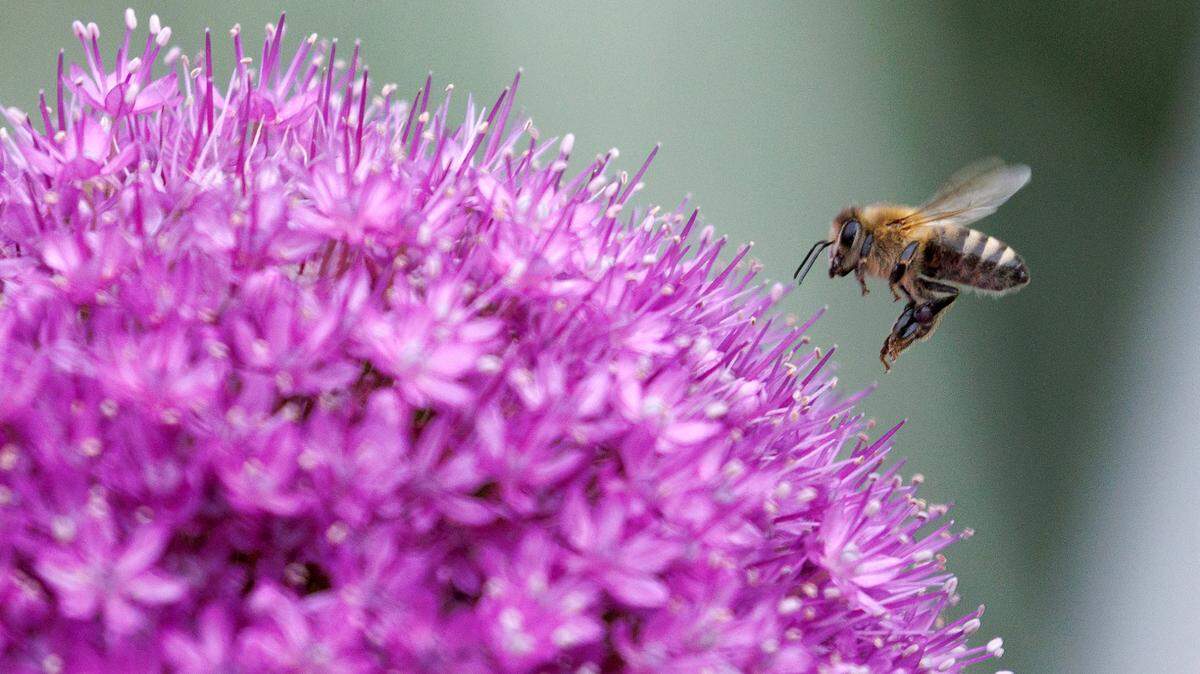
Until fairly recently, the notion of “beneficial insects” was unheard of. Many of us grew up believing all bugs were bad, a problem to be solved with a quick spray of Raid. While some insects may still merit control, albeit with narrow spectrum organic pesticides, there are many beneficial insects that are more than willing to do the job for us — if only we would give them the chance. This shift from “kill all bugs” to “support the right bugs” is changing garden practices statewide.
Christina Grozinger, director of the Huck Institutes of the Life Sciences at Penn State, reports that pollinators and natural predators are both essential to maintaining food systems.
“When we protect native bees and predatory insects, we’re investing in long-term food security. Most people associate insects with damage, but there’s another side to that story. There are countless beneficial insects doing essential work to keep our gardens balanced,” Grozinger notes.
According to the PA Dept of Agriculture, there are many insects that can eradicate pests in our gardens without the use of toxic insecticides, which can also harm our pollinators. Among the most familiar of these are ladybugs (Coccinellidae spp), which feast on pests like aphids, mealybugs and spider mites. (A single ladybug can eat up to 50 aphids a day!) Their larvae, sometimes mistaken for pests themselves, are even more effective hunters. It’s important to allow aphids and other pests to remain on plants so that ladybug populations will have the chance to establish.
It is worth noting that the Asian lady beetle (Harmonia axyridis), while an annoyance in the fall when they enter your home looking for an overwintering site, are not considered invasive and are voracious eaters as well.
Another common insect, the green lacewing, devours a multitude of garden pests including thrips, whiteflies and even small caterpillars when in its larval stage. They require a water source to thrive on hot summer days. A tray of water or birdbath suffices, if refilled daily.
Parasitic wasps are the unsung heroes of the tomato plant. Uninterested in stinging humans, they use their ovipositors to instead lay eggs on tomato hornworms — and like a scene from a horror movie, as the larvae grow, they consume their host from inside out. These solitary wasps consume many other pesky caterpillars and worms as well.
A number of nocturnal ground beetles feed on slugs, snails and other ground larvae, including the Japanese beetle (Popillia japonica). A quick nighttime stroll in the garden with a flashlight will reveal these helpers scurrying about.
To encourage these garden helpers, Penn State Extension recommends skipping broad spectrum insecticides, which kill pollinators and good bugs as well as pests. Rather, utilizing integrated pest management (IPM) strategies such as attracting predators, using barriers, and handpicking insects, is the best practice.
Another important step is to provide insect-friendly habitat by having areas under trees and shrubs and in the garden for insects to overwinter, and leaving these areas undisturbed through early spring.
Purchasing beneficial insects is an option as well and can be a valuable tool for natural pest control, particularly if you have an existing pest problem you wish to control. However, attracting them naturally is often a more effective long-term approach.
In the garden this month:
- Deeply water vegetable gardens and container plants as needed, especially during hot weather. For containers, check soil moisture daily.
- Weed regularly to prevent competition for water, nutrients and light. While you’re at it, inspect your plants for any sign of disease or insect problems.
- Now’s the time to sow cool-weather seeds for the fall garden–broccoli, carrots, leafy greens, etc.
- Continue deadheading flowers to encourage continued blooming, and fertilize flowering annuals and container plants as needed.
- Compost lawn clippings and garden waste (excluding diseased plants).
- Finally, spend lots of time in your garden and enjoy its midsummer bounty!