
‘That ship has sailed.’ College Township stops short of voicing opposition to proposed casino
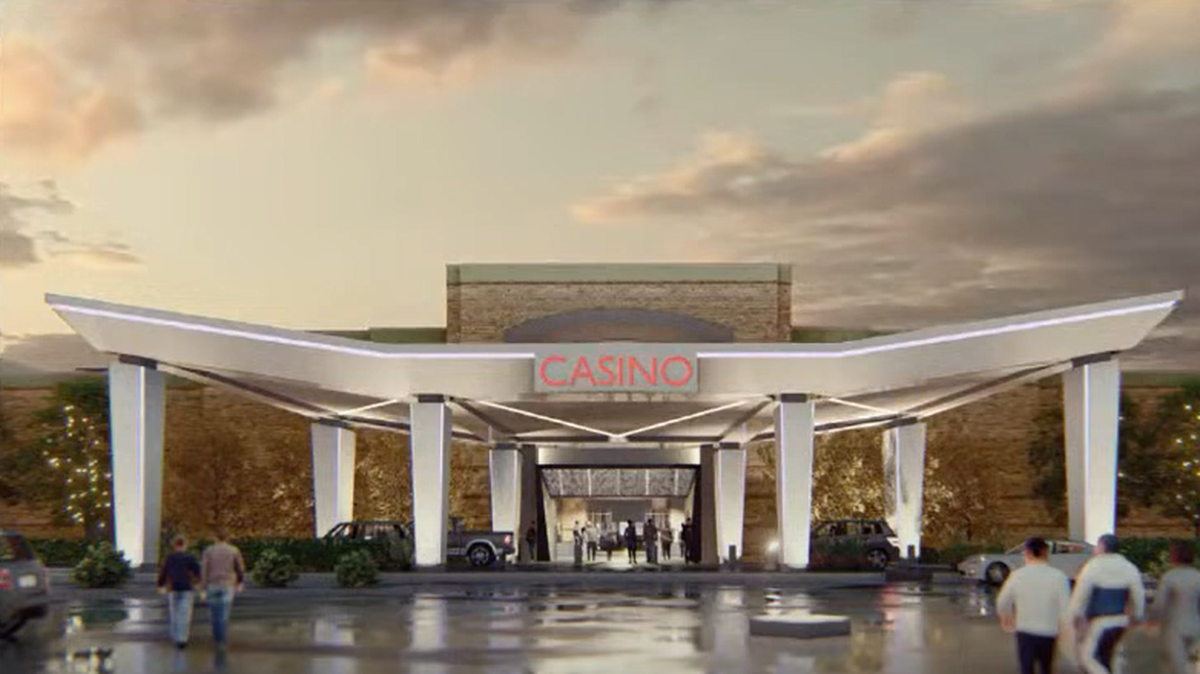
College Township’s decision-makers refrained Thursday from sending an opposition letter to the state regulators responsible for either approving or denying the license for a proposed mini-casino at the Nittany Mall.
The decision was a blow to opponents of the casino, who have launched a last-ditch effort ahead of the Pennsylvania Gaming Control Board’s vote that could come as early as November.
The township’s council followed the recommendation of solicitor Louis Glantz.
Taking any action that could be construed as interfering with the potential approval, Glantz said, could put the township in a precarious position.
A lawsuit from the casino’s developers would be likely and there would be “little chance” the township’s insurance carrier would provide coverage, Glantz wrote in a September letter. He said he’s never represented any of the developers.
The developer already paid about $20 million in reliance on the township’s conditional approval of the plan.
“I talked to ... five other attorneys, all of which are familiar and active in local government. And they all said the same thing without hesitation, ‘You can’t do that. Or you better not do that.’ That ship has sailed,” Glantz said during Thursday’s meeting. “Those are the kind of comments I got. Now, they didn’t do the research I did, but they were all familiar with local government.”
The vote among the five council members was initially unanimous. Near the end of the meeting, Vice Chair Carla Stilson said she received a text message from member Paul Takac, who was attending remotely and said he’d been confused when the vote was being made.
“I thought I was voting to send the letter and I did not,” Takac said. “It was really hard to understand the way the motion was made.”
Takac, who is also running for the state House of Representatives, made a motion to reconsider sending any correspondence and minutes related to the casino since June 12 to the the PGCB. Chair Rich Franke, Stilson and council members Eric Bernier and Dustin Best were still opposed.
The public comment leading up to the initial vote lasted more than 1 1/2 hours. It included everything from a mention of Queen Elizabeth II to several residents wondering aloud if they could raise millions to cover potential legal costs and penalties.
All but one of the about two dozen people who spoke at the meeting voiced opposition. Some spoke off the cuff, while others read from prepared statements. One Lemont man received applause.
“Is that what we do nowadays? Do we plan for the best and hope the worst doesn’t happen?” Steven Smith said. “Because it certainly sounds that way with the casino.”
He later added: “I would rather stand and fight than bend over and allow the gambling interests to move into the region and flex their muscle, both legislatively and economically.”
The township’s ability to opt out of hosting a casino expired more than three years ago. Council can neither arbitrarily deny a plan that complies with its ordinances nor rescind conditional approval.
The casino, if approved, is projected to create upward of 400 full-time jobs. College Township would likely stand to receive about $1.6 million during the casino’s first year of operation; its annual General Fund Budget is about $10.5 million.
Renovating and opening the 94,000-square-foot anchor spot at the mall is estimated to cost about $120 million. It would have 750 slot machines, 30 table games, a sports betting area, restaurant and bar.
Supporters have pointed to the economic benefits and the potential revitalization of the mall. Critics pointed to the potential for crime, a strain on first responders, gambling addictions among the vulnerable and Happy Valley’s well-being.
More than 1,400 people signed an online petition against the casino. Opponents also urged Penn State’s board of trustees to take a public stance against the development, but trustees chairman Matt Schuyler made clear last month they would not weigh in because the proposed casino is not associated with the university.
Developers submitted a third-party report last year, which expected minimal impact on police, fire and EMS services or utility and road infrastructure.
The gaming control board has so far denied only one mini-casino license, in Beaver County, and that came only after the winning bidder acknowledged they couldn’t finance the project.
A lawsuit filed by a losing bidder — which alleged the developer’s bid was improperly awarded and should be set aside — in still pending in the state’s Commonwealth Court.
This story was originally published October 7, 2022 at 12:45 PM.
CORRECTION: A previous version of this story included inaccurate information about how College Township Council members voted during Thursday’s meeting.