
PA Supreme Court will have the final say on proposed mini-casino near State College
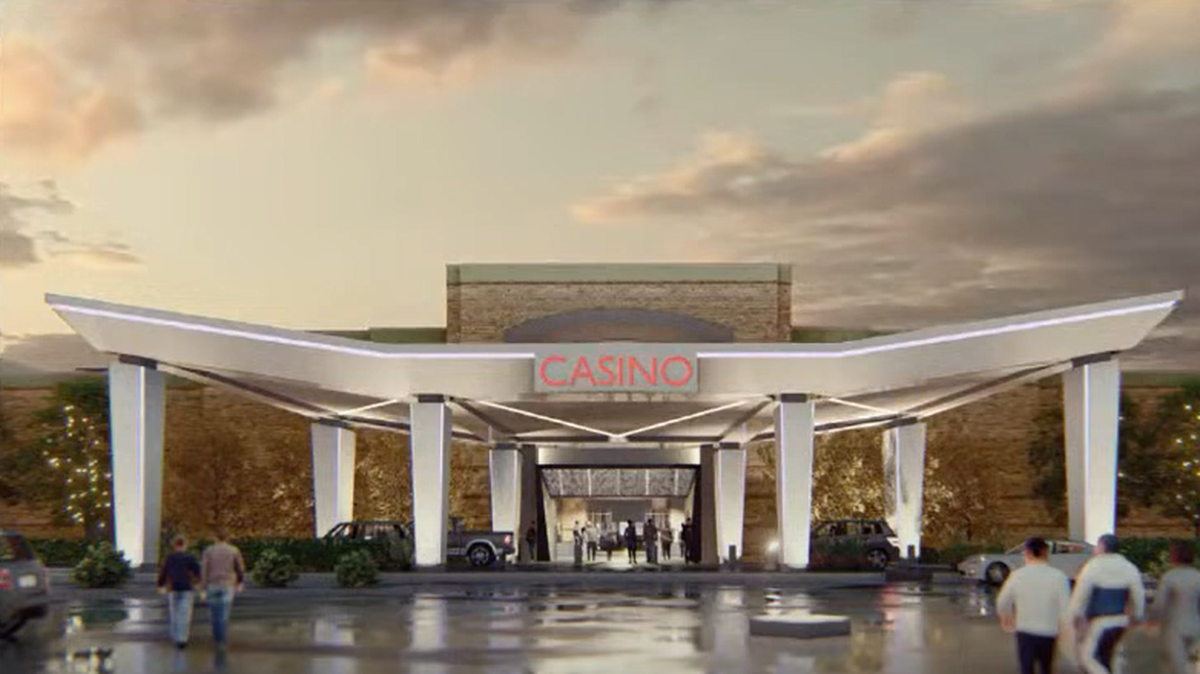
Pennsylvania’s highest court took jurisdiction last week of several legal challenges tied to the fate of the proposed mini-casino at the Nittany Mall, a project that could come with an about $130 million price tag.
The move puts the state Supreme Court in position to have the final word about the project, a long-expected outcome by the attorneys arguing their case.
Attorney Frank C. Sluzis — who is not affiliated with any of the legal challenges — said Friday the move amounted to judicial economy.
It takes an average of 15 months for a case before the state Commonwealth Court to be resolved, meaning Wednesday’s ruling could speed up the process by a number of months — if not years.
“The Supreme Court is pretty picky about which cases they even want to review, except via statute. They can pick and choose what they want to review,” Sluzis said. “This doesn’t happen all that often.”
Attorney Mark Aronchick — who represents Stadium Casino RE, LLC, the losing bidder at a 2020 auction — declined comment Friday. Attorney Stephen Kastenberg — who represents Penn State alumnus and real-estate magnate Ira Lubert — also declined comment.
The Pennsylvania Gaming Control Board voted unanimously in January to approve the license for the planned casino, but it cannot be issued until all appeals are resolved. No casino license decision in Pennsylvania has been overturned on appeal.
“The Supreme Court has decided a number of gaming licensing-related matters, many of which have gone direct. This mechanism in the law is really just meant to streamline the process,” said attorney Adam Berger, who is not affiliated with the case. “I don’t want to guess what the legislature was thinking at the time, but I think the effect is you get decisions made sooner and, ultimately, casinos can open sooner so you’re not tied up in endless appeals.”
Stadium — which runs Live! Casino & Hotel Philadelphia — asked the state’s highest court in February to vacate the board’s decision to award the license, arguing state gaming regulators do not even have the authority to consider the license.
The company also challenged how Lubert, who won the auction to apply for the license with a $10 million bid, paid for it.
Lubert and state gaming regulators have said he paid the bid with his money the day after the auction. He partnered with Bally’s and others to develop the project.
Aronchick, however, wrote in a 108-page appeal that evidence shows Lubert formed an investment group of ineligible people to fund the bid. In exchange, Aronchick wrote, they would receive an ownership interest.
Stadium had separately filed a lawsuit on similar grounds. The state Commonwealth Court in February wrote the business’ allegations about ownership were “more than a bare unsupported assertion.”
If the project is greenlighted, renovations and construction would begin at the 94,000-square-foot space that was once home to Macy’s.
The nonsmoking casino — which plans to operate 24/7 — would have up to 750 slot machines, 30 table games, a sports betting area, a quick-service food court and a sports themed bar and restaurant with a stage for live entertainment.
Lubert tapped Eric Pearson, a casino management veteran, to be the prospective CEO and general manager. Construction is expected to take about a year.
Supporters of the casino have said it will be an economic boon for the mall and College Township. The casino would employ 350-400 full-time equivalent positions, and College Township would likely stand to receive about $1.6 million during the casino’s first year of operation.
Opponents, some of whom started an online petition and the website saynocasino.org, have been vocal about their worries about a potential increase in crime, gambling addiction and the community’s overall well-being. They were unsuccessful in urging College Township’s and Penn State’s decision-makers to oppose approval of the license.