‘This virus doesn’t care about football:’ What one expert thinks of the Big Ten’s decision to play
When the Big Ten announced Sept. 16 that it would play football this fall after initially postponing its fall sports season in mid-August, it cited the adoption of significant medical protocols as its reason for reversing course.
James Borchers, Ohio State football’s head team physician and co-chair of the Big Ten’s Return to Competition Task Force, said there are “groundbreaking steps that are now being taken to better protect the health and safety of the student-athletes and surrounding communities.”
Penn State President Eric Barron cited consistent and uniform testing, and rapid antigen and cardiac testing for athletes who test positive among reasons for flipping his vote.
But there are plenty of medical experts who still feel it is unsafe for the conference to compete this fall.
Days after the Big Ten decided to postpone its football season in August, the Baltimore Sun published an op-ed in support of the decision. The piece was written by Brian Castrucci — an epidemiologist and member of the dean’s council for the University of Maryland School of Public Health — along with Boris Lushniak, dean of the UMD School of Public Health, and Perry Halkitis, dean of the Rutgers School of Public Health.
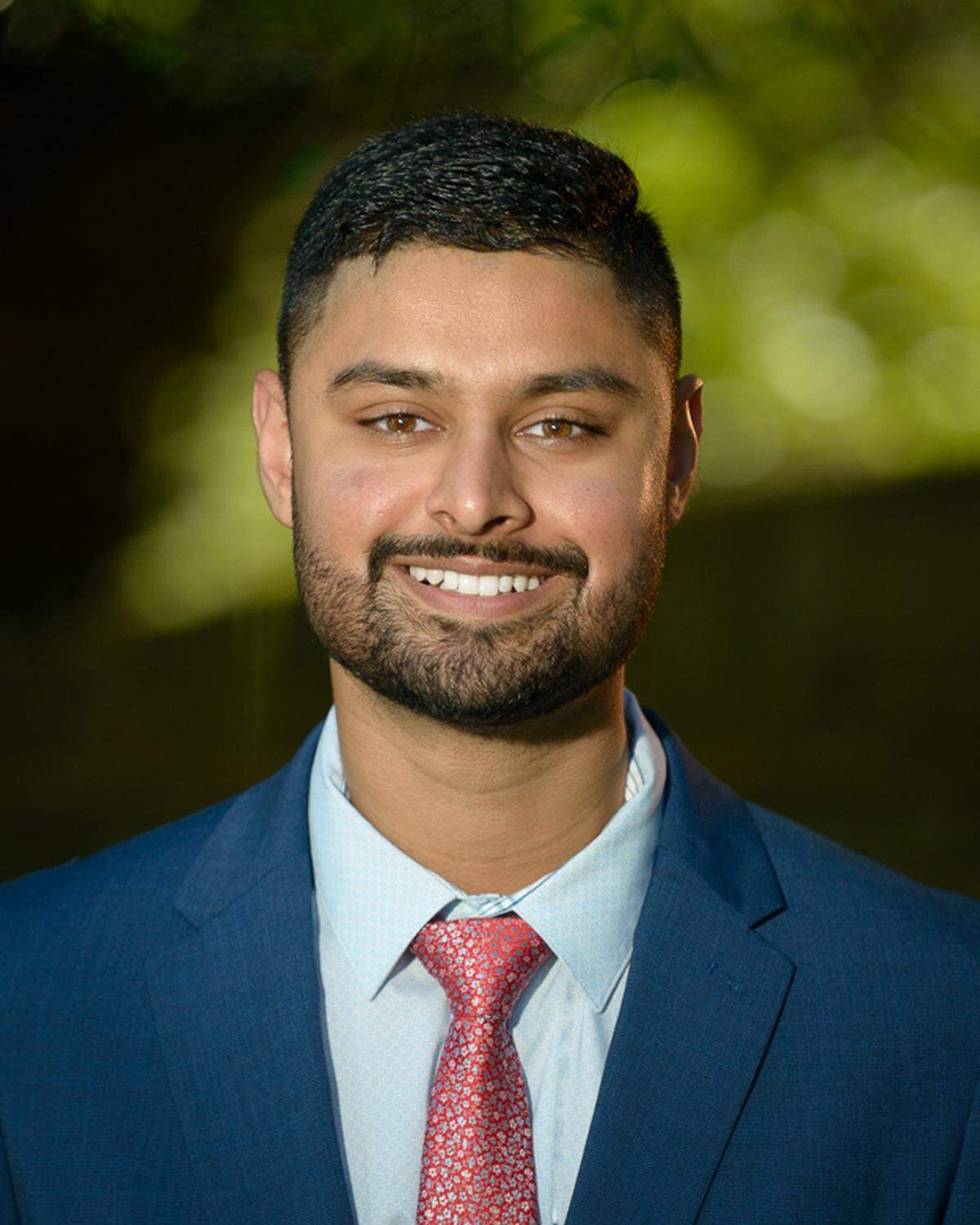
The Centre Daily Times spoke to Castrucci last week to get his thoughts on the impact the conference’s choice to play a football season could have on those involved.
Centre Daily Times: What was the inspiration behind you writing that op-ed with Dr. Boris Lushniak and Dr. Perry Halkitis?
Brian Castrucci: The inspiration was really hearing (Ohio State quarterback) Justin Fields and (Clemson quarterback) Trevor Lawrence and (Michigan head coach) Jim Harbaugh and (Ohio State head coach) Ryan Day talk about the importance of playing the game. And I was uncomfortable with student-athletes and college football coaches interpreting public health data and making health recommendations.
Jim Harbaugh doesn’t call me and ask me whether he should play a Cover 2, yet he seems comfortable making public health decisions. And that was alarming to me. I think the Big Ten made the right decision (to postpone the season) — I still think they made the right decision. I think it’s unfortunate that — whether it was financial or political — whatever pressure forced them to go back. That’s the unfortunate thing. But I think we had to stand up. Boris and Perry are deans of schools of public health at Big Ten schools. And so I thought it was an important conversation to have, and to give support to the Big Ten presidents, who I think initially made the right decision along with the Pac-12.
CDT: Penn State head coach James Franklin had spoken out multiple times throughout the past few weeks saying how he felt his players were safer on campus than elsewhere with the COVID-19 guidelines set in place. When you hear an argument like that, what are your thoughts?
B.C.: So, let’s say they’re safer. OK, then if they’re safer, why isn’t the rest of the student body safer? If they’re safer, then does that still mean they have to play football? Your center is never 6 feet away from your nose guard. This virus doesn’t care about football. This virus doesn’t care that you actually were super, super good about trying to prevent it nine out of 10 days, because on the 10th day, you don’t get credit for the previous nine.
This isn’t a college football game — you can’t build up a lead and then rest on that lead. Every minute of every day, you need the protocols in place. And if you watch the games, you see the opportunities throughout for people to get infected. And it doesn’t take much. This is a really infectious virus — it won’t take a lot. I mean, we’re already seeing it. You know, Notre Dame is postponing a game. It doesn’t take a lot of games to postpone before you don’t have a real season.
CDT: There are people who say the risk is not significant enough to lose millions of dollars and cancel the college football season and have these kids lose a year to boost their draft stock. But what are the long-term effects of COVID-19 on young people — especially athletic, healthy young people?
B.C.: We don’t know.
Let’s think about this: You’re asking me about long-term effects of a virus that’s been in play for only six months, right? So I don’t know. We don’t know. We know that there are some long-haulers who are seeing some challenges after initial infection or having trouble clearing initial infection. You see those anecdotes about people who’ve had some serious lung damage. But we don’t know the long-term effects — we’ve not studied it. So there’s a risk, right? I don’t play in traffic. I could play in traffic for 10 weeks in a row and could come through totally safe every time. The 11th time, I get hit. This is playing in traffic.
This is saying the people who should take the risk are unpaid college athletes, mostly students of color — that is where (this virus) is making its inroads, in communities of color. We’ve seen those data. So if coaches are concerned about their athletes’ safety, how, then do they want them to participate in an activity one day a week that places them at greater risk? That seems to be contradictory, doesn’t it? ... I love college football. I really, really do. I don’t love it so much as to risk the lives of the athletes. There’s already enough risk inherent in the game. And the problem is the draft status argument is for a very, very, very small number of students. Very few get drafted into the NFL — it’s a very small group.
CDT: Has your stance changed at all given that the Big Ten has adopted new-and-improved stringent medical protocols, including daily antigen testing?
B.C.: Are you asserting that the protocols in the Big Ten are superior to those in the ACC? Or are you asserting that they’re better than at Notre Dame? Are you asserting that they’re better than at Virginia Tech? Or are you saying that this is a time when we’re using the ends to justify the means? ‘See, no one got sick. Our protocols work.’ I played in traffic — I didn’t get run over, therefore it’s a wonderful thing to do. We all dance this dance until someone gets sick. I mean, of all programs, Notre Dame is postponing a game against Wake Forest. And (Virginia Tech head coach) Justin Fuente is openly saying, ‘I don’t know if I can actually field a team this Saturday because of COVID protocols.’ That was his statement on Sept. 14.
We’re all doing the best we can to prevent infection, but we’ve still seen repeated infections. When you’re sending all of your students home, when you’re doing a universitywide 14 day quarantine, when you’re shutting down every other sport but football — that’s what worries me, the inconsistency in the messaging and the prevention theater to justify a decision that has been made.
CDT: What makes you say that the Big Ten’s new-and-improved protocols and guidelines are not going to be enough?
B.C.: Can you cite me the evidence of them having been put in place and the effectiveness of them? No, you can’t — it doesn’t exist. They’re running an experiment. We’ve never dealt with this before. When Georgia opened up its bars and restaurants, we did an experiment. When Florida chose to release their quarantine, we did an experiment. Those experiments turned out poorly. So we’re only going to know if these new procedures work once we put them to the test. What was Mike Tyson’s famous saying? Everyone has a plan until they’re punched in the face. These protocols may work; they may not. We’re going to know pretty soon.
I want to listen to scientists, not football coaches. That’s who has to make these decisions for us. Have James Franklin invite the secretary of health (for Pennsylvania) to his campus and say, ‘I want to show you my protocols. And I want to know what you think.’ Choose your top doc in public health in the state. ... This is a virus that has created an unemployment crisis, which has created a hunger crisis and a housing crisis. And we’re spending a fair bit of energy debating whether we should play college football — whether volunteer athletes should play college football, uncompensated athletes should play college football — instead of debating how we’re going to keep 30 million people in their homes.
CDT: So if you had to place a bet today, would you bet against the Big Ten finishing its nine-game schedule?
B.C.: I’d like to know the odds. But, yes, I think it’s going to be really hard. It’s going to take an outbreak in one or two teams. It’s going to take one outbreak that we miss. It’s going to take a nose guard, a linebacker, a lineman that comes back negative but is truly positive. And then all of a sudden, it’s not just your team, but you spread it to the other team.
This story was originally published September 27, 2020 at 10:59 AM.