Story that can never be repeated: The joys and warnings of a rare Hilton Head family
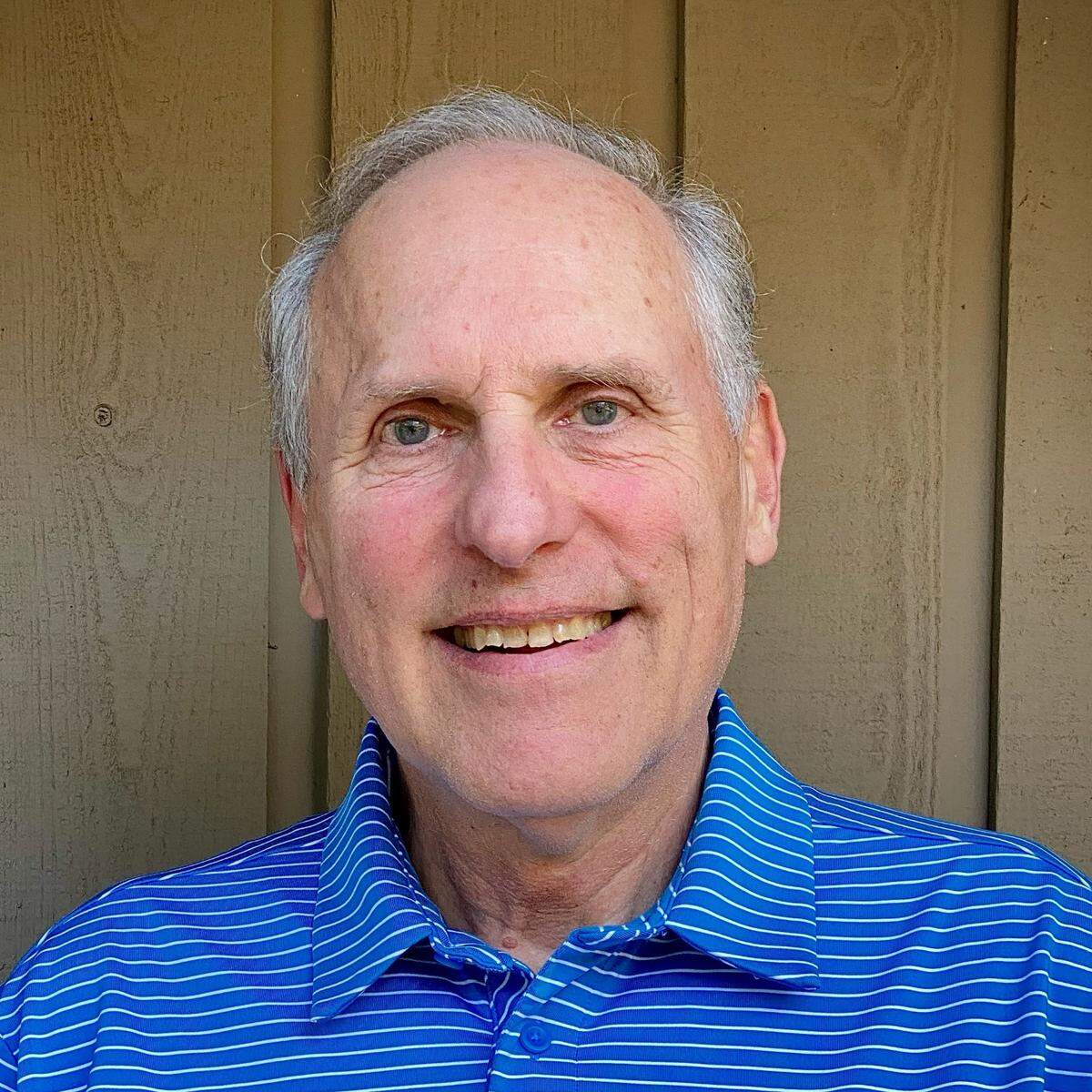
Mac Hammett used to tease his mother by telling her, “I’m a turtle.”
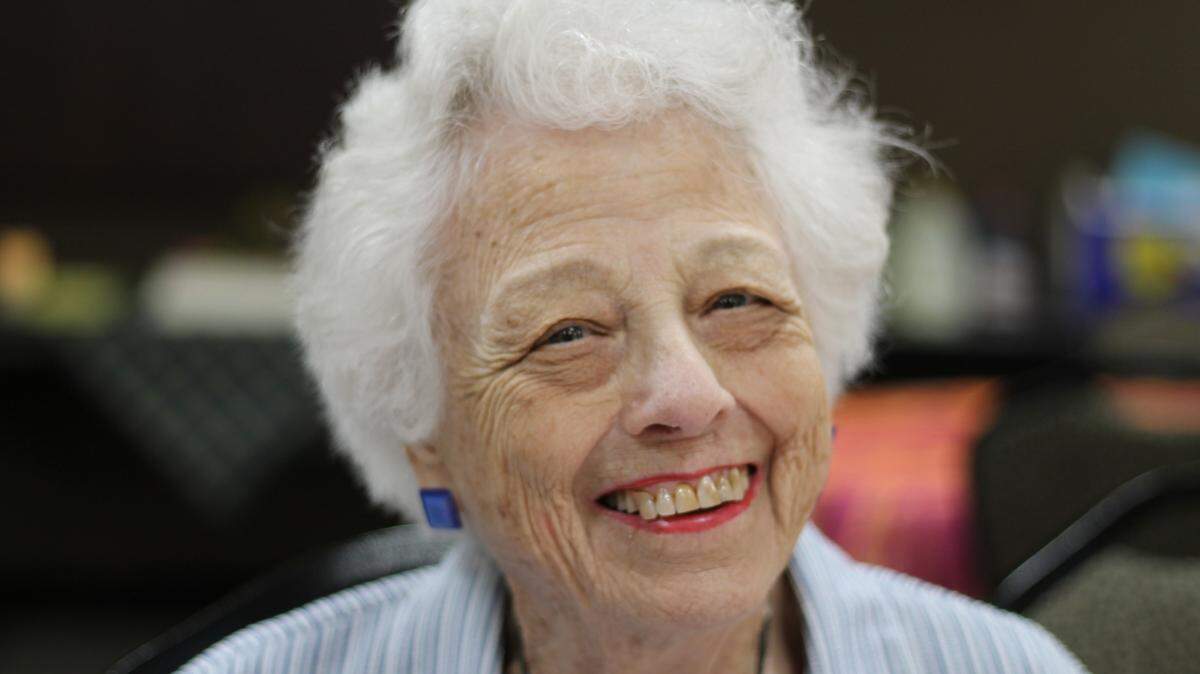
When she was pregnant with her youngest child, Whitney Lawrence Hammett would go to the beach and dig a hole in the sand. That way, she could lie on her stomach and sun bathe comfortably with her baby down below in his hole.
“You incubated me,” Mac would tease a mother who had sand in her toes then, and maybe still did when she died May 29 in Mount Pleasant, just short of her 96th birthday.
When Whitney and her family washed up on Hilton Head Island’s shores, the island that’s now a town of some 40,000 and host to 2.5 million visitors per year was “just a nature preserve,” Mac recalls.
“In 1955, my husband and I came down from Anderson with his boat and bounced through Port Royal Sound to Folly Field beach and to spend the weekend with Mother and Daddy in Orion Hack’s house in Folly Field,” Whitney said as she reflected on her half century on Hilton Head before moving to the Charleston area in 2006.
Boat was the only way to get here in 1955, but that was about to change. And it was that change that brought the Lawrence family to Hilton Head, where they lived out a story that can never be repeated.
Whitney’s father, Henry Lawrence, was in the insurance business and his firm bonded the first bridge to Hilton Head, a swing-span toll bridge that opened in 1956.
Henry and his wife, Mildred, drove down from Anderson to make sure the $1.5 million bridge wouldn’t need any of that bond money.
They were shown the beach and the 18 new homes in the Folly Field area. And they fell in love with it, and, like so many to follow, bought a lot immediately.
Henry Lawrence would become a crucial building block for a new version of Hilton Head. And he would leave us with dire warnings about ruining the place — and a special prayer.
SOUTH FOREST BEACH
Henry and Mildred Lawrence built a home on the ocean in South Forest Beach.
The only air conditioning was the sea breeze, which you could catch on the large screened porch or in the carport down below, where Henry would keep a little office when he retired and moved here full-time in 1957.
Whitney and her husband, Prue, and their three children would come down most weekends and for the summer.
“My dad was really, really into fishing,” Mac said. “Mother was into lying out in the sun.”
They saw schools of bluefish and mackerel that were acres in size, and they could sit on the beach and watch thousands of ducks fly by.
At night, Henry Lawrence would load the grandchildren in the back of his Chevrolet El Camino, along with a shovel for the times they’d get stuck in the sand on an island with few paved roads.
“We’d look at deer,” Mac said. “We saw monkeys.”
Whitney’s husband, Prue, died in 1968.
Whitney had one foot in Anderson, but she was involved on the island as well. She was part of what became First Presbyterian Church, helping Billie Hack teach children Sunday school in the Honey Horn barn.
She made the five-hour trek from Anderson so often she joked that she could have been carrying the mail.
She liked to tell the story in her “darlin’” Southern belle way about friends making a dummy for her so it would look like there was a man in the car. When she got to the Savannah River Site “bomb plant” near Aiken, a guard asked how many people were in the car.
“Just one,” she said.
“Well, who is that?”
“Oh, you know it’s a dummy.”
‘FORGIVE IT, O GOD’
Henry Lawrence’s retirement didn’t last long.
As more people bought lots and built homes, they came to him for insurance advice.
What became the Carswell of Carolina firm started in his carport office, with John D. Carswell of Savannah backing it and young Maynard Barker coming to the island to produce accounts.
And Henry Lawrence convinced a skeptical Bank of Beaufort board to open a branch on Hilton Head for a few hours a week.
Whitney moved down to care for her parents in their final years. She did babysitting work, and worked in bookkeeping for 17 years with Kaye Black at Curry Printing. She was one of the speakers on the Sunday First Presbyterian celebrated its 50th anniversary.
Mac said an underlying story is that Henry and Mildred lost a 12-year-old son in a tragic farming accident in 1953. Hilton Head, he said, was “a way to start life over, for renewal and re-embracing life.”
He said, “It also provided Henry a chance to be a businessman in a place where there was very little business. I think that was good for his soul, and good for Hilton Head.”
Henry and Mildred’s home is still there and still in the family. The lot they paid $4,800 for is now on the county tax books for more than $1 million.
They planted beautiful azaleas — and replanted them after wild hogs destroyed the first crop. They had a lemon tree, orange tree and a huge fig tree.
They were avid bird watchers and tight friends with island naturalist Beany Newhall.
Henry Lawrence wrote a poem of warning in the late 1960s. It’s about litter and the ocean, long before plastic pollution was known to be a scourge upon the earth. He called it “Dirge”:
Why, old Ocean, do you moan and cry
And tug fog blanket close about your face?
I think quite well I know the reason why
You weep and try to hide in deep disgrace.
Across your bosom beer cans rust and roll,
Rubbish and whisky bottles, human litter,
Discarded garbage bipeds scatter as they stroll
Would give me indigestion, make me bitter.
I weep with you Ocean, as each bite you take
Of dunes you cleanly built and man is buying
But adds to dirty meals, keeps you awake,
And restless, and ashamed — and crying.
Whitney gave me a booklet of prayers written by her father to open Bank of Beaufort board meetings. Board chairman G.G. Dowling of Beaufort had it printed at The Beaufort Gazette in 1972.
Her passing gives us a chance to slow down, and listen to our forebears in the form of her father’s prayer:
“Forgive it, O God, that we take for granted the beauties of your world about us. Give us pause to listen to the melodies, you who have taught the birds to sing at dawn when our lawns and dunes and marshes belong to the quail, and the rabbit; when black skimmers skillfully plow straight furrows at the old sea’s edge; and at sunset, when silent pelicans like dominoes play ‘follow the leader’ to their distant roosts, and there are cloud-faces of saints and heroes in the distant thunderheads, fringed with the gold and silver of the setting sun. Slow us down, Lord, that we may know our God again and find his peace. Amen.”
David Lauderdale may be reached at LauderdaleColumn@gmail.com.
This story was originally published June 12, 2022 at 9:00 AM with the headline "Story that can never be repeated: The joys and warnings of a rare Hilton Head family."