Are chemical sprays used to kill mosquitos safe to use? Here’s what to know.
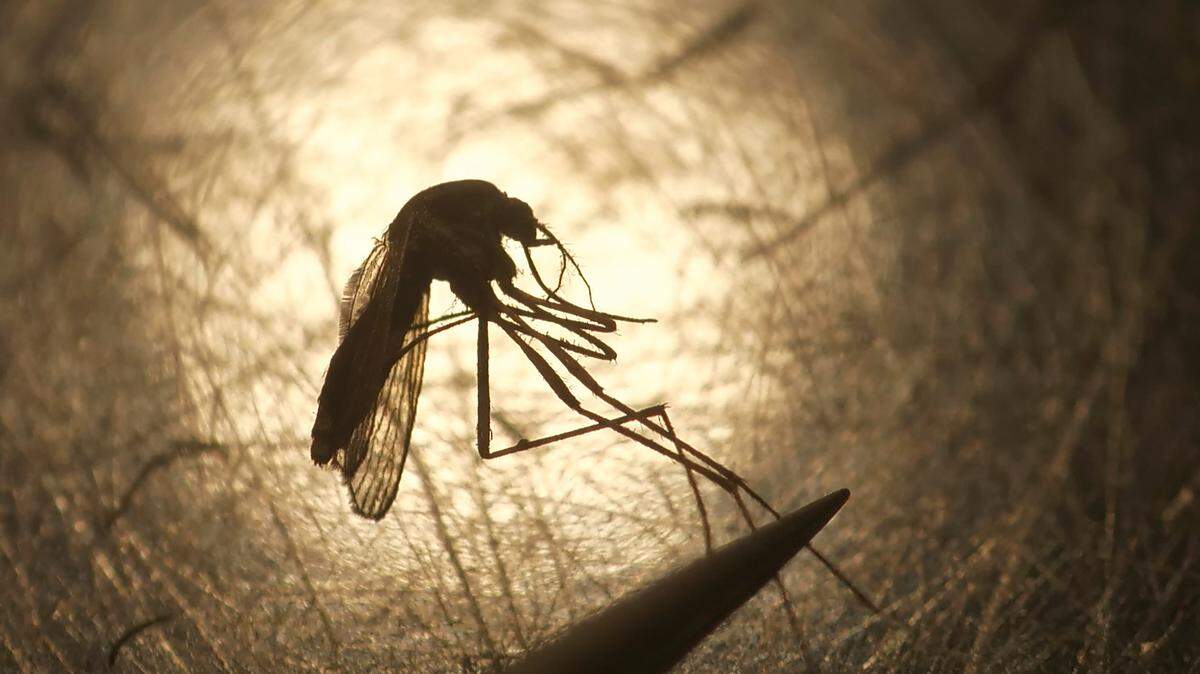
In August, Tarrant County Public Health confirmed the first human case of West Nile virus for the 2022 season. The northwest Tarrant County resident had a mild form of the disease, referred to as West Nile virus fever.
With heavy rains returning to North Texas Friday afternoon, we could get more disease-carrying mosquitoes, so it’s time to take some precautions. Mosquitoes love moisture and humidity because they can find standing water to lay their eggs on.
Texas’ mosquito season can last until late fall. It typically comes to an end when temperatures dip below 50 degrees. Until then, here’s what to know to avoid mosquito-borne diseases.
How to safely spray for mosquitoes
Spraying an insecticide can reduce the number of mosquitoes and your chances of being bitten by a mosquito infected with a virus. But you should take some safety measures depending on what type of spray is being used.
“When used as directed, EPA-registered insect repellents are proven safe and effective, even for pregnant and breastfeeding women,” says the Centers for Disease Control and Prevention.
According to the CDC, you and your pets need to leave your home when foggers or aerosols are used to kill mosquitoes in the air. Fish tanks should be covered. You can return home after the spray has dried, usually about an hour. As for sprays that are applied to surfaces where mosquitoes rest, it’s safe for you and your pets to stay inside.
What about community spraying? State and local agencies use pesticides like permethrin applied either by aircraft or on the ground through truck-mounted sprayers. Their goal is to control adult mosquitoes to combat an outbreak of mosquito-borne disease. Mosquito control sprays are applied using a technique called ultra-low-volume spraying. According to the EPA, these sprays involve small quantities of pesticide active ingredient in relation to the size of the area treated, typically less than 3 ounces per acre, which minimizes exposure and risks to people and the environment. There is however a possibility that it will cause eye irritation if you’re outside when spraying takes place.
“Adulticides can be used for public health mosquito control programs without posing risks of concern to the general population or to the environment when applied according to the pesticide label,” the EPA writes on its website. “Our evaluation of mosquito control products includes assuring that use of such products according to label directions does not pose risks to vulnerable populations, including children and pregnant women.”
The Environmental Protection Agency provides the following tips for using repellents safely:
Read and follow the label directions to ensure proper use; be sure you understand how much to apply.
Do not use it near food.
Avoid breathing a spray product.
Do not spray in enclosed areas.
Never use repellents over cuts, wounds, or irritated skin.
When using sprays, do not spray directly into face; spray on hands first and then apply to face.
Do not apply near eyes and mouth, and apply sparingly around ears.
Apply repellents only to exposed skin and/or clothing. Do not use under clothing.
Check the label to see if there are warnings about flammability. If so, do not use around open flames or lit cigarettes.
Store insect repellents safely out of the reach of children, in a locked utility cabinet or garden shed.
After returning indoors, wash treated skin and clothes with soap and water.
How to prevent mosquito bites
Mosquitoes rest in cool, dark and humid places, including in closets, showers, garages and other enclosed spaces, as well as under sinks, counters, tables and behind furniture, per the CDC.
You can prevent mosquito bites by removing their habitats, using barriers and protecting your skin, says the EPA.
- Remove standing water in rain gutters, old tires, buckets, plastic covers, toys, trash cans, pots, plant saucers or any other container where mosquitoes can breed.
- Empty and change the water in birdbaths, fountains, wading pools, rain barrels and potted plant trays at least once a week to destroy potential mosquito habitats.
Once a week, empty and scrub, turn over, cover or throw out any items that hold water, like vases, flowerpots and planters.
- Keep swimming pool water treated and circulating.
- Cover all gaps in walls, doors and windows to prevent mosquitoes from entering.
- Install or repair window and door screens.
- Stay indoors when possible if there is a mosquito-borne disease warning in effect.
- Use EPA-registered mosquito repellents when necessary and follow label directions and precautions closely.
- Replace your outdoor lights with yellow bug lights, which tend to attract fewer mosquitoes than ordinary lights.
Use air conditioning when possible.
Mow your lawn and trim overgrown vegetation regularly.
- Dress your child in clothing that covers arms and legs.
- Completely cover baby carriers and strollers with netting.
- Keep mosquitoes away from exposed skin by wearing long-sleeved shirts, long pants and socks.
- Tuck shirts into pants and pants into socks to cover gaps in your clothing where mosquitoes can get to your skin.
This story was originally published November 6, 2022 at 1:00 AM with the headline "Are chemical sprays used to kill mosquitos safe to use? Here’s what to know.."