World leaders met in Egypt to address climate change impacts. A Boise student was there
Nations from around the globe met in Egypt in November to face a mounting climate crisis that scientists have said could have disastrous consequences.
A Boise high school activist was there.
The annual United Nations climate summit brought together wealthy countries like the U.S. that have been emitting carbon for well over 100 years with poorer countries that have developed their industries more recently. Many of those poor countries are responsible for less of the root of global warming — greenhouse gas emissions — but are facing its most dire consequences.
After late-night, marathon negotiations, the 197 nations agreed to establish a fund to assist poorer countries beset by the effects of climate change, like sea-level rise, intense storms and drought. This year’s negotiations were in Sharm el-Sheikh, an Egyptian resort town.
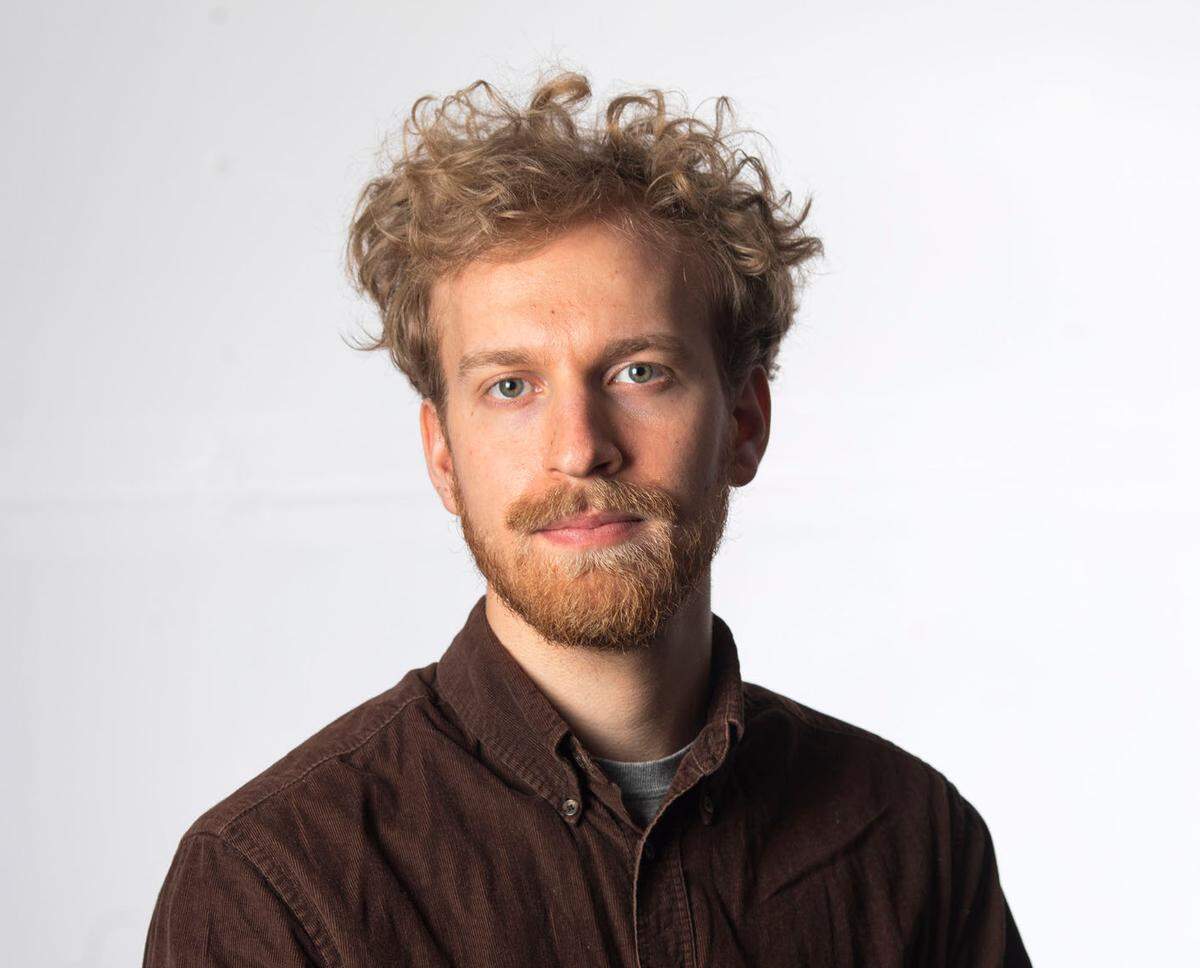
Shiva Rajbhandari, a senior at Boise High, went to Egypt on a scholarship from the League of Women Voters, he told the Idaho Statesman. He also was elected earlier this year to the Boise school board.
Though he was excited to be there and learn about international civil society groups, he was discouraged by the outcome of the summit.
“The ultimate final agreement as a whole I think was disappointing,” he said. “Because we still don’t have any language on phasing out of all fossil fuels.”
The final agreement includes “efforts towards the phasedown of unabated coal,” but does not push for a full-fledged phaseout of fossil fuels generally.
The world is on track to warm close to 3 degrees Celsius by the end of the century, according to the U.N.’s scientific arm. Such warming would have disastrous consequences around the world, scientists say. The world is already fast approaching 1.5 degrees of warming, which nations set a goal of not surpassing at the 2016 Paris climate negotiations to avert the worst impacts of climate change. The 1.5 goal — 2.7 degrees Fahrenheit — may no longer be practicable.
A significantly warmer world will bring more extreme heat, the extinction of many species, disease, widespread hunger and catastrophic wildfires, scientists say.
Rajbhandari works as a youth engagement coordinator for the Idaho Conservation League and has campaigned for the removal of dams on the Lower Snake River, an ongoing environmental movement aimed at bringing endangered salmon back from the brink.
In September, Rajbhandari defeated an incumbent and was elected to the Boise school board, campaigning on issues like a long-term sustainability plan for the school system.
At COP27, as this year’s U.N. climate negotiations were known, Rajbhandari said he met with youth climate activists and indigenous activists from around the world, as well as other leaders in the climate sphere, like former Ireland President Mary Robinson.
“I think a lot of Americans don’t understand this, but the way that our system is set up, climate change disproportionately affects … communities that are low-emitting countries,” he said, referring to island nations, areas with large indigenous populations and developing countries. “The way that works is extreme weather then ravages vulnerable communities that are already under-equipped and not responsible for the effects of climate change.”
Despite the agreement to create a loss-and-damage fund for poor countries, Rajbhandari said the assembled leaders did not come close to taking the necessary steps to redirect the global economy and ward off the worst effects of climate change.
The negotiations did not include quota amounts to be paid from different countries, but created a committee to work out the details, according to The Washington Post.
“For all the talk and excitement about these international negotiations, really world leaders are impotent when it comes to climate action,” Rajbhandari said. “They are unwilling to do what it takes on climate change.”
One of the world’s most prominent youth climate activists, Greta Thunberg, skipped the negotiations, calling them an exercise in “greenwashing.”
The insufficiency of national leaders, Rajbhandari said, elevates the importance of local decision-makers.
“The way we’re going to solve climate change will not be on Capitol Hill, it won’t be in the U.N. General Assembly, it will be in city council meetings and school board meetings and neighborhood association meetings where we really implement the solutions to climate change and where we really commit to securing a livable future for us all,” he said.
What do UN negotiations mean for Idaho?
Though Idaho is thousands of miles from Sharm el-Sheikh, U.N. climate negotiations and federal action could affect the state.
At COP27, President Joe Biden said the U.S. is taking action to avert a “climate hell,” and his administration has pushed through legislation to speed the transition to electric vehicles and provide subsidies for other clean energy technologies.
Dr. Jen Pierce, a geoscience professor at Boise State University, said Idaho could be a global leader on renewable energy because of its lack of coal and “suite of renewable resources.”
“We have abundant wind, solar, geothermal, hydro,” as well as potential small-scale nuclear, Pierce told the Statesman.
“All of those sources of clean energy that do not emit CO2 should be something that Idaho really starts to take the lead in developing and implementing on our state level,” she said. “We should not be buying any coal or using any coal in our state.”
She added that a growing clean energy sector could bring new jobs to Idaho.
‘It is already affecting our health right here in Idaho’
Pierce said the notion that climate change is only a problem for future generations is not correct.
“It is already affecting our health right here in Idaho in the form of wildfire smoke and extreme heat,” she said, noting the record-breaking number of 100-plus degree days in the Treasure Valley last summer.
“We’re talking about our farmworkers, we’re talking about our construction workers” who can’t decide to work inside when it’s hot out, she said.
Researchers at Boise State and St. Luke’s Health System are working to understand the effects of wildfire smoke on health, Pierce said. “If you look at a map of smoke impacts in the western U.S., Idaho is in a bull’s-eye,” she said.
Other researchers at Boise State and at the University of Idaho are studying how wildfire smoke affects potato yields, according to a news release.
According to a 2021 study from the Yale Program on Climate Change Communication, 74% of Idahoans think schools should teach about global warming. Majorities of the state also support regulating carbon dioxide emissions, implementing a carbon tax and funding research into renewable energy, the study found.
“We should be talking about climate change and what we’re doing about it in our local communities, what’s happening on the national stage,” Pierce said. “We need to talk about it more. … This needs to be something that our entire community is actively working on.”
This story was originally published December 21, 2022 at 6:00 AM with the headline "World leaders met in Egypt to address climate change impacts. A Boise student was there."