California set a goal for dairy manure’s role in climate change. Where does it stand?
A new report says the state’s dairy farmers are on track to cut emissions enough to meet 2030 climate goals.
About half of the reduction could come from converting manure into a gas that does less harm than petroleum-based sources. Stanislaus County is among the leaders in this venture so far.
The report was released Wednesday, Dec. 14, by the California Dairy Research Foundation and the UC Davis Department of Animal Sciences.
“It is important to highlight California’s investments and success to date as an example of what is possible within the global livestock sector,” Professor Frank Mitloehner said in a news release. He is a co-author and director of the CLEAR Center, which stands for Clarity and Leadership for Environmental Awareness and Research.
Carbon dioxide is the top source of emissions causing an overall warming of the planet. The main concern on dairy farms is methane, which is especially potent if it drifts to the atmosphere.
State law requires the industry to reduce methane by at least 40% compared with 2013, with a deadline of 2030. Annual emissions have already been reduced by about 4.6 million metric tons, the report said, and about 4.4 million more is needed.
The leading method involves installing digesters on the farms, which capture methane for use as a petroleum replacement. The burning still has emissions, but with much less damage than if methane just floated upward.
The authors said dairy farmers also are controlling methane with better handling of manure before it is applied to feed crops, a long-time practice under tight regulations.
The report said reductions are happening also through changes to cow diets, which reduces the amount of methane created in their stomachs. Finally, breeding has increased the volume of milk per cow, which means fewer animals on the farms.
The report said California has spent more than $2 billion in public and private money on these efforts. It happened over the objections of activists who say the dairy industry will continue be a source of odors and water pollution even with the methane reductions.
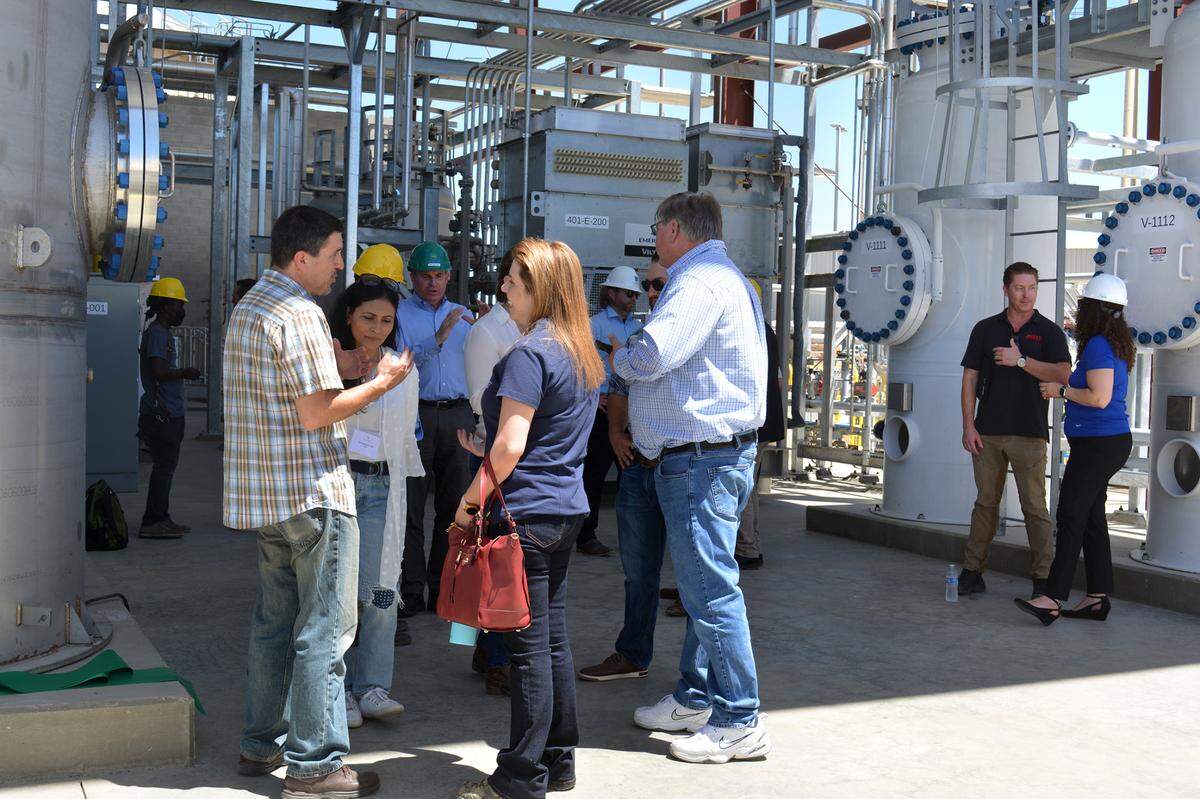
About $380 million of the investment has come from Aemetis Inc. in the Keyes area. It has installed seven digesters out of a planned 60 or so and laid pipelines to an intake for PG&E.
Eric McAfee is founder, chairman and CEO of the Cupertino-based company. In a phone interview Friday, he countered the claim that such projects harm residents.
“Air quality improvement in disadvantaged communities is a core value of what we do,” McAfee said.
Aemetis also has made ethanol from Midwestern corn in Keyes since 2011. It hopes for a 2024 completion of a Riverbank plant that will make jet and truck fuel from discarded orchard trees.
The dairy report’s other co-authors are Davis professors Daniel Sumner and Ermias Kebreab.
This story was originally published December 19, 2022 at 10:00 AM with the headline "California set a goal for dairy manure’s role in climate change. Where does it stand?."