
NC State scientists work to raise awareness of Black, disabled field researchers
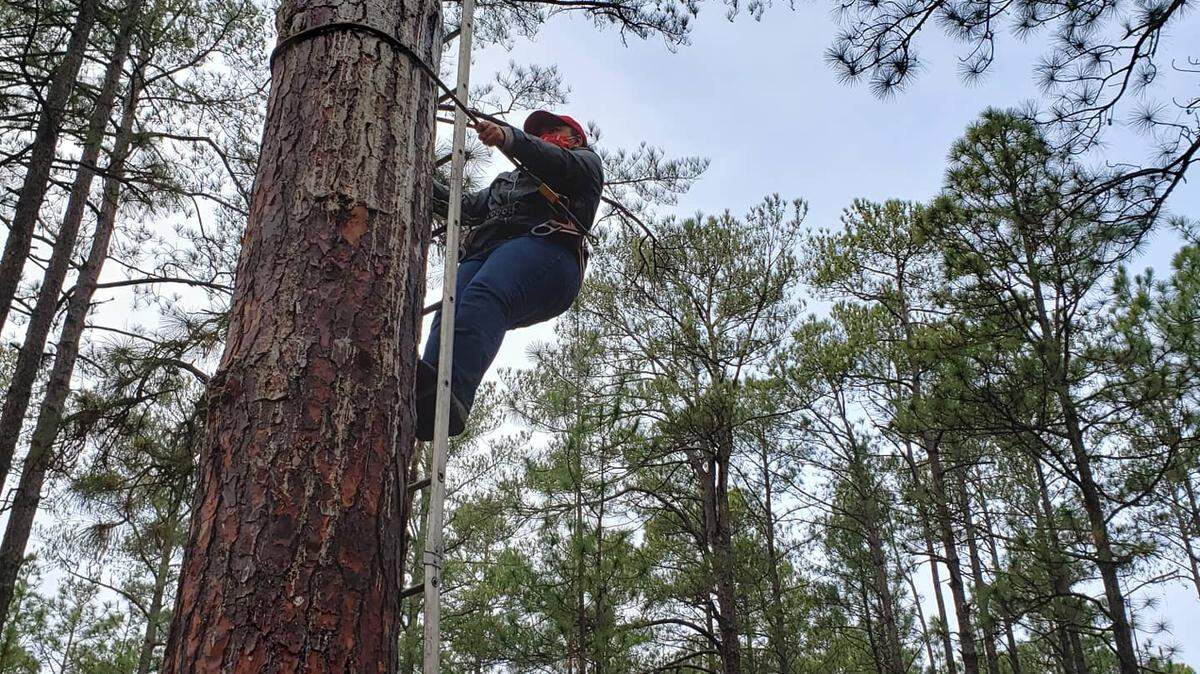
Murry Burgess wanted to find housing in Snow Camp, near where she studies how songbirds nestlings respond to artificial light.
But when Burgess and her adviser approached the owner of a mobile home site near where Burgess studies, they were met coldly. Burgess is Black, and her adviser is white.
“She wouldn’t look at me,” Burgess said of the park’s owner. “She wouldn’t answer my questions, she would only talk to my adviser and angled her body away from me.”
As a result, Burgess ended up driving more than an hour each way to the site instead of having housing just minutes away.
Burgess and Lauren Pharr, both Ph.D. candidates at N.C. State University, started the nonprofit Field Inclusive in August to support biologists and other natural sciences researchers from marginalized communities. They are working to create online training modules that universities and other organizations can license so advisers and other team leaders better understand the challenges people from marginalized groups face.
When scientists discuss field safety, Pharr said, they are usually talking about avoiding dangerous wildlife or avoiding stepping in stump holes. But scientists who are Black or belong to other marginalized communities also need to be aware of the people in the surrounding areas and take steps to ensure their own safety.
“We feel like social field safety should be put on the same level and given the same attention because obviously you’re talking about someone’s health, someone’s well-being,” Pharr said.
When Burgess and Pharr raise the issue of social field safety, advisers — who are frequently white — often admit they haven’t considered it.
Only 3.3% of the people employed as biologists or other life scientists in 2019 were Black, according to statistics from the National Science Foundation. That’s 23,000 of the 698,000 biologists or life scientists in the United States.
“We love the fact that people admit that they’ve never thought about this, and this is where we come in, to raise that awareness,” Pharr said.
In one high-profile 2020 incident, a white woman called the police and reported that a Black birder was threatening her. That call happened because the birder, Christian Cooper, asked the woman, Amy Cooper, to place her dog on a leash in Central Park.
Amy Cooper was later charged with a misdemeanor for making a false report.
Shortly after the incident, a group of Black scientists and nature lovers launched Black Birders Week, an effort to share the stories of Black conservationists and inspire others to develop their interest in the field.
“We can be fully decked out in our gear with binoculars and our camera, and nine times out of 10, whether we’re in public, private or urban areas, there will still be some people who will question what are we doing there. So these instances are what have really brought up the need for more awareness,” Pharr said.
Pharr’s research into how climate change has impacted the nesting success of the red-cockaded woodpecker includes managing a population of the endangered species in North Carolina’s Sandhills region. Typically, Pharr works on public lands, and she tries to check in with other researchers who are nearby.
Protecting researchers in the field can also involve placing magnets on cars that identify them as belonging to someone from a given college, something the N.C. State College of Natural Resources recently made available to researchers working in remote locations. It could also include vests or other gear that identifies a researcher, who is likely to be in a remote area, often alone.
“Things aren’t going to be changed or fixed overnight but we can just continue to gradually make progress,” Pharr said.
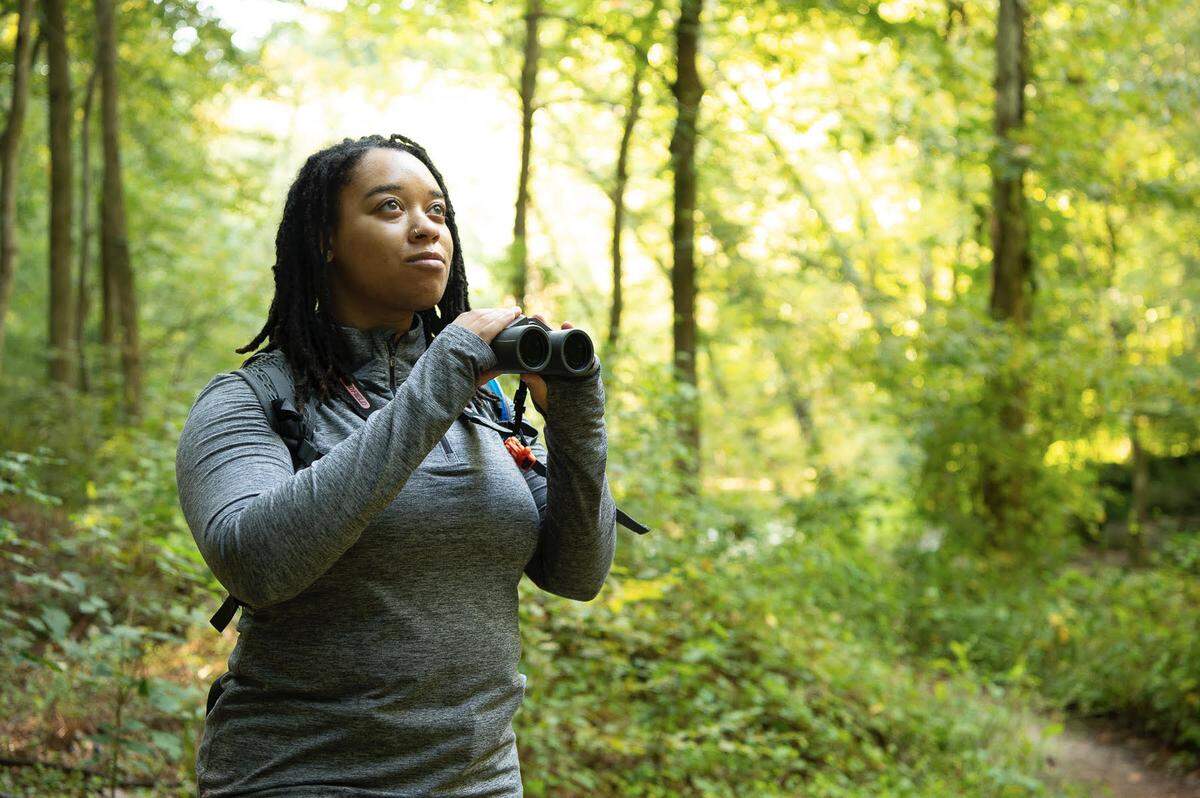
Burgess and Pharr emphasized that they aren’t just working to protect people from marginalized racial groups, but are also considering researchers who have disabilities or identify as LGBTQ — “really anybody from a historically marginalized group,” Burgess said.
The Field Inclusive team hopes that its training module will include steps that advisers and organizations can take on the front end to ensure that their researcher is safe in a remote area. That would include making sure that whoever the researcher reports to is familiar with where they are sending people and also familiar with whoever might be around the site.
“Sometimes it can’t be avoided to be out in the field by yourself but I think there’ s a lot of legwork that can be done to make sure a site is safe,” Burgess said.
Field Inclusive will host a series of online events from Jan. 15 to Jan. 21 to help field biologists network, discuss various aspects of safety and talk about their work. For more information, go to www.fieldinclusive.org.
This story was produced with financial support from 1Earth Fund, in partnership with Journalism Funding Partners, as part of an independent journalism fellowship program. The N&O maintains full editorial control of the work.
This story was originally published January 11, 2023 at 7:30 AM with the headline "NC State scientists work to raise awareness of Black, disabled field researchers."