
Local EMS agencies need relief. Could this help?
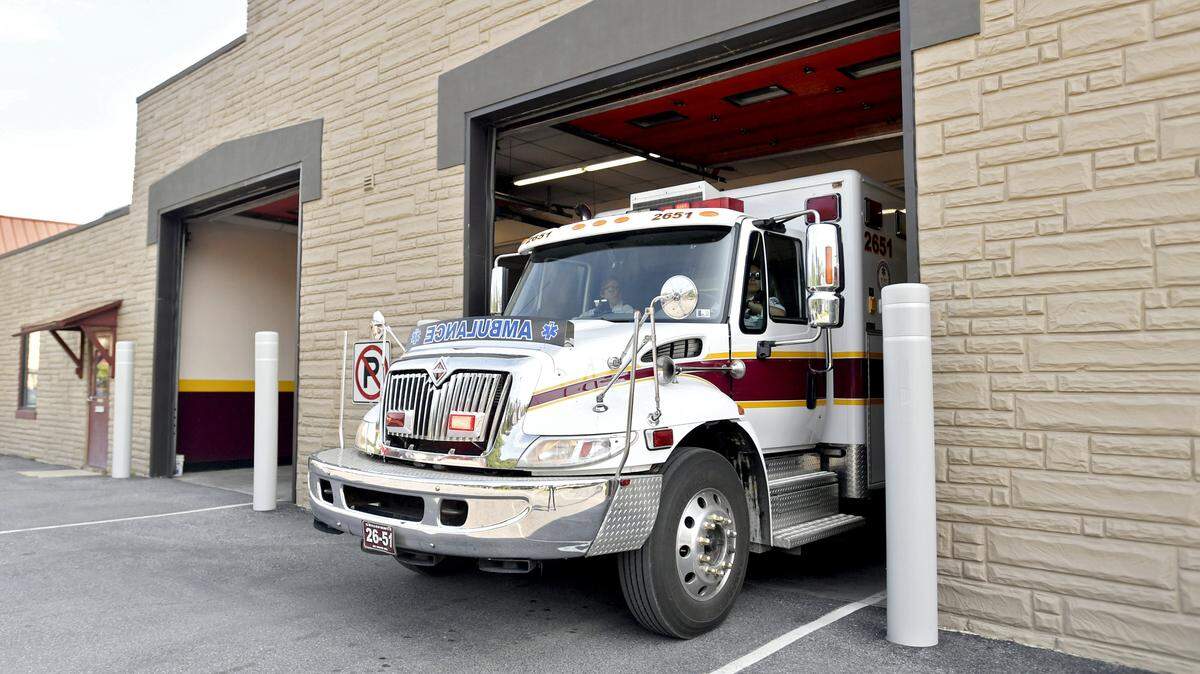
Emergency medical services around the state face significant financial stress, but several bills are making their way through the Pennsylvania legislature that aim to alleviate it, at least somewhat.
Senate Bill 1003 passed in early June, while House Bill 1013 passed in late May. Both seek to require insurance companies to reimburse EMS agencies for services provided even when a patient isn't transported to the hospital. SB 1003 has been referred to the insurance committee in the House, and HB 1013 has been referred to the banking and insurance committee in the Senate.
A statement from Geisinger Health Plan said the insurer is reviewing the proposed legislation.
"We look forward to continuing to work with lawmakers and the EMS community to ensure quality services are available to those who need immediate care while ensuring appropriate standards are in place for programs providing coverage for EMS treatment without transporting patients to a health care facility," the statement said.
Rural EMS providers, such as Penns Valley and Snow Shoe EMS, are responsible for the lives of citizens, state Rep. Mike Hanna, D-Lock Haven, said in a statement. "Sometimes they provide essential services without a trip to the hospital and these companies should be reimbursed for these considerable costs."
Scott Rhoat, Bellefonte EMS executive director and chief, said EMS has progressed to be able to do a lot more advanced treatment at the scene, with diagnostic tools and the ability to communicate with an ER physician by radio or cellphone.
"We're saving the health care system by not clogging up the emergency room needlessly for patients that won't get a benefit, but at the same time, EMS is going out, responding, assessing, treating the patient ... and, at this point, we're getting zero reimbursement for that so we have 100 percent expense," he said.
Rhoat said any improvement would be a "great help."
Of the 2,300 calls that Bellefonte EMS receives a year, on average, Rhoat said about 200 of them don't require transporting the patient to the hospital.
The cost for an average call is $550, he said, which includes both direct and indirect costs (staffing 24/7 waiting for calls, electricity at the station, vehicle maintenance, etc.).
SB 1003 would also require Medicaid to reimburse for calls that require treatment but not transport.
"Doing so further levels the playing field and provides greater support for Pennsylvania's EMS crews and the good work they provide for our citizens," state Senate Majority Leader Jake Corman, R-Benner Township, a supporter of the bill, said in a June 6 press release.
But that might be easier said than done.
Colin Day, press secretary for the state Department of Human Services, said in an email: "The department understands the issues facing EMS providers, and EMS providers play an essential role in our health care system and saving lives. Unfortunately, the federal Medicaid program does not pay for ambulance transportation services when EMS agencies offer treatment without transportation, so federal funding would not be available for such services."
A third proposal, House Bill 699, which passed the House and is waiting for a vote in the Senate, would increase the Medicaid reimbursement from $120 to $180 (for calls that do end up at the hospital). Rhoat said that while that might seem like a hefty price hike, the reimbursement hasn't increased at all since 2004 — and before that, the most recent increase had been in 1987.
So really, he said, that increase would only cover 30 percent of the cost of providing the service, rather than the 20 percent it covers now.
The bill also doesn't include a mechanism for regularly reviewing that reimbursement, so Rhoat said the next reimbursement increase might not come for another 20 years.
"While the increase is much appreciated, it's a constant struggle and a constant fight — and we're always bailing water and losing," Rhoat said.
He said the bills on the table are small steps in the right direction toward a "meaningful solution" to the financial and staffing challenges that EMS providers face.
This story was originally published June 23, 2018 at 2:13 PM with the headline "Local EMS agencies need relief. Could this help?."