
Should Centre County increase its hotel tax? An ordinance is moving forward
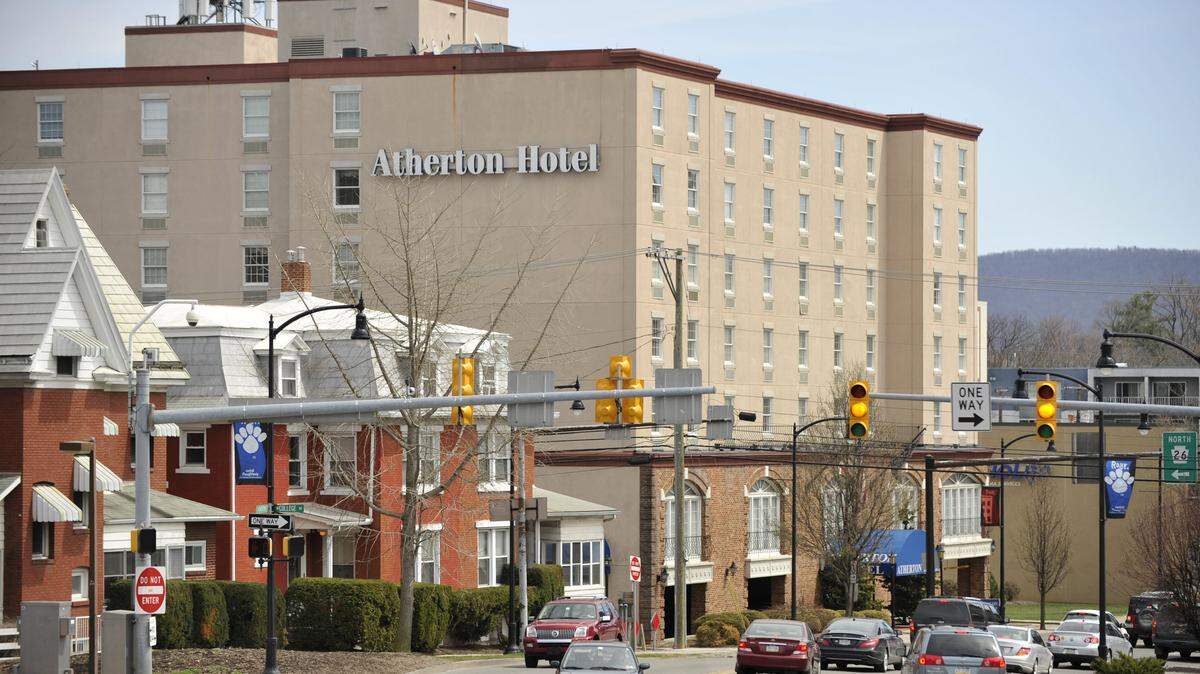
A hotel tax increase is on the horizon for Centre County, as the Board of Commissioners approved consideration of a new hotel tax ordinance Tuesday.
A vote of consideration allows 10 days for the public to review the proposed ordinance and bring comments and questions or request changes at the public hearing Feb. 5, during the regular meeting of the Board of Commissioners.
The proposed ordinance, which would go into effect April 1 if commissioners vote to approve it, raises the current hotel tax of 2.5 percent to 5 percent.
“...The market of recreation and visiting different places has changed,” Board of Commissioners Chairman Michael Pipe said. “This ordinance does a really good job of capturing as much as possible in terms of the fairness of the fees ... this is a really good step forward.”
County Solicitor Elizabeth “Betsy” Dupuis said the county added a few definitions to the second draft of the ordinance, including one that defines “cabin” as a year-round rental with running water and sanitary facilities, and a broader definition of marketing. The county also updated a section about signing up for the tax collection process with the treasurer.
Another section in the new ordinance adds an increase in the administrative fee for collecting the hotel tax, from 2 percent of the total collections to 4 percent.
Through that administrative fee increase, Pipe said, the county could quadruple the amount of money it receives for processing the hotel tax, from $40,000 to about $160,000.
The vote came on the same day that Act 109 of 2018 went into effect. Per the law, a booking agent that facilitates the short-term booking of an occupancy on behalf of a hotel operator located in Pennsylvania must now charge, collect and remit hotel occupancy tax on the rent collected, according to the state Department of Revenue. That means Airbnbs and other homesharing platforms must pay a 6 percent hotel occupancy tax to the state.
Commissioners tried to allay some concerns about the county hotel occupancy tax increase brought up at previous meetings.
“Unless you’re going to rent a hotel room in your home county, you personally will not be paying this tax,” said Commissioner Mark Higgins.
Pipe also said new marketing paid for through the hotel tax will try to focus on bringing people in on non-Penn State Game Day weekends so that local law enforcement and emergency services won’t be overly burdened.
The hotel tax money is also going — through the Central Pennsylvania Visitors and Convention Bureau — to local nonprofits that help attract tourism to the region.
“Twenty percent of the hotel tax in Centre County is set aside specifically for nonprofits, and now other groups, that provide events. Things like Grange Fair... like Heritage Days up in Philipsburg ... the (Central Pennsylvania) Arts Festival,” Higgins said.
Commissioner Steve Dershem said he would love to use some of the money to bring larger events to Centre County, like the Winter Hockey Classic.
“I think that’d be great for our economy and ... put State College on the map,” he said.
But some residents expressed concern about the way the hotel tax ordinance would be enacted.
Mark Huncik, a State College resident and president of the Highlands Civic Association, said the county should work with the CPCVB to collect the tax wisely and try to “defray” visitor impact to communities.
“We believe that all operators — whether they be traditional hotels or the new ... homesharing hosts — should provide lodging in a responsible and safe manner for everybody, by properly registering and paying the required taxes, by ensuring the security of their patrons, by preventing impacts to the quality of life in their neighborhoods and by making sure their operations and occupancy are consistent with local ordinances and zoning,” he said.