‘We can never really adapt.’ Centre County teens cope with a pandemic school year
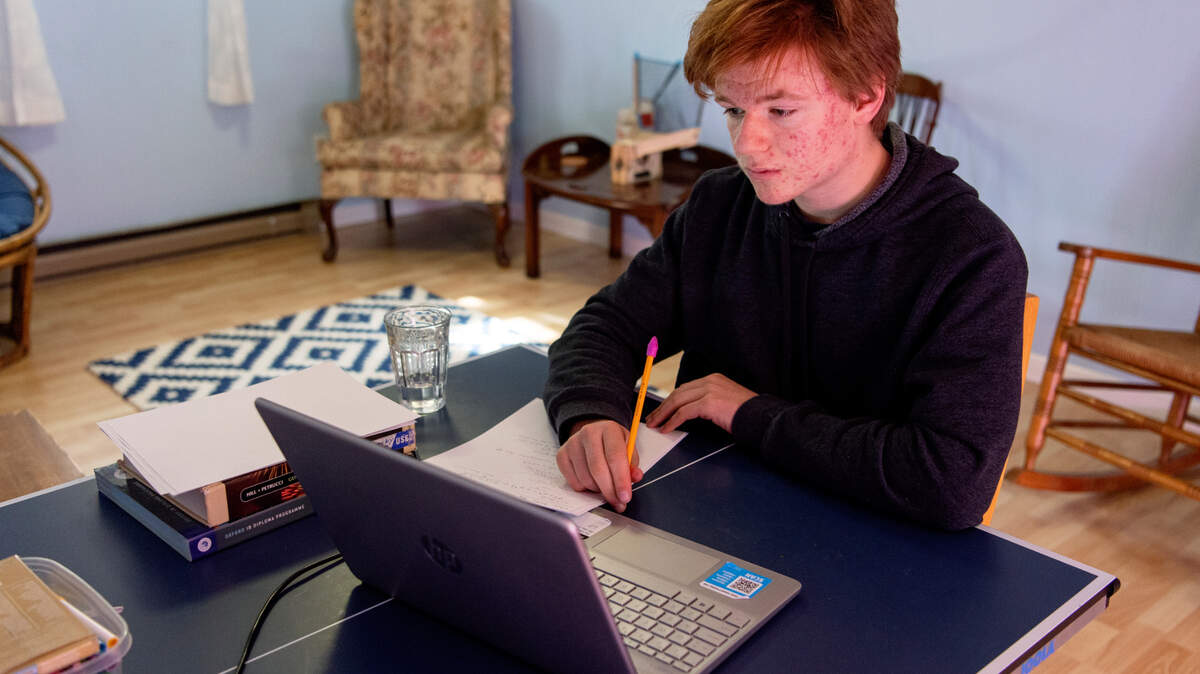
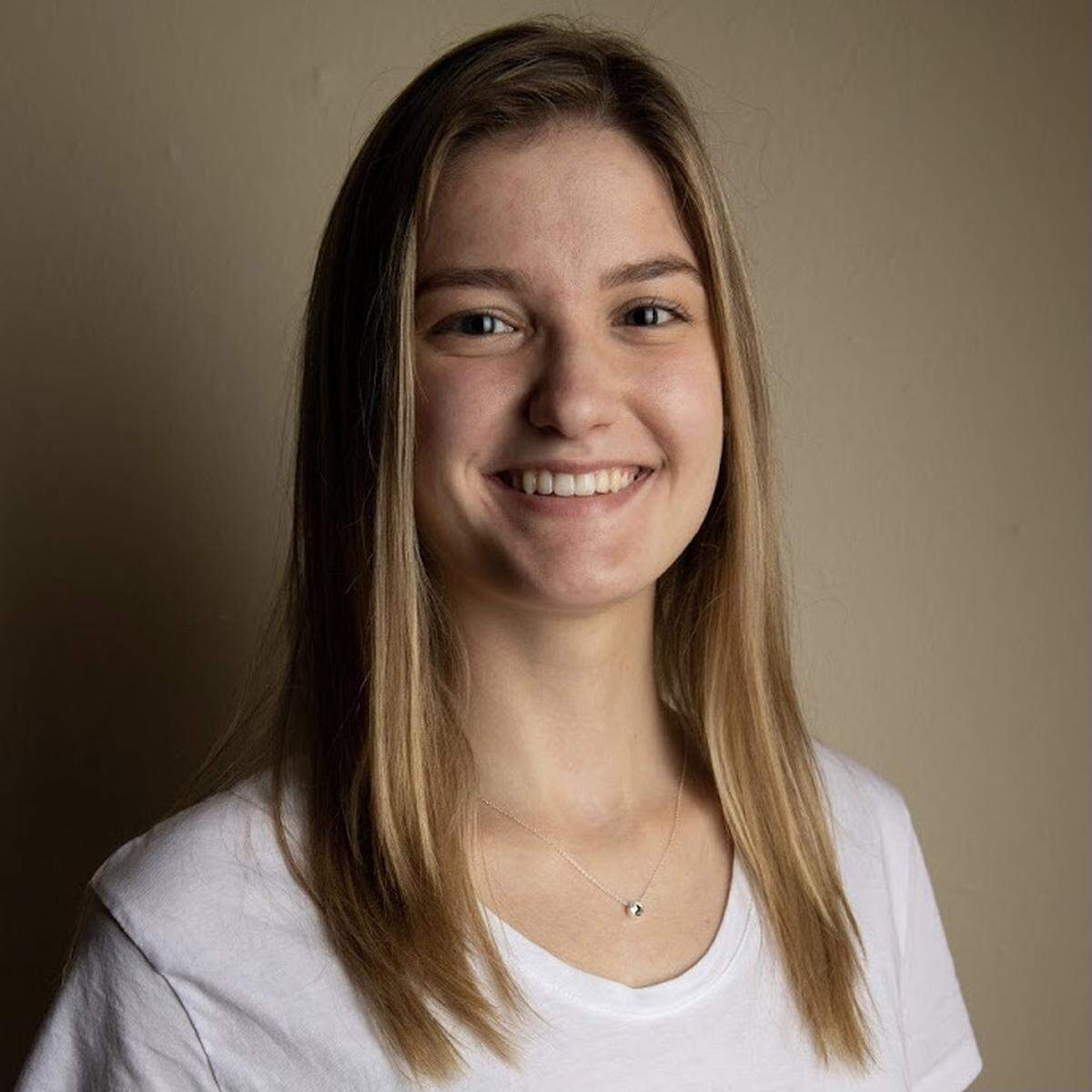
Maddie King has spent her entire senior year at State College Area High School in front of her computer, learning apart from her friends and wondering if there will be any normalcy for their milestone events.
It’s been nearly eight months — not to mention the three months she spent learning virtually in her junior year, during the onset of the COVID-19 pandemic — and it hasn’t gotten any easier.
King thinks students have handled the changes well despite the great shift in the learning environment.
“It feels like a loss, but it’s a loss that we’re all experiencing,” King, 17, said.
In Centre County, each school district has different options for students to take their classes. Throughout the year, schools have pivoted to virtual learning when COVID-19 cases were on the rise, and some students have selected to stay remote throughout the year. Either way, mental health has grown in focus for schools across the county and the nation as students cope with pandemic stressors.
King is one of approximately 720 State High students learning remotely this school year.
According to Chris Rosenblum, director of communications for the State College Area School District, 1,303 students are learning in person and 152 through the school’s virtual academy, as of Friday. The in-person model is a hybrid format, so students alternate days in the classroom and learning remotely.
King chose to learn remotely for the safety of her family. She also stepped back from her position on the field hockey team, which was a “heartbreaker.”
During the pandemic, King said mental health has been a big topic of conversation among her peers.
“We can never really adapt to this because we’re young people, and we love to learn together,” King said.
Paul Brigman, State College Area High School counselor, said there has been a “noticeable increase” in student visits to counseling during the pandemic.
State High students have access to a program titled “integrated mental health,” which allows them to speak with private therapists, state psychologists and community providers. In addition, the school partnered with Penn State to bring master’s-level mental health interns to work with students and expanded the resources in its Office of Equity and Inclusivity.
“Whether it’s in person through online meeting tools, phone calls, we’ve certainly as a department tried to make ourselves as accessible as possible,” Brigman said.
For State High senior Kyle Hynes, the pandemic learning experience has been “surreal.”
“It’s much harder to feel engaged and to actually pick up and learn some of the content,” Hynes, 17, said. “I feel like it’s crazy that even for someone like me with so many resources, it can be so disruptive.”
Hynes added that his peers have lost motivation throughout the pandemic and thinks there has been a direct impact on mental health.
“That’s just a consequence of what we’ve done for this school year and the way that we’ve handled it,” he said.
Of the 74 districts nationwide that responded to a February Reuters survey, 74% reported multiple indicators of increased mental health stresses among students. More than half reported rises in mental health referrals and counseling.
Keeping up with coursework
Brigman said there has been fluid movement in which learning options students utilize from week to week. Although some students “thrive” in the asynchronous learning format, Brigman added that the school has struggled with student engagement, which is why having the different educational models is key.
“It’s been difficult for some of them to log in to keep up with coursework at the rate they are expected to because they aren’t in a classroom environment, and they really have to manage the sort of time management responsibilities on their own,” Brigman said.
Staff members are teaching students who are in the classroom simultaneously with students who are tuning in online, so there’s less direct peer-to-peer interaction and small group discussions. Additionally, there are varying degrees of at-home support for students because many parents work during the day, Brigman said.
Regarding students’ grades, Brigman said it’s hard to compare this year to previous years because changes were made to the semester schedule and grading system.
But Scott Graham, Bald Eagle Area School District superintendent and pandemic coordinator, said that many students saw grades suffer with the virtual classrooms. Some of them returned to in-person classes and performed “much better.”
Karen Bossert, Penns Valley Area High School counselor, said adaptability to the changes brought on by the pandemic varies by each student’s individual situation, such as their home dynamic or educational model.
“It’s just definitely different,” Bossert said. “You can definitely tell that the pandemic is weighing on them.”
Senior year staples
With updated Centers for Disease Control and Prevention guidance and eased gathering restrictions from the state, schools are in the process of planning milestone events for seniors that will likely look a bit more “normal” than 2020’s events, including prom and graduation ceremonies. Last year, Bald Eagle held an outdoor, socially distanced graduation ceremony and parents organized an off-campus prom.
“I really feel bad for seniors,” Graham said. “And considering everything that’s occurred, the students have really, overall, been very positive.”
For King, not having a graduation ceremony would be like running a marathon, nearing the finish line and having the race canceled.
Currently, State High is planning for a limited capacity ceremony June 5 at Memorial Field. A prom following social distancing guidelines is set to be held May 22 at Memorial Field.
“It’s inspiring and ... beautiful to see families, educators, administrators, students all come together to work through a challenge like the one we’ve been presented with, and to come out on the other side healthy and well together,” Brigman said.