
Vet services are in high demand in Centre County. But has there been a ‘pandemic pet boom’?
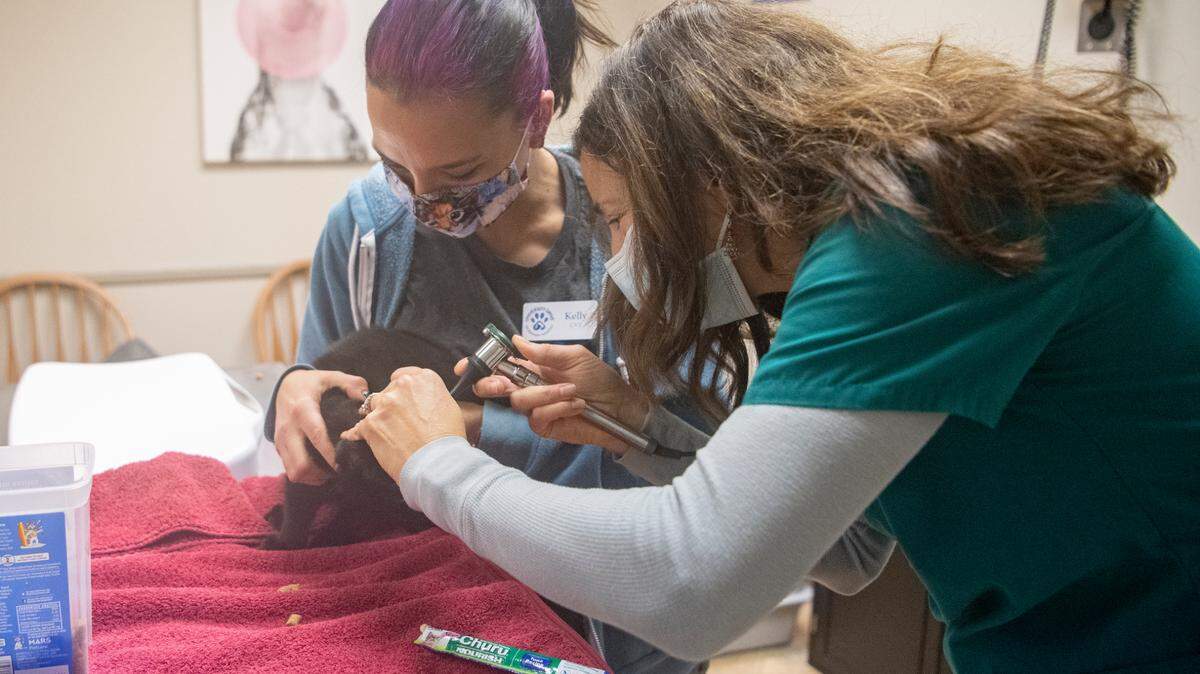
With more families staying home over the course of the COVID-19 pandemic, more households welcomed new pets than in years prior, a phenomenon that’s been dubbed the “pandemic pet boom.” According to one study from the American Pet Products Association, more than 11.3 million U.S. households welcomed a new pet during the pandemic.
But while getting homeless pets placed with families is always a positive thing, the “boom” wasn’t all easy — or as clear-cut as it might seem at first glance — in Centre County.
“We definitely saw a large increase in cat adoptions and a large increase in fostering,” said Lisa Bahr, executive director of Centre County PAWS. “People were home more, willing to help out and open their home up to another pet without having to take on the financial responsibility, since a lot of that was quite uncertain. A lot of people’s jobs were uncertain, so they were able to take on a pet without assuming the expense.”
During the first year of the pandemic, PAWS saw approximately 100 more cat adoptions as compared to typical years. At one point, Bahr said, the organization saw more demand for foster animals than it had available animals for fostering. And while stray surrenders have returned to pre-pandemic numbers, and fostering has waned in popularity, Bahr said that PAWS hasn’t seen an influx of new pandemic pet parents returning their adopted animals as they return to work.
“There’s a lot of misinformation being shared that, all of a sudden, all of these pets that were adopted during the pandemic were returned and that’s absolutely not something that we’ve seen and that’s not what the national trend is,” she said.
Wanda Crosby, owner at Wiscoy Pet Food Co., agreed.
“In the beginning, people talked about, ‘Oh, I’m worried that all of these animals are leaving the shelters; are they just going to be returned?’ If the pandemic had finished in three months, that might have been true. These animals have now been with (their new homes) for over a year. It’s not going to be true.”
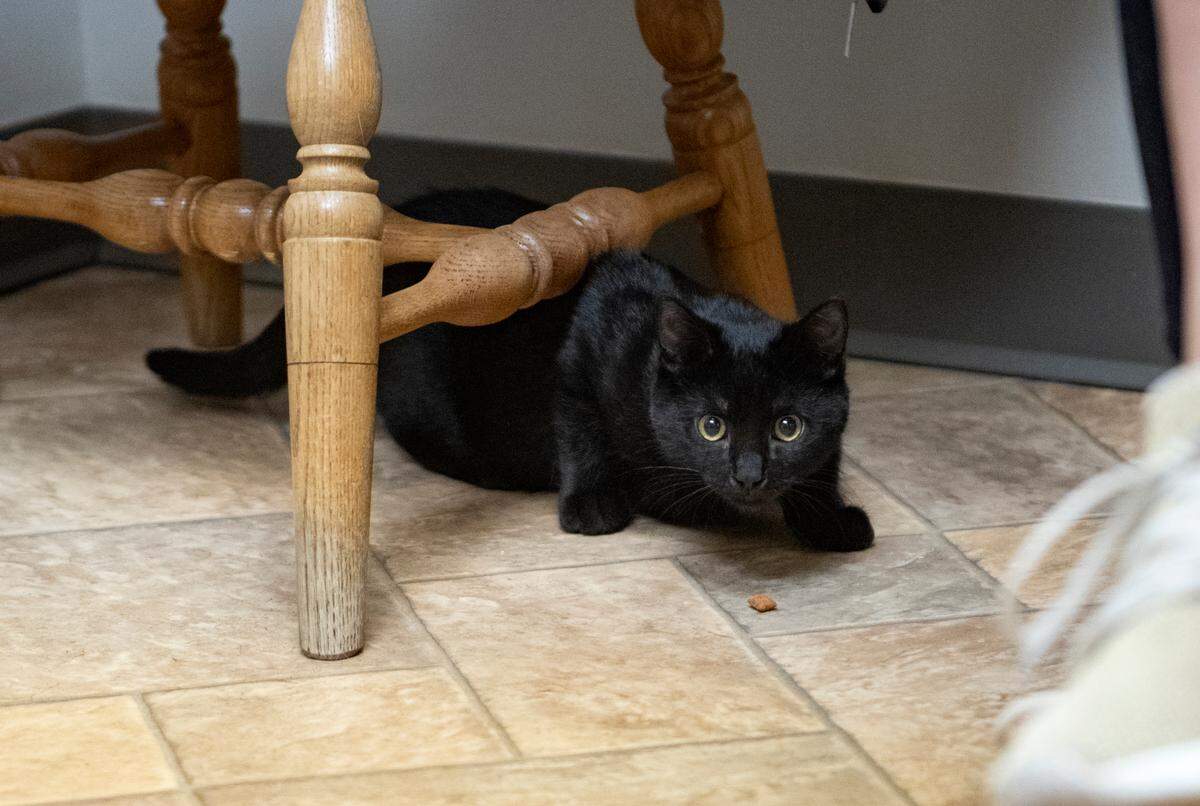
For her customer base, Crosby said she’s seen more pet parents taking advantage of their extra time at home to enhance the way they spend time with their pets, whether that’s a long-time furry member of the family or a new adoptee.
“(The pandemic) elevated an owner’s ability to take care of, participate with and even enjoy their animal. As soon as they were at home, working at home more, and the kids were at home more, it opened up this capacity for time that was very, very different. So now they weren’t just walking the dog morning and night; they had an opportunity to do so in the middle of the day,” she said.
However, Crosby is quick to note that she believes the pandemic pet boom was possibly overstated. Among her customers, new adopting pet parents were likely to be those who’d already been considering adoption pre-pandemic.
At Wiscoy Pet Food Co., Crosby and her team have experienced the same labor challenges that most businesses have, as well as challenges in the pet product supply chain. Beyond these challenges, though, with more pets placed with families, more demand was likewise placed on vets. It’s a trend that Bahr has noticed with new adoptees, and Crosby said she’s seen the same thing within her customer base.
At VCA Metzger Animal Hospital, Dr. Fred Metzger said, “We saw an unprecedented increase in patients because of the pandemic, partly because we are a 24-hour, general, referral and emergency practice. Many veterinary hospitals decreased their office hours due to the pandemic and underlying labor shortage in the industry created a huge increase in cases for us.”
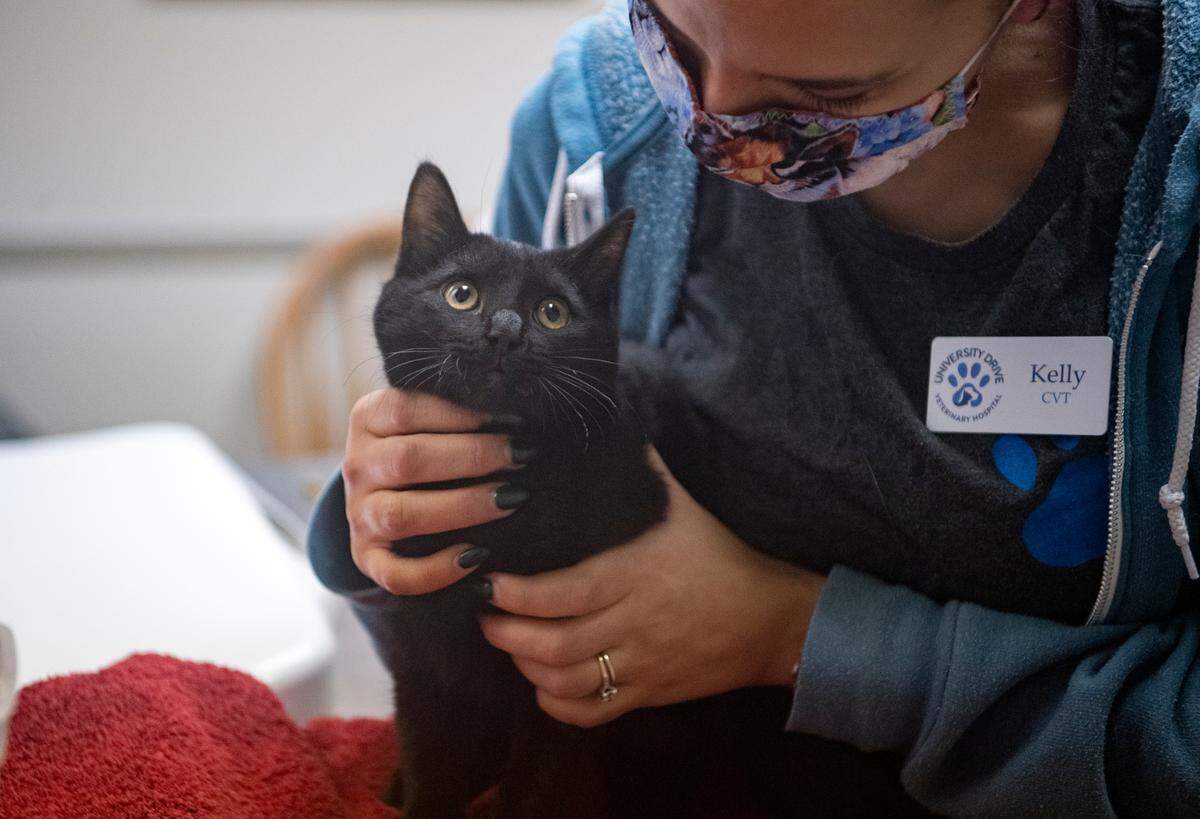
At University Drive Veterinary Hospital, Dr. Sue Lincoski noticed an increase in appointments related to pet parents simply being around their pets more.
“Owners are much more attentive,” she said. “This was a big trend. They were home to notice things that they may have missed, seeing subtle things. That was great for the pets. They also seemed to be more willing to do workups when problems arose; perhaps they were seeing the value their furry friends bring during an otherwise bad situation.”
However, she said, “sometimes people were a little too attentive and quite a few nipples were mistaken for ticks.”
Looking to the future, pet parents can expect a continual high demand for vet services, but, luckily, many vets are adjusting their practices to expand offerings. At VCA Metzger Animal Hospital, for example, a new 24-7, tele-triage live chat is free for all prior clients, accessible via a mobile app.
Meanwhile, Bahr and the entire team at PAWS hopes to increase dog adoptions, while keeping cat adoption numbers high. PAWS recently launched a Home for the Holidays promotion, which allows adopting pet parents to save 50% on kitten adoption fees, while no adoption fees will be charged for adult dogs or cats.