Homelessness is ‘very real’ in Centre County, made worse by the pandemic. What are solutions?
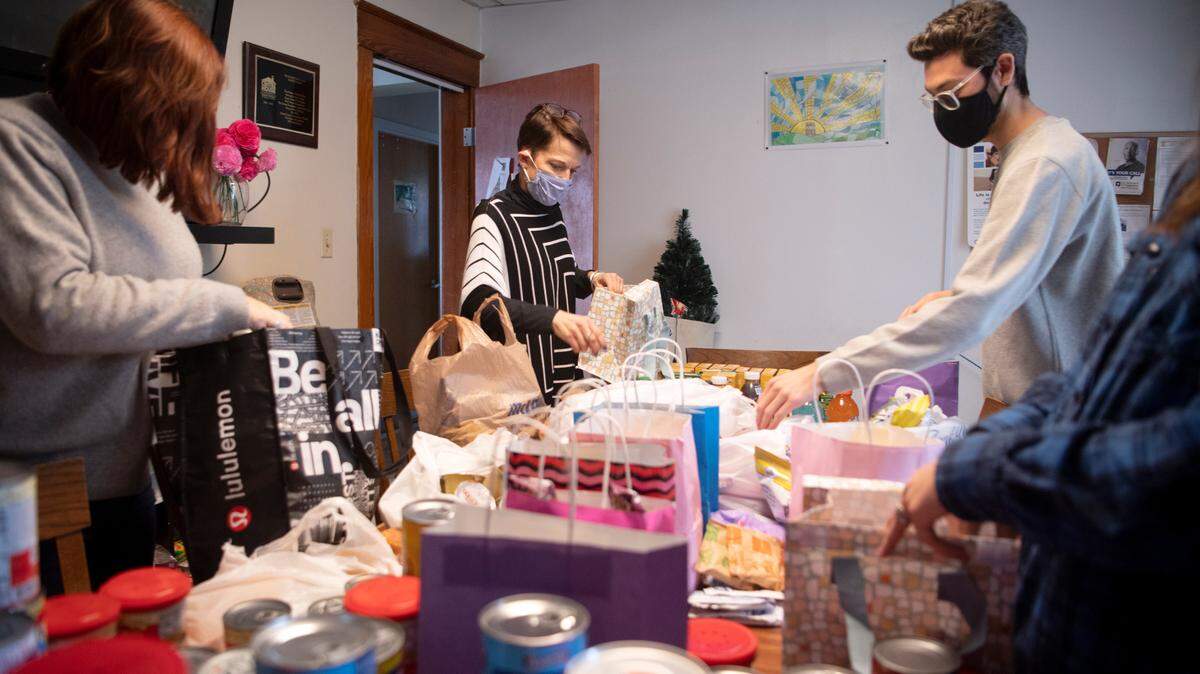
The Centre Helps hotline is meant to deal with “any problem, any time,” and during the COVID-19 pandemic, a growing number of those calls came from people who simply had no place to go.
In 2019, Centre Helps had 386 cases that dealt with housing emergencies, executive director Denise McCann said. In 2020, that number jumped to 621 and there were 604 calls in 2021.
Homelessness has always been an issue in Centre County, but has been exacerbated by the COVID-19 pandemic, Faith Ryan, director of the county’s Office of Adult Services, said during a recent board of commissioners meeting, calling it a “crisis.” Hotels are being used because homeless shelters are at capacity, she said, as human service agencies and nonprofits look for potential solutions.
“Homelessness has not been ... something that’s visible in Centre County and certainly in State College. It’s become that a little bit more over time, but when you have the resources and you can’t turn people away, you shine a light on something that’s already existing,” Ryan said. “That’s really what we’re seeing right now.”
There are many factors that can lead to homelessness. Morgan Wasikonis, executive director of Housing Transitions, said that often people are working, have a place to live and can pay their bills, but they haven’t had an opportunity to save money. Then, something happens that causes them to be out of work.
People are a lot closer to being homeless than they might think, she said.
“...Somebody gets in a car accident and they can’t get to work because they have to get their car fixed and the car costs a lot of money to get fixed. And so, they might lose their job because they can’t get to work anymore. It’s things like that, that kind of pile up. Most often it’s people that are just, you know, kind of going paycheck to paycheck, they’re probably doing okay, but something happens ... and they’re not able to keep up,” Wasikonis said.
During the pandemic, adult services received millions of dollars in rental and utility assistance through the Emergency Rental Assistance Program 1 and 2, a county-administered program that offers rental assistance and housing stability services during the COVID-19 pandemic.
Ryan said they’ve received over 3,000 applications from about 1,800 unique households. Because of the heavy lift of processing so many applications, the department has expanded, growing from three to 16 in the less than six months.
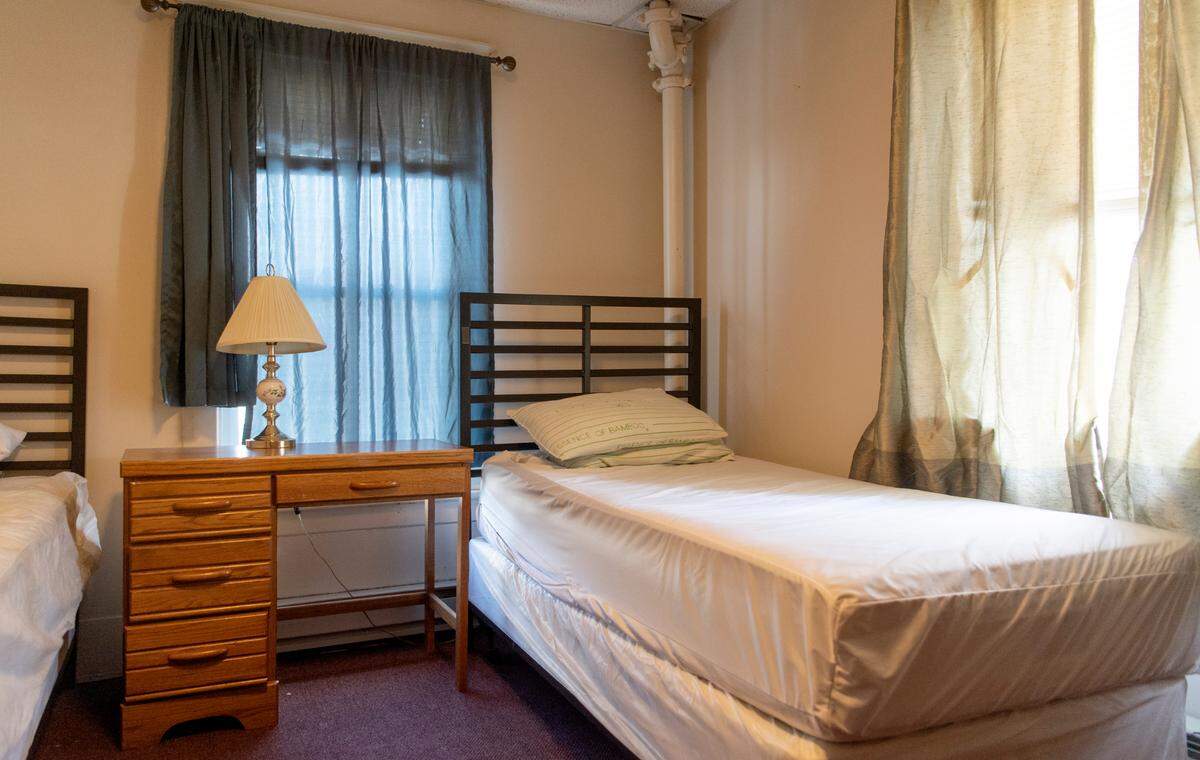
Shelters are limited, maxed out in Centre County
Centre County has a handful of facilities for people without housing, though all are based in State College. Centre House and Out of the Cold: Centre County are homeless shelters and Centre Safe runs a domestic violence emergency shelter. The Centre County Youth Service Bureau operates the Burrowes Street Youth Haven Shelter and Supportive Independent Living.
Each has limitations and some have hit capacity during the pandemic.
For shelters like Housing Transitions’ Centre House, capacity varies based on if they’re housing families or not. It focuses on housing families, as well as individuals, but usually 20-30% of the population they serve are children under the age of 18 with their families. Through the pandemic, hotel use funded by pandemic relief dollars has allowed them to serve more people.
“Because we allow children in our congregate shelter, there are some criminal background histories that aren’t appropriate with kids being here. Then also people need to be addressing their addiction or mental health challenges usually, so we’ve been able to serve some populations that sometimes we wouldn’t have been able to have in our congregate shelter but being in hotels, it’s been OK, so we’ve been able to do that. And I hope that we’ll be able to keep using hotel rooms occasionally,” Wasikonis said.
The biggest population of people Centre House serves, age wise, is the 18-34 age range. She said that age range is usually when people have unstable relationships, their jobs aren’t as secure, they’re navigating through budgeting and being able to pay bills.
Out of the Cold: Centre County, an emergency, low-barrier shelter, has had to limit the number of people in the shelter due to space and staffing shortages. Kendra Gettig, interim director of OOTC3, said as of early February, they were working with 28 guests — 20 in the overnight shelter, five in hotels and three people who are in a transitional apartment.
OOTC3 provides overnight shelter through its partnership with local faith congregations, rotating from site to site every couple of weeks. A day shelter is located at 318 S. Atherton St., where guests can meet with case managers and have a place to stay during the day. OOTC3 recently purchased the building, with plans to turn it into a permanent shelter.
Once they’re in the permanent location, Gettig hopes to expand the number of guests they can serve, but the staff team will need to be expanded as well, she said.
She estimated that they’re averaging close to double the number of guests compared to two years ago.
“It’s hard to fully know how much of that is directly related to the pandemic. I mean, early on, a lot of our people worked in the restaurant industry and lost their jobs whenever restaurants shut down. So that’s certainly led to an increase in numbers,” Gettig said. “But I also just think, if you look at substance use and mental health numbers, I think the pandemic has caused added stress, so a lot of the barriers that homeless individuals already face, those things are heightened, which I think is leading to additional homeless people.”
How many people are without housing?
It can be difficult to know exactly how many unsheltered people there are in the county. But each year, the county’s Office of Adult Services and housing nonprofits take part in the Point-in-Time count. A count is taken of the sheltered (living or residing somewhere that is not habitable for humans, such as a car, in an RV without utility hook ups or on the street) or unsheltered homeless. In 2020, 128 unsheltered or homeless individuals on the streets and in shelters were counted.
Mel Curtis, Anti-Hunger Program director for YMCA of Centre County, said they meet a lot of people who are living in their car through the food distribution events. He recalled a staff member meeting someone who had been living in a car and hadn’t had any type of vegetables in four or five months.
Food insecurity in the county is increasing, he said, because the number of people served at food distributions continues to grow. In 2021, they put 3.4 million pounds of food into the communities across Centre County.
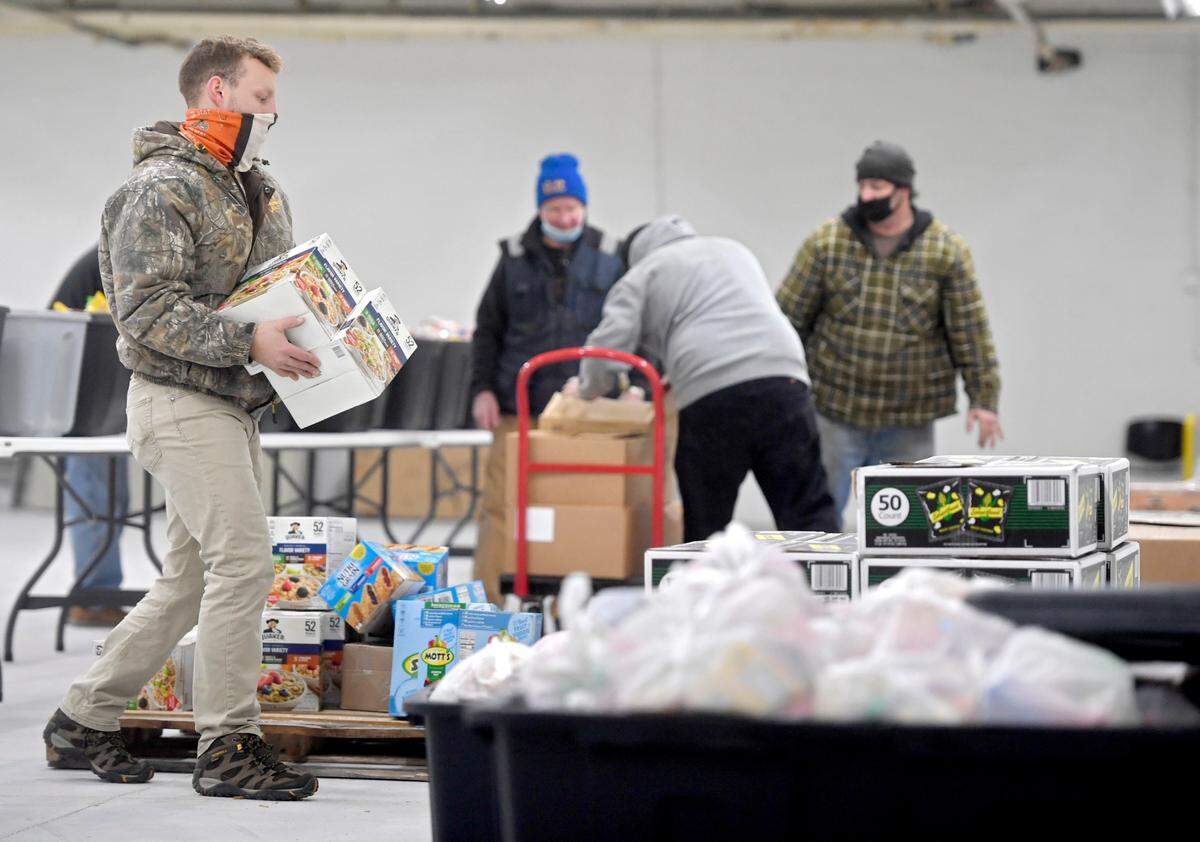
“The average person looks at that and says, ‘No, that’s totally impossible’ because they honestly don’t believe there’s a hunger issue and they don’t believe there’s a homelessness issue, either,” Curtis said. “But we do know, during the summer, there (were) people sleeping in ... Sidney Friedman Park and places like that. So, yeah, it’s here. It’s very real.”
People living in cars can’t stay parked in one place for too long, or they’ll risk getting a ticket. Curtis said some live in areas outside of communities, in the “nooks and crannies” in the mountains.
This year’s Point-in-Time count will happen Thursday, Feb. 24; it was canceled last year due to the pandemic.
Identifying the problems and solutions
For those who work directly in human services in Centre County, low-paying jobs and the cost of housing are major factors to addressing a concerning situation.
According to the National Low Income Housing Coalition, Pennsylvania’s Fair Market Rent for a two-bedroom apartment is $1,037. In order to afford this level of rent and utilities — without paying more than 30% of income on housing — a household must earn $3,458 monthly or $41,494 annually. In Centre County, a $19.40 hourly wage is necessary to afford a two bedroom apartment with fiscal year 2021 Fair Market Rent, it states.
“No matter how (many) gains we might be making on jobs paying $15 or so an hour, they’re still not quite cutting it,” McCann said.
Gettig said the cost of a rental property here is “ridiculous.”
“Many of our people are only able to work a minimum wage or a low paying job. And you just can’t afford rent in this town at a minimum wage or a low paying job. So finding a way to have more affordable rental properties would be really helpful,” she said.
Then, once people are in housing, Gettig said they need help to be successful, such as mental health or substance use support.
An issue people may face when they’re searching for housing is many landlords don’t allow their renters to own pets, McCann said. Pets also can’t be brought to shelters or hotels, so they’ll just choose not to go, rather than give up their pet.
She said they’re starting to build a program with Centre County PAWS, so pets can be taken to a safe place while the owner is in a shelter or getting help. They won’t relinquish ownership, they’re just temporarily giving them up until they get back on their feet, McCann said.
“We’re really excited about it. We’re in the very, very, very beginning stages of this. But if we can get something off the ground, I think it’ll be one less barrier for people (and) then being willing to get help,” she said.
Ryan said people from all walks of life who are in a transitional period — like childhood to adulthood, the loss of a family member, divorce, loss of employment — turn to adult services in their crisis for support. What adult services is looking to do is to develop a response to helping people address the crisis that they’re in and offer more comprehensive case management.
There’s also been a lot of reflection and looking at trends.
“Taking more time to be available and kind of meet all the different types of needs that are coming to us is really kind of our focus,” Ryan said. “...But to be quite honest, part of it has also been trying to figure out what the need is to begin with. We can’t build a program if we don’t know what the problem is.”