Here’s when to see the rare alignment of 4 major planets and the moon in State College
A gathering of four planets like the one set for Thursday hasn’t happened since 2004, and won’t come around again until 2040.
Venus, Saturn, Jupiter and Mars will appear to line up in the sky Thursday morning after clustering seemingly close for the past few months. The same morning, viewers can see the crescent moon join the group.
The best time to see the planetary event is about 45 minutes before sunrise. The sun will rise around 5:39 a.m. in State College Thursday, June 23, so you’ll have to get up early if you don’t want to miss the rare lineup.
The four planets will appear to increasingly scatter over the next few months, according to NASA, and Venus and Saturn are set to move out of view for most morning stargazers by September.
While it’s not uncommon for two or three major planets to appear close to the human eye, witnessing a gathering of this scale is a treat.
You won’t need a telescope to watch the planets line up, but you’ll want to find your view of the eastern horizon by about an hour before sunrise to make sure you don’t miss it.
What other sky views can you see this June?
If you haven’t had your fill of planetary fun after this gathering of major planets, check out globular star cluster M13.
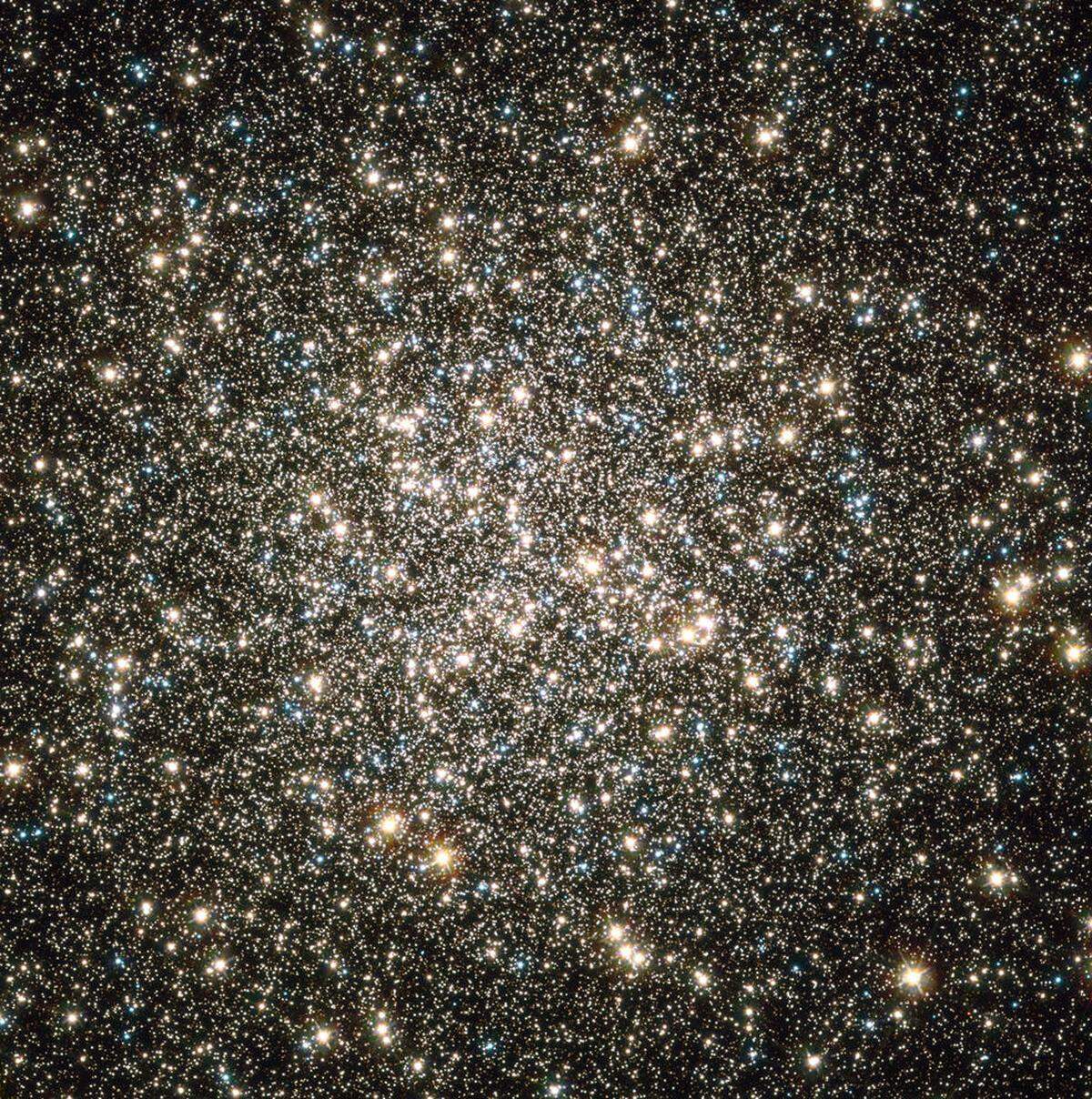
Also known as the Hercules Cluster, M13 is a collection of hundreds of thousands of stars, which experts estimate are more than 12 billion years old.
While the planet alignment the week of June 23 can easily be viewed with a human eye, you’ll need binoculars or a telescope to see M13. For those using binoculars, the cluster will likely look like a small hazy spot.
Telescope viewers will get a closer peek at M13, and may be able to make out more of its stars. You can also get a glimpse of M13 in July.
The Milky Way is home to about 150 known globular star clusters, NASA says, and they orbit outside the galaxy’s disc.
You can check out the Night Sky Network to find astronomy-related events in your area. There’s nothing on the calendar near State College Thursday, but there’s a “star party” and a constellation tour set for later in the month.
This story was originally published June 22, 2022 at 2:54 PM.