Historic barn owned by Penn State will be demolished unless $500K is raised over next 2 months
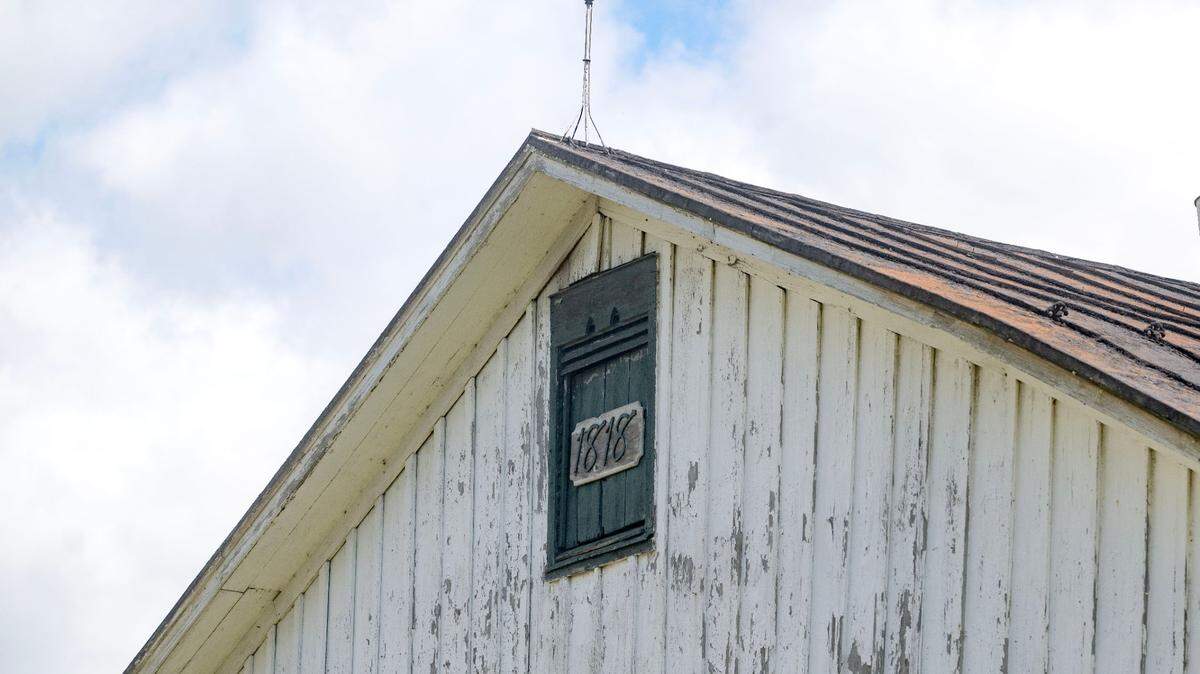
For about 200 years, Centre County’s historic Kepler Barn has stood just west of Pine Grove Mills. The original structure was believed to be erected in 1818, the same year First Lady Mary Todd Lincoln was born, which would mean it’s served as a landmark through all but the first four U.S. presidents.
But, as early as this summer, it could be demolished and reduced to a memory.
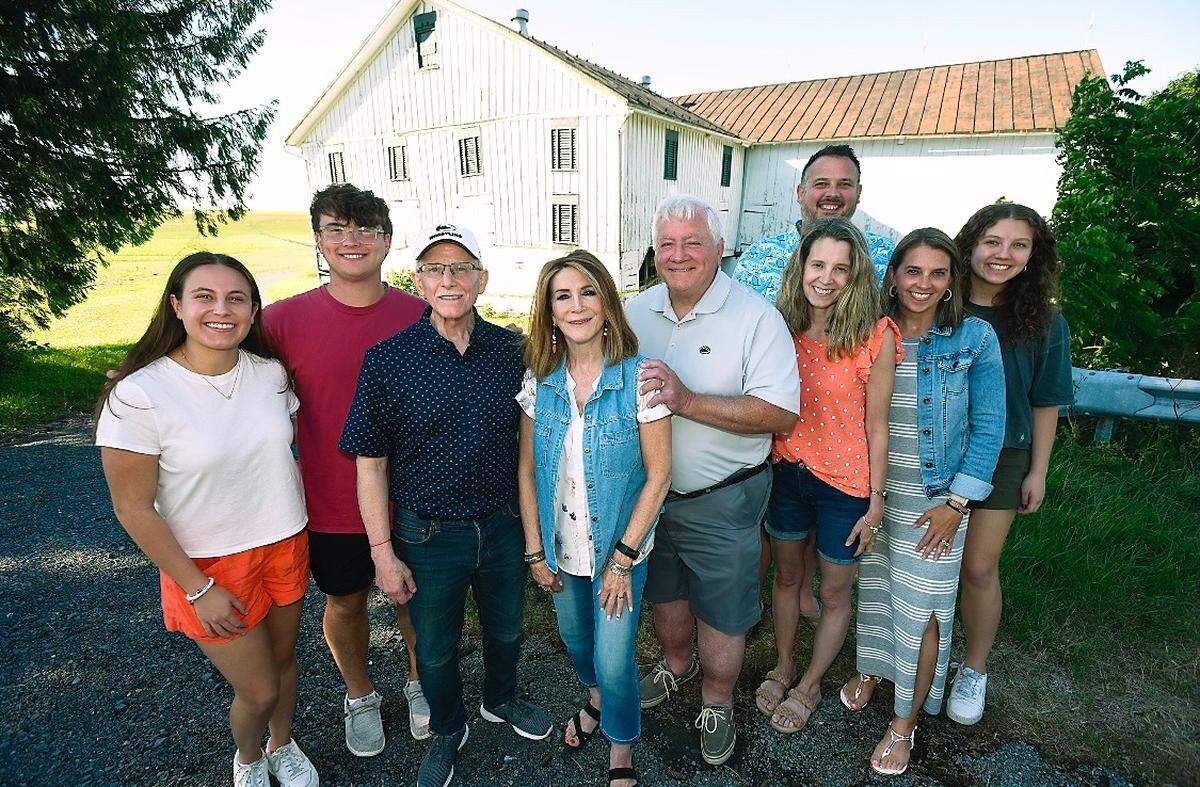
That’s why Vicky Kepler Didato, the great-great-great granddaughter of the farm’s early owners, is teaming up with the Historic Barn and Farm Foundation of Pennsylvania — and other community members and organizations — to save the barn that added a considerable expansion around the time of the Civil War. They point to the importance of preserving history and the understanding that, once this is gone, all the regret and hindsight in the world won’t bring it back.
“You can’t rebuild history. You know what I mean?” Kepler Didato told the CDT. “You can’t.”
Penn State, which purchased the property in 2006, has given organizers a deadline of June 1. If they can’t raise $500,000 by then to stabilize and preserve the barn, it will be removed.
The first official fundraiser and information session on Kepler Barn and farming pioneer Millie Kepler — a widow who ran the farm from 1929 through the 1970s — will take place from noon to 2 p.m. March 30 at Pine Grove Hall.
“There’s just so much to that barn that makes a statement,” said Priscilla deLeon, president of the Historic Barn & Farm Foundation of Pennsylvania (HBFF). “And, for Millie Kepler to go through what she went through as a woman back in the day, without a husband, and to turn that barn around into a productive entity that won awards, it’s just — I admire her greatly.”
Why could it be demolished?
Forty-three years before the passage of Title IX, and three decades before women could open their own bank accounts, Millie Kepler ran the farm after the death of her husband in 1929.
Her obituary — from April 30, 1990 — explained she died at the age of 93 in a nursing home. And her death helped set the current events in motion.
Millie’s granddaughter inherited different properties, which included a farmhouse and the historic barn. But the land changed hands two or three more times, culminating in a man who purchased the farmhouse for a quiet retirement and then sold the barn and surrounding land to Penn State in 2006.
That property is now part of the 2,000 acres that make up the property around the university’s Russell E. Larson Agricultural Research Center. Penn State did not appear to have much interest in the barn at the time of purchase, and it mostly sat there, undisturbed but without repairs — until Kepler Didato, who lives in Ohio, learned about three years ago of Penn State’s plans to tear it down.
Kepler Didato, the great niece of Millie Kepler, told the CDT that she learned from neighbors that some wrote letters to Penn State or involved Ferguson Township over the years but never made significant progress. So when she reached out to the HBFF, “that’s when all of this took on a life of its own,” she said, and the university began a more open dialogue.
About a month ago, it finally gave Kepler Didato and Co. the go-ahead to try and raise the money to save the barn. Facing financial straits of its own, and potentially closing a number of commonwealth campuses, the land-grant university did not appear eager to spend $500,000 on its own.
“Following an on-site meeting last summer and subsequent discussions, the University has agreed — at HBFF’s request — to support their fundraising efforts aimed at stabilizing the Kepler Barn,” a university spokesperson told the CDT in a written statement.
“HBFF will lead the fundraising efforts with the agreed upon goal of $500,000 to stabilize and preserve the barn, which will be supplemented by University funds that were earmarked for the barn’s removal if the fundraising goal is met. This figure was agreed upon by both parties after considering the overall current condition of the barn.”
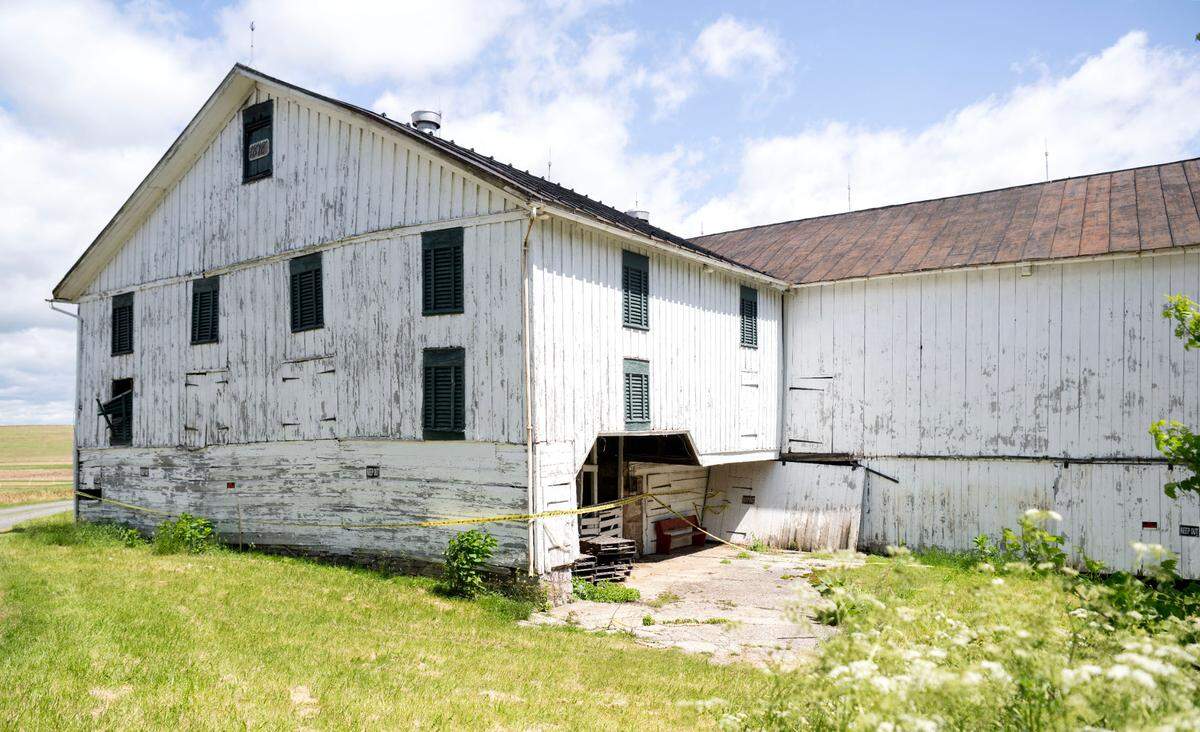
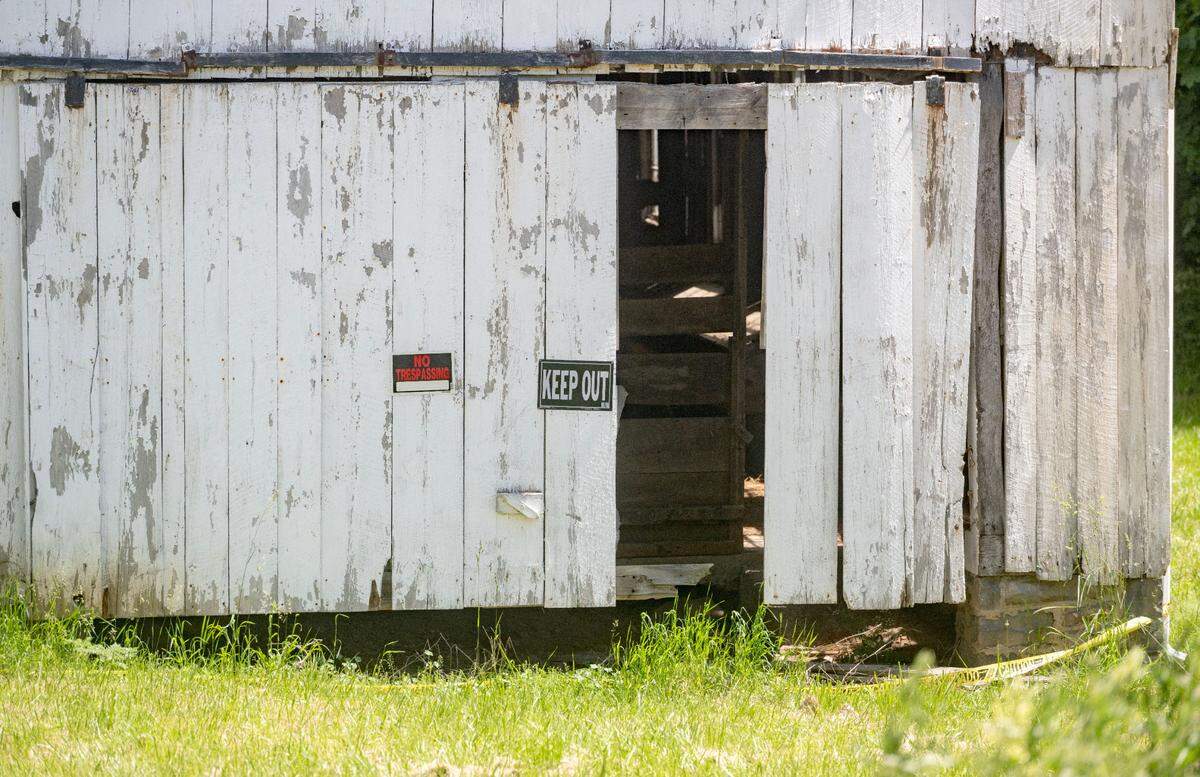
If the target goal is not met, the university will demolish the historic barn, which now has caution tape wrapped around the vicinity due to its crumbling structure. In its place, Penn State would want a historical sign or commemorative plaque to recognize its legacy, and the university is also in the midst of developing “an exciting digital storytelling initiative” that starts with the Kepler family and farm.
Still, other organizations would prefer to see the barn still standing at the end of the fundraising deadline — even if they remain understanding of the circumstances.
“Every historic structure tells an important story,” Mary Sorensen, executive director of the Centre County Historical Society, said in an email. “Preserving sites and their history is a delicate balance between practicality and responsibility and it is helpful to consider this in the broader context of the preservation landscape.”
Why is this important?
The age of the barn — which could predate the founding of Penn State by 37 years — might be the most obvious point when it comes to historic importance. But that’s not the only one.
In addition to rumors of the farm possibly serving as part of the Underground Railroad, it was also home to female farming pioneer Millie Kepler. When the USDA visited her farm for a story during World War II, it even dubbed the widow the “Rosie the Riveter of the farm world.”
By the 1940s, according to accounts at the time, Kepler was annually producing more than 400 tons of potatoes and more than 40,000 quarts of strawberries. And that was after navigating the challenges of the Great Depression, losing her 14-year-old son six months after losing her husband, and being served a bank foreclosure for $20,000.
Kepler Didato didn’t have to look far for inspiration when she first wondered about the odds of raising $500,000 to save the barn.
“I thought this is the spirit, the farming spirit, and the type of woman that she was,” she said. “She was a pioneer in every sense of the word, and I don’t know how she did it. I really don’t. But I woke up that next morning and I said, we’ve come this far and we are not just going to give up.”
Kepler Barn isn’t the oldest barn in Pennsylvania, but it’s among the oldest. The title of “oldest barn” may just belong to Chester County’s Jones Log Barn, which was constructed around 1730. Ironically enough, that barn also faced demolition — before it was saved, disassembled and basically reassembled 20 years later. It reopened in 2022 as a museum of sorts.
“We’re losing them so fast, and they’re never going to be replaced. So it’s important to save the ones we can,” deLeon said. “Penn State started as an agricultural college and, to me, they should be saving barns if they can.”
The Kepler Barn is more than 20,000 square feet and acts as a bank barn, which means the lower level typically housed animals while the upper level served as a hayloft, among other uses. Bank barns were common in Pennsylvania during the colonial era, according to a history book from 1935.
You can see the barn while driving along Route 45 in Ferguson Township.
How to help, donate
The fundraiser at Pine Grove Hall will take place from noon to 2 p.m. March 30, and donation forms will be handed out there. Donors will be given the option of having their funds returned (minus a 5% administrative fee) if enough is not raised or, if organizers fall short of their goals, simply passing the funds along to the HBFF’s other efforts.
Donations are now being accepted online at preservationpa.app.neoncrm.com/campaigns/save-the-kepler-barn. (Due to a technical glitch, the current donation total is lagging and is not accurate.) However, those interested can also send checks and note “Kepler Barn” in the memo to:
Preservation Pennsylvania
1230 N. 3rd St., Suite 1
Harrisburg, PA 17102
Both Kepler Didato and the HBFF are hoping at least one or two “barn champions” might see their pleas and consider making a significant donation, since time is not on their side. U.S. Rep Glenn Thompson, R-Howard, said he’s looking for federal help — but acknowledged time is an issue.
“It’s heartening to see the community coming together to preserve a historical agricultural landmark with a cherished history in the Centre Region,” Thompson said in an email. “My office has been communicating with Penn State on this matter, and we’re looking to identify federal grant opportunities, but it seems that time is of the essence especially when it comes to the local fundraising efforts.”
For more information on Kepler Barn, along with fundraising updates, visit the Save the Millie “Kepler Barn” Facebook page.
This story was originally published March 28, 2025 at 10:14 AM.