Bill that eliminates funding for public broadcasting will ‘significantly impact’ WPSU
AI-generated summary reviewed by our newsroom.
- Congress rescinded $9B in funding, cutting Corporation for Public Broadcasting funds
- WPSU will lose over $1M annually, impacting 20% of its operational budget.
- Cutbacks threaten rural programming, local news, education and safety alerts.
After the congressional decision to cut funding for public media, local public broadcasting systems like WPSU are grappling with how the reduced funding will impact its programming and services to communities, especially in rural areas.
Congress eliminated funding that was already committed to the Corporation for Public Broadcasting over the next two years early Friday after both the U.S. Senate and House approved it. Voting mostly along party lines, the Senate passed it 51-48, and the House passed it 216-213. It now goes to President Donald Trump for his signature.
The “rescission package” was requested by Trump and will take back $9 billion in federal funding for global aid programs and the Corporation for Public Broadcasting, The Hill reported.
A message on WPSU’s site states the vote will take back two years of federal funding that has already been approved for WPSU and the overall system. That equals more than $1 million annually for WPSU, the site states.
The public media station also receives funding from Penn State, and other forms of revenue include donations, royalties and leasing tower space.
Congressman Glenn “GT” Thompson, R, Howard, voted in favor of the bill. He did not respond to a request for comment.
Full impact remains to be seen
Greg Miller, senior director of marketing and communications for Penn State Outreach, said $1 million is about 20% of the operating budget.
“This funding loss will significantly impact the on-air and digital services WPSU has provided to the community for more than 60 years, including educational programming for children, local news and storytelling, and critical public safety communications,” he wrote in an email.
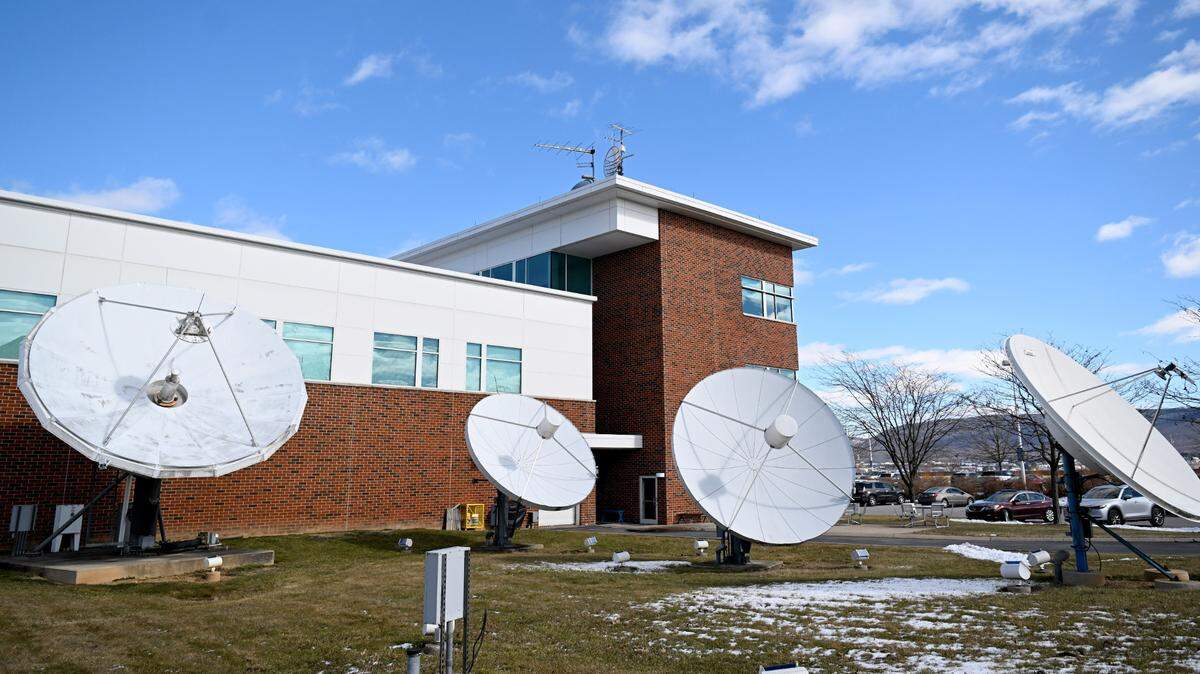
WPSU is a source for news, information and education in a mostly rural service area of 1.3 million Pennsylvanians, its site states. It provides free access over-the-air, cable, satellite and digitally. The studio is located at Innovation Park in State College.
Greg Petersen, a member of the WPSU board of representatives, said the full impact of this remains to be seen. There’s a chance WPSU can get back into the budget during the appropriations process. It’s a heavy lift, Petersen said, but something they’re committed to doing.
The independent nonprofit Corporation for Public Broadcasting distributes federal money to local stations, about $1.60 per person every year. That investment is a “small price to pay” for the quality and services WPSU provides, Petersen said.
“I’m not just talking about the television broadcast or the radio broadcast, but all the things we do online, the events we do out in the communities, the educational assets which are available free to use online, the millions of educational assets and lesson plans and things like that that are freely available through PBS Learns,” he said. “We’re much more than just a TV broadcast station or radio broadcast station. They may be our most forward facing product, but they’re like the cherry on top of a huge foundation that we’ve built up over many years.”
Putting the ‘public’ in public television
An example of programming Petersen gave that he said is reflective of the community WPSU serves is the Our Town project he created in 1996, where they go to different places and had residents tell their town’s story for on-air broadcast. He said they’ve done more than 110 episodes in the series in towns that people likely would not know much about without seeing the documentary.
“It really puts the ‘public’ in public television and I think that’s something we do uniquely,” he said. “While other outlets do news and public affairs, to a certain extent, ... I don’t think they’ve been able to have the reach that we have and the dedication that we’ve had to doing these stories, even in small towns that people haven’t heard of.”
It will be hard to produce local programming at the same level going forward, he said.
Patricia Harrison, president and CEO of the Corporation for Public Broadcasting, said in a statement the vote to eliminate federal funding for CPB will have “profound, lasting, negative consequences for every American.” Many local public radio and television stations will be forced to shut down, she said.
People can support WPSU by becoming a member if they aren’t already, and write to the local members of Congress about supporting public broadcasting.
“While it’s not the outcome we had hoped for, WPSU is grateful for the millions of people nationwide and thousands locally, who voiced their support for public. Obviously, the decision brings with it real challenges to the whole public media system and to WPSU locally, but it also reminds us of why our work — that is done in partnership with our members and viewers — is so vital,” Peterson wrote in an email.
The federal funding cuts are the latest decrease in funding WPSU has faced. Penn State cut its annual budget allocation by 20%, or about $800,000, this fiscal year. Following that going into effect, some layoffs were conducted.