2 ghost towns hide in Centre County’s woods. Preserving their history has become harder
In the game lands west of State College sit two iron mining towns where bands once played, parishioners once prayed and picnickers once ate.
But “town” is a generous description of what remains of Scotia and Tow Hill, whose iron operations flopped over a century ago and whose residents are long dead.
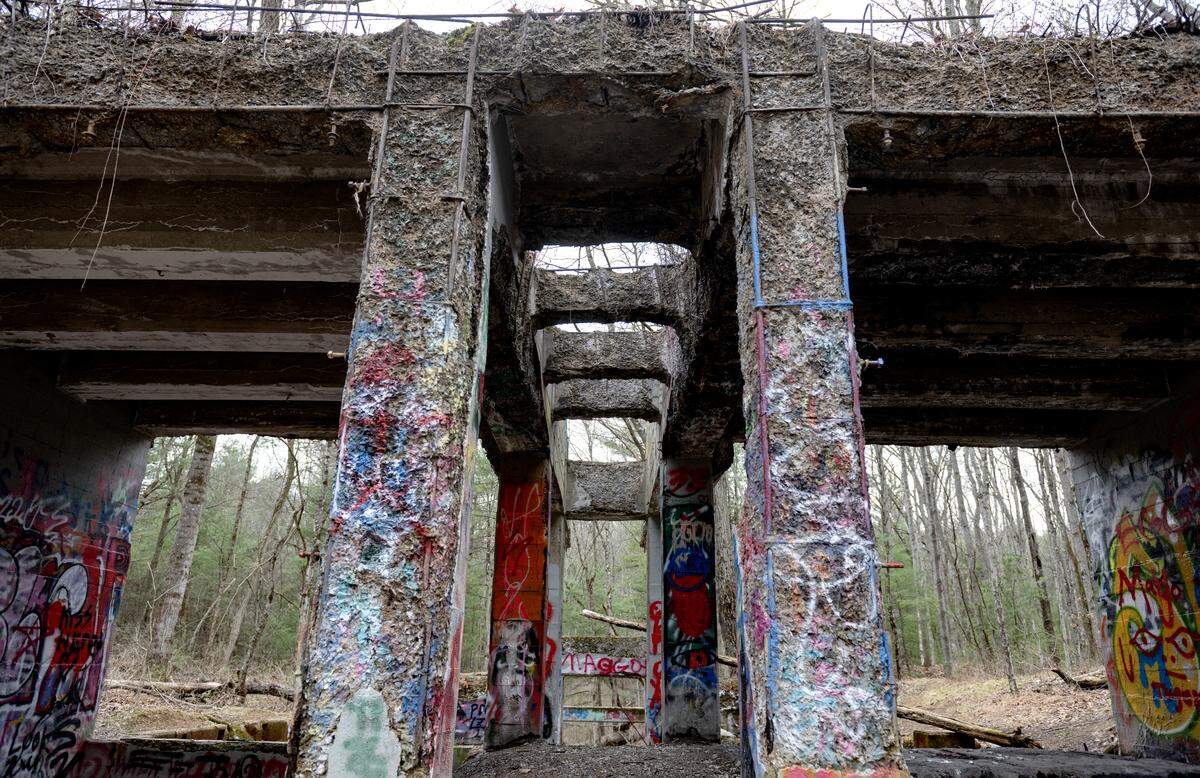
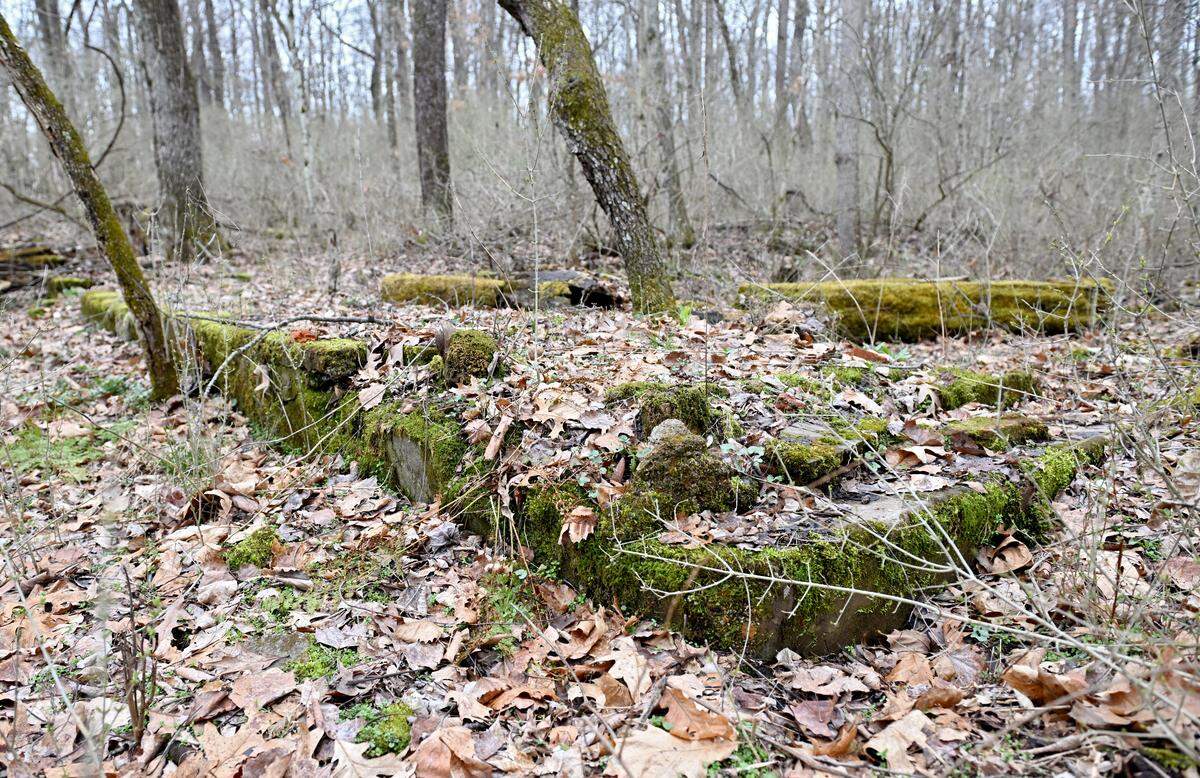
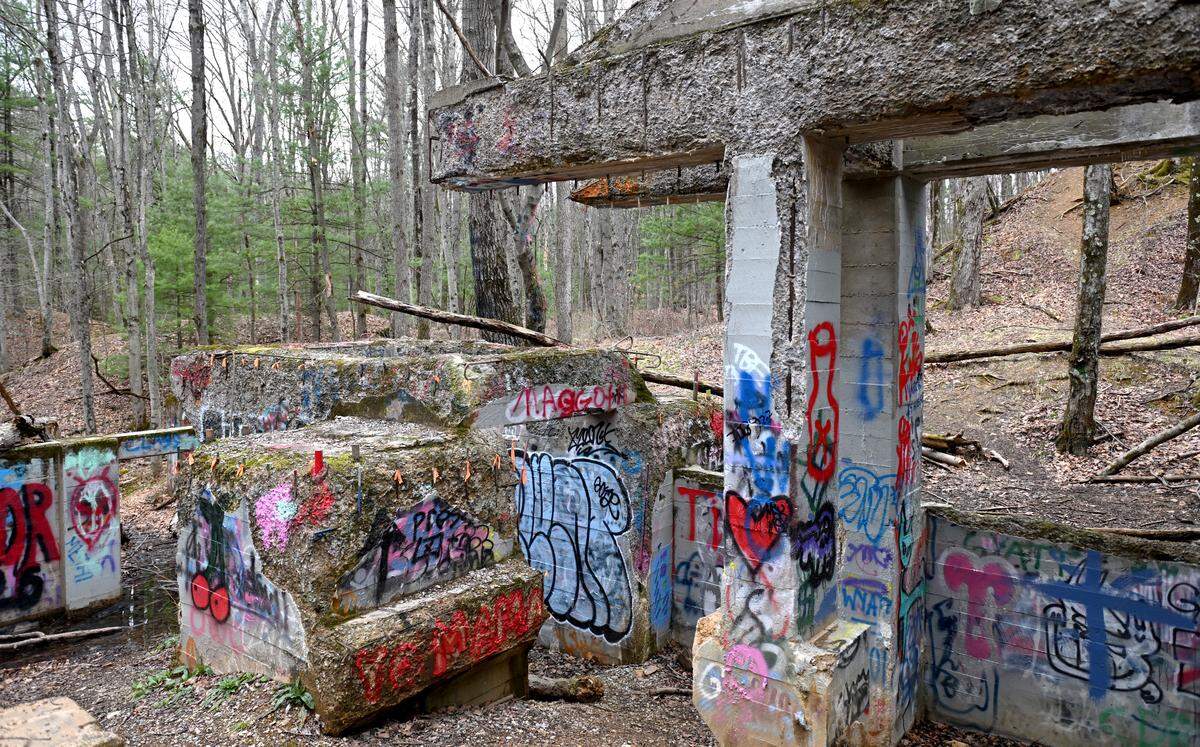
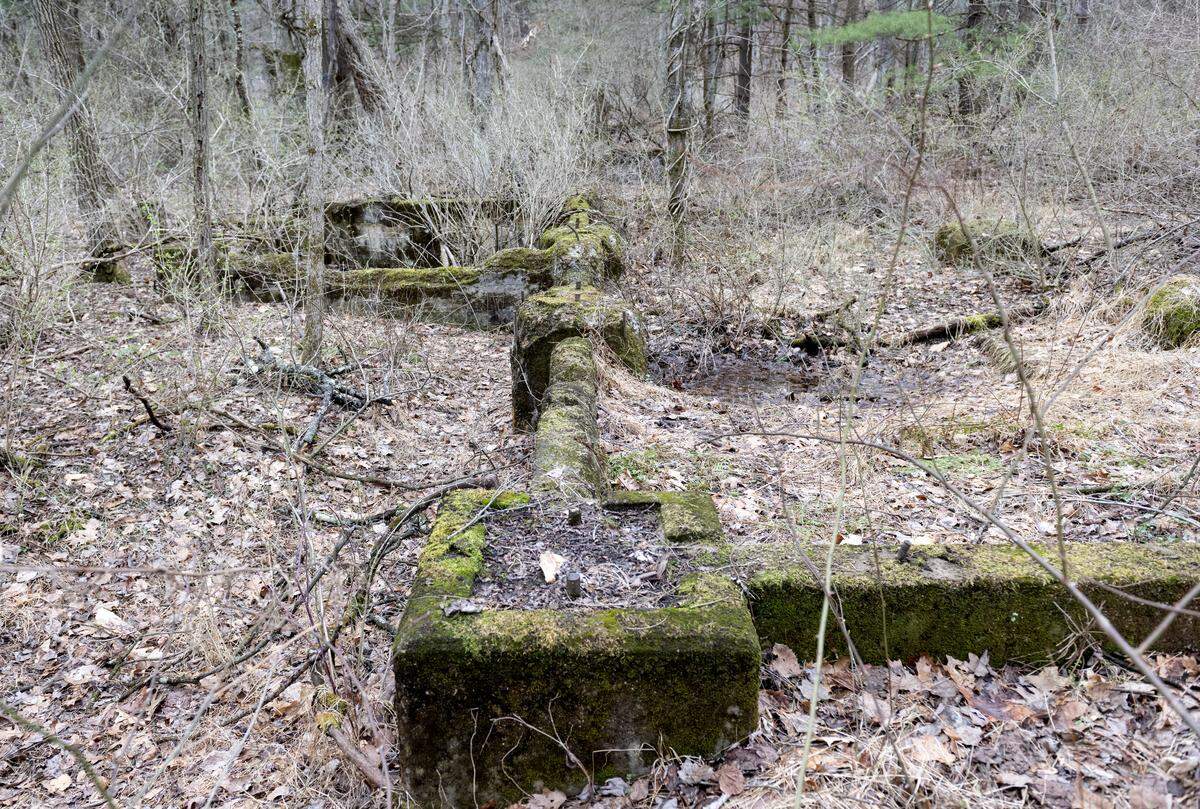
The towns are mostly just trees today, the former with a nearby historical marker of its Carnegie ties, a few stone structures hidden beneath the brush and maybe a ghost haunting the place. A few hundred feet from the ruins of Scotia are some concrete pillars from an attempted wartime revival.
The memories of both towns are being kept alive by one 82-year-old man with an almost-completed manuscript.
“I’m the end of the line,” said Bob Hazelton, a retired engineer and local historian.
The Centre County Historical Society, Director Mary Sorensen said, can only do so much with a small staff and centuries of history to keep across the fifth-largest county in Pennsylvania.
The stories of Scotia and Tow Hill
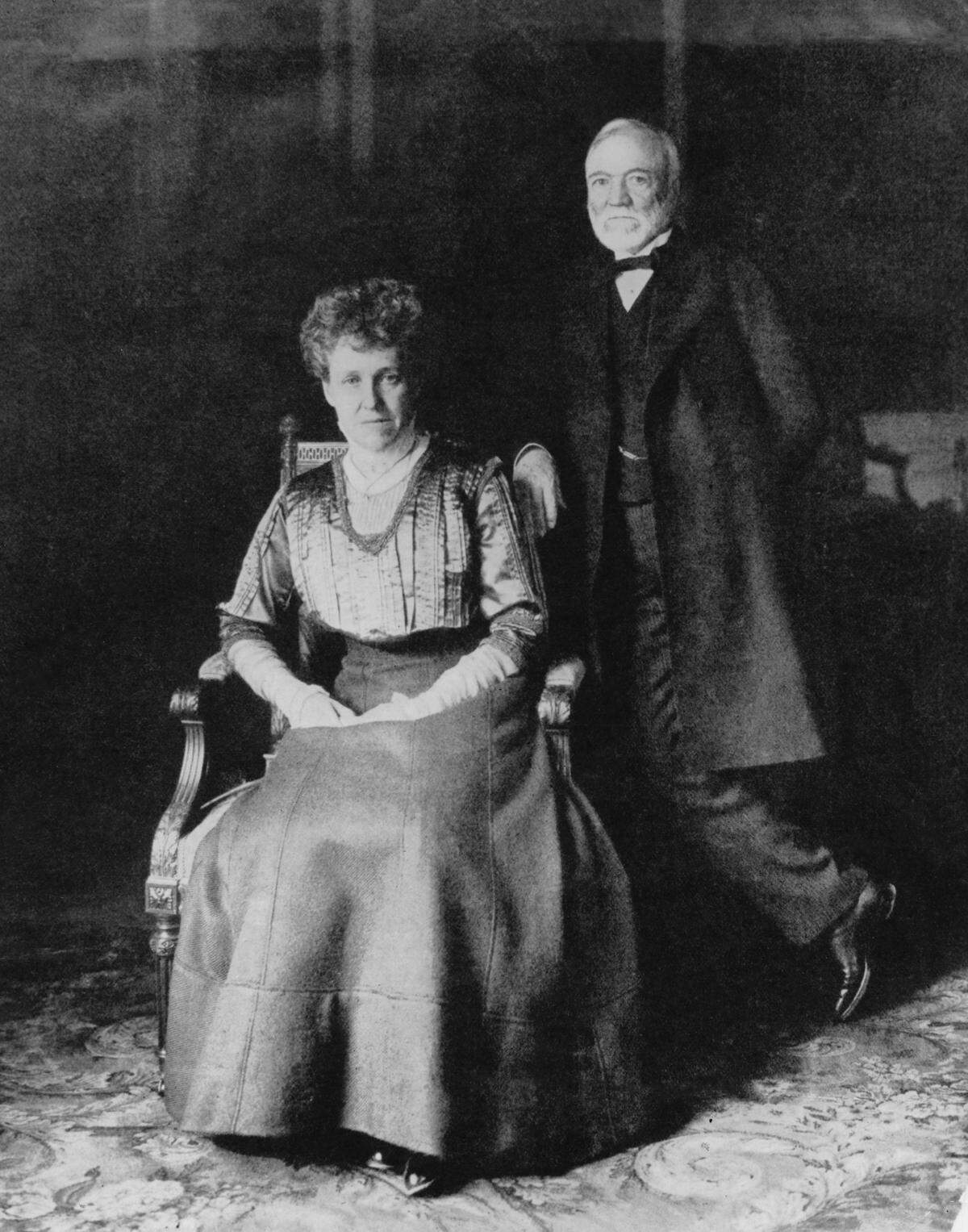
The towns each got their start around 1881, when the industrial titan Andrew Carnegie was looking for new sources of iron ore. Carnegie was already leasing Centre County’s Pennsylvania Furnace iron operation and sent his right-hand man, James Pierpoint, to find a new site.
“Pierpoint sent these five guys out to prospect it, and I’m sure that they ended up at least two places,” Hazelton said. “One was Tow Hill and the other was the River Hill deposit that Moses Thompson had abandoned.”
Carnegie purchased the River Hill site — later renamed Scotia — from Thompson, a businessman best known for bankrolling and selling land to Farmers’ High School. That school is now known as Penn State.
Pierpoint, a member of the Curtin family by marriage, got Tow Hill.
What became Scotia had already been mined for decades, according to the preeminent history of the town written by Harry Williams, a former Scotia resident. Before mining and white settlement, the land was controlled by at least two Native American nations.
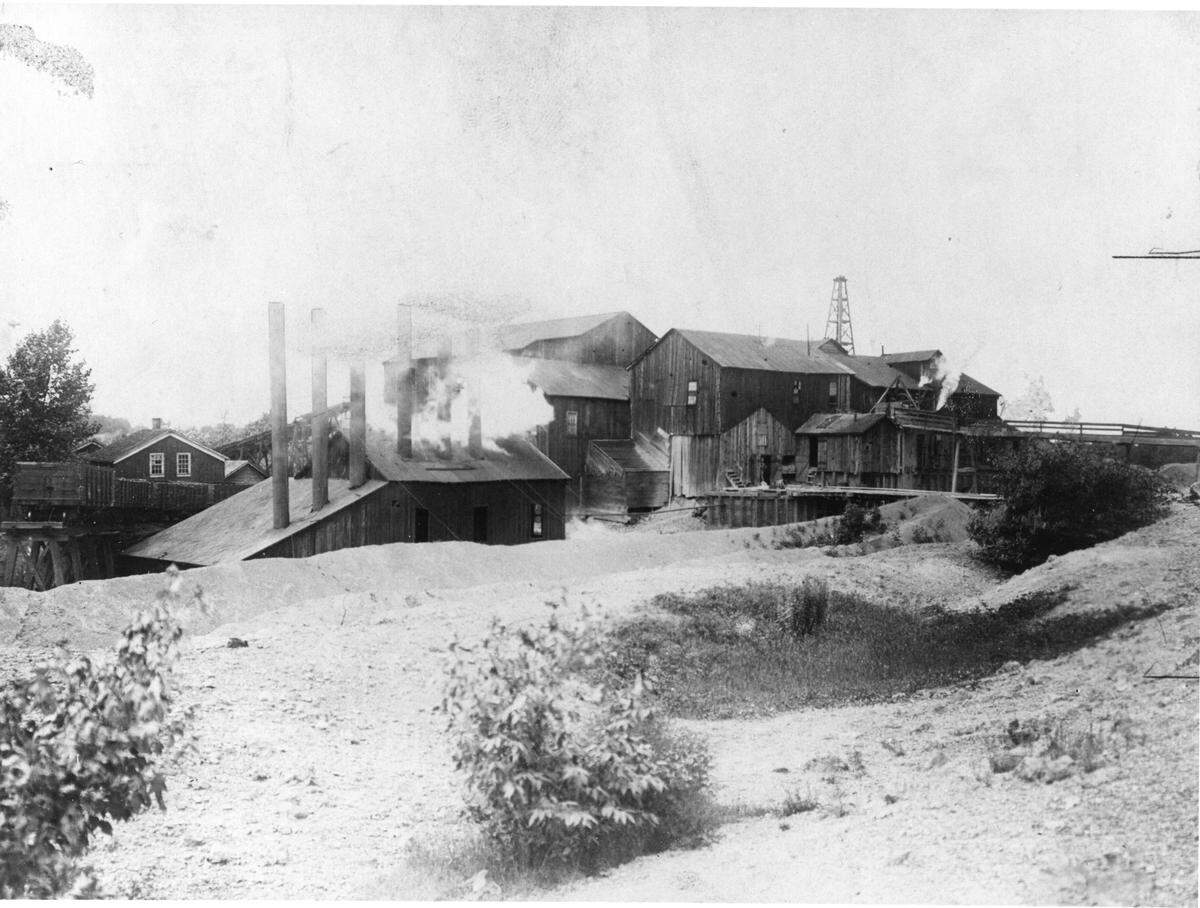
Carnegie brought to his patch of Centre County railroads, buildings and people. He named it Scotia, or Little Scotland, after his homeland. His operation was so significant that two nearby mines shuttered and moved their equipment to Scotia, according to Williams.
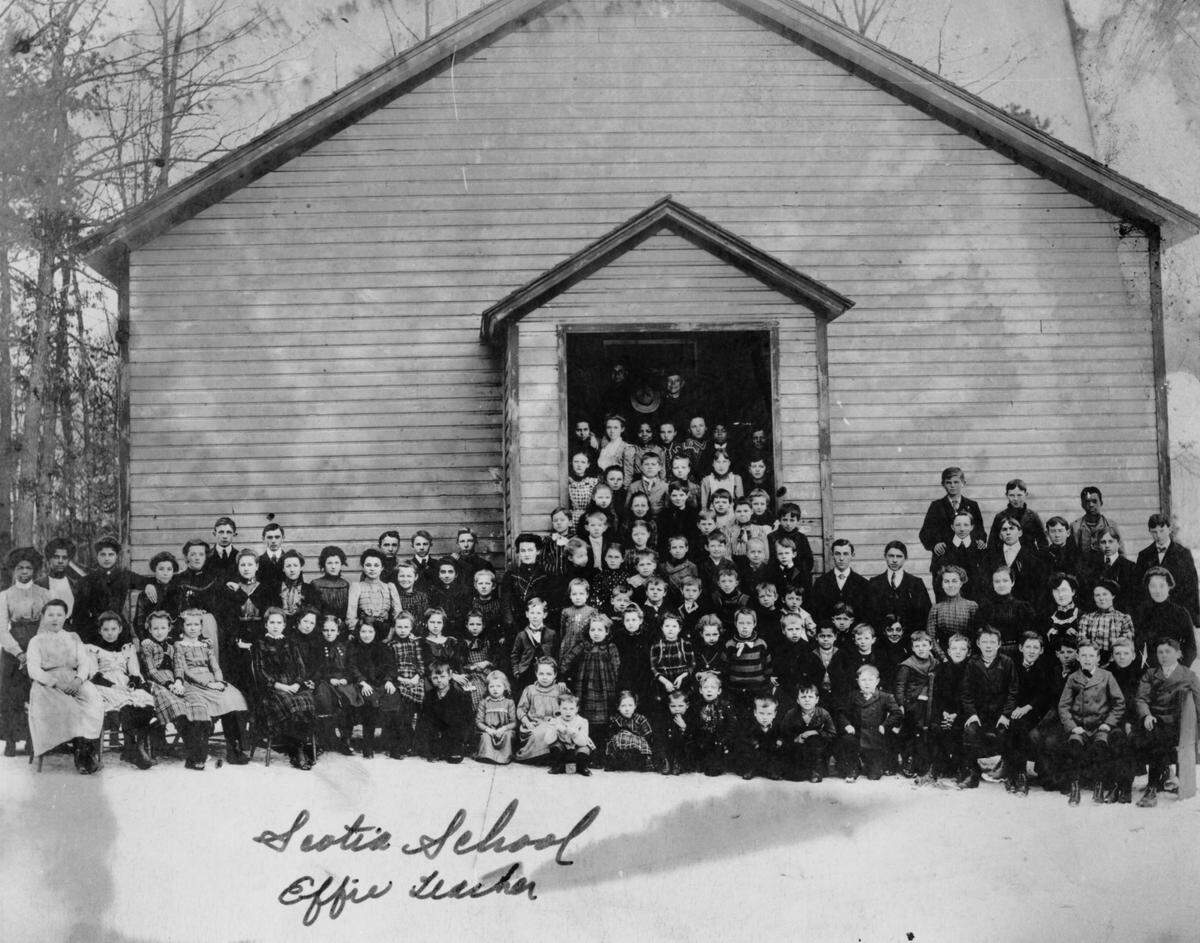
The town in 1881 had 400 residents, according to John Blair Linn’s “History of Centre and Clinton Counties,” the most thorough book on the county’s history.
“These mines are regarded as among the richest in the county, and are likely to yield their bounteous wealth for many years to come,” Linn wrote. He described the town as having three stores and, soon, a post office.
The Centre Democrat in 1883 described Tow Hill, near Stormstown, as “a big plant put here by foreign capitalists, with twenty or thirty houses clustering around it.”
But the town wasn’t backed by the richest man on Earth. Pierpoint and his associates invested about $50,000 into Tow Hill and other iron operations, not much more than a few million dollars in today’s money (there are no U.S. inflation estimates before 1913). Carnegie, according to a 1981 issue of Town & Gown, likely put at least $1 million into Scotia.
Tow Hill fizzled in about a decade, and the U.S. Census Bureau records capturing its inhabitants were destroyed in a 1921 fire.
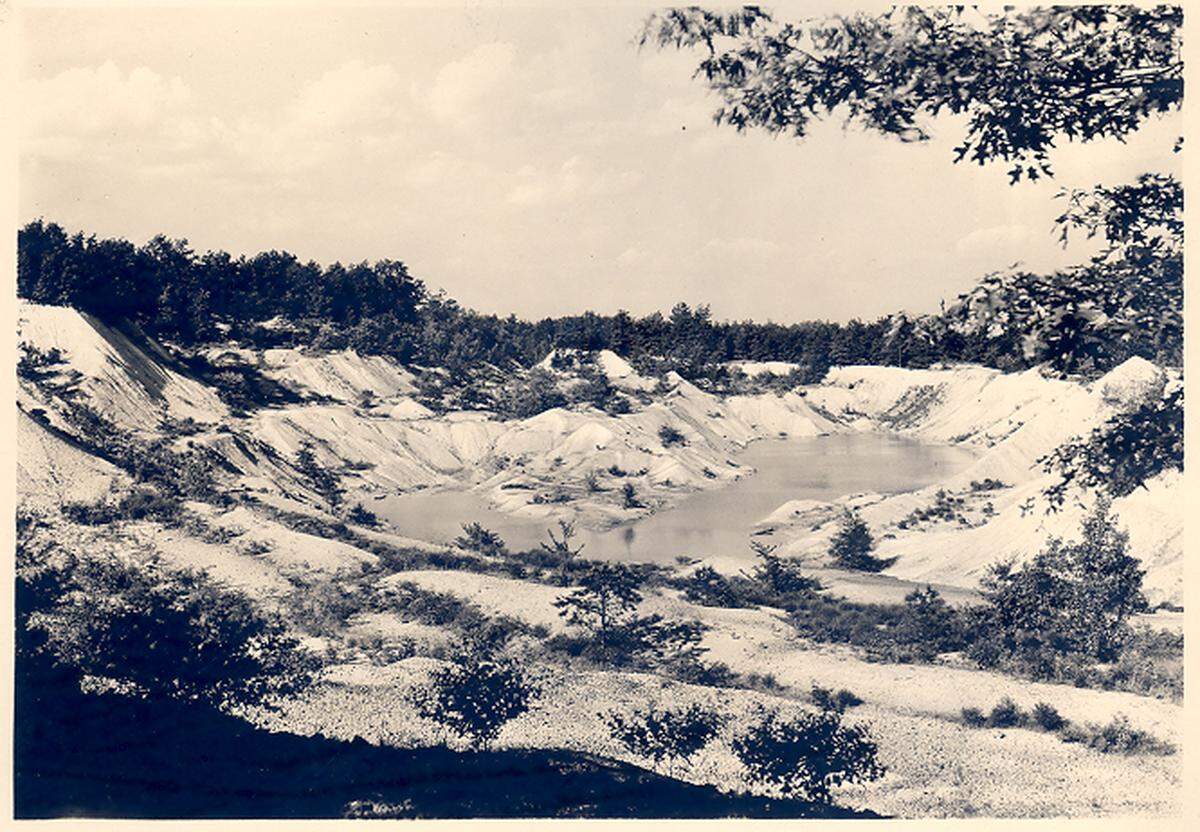
“Tow Hill never had a Harry Williams,” Hazelton said, explaining how records of the town are hard to come by.
Today, remnants of Tow Hill can be found in nearby ponds — which are actually abandoned iron ore pits — and a trail that was once a rail bed. Purple Lizard sells a map for $17 that can be used to explore the area, accessible via a half-mile residential street ending in a cul-de-sac called Tow Hill Road. The map also details Scotia’s sites.
Scotia carried on after Tow Hill. Williams wrote the town was separated into three sections: Scotia, River Hill and Marysville, the latter “allegedly because there were so many ladies named Mary living there.” One former Scotia resident told the Centre Daily Times in 1971 the three sections didn’t get along with each other.
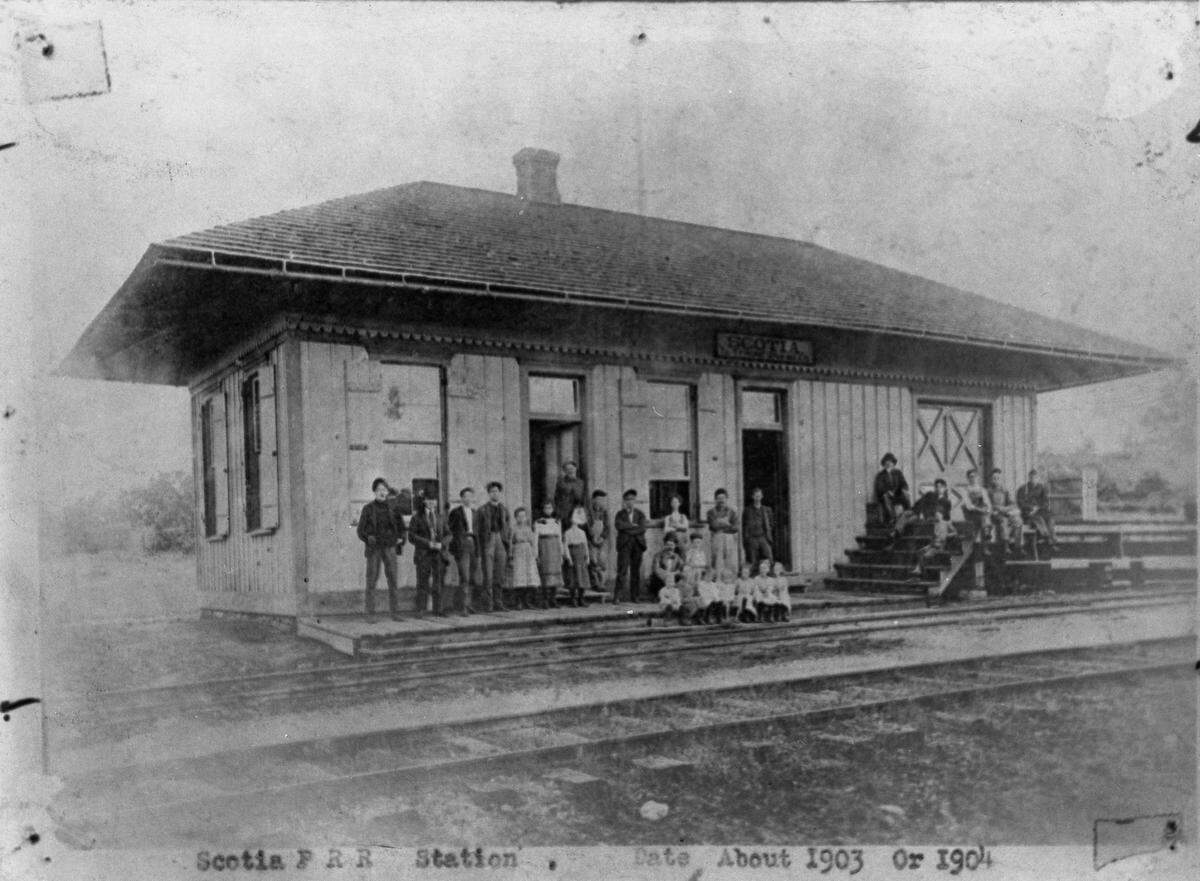
Many of the homes in the area were company-owned, and Carnegie himself ordered the construction of a new house for the mine’s superintendent, according to Williams. Also in town were general stores — including one owned by the sons of Moses Thompson — four “dancing floors,” four baseball teams and a band. Trains from Tyrone ran through town twice a day.
Carnegie sold Scotia in 1898, setting off to the Midwest for higher-quality ore, Hazelton said. Indeed, the better iron to the west sanded away Scotia’s competitive edge, and the mine would close in 1911. Around 50 families remained by that time, and by the mid-1920s, the town was abandoned.
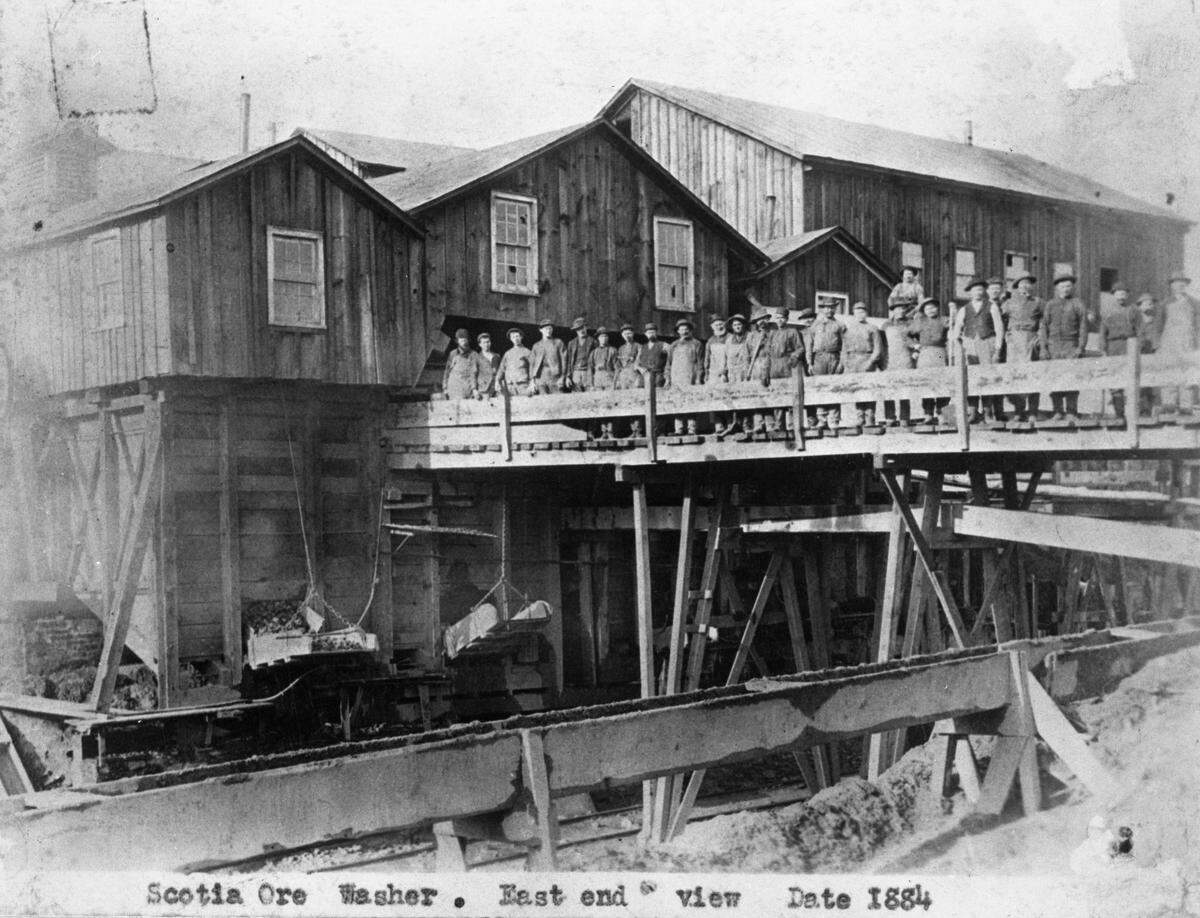
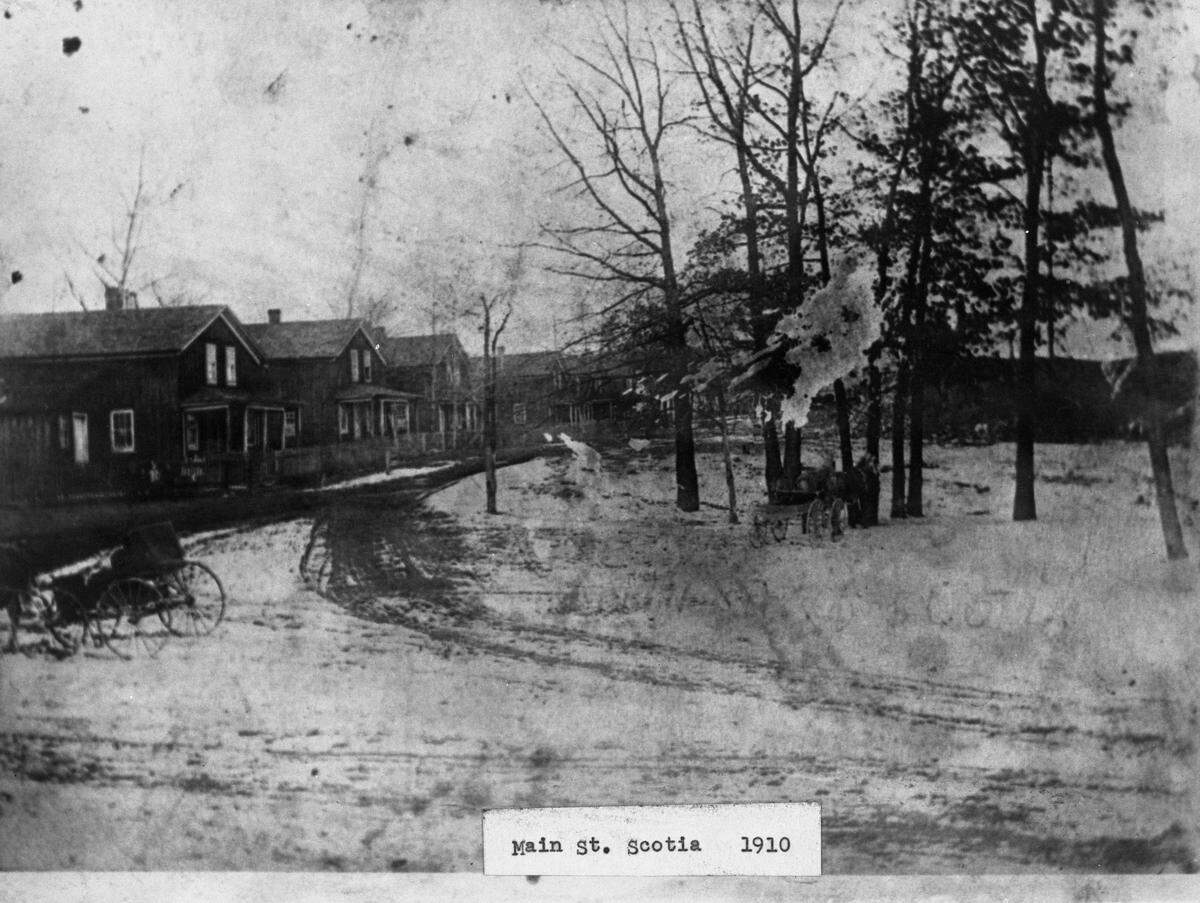
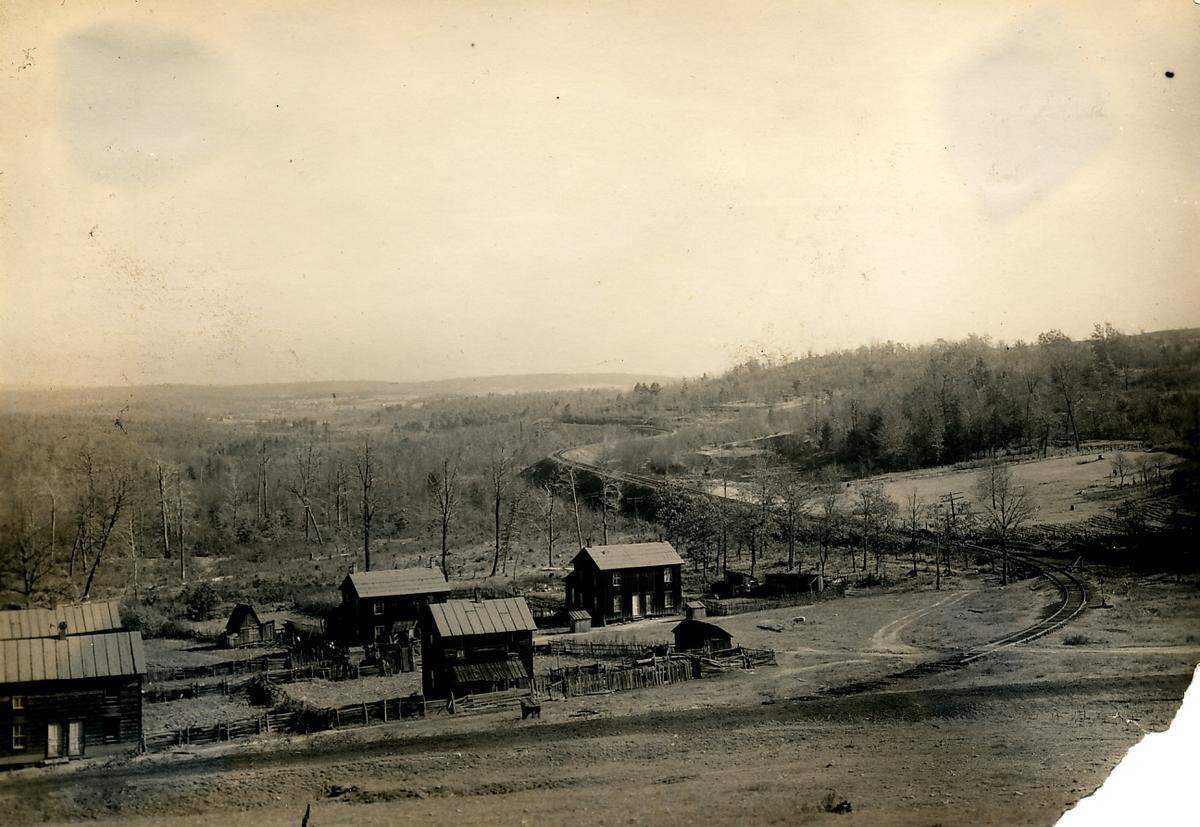
The mine’s closure was preceded by the high-profile murder of an older woman named Hulda Baudis. Her killer, a troubled man named Bert Delige, hailed from the most prominent Black family in town. He gave two confessions, and a jury rendered a guilty verdict after three hours and 40 minutes of deliberation.
Delige was hanged in Bellefonte in 1911. It was Bellefonte’s last hanging, and Delige is said to haunt Scotia today.
What came of Scotia?
Former Scotia residents would reconvene annually for an August picnic starting in 1924, around the time the last family left. The CDT, then known as the State College Times, wrote, “It was a success, one of the largest crowds to attend any of the county picnics being present.”
The furthest-traveled former Scotian came all the way from New Jersey, the Times reported.
The picnics would carry on, attracting around 1,000 people in the mid-1930s before ceasing during World War II. The government needed domestic iron. The trash-filled Scotia pits had potential, but they didn’t hold up.
“The World War II thing was a bit of a boondoggle,” Hazelton said. In his telling, a Penn State mining engineering professor trumped up the promise of Scotia’s iron ore. It was actually junk. Not long after the first train cars of ore were hauled out, the operation was called off.
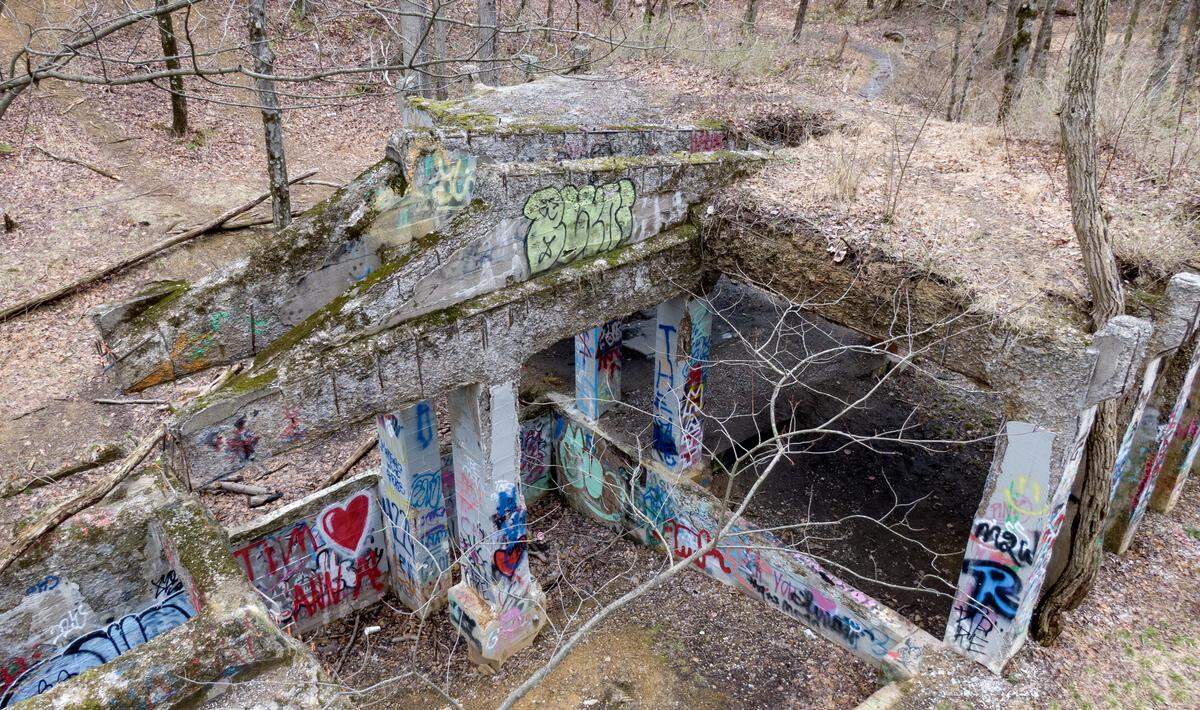
The prominent concrete structures that remain are from the war effort, and nobody ever moved back to Scotia. Hazelton stressed the graffiti-covered concrete ruins have nothing to do with the original town.
The picnics returned after the war, but their attendance dwindled. The CDT wrote that 125 were present for the 1957 gathering, and it said Williams, by then a known Scotia chronicler, guessed it would be the last picnic. There is no record of the picnics in the CDT after that year.
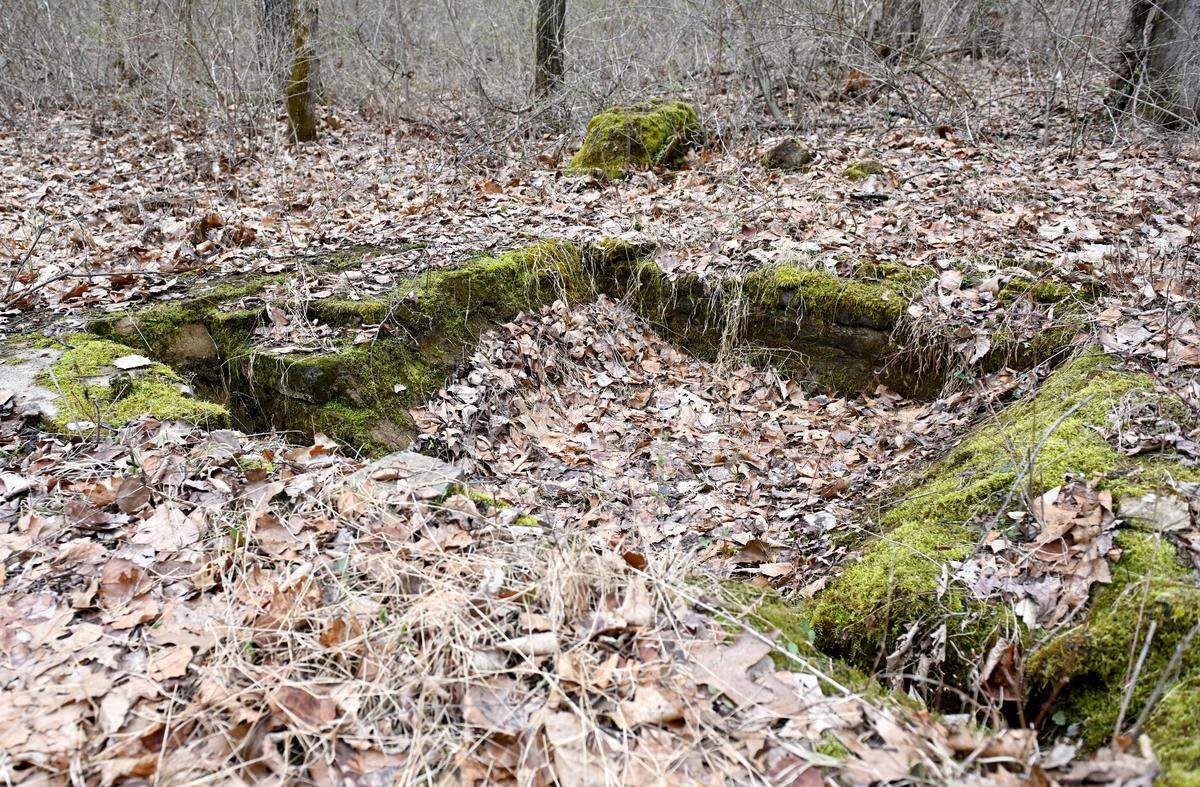
By 1959, Scotia was joining the dozen or so other Centre County towns reclaimed by nature (or paved over). Scotia’s remaining infrastructure had mostly crumbled and was described as a stop for sightseers. Williams died in 1966, and Scotia thereafter was written about in the past tense.
Today, Scotia’s World War II-era structures are a destination for urban explorers, YouTubers and travel bloggers willing to put up with the deer ticks.
“Places like Scotia aren’t just ruins in the woods, they’re pieces of Pennsylvania’s past, and my goal is to help people rediscover the stories behind them,” said Rusty Glessner, a State College-area photographer who runs the PA Bucket List travel blog. “If I can inspire someone to visit a place like that and appreciate its history, then I’ve done my job.”
Hazelton’s approach to documenting Scotia and Tow Hill has included site work in collaboration with the ClearWater Conservancy, a local conservation group. With his team, he has uncovered remnants of Scotia’s original structures.
But he’s getting old and no longer lives in the area. He’s been using his free time to finish his book draft — “I’m hoping in a few weeks” — which aims to update Williams’ decades-old Scotia history.
“I would like to find somebody that could carry on, particularly the site work, and keep this stuff alive,” Hazelton said.
He said he recently began resonating with a maxim he used to repeat during history presentations: “When someone passes on, a book goes unwritten.”
“In the last couple years, I said, ‘Wait, that applies to me,’” said Hazelton, who turned 82 Wednesday. “So that’s why I’m writing.”
Editor’s note: This article was updated at 9:06 p.m. March 31, 2026, to remove two Scotia-era archival photos that are not of Scotia itself and to correct a reference to an iron ore pit.
This story was originally published March 31, 2026 at 5:20 AM.