
Over the garden fence: How to transform lawns with native groundcovers
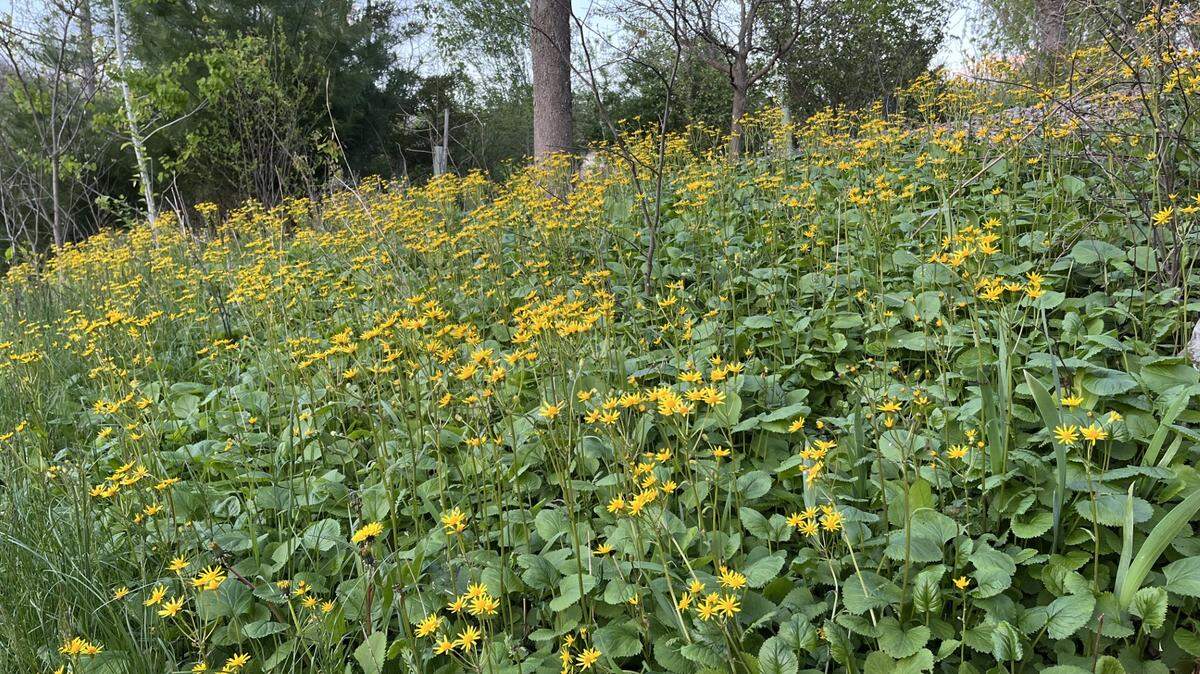
Many Pennsylvanians are looking for alternatives to lawns to reduce the costs and maintenance of lawns as luxurious landscapes. Residents can look to the Commonwealth of Pennsylvania’s call to action encouraging the conversion of lawns to more natural habitats using native plants. “Native plants are essential to the state’s ecological health, wildlife, and even public well-being,” said State Forester Seth Cassell. “These seemingly small actions — planting natives, removing invasives — can have a big impact in maintaining our ecosystems and protecting the resources we rely on.”
Pennsylvania’s Department of Conservation and Natural Resources (DCNR) estimates the commonwealth has 2 million acres of lawn, most of which require substantial water, fertilizer, mowing and other maintenance efforts. And unfortunately, many of these efforts contribute to poor soil quality, fertilizer runoff into streams and watersheds, and reduced pollinator food sources. Replacing some or all non-native lawn turfs with native groundcovers promotes environments essential for pollinators like bees and butterflies, nutrient-rich soils, local wildlife and public well-being.
For home gardeners, selecting native plants and groundcovers to replace turfgrass provides a low-maintenance, low-cost alternative to traditional lawns and reflects good neighborhood stewardship of land and water. Benefits of adopting natural landscapes include infrequent or no watering once established; infrequent or no mowing (and noise pollution); limited fall cleanup and yard waste; and reduced stormwater runoff and soil erosion.
How to begin? A wide selection of native groundcovers is available to address many types of landscapes. Success is more likely if gardeners choose plants that suit the current site conditions. For lawn replacement, suggestions include using (1) low or ground-hugging spreading native groundcovers, (2) a mix of species to provide aesthetic interest, seasonal color, and resilience to pest or disease outbreak, and (3) selections to match anticipated level of foot traffic, pathways and slopes. Examples of native groundcover species as possible options for turf replacement include wild strawberry (Fragaria virginiana) and moss phlox (Phlox subulata) for mostly sunny and well-drained soils. Golden ragwort (Packera aurea) will tolerate shadier, moister areas. Penn State Extension offers lists of native plants and groundcovers, and the PA DCNR provides guidance and other resources at www.pa.gov/agencies/dcnr/conservation/wild-plants/landscaping-with-native-plants.
Before replacing turf with native groundcover, assess the location: geography, climate and any community or homeowner’s association rules for natural landscaping. Also consider your potential groundcover plant’s characteristics, such as ability to suppress weeds, deer resistance, level of maintenance, resilience and tendency to spread. Next, close attention to proper site and soil preparation is essential to ensure good results. Remove grass and weeds and test the soil to determine any need for amendments. After site preparation, the area should remain unplanted for about 2-3 weeks to allow for regrowth and removal of any perennial weeds.
Some design strategies may be necessary to ensure the lawn conversion fits an existing neighborhood’s look and landscape flow. Use of borders, “set backs” or hedges provide for clean edges, which are especially useful for sidewalk and street clearance. And start small: Incremental replacement of small lawn segments with groundcover allows time for evaluation and design flexibility, as well as time to build awareness and enthusiasm among neighbors.
Conversion of lawns to native groundcovers is smart for Pennsylvania’s citizens, wildlife and waters.
Vanessa Sherman is a Master Gardener volunteer in Centre County, PA.
In the garden this month:
The danger of frost is finally behind us, so it’s time to get growing!
Once transplants are hardened off, move heat-lovers like tomatoes, peppers and eggplant into the garden.
Install stakes, cages and trellises before plants get too large.
Direct-sow beans, cucumbers and summer squash.
Keep removing weeds, and watch for signs of pests or disease.
Fill empty spaces in your perennial beds with warm-season annuals like zinnias, marigolds and lantana.
Make sure all new plantings get adequate water if rain is scarce; establish your routine now.
Enjoy the excitement of a new growing season!
Have a home gardening question? Email centremg@psu.edu.