‘Its use in the future will affect all of us.’ Environmentalists discuss future of Rockview
AI-generated summary reviewed by our newsroom.
- Over 50 community members attended a public hearing on Rockview’s roughly 5,700 acres.
- Panelists warned Rockview land choices could harm the Spring Creek watershed and aquifer.
- PADOC announced Rockview’s closure in Sept 2025 and it ended operations in March 2026.
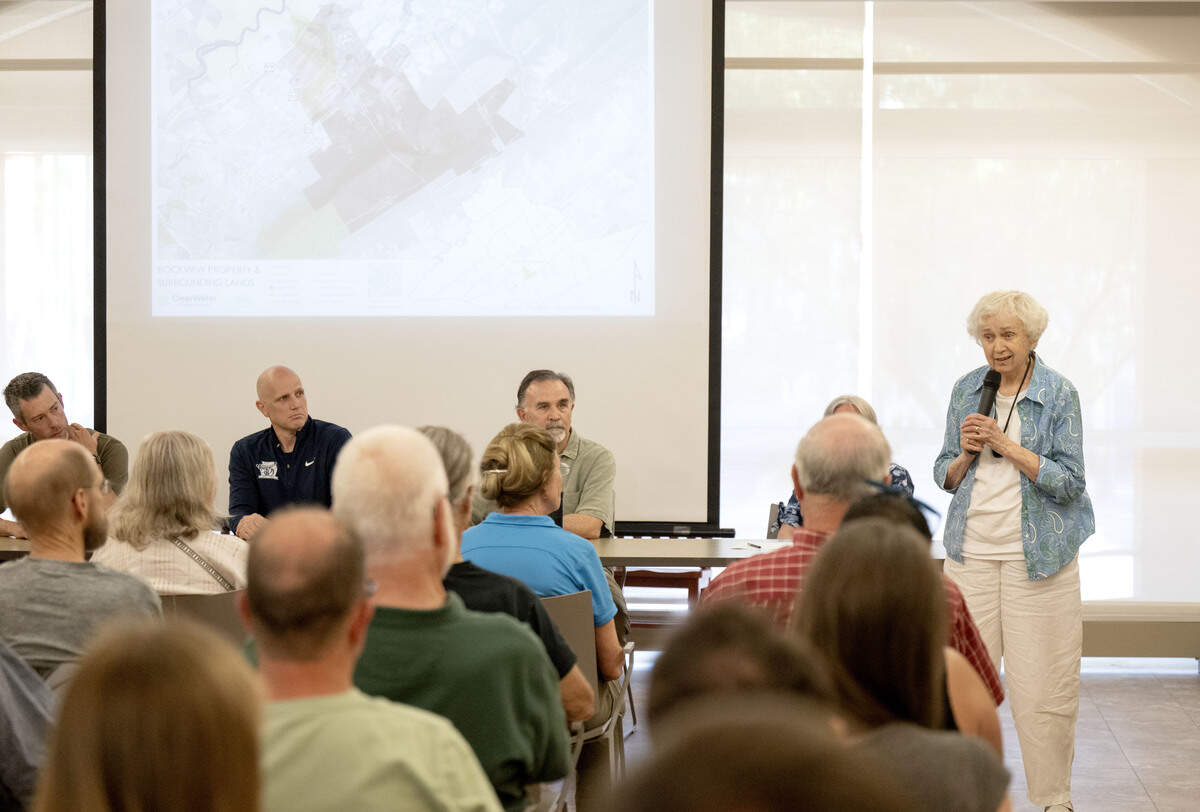
Nature preservation was top of mind for those in attendance Wednesday evening at a public hearing about the fate of Rockview state prison’s roughly 5,700 acres of land after the prison’s closure in March.
“This is a major, maybe one of the last, areas of open space between the two communities of Bellefonte and State College,” Barbara Fisher, founding member of the ClearWater Conservancy, said. “The more of it, the more capable it becomes of sustaining diversified ecosystems, and the more of it, it can become a sanctuary where people can rebuild their relationship with nature.”
Hosted by the Spring Creek Watershed Commission, more than 50 community members met in Schlow Library to discuss with regional experts and stakeholders about the future use and development of the land.
The panel included Chris Buchignani, vice president of the Mount Nittany Conservancy; Shane Adams, Geographic Information Systems (GIS) analyst and trout fishing guide from TCO Fly Shop; Elizabeth Crisfield, executive director of ClearWater Conservancy; and Kevin Abbey with the Spring Creek Watershed Commission.
Most of the groups represented previously signed on to a letter sent to Gov. Josh Shapiro, calling for transparency as the future of the land is decided.
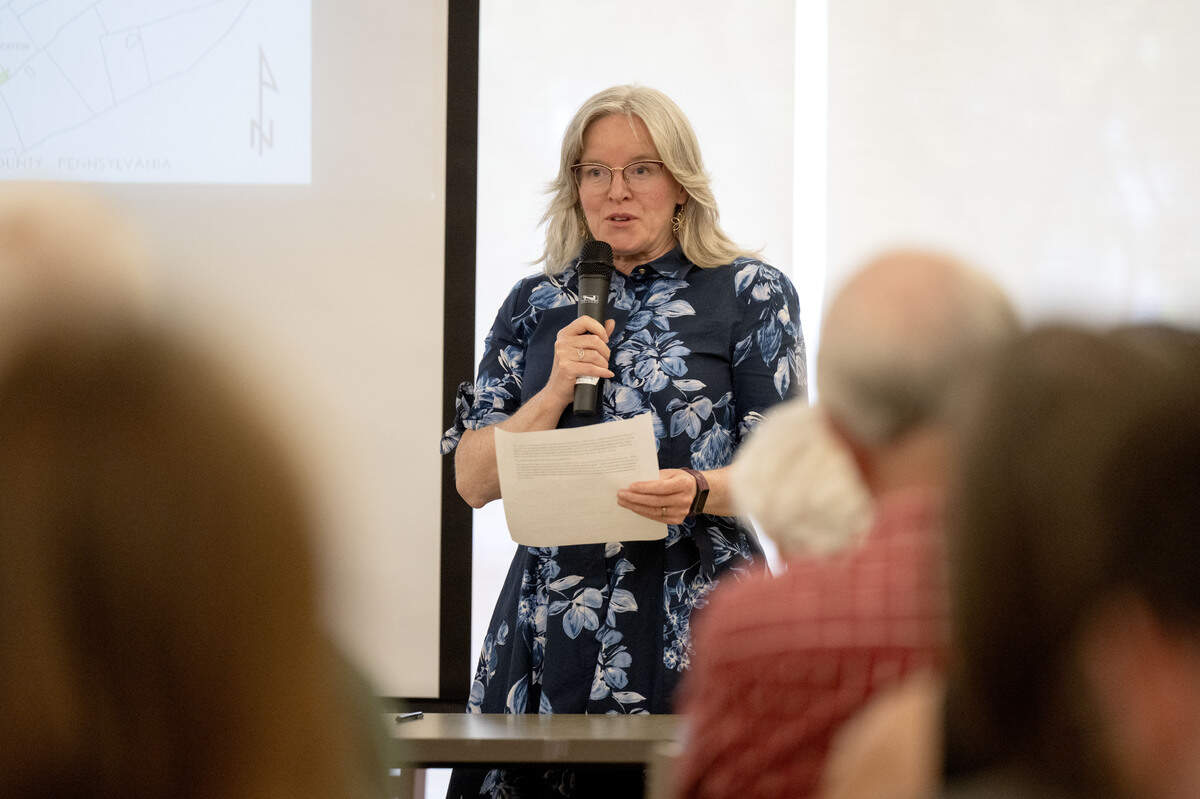
“This is a once-in-many-lifetimes opportunity,” Crisfield said. “This is a huge land property, and its use in the future will affect all of us.”
The panel was also meant to include state Rep. Paul Takac, D-College Township, who was unable to attend.
Takac previously expressed the importance of ensuring that no deals regarding the land are struck behind closed doors and that the maintenance and upkeep of the Rockview facilities not become a taxpayer burden.
Residents who attended Wednesday’s public hearing shared concerns about the impact land development might have on the area’s natural resources, specifically the Spring Creek watershed, a vital groundwater recharge area, where rainwater and snowmelt refresh the aquifer.
“It’s so important, and Spring Creek is a through line through all of this,” said Mary Sorensen, executive director of the Centre County Historical Society. “Part of our mission is to protect historic, natural and cultural resources and this area is completely full of them.”
Local environmentalists expressed similar concerns about the uses of the land, as Rockview sits on the most land of any Pennsylvania state prison.
Alongside vital parts of the Spring Creek Watershed, Rockview prison also owns several acres of potential farmland and nutrient-rich soil, which may be depleted by development projects. Several panelists and community members voiced concerns about the fate of these resources should large swaths of the land be inappropriately developed.
The Pennsylvania Department of Corrections announced its decision to close Rockview state prison in September 2025, with the facility officially ending operations in March.
Rockview neighbors SCI Benner, a fellow penitentiary, sharing a water and sewage system, which might require uncoupling. Prior to Rockview’s closure, DOC employees worked to transfer inmates and equipment to other facilities and have since started to determine what land was to be retained or labeled surplus.
The facility’s 2,500-acre Forestry Camp, used to house and train 72-74 inmates nearing the end of their sentences in forestry and conservational skills, will be moved under SCI Benner’s operations.
Several organizations have expressed interest in the remaining land, including Penn State, due to its proximity to campus.
“We hope to be part of the conversations exploring how the property can best be used to serve the Centre Region,” a Penn State spokesperson told the CDT in an October email.
Shapiro’s administration has not divulged any other plans for the property, but panelists and community members emphasized the importance of foresight and conservation in any future decisions.
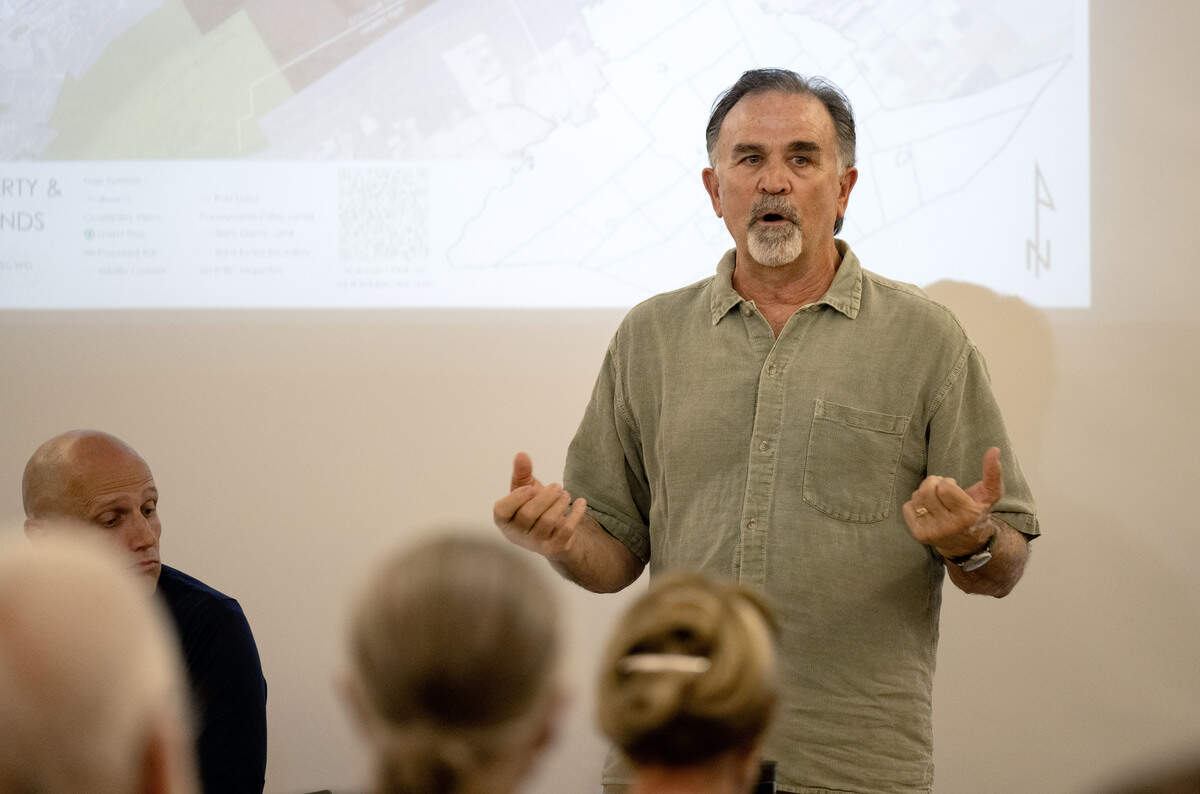
“No one associated with the Spring [Creek] Watershed Commission has tried to plant a flag and say no development whatsoever,” Abbey said. “Development that looks at the public good ... that’s the principle we’re following.”
The event was attended by several other government authorities, including a representative from state Rep. Scott Conklin’s office, and Centre County Commissioner Amber Conception, who offered her support of attendees’ more eco-conscious ideas for land use, including establishing a state park and public conservation facilities.
“I think there is some really good thinking about what could be potential use for this land,” Concepcion said. “[The Commissioners] won’t have any decision-making oversight over the disposition of this land. What we can try to do, though, is listen to the community and try to amplify community input in our communications with the state government.”
Concepcion said that the Rockview land is a “crucial” piece of connective tissue between the Bellefonte and State College, and that its fate should reflect that. The sentiment was echoed by many stakeholders, who sought to prioritize the responsible development and application of this land for generations to come.
“I don’t think we can presume to know today what the best use of the land is in 50 years or 100 years or 200 years,” Crisfield said. “I think that it’s very important for us to make sure that we are keeping a very long view when we think about the appropriate use of this land in the future.”