‘Restorative justice just works.’ CentrePeace continues to evolve after decades
AI-generated summary reviewed by our newsroom.
- CentrePeace hires people on probation and operates the Trainee Advancement Program.
- CentrePeace plans to shift focus from Restoring Lives due to lower jail population.
- The nonprofit funds all programs exclusively from its daily thrift store sales.
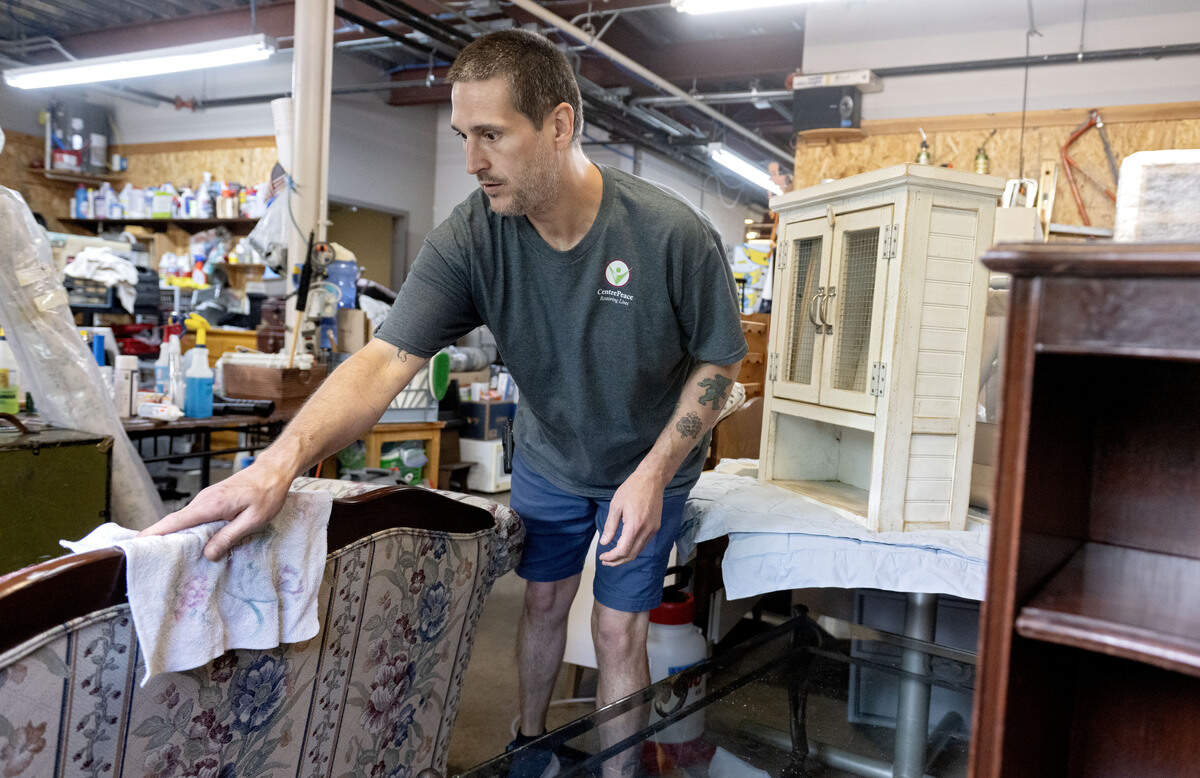
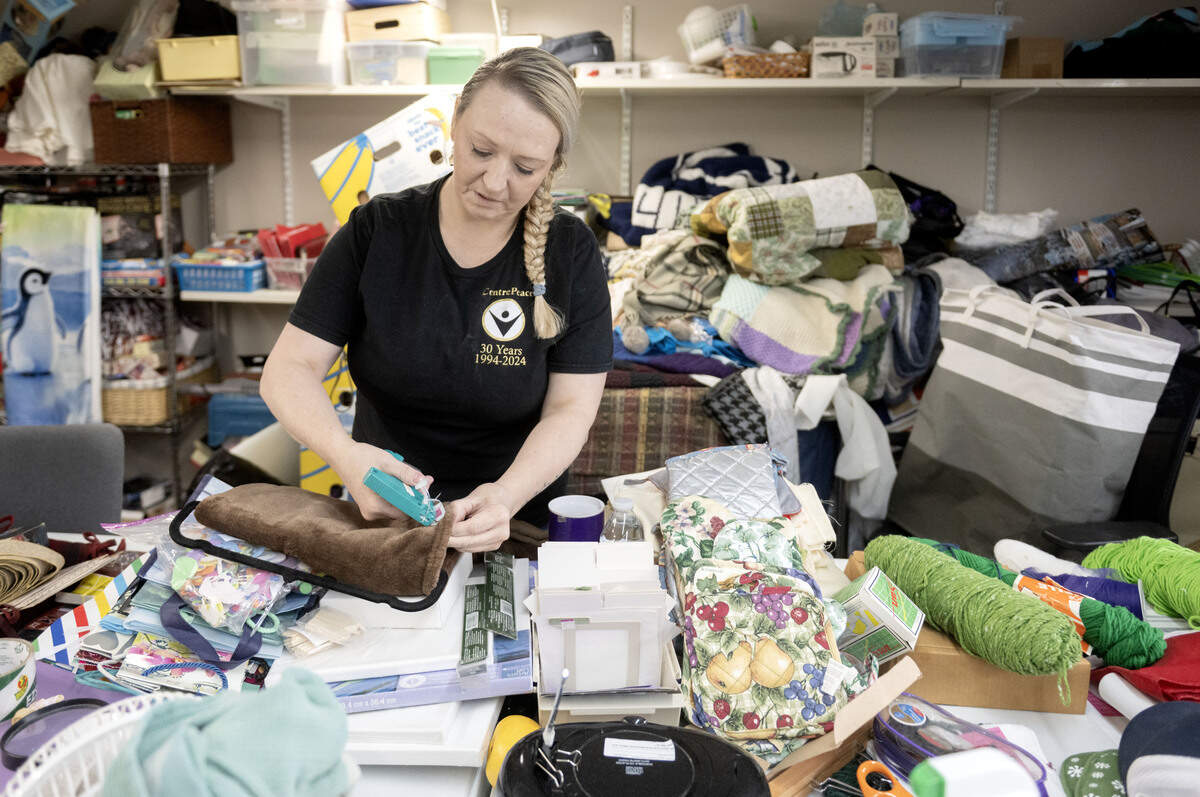
Last Tuesday, Harry Johnson and Tim Morris sorted through donations behind CentrePeace, a furniture thrift store in the Bellefonte area. Johnson is participating in CentrePeace’s Trainee Advancement Program (TAP), which hires people on probation. He is almost done with an initial, 90-day contract, but hopes to extend it.
“You’re treated fairly here,” he said.
Morris, who started working at CentrePeace last summer while incarcerated at Centre County Correctional Facility, agreed.
Across 16 programs, CentrePeace aims to help people get out of jail and stay out of jail. One of those programs, Restoring Lives, hires inmates from CCCF as “trainees,” helping them develop skills they can use after their release from jail. For a stipend of $4 a day, trainees make deliveries and arrange displays, as well as repair and reconstruct furniture alongside volunteer Bob Shoemaker.
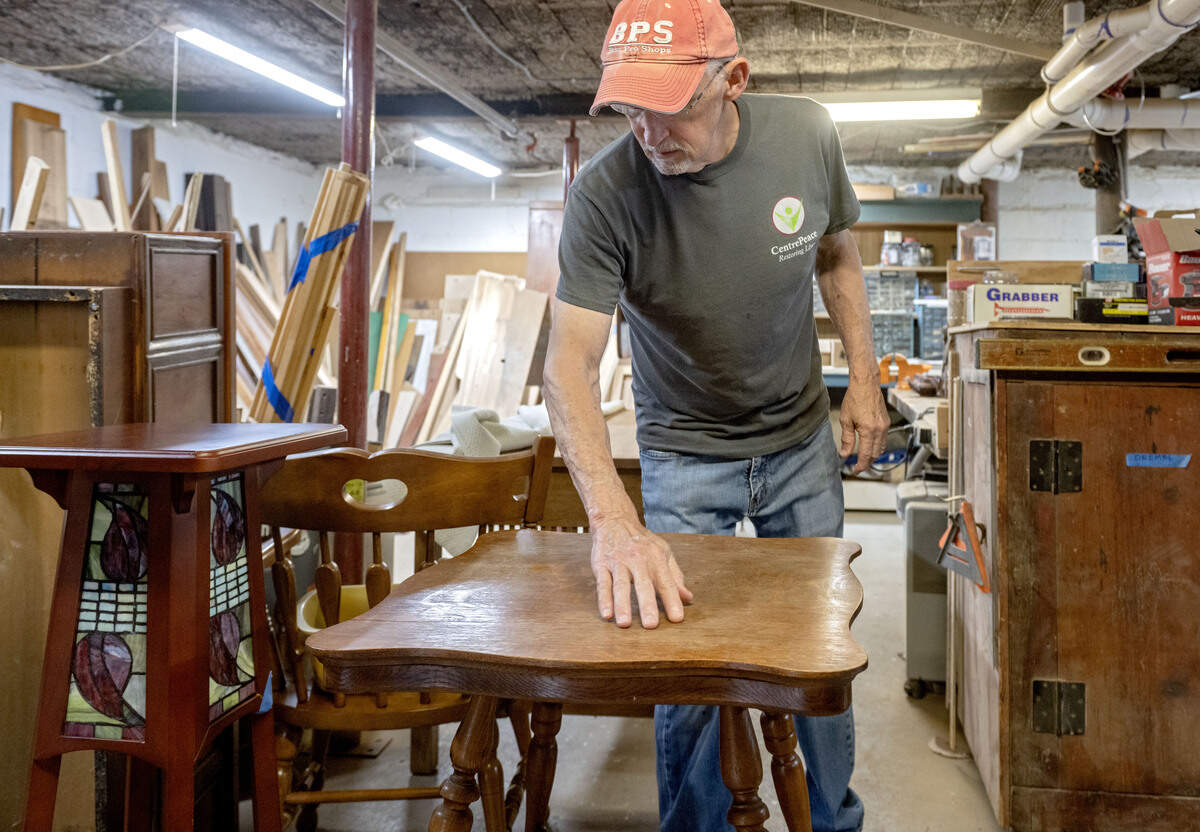
“I do triage on furniture,” said Shoemaker, whose workshop below the store’s ground floor is the size of a college dorm room.
Multiple trainees at a time help Shoemaker turn damaged goods into handsome household items, but last Tuesday, trainees were absent from the workshop. Due to population changes at the county jail, 117 days had passed since inmates worked at CentrePeace, trainee supervisor Cliff Cagle said Tuesday. This new reality is leading the nonprofit to adapt.
Fewer inmates, fewer trainees
The number of trainees at CentrePeace depends in large part on the population at CCCF. As of June 30, there were 117 people in Centre County jail, Warden Glenn Irwin wrote in an email to the Centre Daily Times. That number includes people incarcerated in CCCF and in facilities that contract with the county to board inmates.
The prison population is down relative to recent months. Over the past year, it has hovered around 140. Irwin attributed this change, in part, to Act 44 of 2023, which specified new limits on the amount of time people spend in jail for violating the terms of probation. Other “diversionary court programs,” intended to steer offenders away from incarceration and toward rehabilitation, also helped lower the prison population.
“When they’re low, we kinda suffer,” Cagle said, referring to the population of inmates at CCCF.
To adapt to a changing prison population, CentrePeace plans to shift its focus away from Restoring Lives and toward its long list of other initiatives. In addition to employing people incarcerated and on probation, CentrePeace sends birthday cards to people on death row, provides household needs to people in crisis through a voucher program and teaches classes in conflict resolution at the jail.
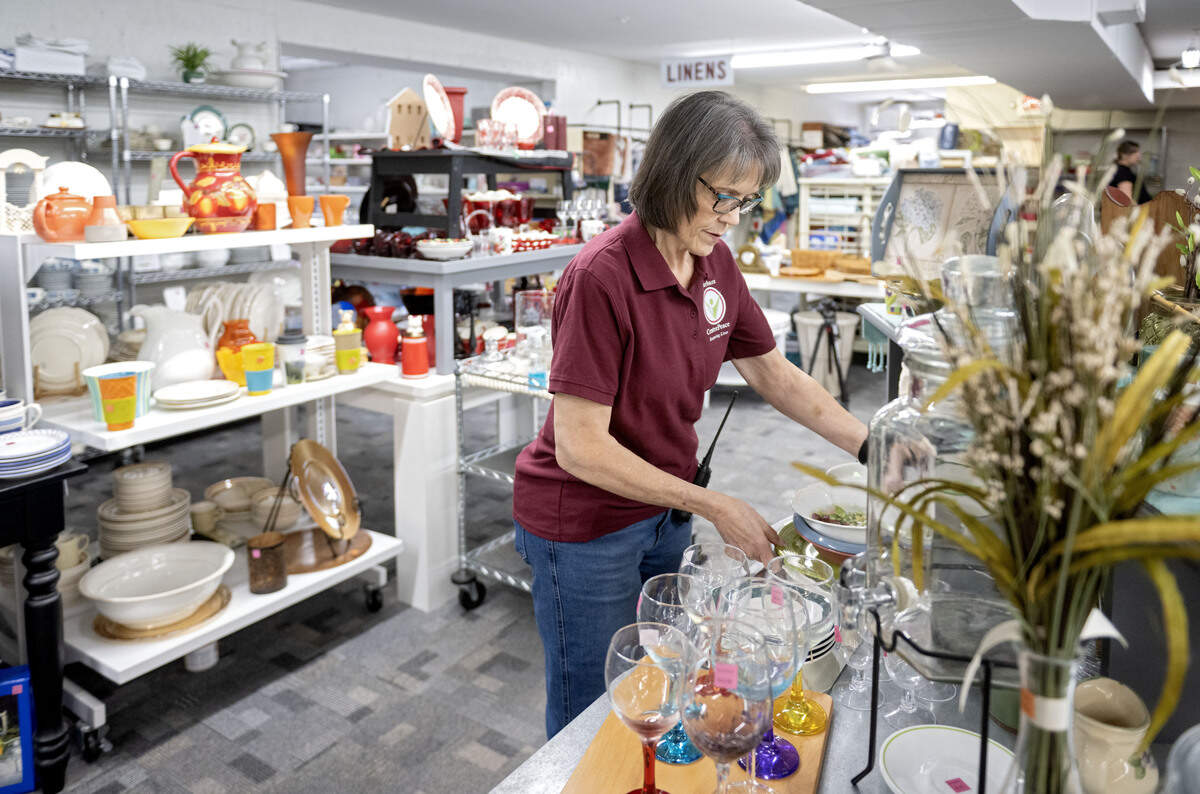
Funds for these programs come exclusively from CentrePeace’s daily sales. Executive Director Barbara Squires attributed this independence to the widespread support among community members for the organization’s mission.
“People believe enough in what we do that they keep us going,” she said.
A model for restorative justice
CentrePeace’s programs address a diverse set of needs, but reflect a common belief in the power of rehabilitation over retribution.
“Restorative justice just works. Retributive justice does not work,” CentrePeace founder Grace Marie Hamilton said.
Hamilton founded CentrePeace in 1993 after realizing, at a volunteer-organized yard sale, how much waste in Centre County could be cleaned, flipped and sold. She thought inmates could help with that task. Hamilton, who had visited prisons frequently as a volunteer, understood the power of treating offenders with compassion.
“God is the judge,” she said. “We don’t need to be the judge.”
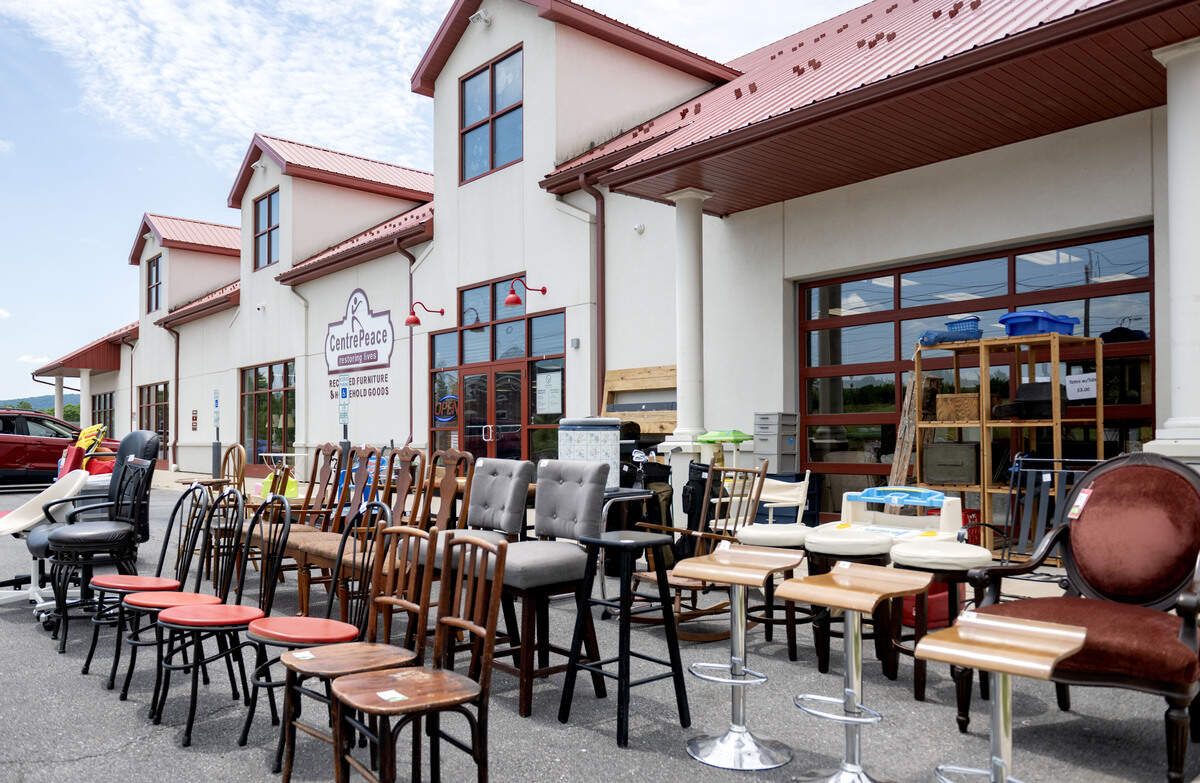
CentrePeace grew, becoming a model of restorative justice in Centre County.
Restorative justice focuses on repairing the harm done by a crime, instead of merely punishing the offender, according to First Step Alliance, a nonprofit. In its ideal form, restorative justice transforms the systems that enable crime in the first place.
Advocates of restorative justice often associate this approach with reduced rates of recidivism, or the relapse into criminal behavior. Recidivism data is inconsistent and imperfect, but the Council on State Governments Justice Center estimates that more than a quarter of people are reincarcerated within three years of their release from prison. Meanwhile, according to data from 2016, almost one in two people released from prison in Pennsylvania were rearrested or reincarcerated within three years of their release.
Sandy Tomcavage, who worked at CentrePeace while on probation, said organizations like CentrePeace help people avoid that fate.
“I don’t know one person that worked here and went back to prison or went back to using,” she said.
Last year, the overall recidivism rate in Centre County was less than 20%, Irwin told the Centre Daily Times in an email.
More than a job
Tomcavage went from a rehab to CentrePeace through TAP, the Trainee Advancement Program, gaining a community she described as lifesaving.
After suffering spells of dizziness and pain, she saw a specialist at Squires’ recommendation. An MRI revealed a tumor the size of a large olive on her cerebellum at the base of her brain. On Dec. 23, Squires accompanied Tomcavage to the hospital for her surgery. Meanwhile, Tomcavage’s apartment was nearly empty. Since moving in November, Tomcavage had not felt well enough to furnish her new home.
Six days after surgery, when Tomcavage left the hospital with 19 staples in her head, her apartment was fully furnished with items from CentrePeace. Squires and several others had prepared the surprise.
“This is the kind of person she is,” Tomcavage said of Squires. “She would do that for anybody.”
Tomcavage continues to volunteer on occasion as she recovers from her illness and surgery. The organization has become more than a place of work for Tomcavage, who attributes much of her financial, medical and personal improvement to CentrePeace.
“I don’t think I’d be the first person to say that I wouldn’t be who I am today without CentrePeace,” she said.