How downtown State College businesses cope in summer with fewer workers, customers
AI-generated summary reviewed by our newsroom.
- Downtown State College loses many student customers and workers each summer.
- Some businesses, like Snap, report an almost 50% drop in summer sales.
- Owners rely on family, hire local high school students, and use DSCID resources.
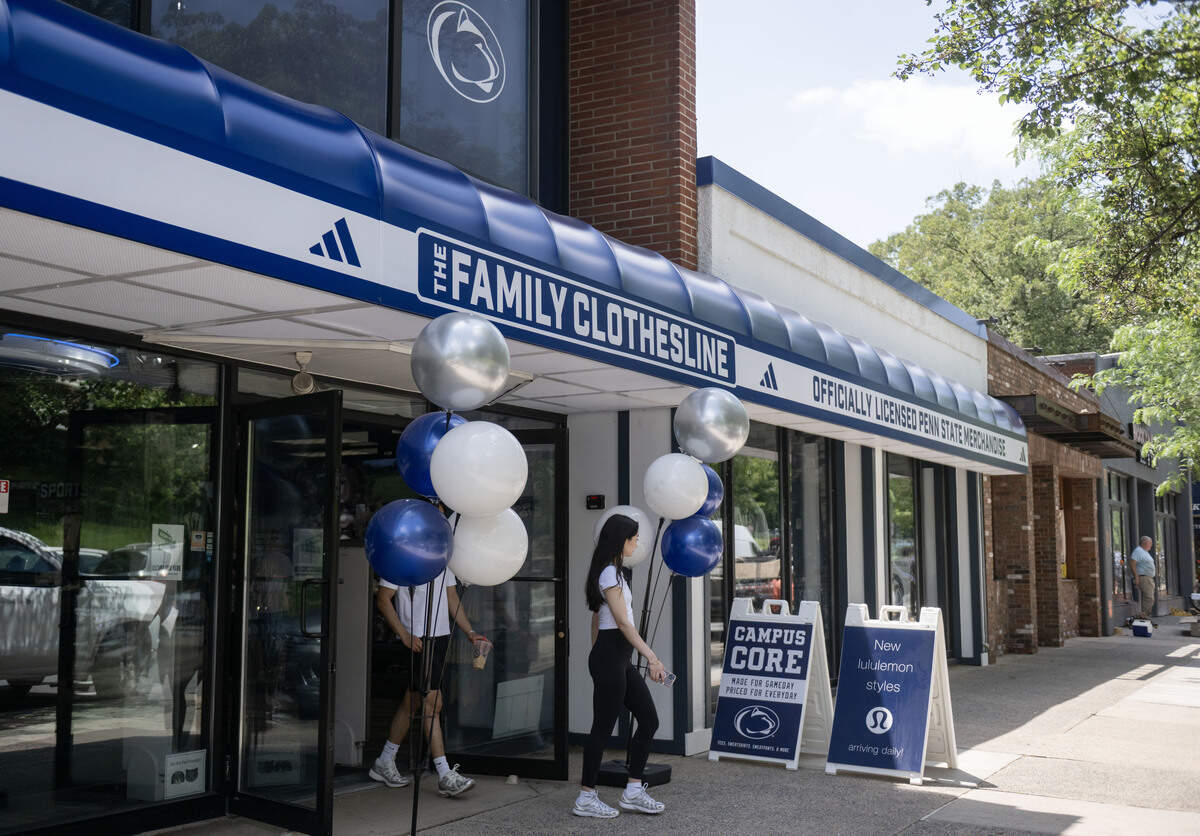
For 30 weeks of the year, downtown State College is a flurry of movement. Proximity to Penn State’s campus attracts business from the nearly 50,000 students who call the region home during the fall and spring semesters.
But outside of event-filled spurts like the last weekend’s Central Pennsylvania Festival of the Arts, there is a remarkable change of pace in the summer months.
“At the end of the day, we are a small town with a big university,” Lee Anne Jeffries, executive director of the Downtown Improvement District wrote in an email to the Centre Daily Times. “Many businesses keep a much smaller staff or dramatically reduce hours during the summer. Some have challenges when they don’t plan for three months of reduced foot traffic.”
Koop, a Korean chicken restaurant on Locust Lane, has had to plan around the summer months, when administrative employee Sang Lee said they “hardly make a profit.”
The State College borough has approximately 41,000 permanent residents, less than half of the region’s population during the school year. For local business owners, this poses a predictable challenge.
“After eight and a half years, now we expect it,” Lee said. “The first couple of break sessions, we were scrambling a little bit, but family being what family is, we pull together and keep the operations going.”
Koop is a family-owned business, and it is family the business depends upon in the absence of student workers and customers.
Usually employing about six students to maintain workflow behind the register and in the kitchens, Koop must make do with only two part-time employees in the summer, each working less than ten hours a week. The gaps are filled by Lee, his wife and his youngest son.
“My wife actually owns the business,” Lee said. “[My son] works the most. Probably half the time that we need the work. My wife and I split the other half.”
With a steep drop in university students, some businesses have found other ways to maintain operations.
“We employ a lot of high school students ... other local groups as well,” said Brenden Stepp, general manager of Snap Custom Pizza on West College Avenue. “That’s sort of our saving grace over the summer.”
Snap, like other businesses downtown, experiences an almost 50% drop in sales between the spring and fall semester, but has made strategic adjustments over the years to keep operations running smoothly.
“We still have our full menu. We have several trucks a week, just smaller trucks and smaller quantities of everything,” Stepp said. “In terms of staffing, it’s just less employees at a time.”
While the counter might be staffed by five to seven employees during the school year, the summer months only see three at a time, which causes slight difficulty in managing food preparation alongside counter service.
According to Stepp, Snap only experiences brief surges in foot traffic during the summer — about an hour’s-worth during lunch and dinner — leaving the store atmosphere remarkably different.
“Things are a little more laid back in the summer ... less customers to help and a slower pace,” Stepp said. “We do pretty much the same thing just on a slightly smaller scale.”
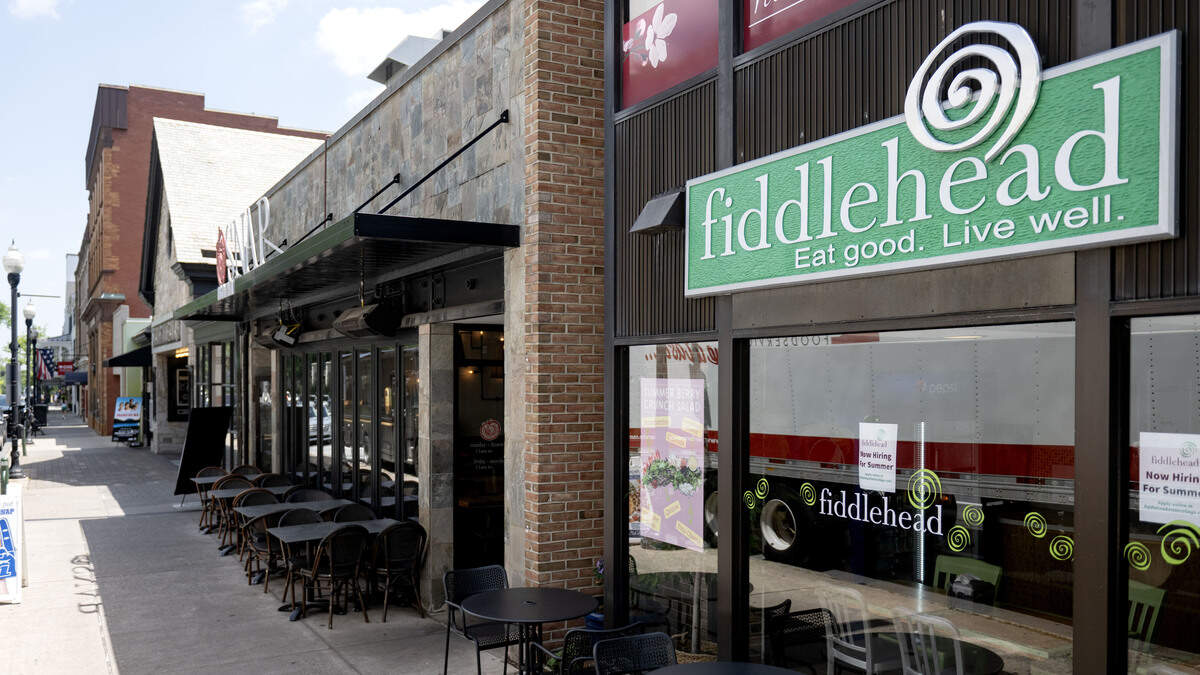
The change in scale is far more pronounced across all businesses downtown, from bars like Local Whiskey, which typically have lines forming down the sidewalk every weekend during the semester, to small lunch and dinner shops like Koop and Snap.
The Downtown State College Improvement District provides several resources for local entrepreneurs and small business owners to manage the variations in business in State College, including business retention services, grants, year-round marketing and downtown events.
“We look at State College as if it were a ski town,” Jeffries wrote. “Successful businesses plan for the downturn in the summer and make their revenue when large events drive traffic. ... They must get creative with local collaborations, marketing and a focus on online sales, if possible.”
The DSCID aims to plan and market events that drive foot traffic downtown to compensate for the lack of student consumers, but, according to Jeffries, the slower pace of the summer is appealing to some residents.
“It’s a time that our locals feel as though they are free to visit. There are more parking options, quieter streets and room to explore,” she wrote.
While major events like State College Pride, Arts Fest and World Cup watch parties might draw temporary bursts of traffic, a college town out of session is a fundamentally different environment that businesses have learned to cope with.
“As far as the workforce is concerned, we patch it up with our family members,” Lee said. “But a lack of customers, you can’t really change that a whole lot.”