AI now plays a role in sorting recyclables in Centre County. A look at the new system
AI-generated summary reviewed by our newsroom.
- The CCRRA installed a $1.1 million Alchemy AI system to sort recyclables.
- The AI-enabled system increased throughput by about 10 tons per week and sped processing.
- The CCRRA still employs all 74 staff, retraining some into other roles.
Artificial Intelligence now plays a role in the fate of your recyclables.
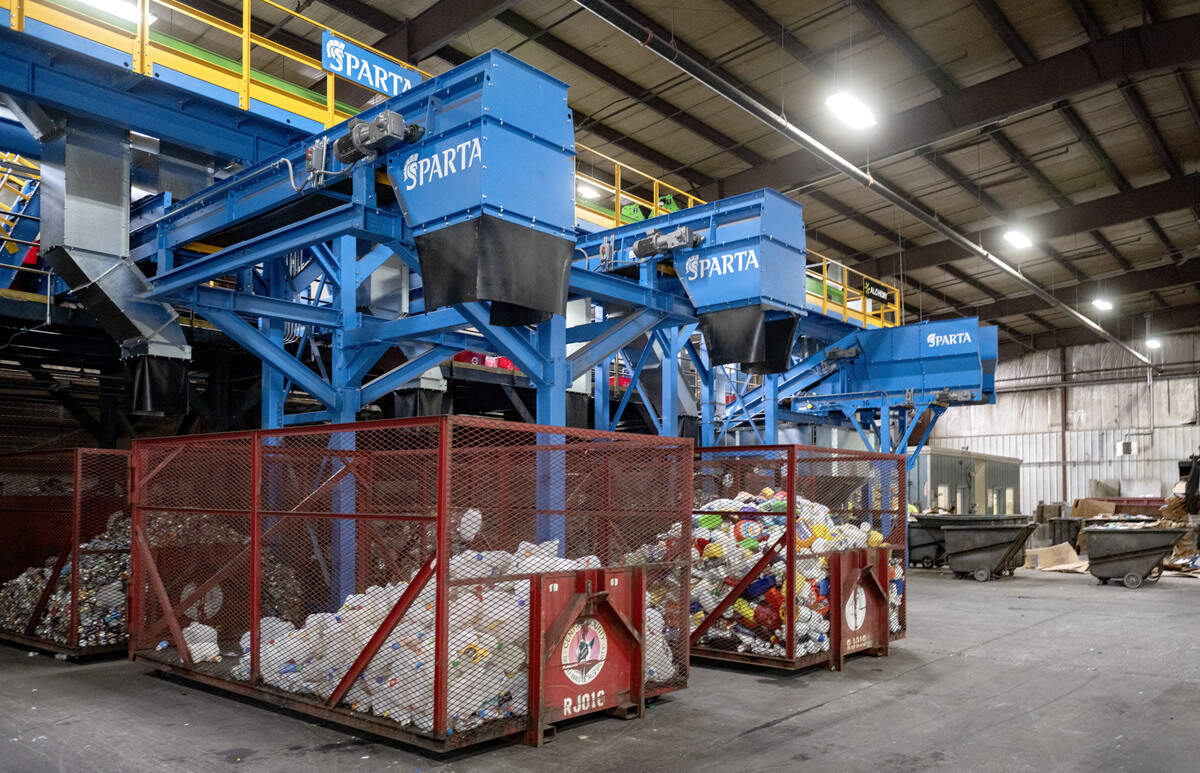
A new sorting system implemented by the Centre County Refuse and Recycling Authority (CCRRA) is accelerating the process that brings used metal and plastic products from the curbside to manufacturers for repurposing.
This new system was introduced earlier this year by Alchemy, a New Zealand-based technology company, and uses AI to recognize and sort recyclables along a conveyor line, increasing the efficiency of the CCRRA’s previously “labor-intensive” system.
“We use a source separated recycling system, which is quite unique compared to most other places,” CCRRA executive director Jason Neidig said. “It makes our materials much more distributable and much more saleable.”
While the $1.1 million system has created efficiencies for employees, it hasn’t replaced any, Neidig said.
How does the AI system work?
Source separated recycling is a longtime practice of the CCRRA, which reduces the amount of recyclable materials in landfills and ensure manufacturers get the best quality materials for their products.
Many recycling plants use a single source system, which combines all types of metal and plastic into bales for distribution. This process often dirties and damages materials, making them unsuitable for reuse.
Single source produces a high volume of waste, making source separation a valuable, if tedious task, according to Neidig. Once done entirely by hand, the introduction of Alchemy’s AI model has made the sorting process almost entirely automated.
“This new system will process things a lot quicker, so we can handle more material,” Neidig said. “It allows us to grow in the amount of materials we receive both inside and outside the county.”
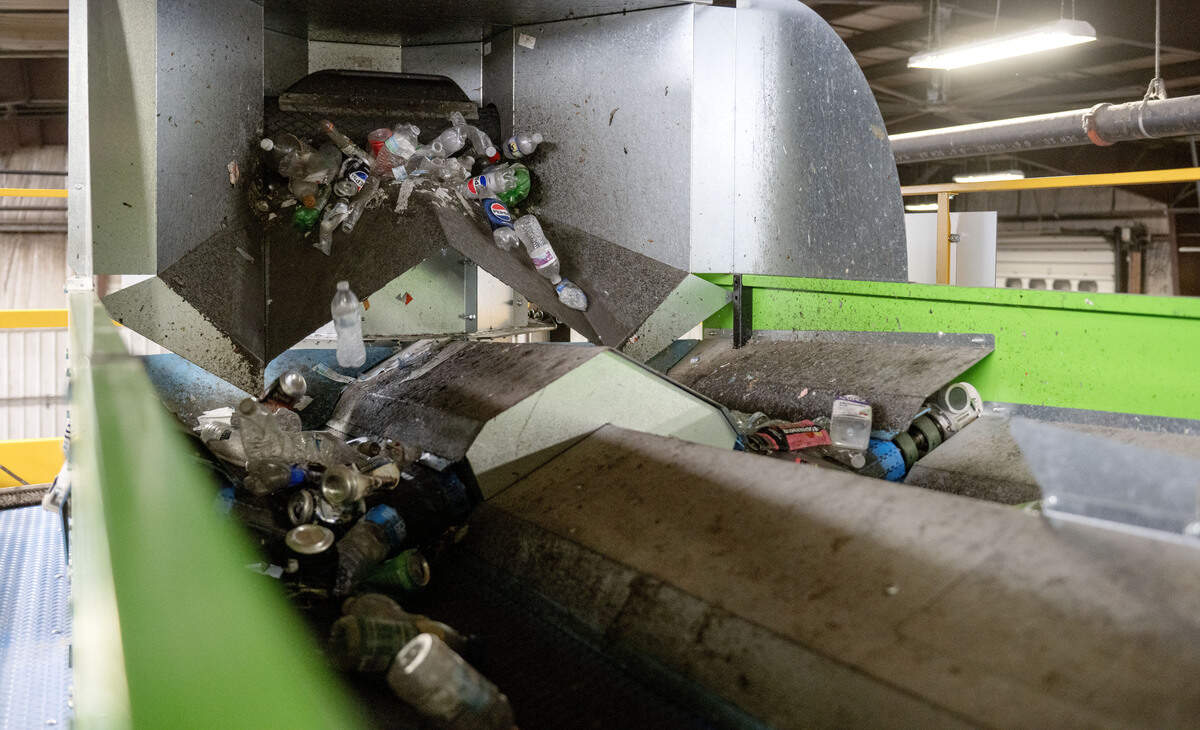
The new AI system has enabled the facility to process approximately 10 tons more material a week than before its implementation, and is able to sort both plastics and metals on the same line, integrating a once entirely separate process.
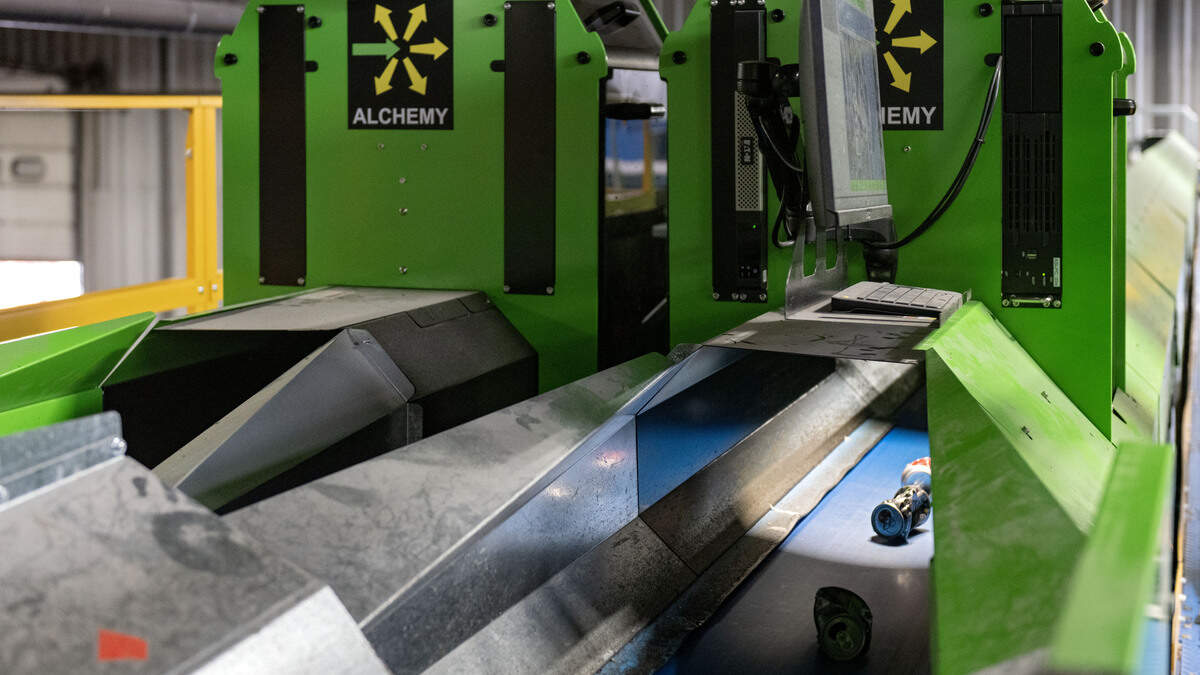
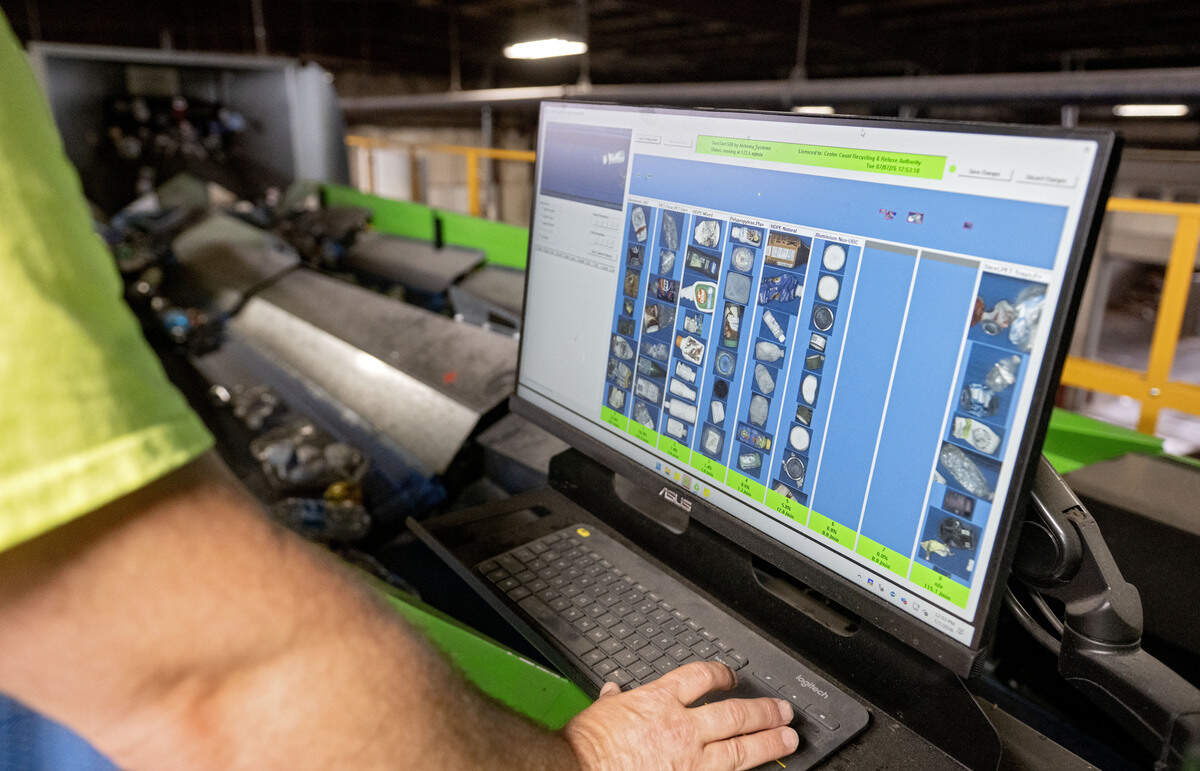
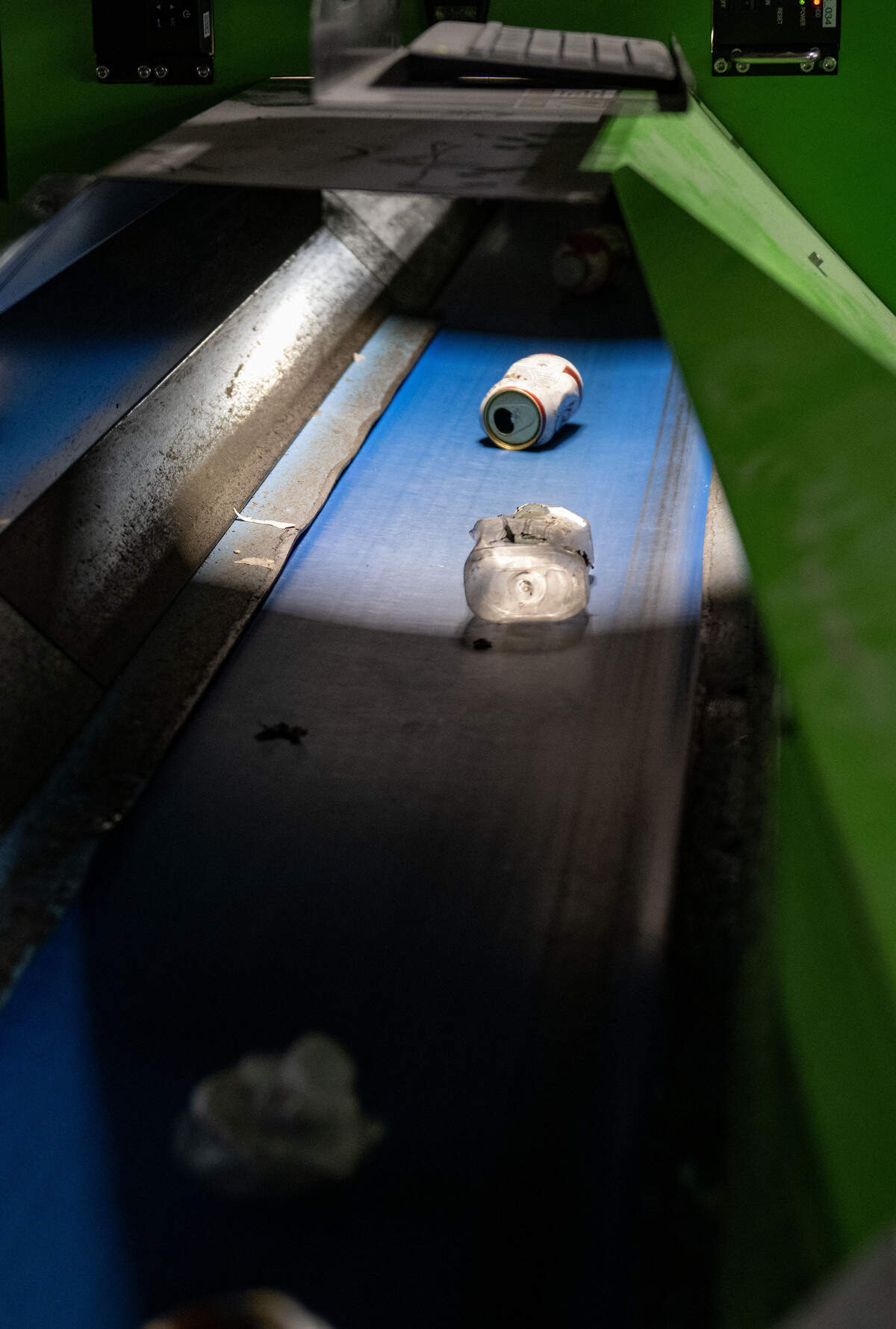
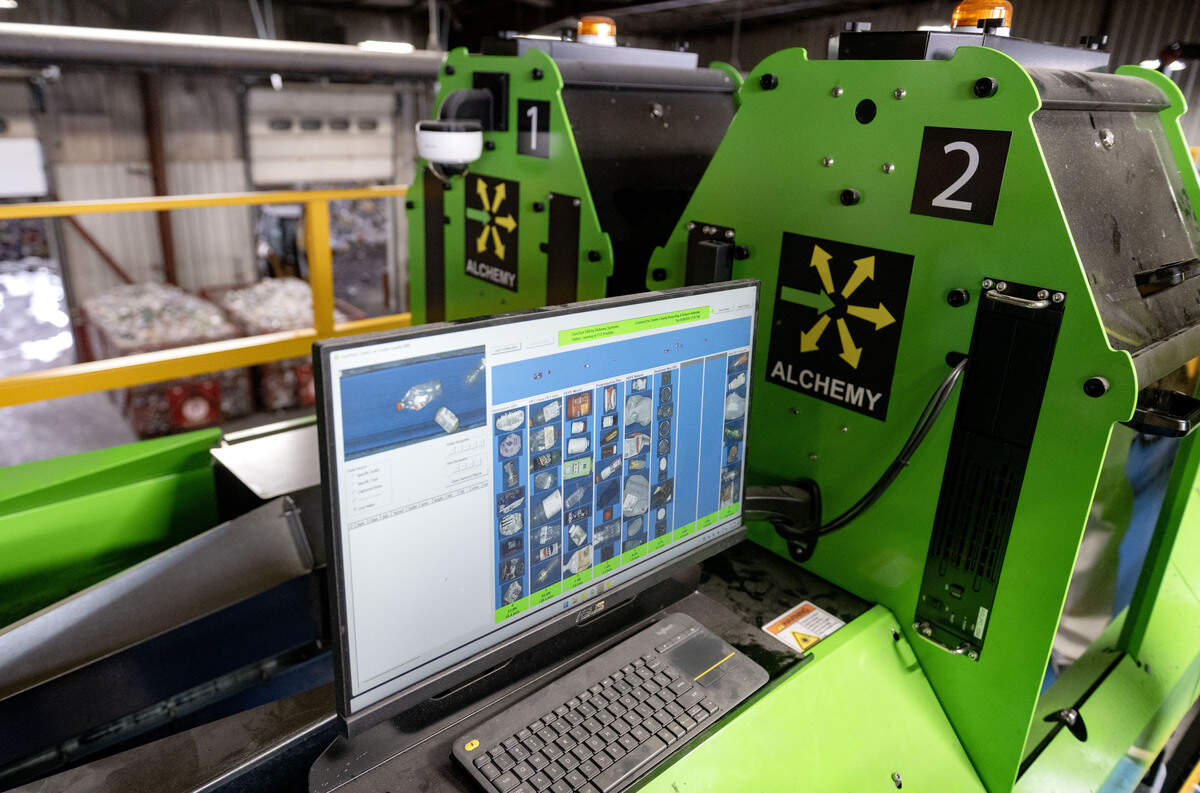
The system uses a high-powered camera along two conveyor lines to recognize and sort different varieties of plastic, aluminum, tin and other materials within a fraction of a second. Once identified, the machine then directs a burst of pneumatic air at the object, knocking it into its corresponding container, which can be filled, baled and shipped.
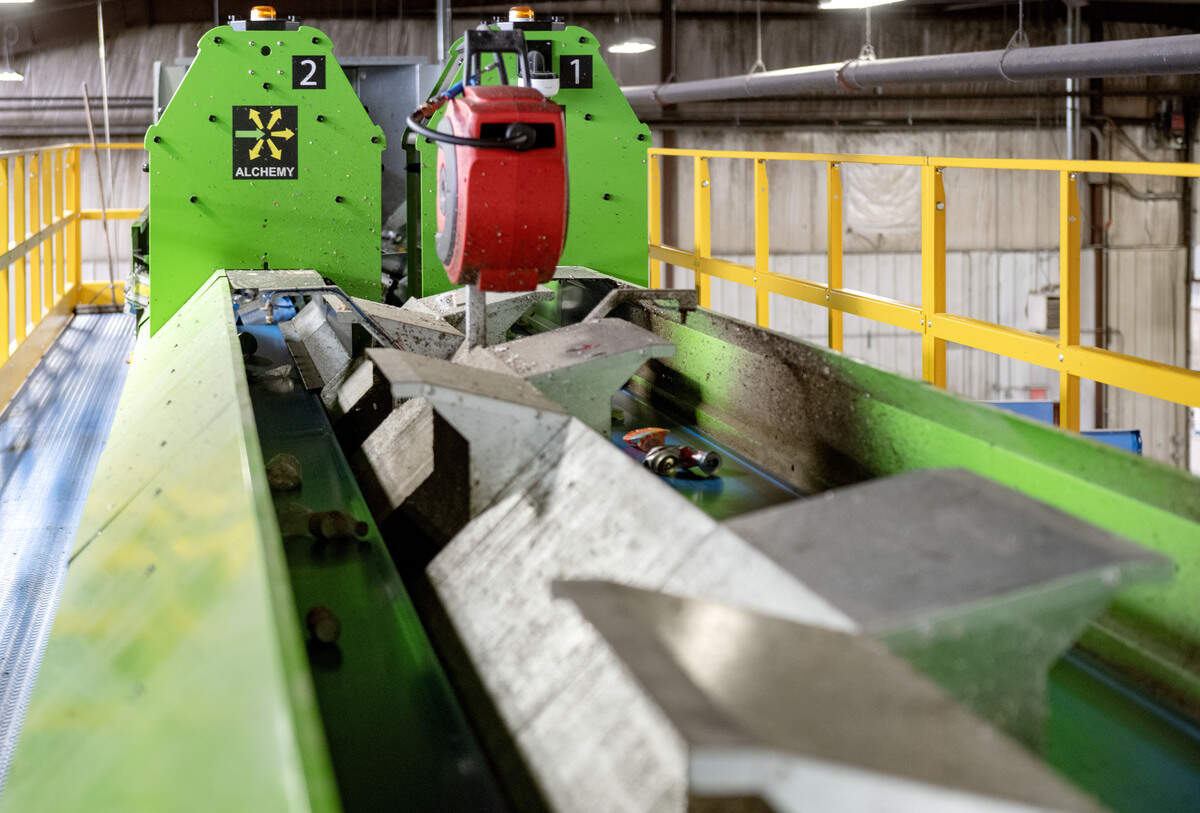
The camera also assesses the shape and weight of the material it scanned, modulating the pneumatic airflow and directing where to best strike the object to sort it into the proper container.
“It’s increased our throughput significantly,” said operations supervisor Alan Redmond. The facility, which once took a day and a half to process an average load of metal or plastic, can now sort both in a day.
“It’s a speed thing, it’s an efficiency thing,” Neidig said. “It’s a continuation of what we do now, just a little bit faster.”
What’s next for the CCRRA?
The CCRRA have not sacrificed employees for output, however. Neidig said the facility’s 74 staff members — including those who once worked on the manual sorting line — are all still employed, though some are in different roles.
“There is still a lot that has to be done manually,” Neidig said. “We’ve been able to shuffle people into different positions ... there’s still a lot of manual involvement.”
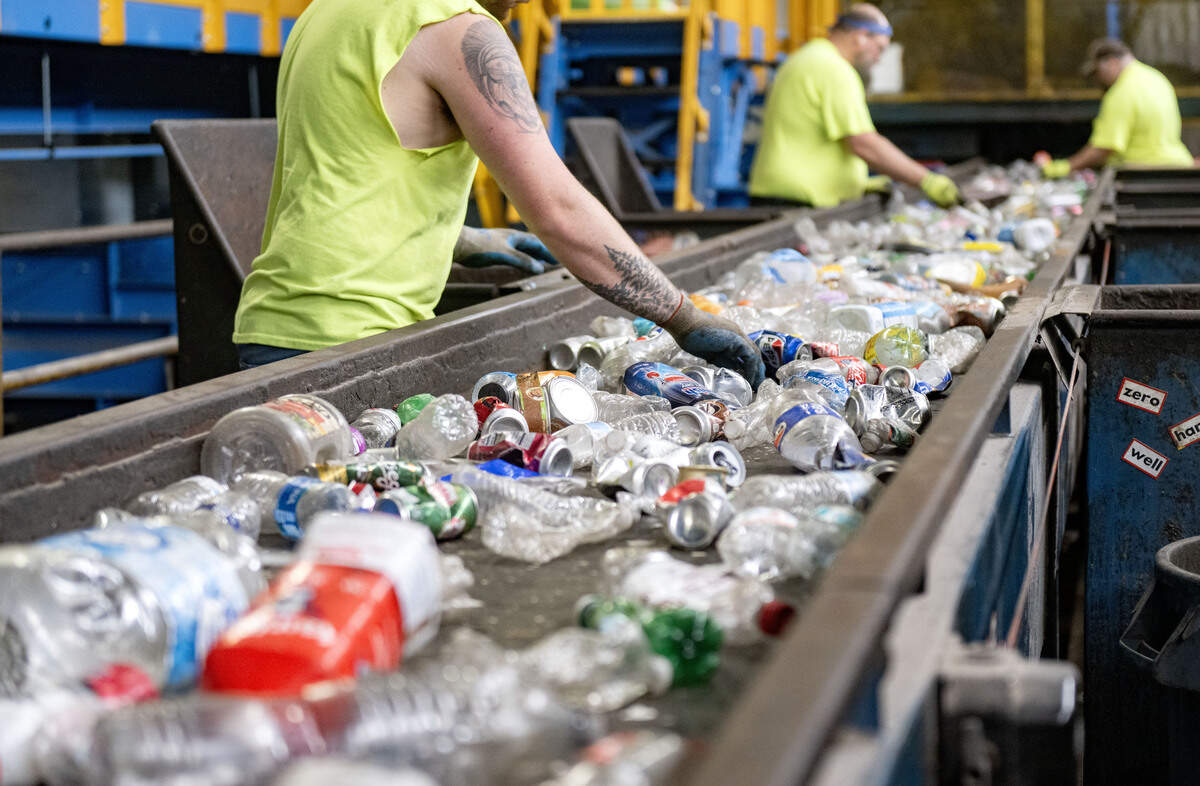
While the AI system is effective in recognizing most varieties of recyclable materials, the process is not foolproof, still requiring human oversight to recognize and sort objects the machine cannot.
When the AI does not recognize a product along the line, it continues to cycle through the conveyor until it is identified. A team of three to four human sorters is present on the line at all times to process such materials, compensating for the machine’s blind spots.
Those who were removed from the sorting line entirely were retrained to fill positions within the refuse portion of the facility or to help the CCRRA expand their recycling capabilities beyond its current scope.
“We’re always looking to enter different areas of the market,” Neidig said. “We’re exploring glass right now and the possibility of processing glass, so we’ll need people in order to handle that process.”
The CCRRA currently collects and separates whole glass bottles rather than cullet, the crushed raw material often used in glass recycling. The facility recently accepted a $75,000 grant from the Department of Environmental Protection to introduce glass processing and retain the economic benefits of its value, according to a press release from the Centre County Board of Commissioners.
“We take pride in recycling everything possible,” Redmond said. He believes that the way the CCRRA has implemented AI aligns well with this philosophy, fulfilling the facility’s obligation to the public and doing right by its employees.