
Over the garden fence: How to grow blueberries in central Pennsylvania gardens
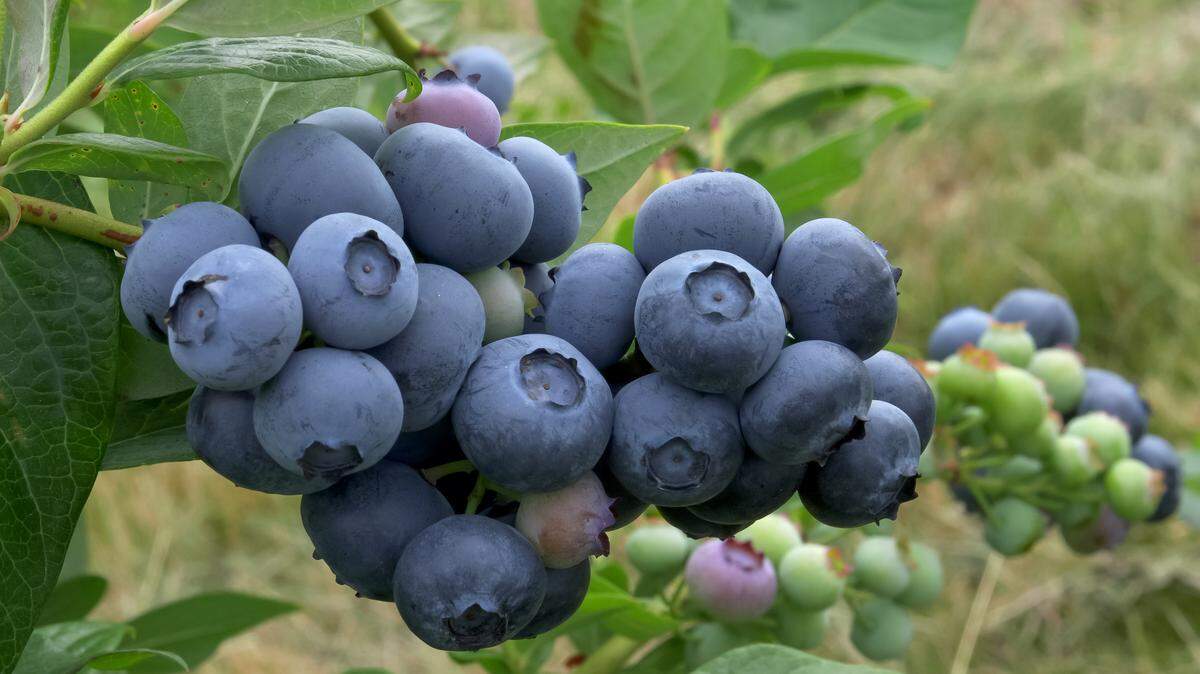
One of the most frequently recurring questions our Master Gardener Hotline receives each year is, “How can I grow my own blueberries?” Fresh blueberries are the ultimate taste of summer in central Pennsylvania, with the season peaking July through August. These little gems pack a sweet and nutritious punch, perfect for eating out of hand or incorporating into seasonal treats.
Although blueberry plants are native to North America, they’ve only been commercially cultivated for a little over 100 years. And blueberries are part of an entirely different plant family from most other food crops, the Ericaceae family, which also includes azaleas, rhododendrons and mountain laurel. When hiking through many of PA’s natural areas, you’ll often spot these species growing together, as their needs are similar. The soils they prefer are typically low in pH (i.e., acidic), high in organic matter, low in phosphorus and calcium, and porous — not the heavy clay, high pH (alkaline) soils that are much more common in most of Centre County’s suburban landscapes.
For anyone wishing to grow blueberries, a soil test is the essential first step. (You can find directions to submit soil samples to the PSU Agricultural Analytical Services Lab at agsci.psu.edu.) According to Penn State Extension, the optimum pH for blueberry growth is 4.5 to 5.0 (or up to 5.2 in a clay soil). If your soil pH is above 5.2, your easiest option is to grow in large containers. There are several cultivars that have been specifically developed for containers, including the Bushel and Berry series and half-highbush hybrids such as “Northblue” and “Northcountry.” You’ll still need to test the soil before planting, but it will be easier to create and maintain the proper acidity. A suitable mix could include 40% peat, 40% coir, and 40% perlite, or a mixture of half peat and half coarse sand.
While many blueberries are self-pollinating, research suggests that planting more than one cultivar often results in better yields. For instance, if you choose a half-high variety like “Northblue,” pair it with another like “Northcountry” for best results. You’ll want to use a soluble fertilizer designed for acid-loving plants, and be sure to follow the directions. Blueberries are sensitive to chemical fertilizers, which can burn their roots if applied too heavily. Be sure to provide at least one inch of water per week during the growing season, and plan for winter protection. Even hardy varieties are susceptible to winter-kill when those cold winds start blowing. You can protect the root systems through the frigid months by sinking the pots into the ground or mounding soil around them.
But if you’re really set on good-sized planting, and your pH is high, you’ll need to be willing to commit to a long-term soil management project. To help you make your blueberry dreams come true, Extension offers a comprehensive guide to establishing a successful blueberry planting here: extension.psu.edu/site-selection-and-preparation-for-home-blueberry-plantings.
In the garden this month:
Deeply water vegetable gardens and container plants as needed, especially during hot weather. For containers, check soil moisture daily.
Weed regularly to prevent competition for water, nutrients and light. While you’re at it, inspect your plants for any sign of disease or insect problems.
Now’s the time to sow cool-weather seeds for the fall garden — broccoli, carrots, leafy greens, etc.
Continue deadheading flowers to encourage continued blooming, and fertilize flowering annuals and container plants as needed.
Compost lawn clippings and garden waste (excluding diseased plants).
Finally, spend lots of time in your garden and enjoy its midsummer bounty!
Lisa Schneider has been a Master Gardener volunteer since moving to PA in 2017. Have a home gardening question? Email CentreMG@psu.edu.