
Centre County could be among the first areas to reopen in Pennsylvania. Here’s what it means
Centre County could be among the first in the state to be gradually released from Gov. Tom Wolf’s stay-at-home order, according to a statewide plan announced Wednesday.
Wolf plans to begin easing pandemic restrictions May 8 in northcentral and northwestern Pennsylvania, areas of the state that have not been as severely affected by the new coronavirus.
The northcentral region includes Centre and 11 other counties while the northwest region has 13 counties, including Clearfield County.
Centre County has the most confirmed COVID-19 cases — 76 — as of Thursday in either region poised to enter the “yellow stage” of reopening.
What does the Pennsylvania reopen plan look like?
A region or county will need to average fewer than 50 new positive cases of the virus per 100,000 residents for 14 days in order to emerge from the lockdown.
The regional, color-coded approach will utilize a three-phase matrix to determine when counties or regions are ready to begin easing some restrictions on work, large gatherings and social interactions.
Right now, all of Pennsylvania is “red,” meaning all 12.8 million residents are under stay-at-home orders and all non-life-sustaining businesses are closed.
Regions and counties can move from red to yellow, and then yellow to green. Counties may also revert back to “red” status if needed, Wolf said Thursday during a conference call.
The decision to move to a new phase will be based on state Department of Health Metrics and a data tool developed by Carnegie Mellon University.
What is permitted when restrictions ease?
As areas move into the yellow phase, residents will be permitted to leave their homes and in-person retail will be allowed to resume, though curbside pickup and delivery are preferred.
Schools, indoor recreation, health and wellness, and all entertainment facilities will remain closed. Restaurants and bars will still be limited to carry out and delivery only.
Large gatherings of more than 25 people would still be banned, and congregate care and prison restrictions will remain. Working from home conditions must continue where feasible.
“The purpose of this phase is to begin to power back up the economy while keeping a close eye on the public health data to ensure the spread of disease remains contained to the greatest extent possible,” Wolf said.
Some details have not been worked out, including a metric to move from yellow to green, but the eventual transition to green is set to lift all mitigation orders.
Will reopening the county lead to more cases?
Centre County residents were ordered to stay at home March 28, meaning the order would have been in effect for 41 days if the county hits its target reopening date.
While the partial reopening could be a boon to the economy, it could also lead to a surge in new cases.
That’s one of the chief concerns of Centre County’s government, county Commissioner Mike Pipe said Thursday.
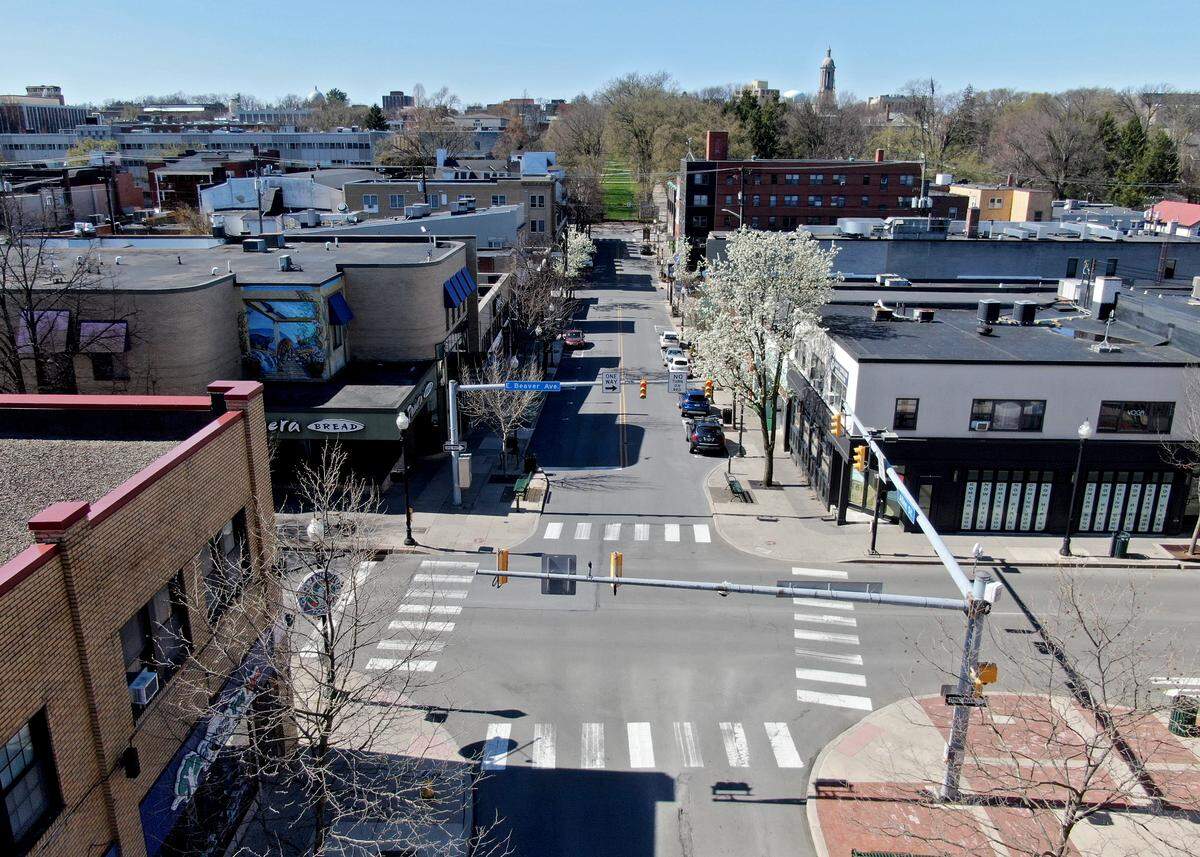
Testing capacity, test results and contact tracing programs are “critical” factors that should be evaluated before a decision is made to gradually reopen the county, Pipe said.
The decision, however, is almost entirely out of the county’s hands.
Centre County does not have the authority to implement a stay-at-home order if Wolf’s order is repealed, Pipe said. The only counties that can implement a stay-at-home order are those with either county or municipal health departments.
“The virus determines the time frame, but I think we the people also control how much is spreads,” Pipe said. “If we continue to wash our hands, do universal masking and socially distance ourselves, it’s gonna be much hard for the virus to be in control.”
When will Penn State reopen?
Nearly every university or college in the United States is tasked with figuring out when and how they will reopen, largely based on constantly evolving state and federal guidelines.
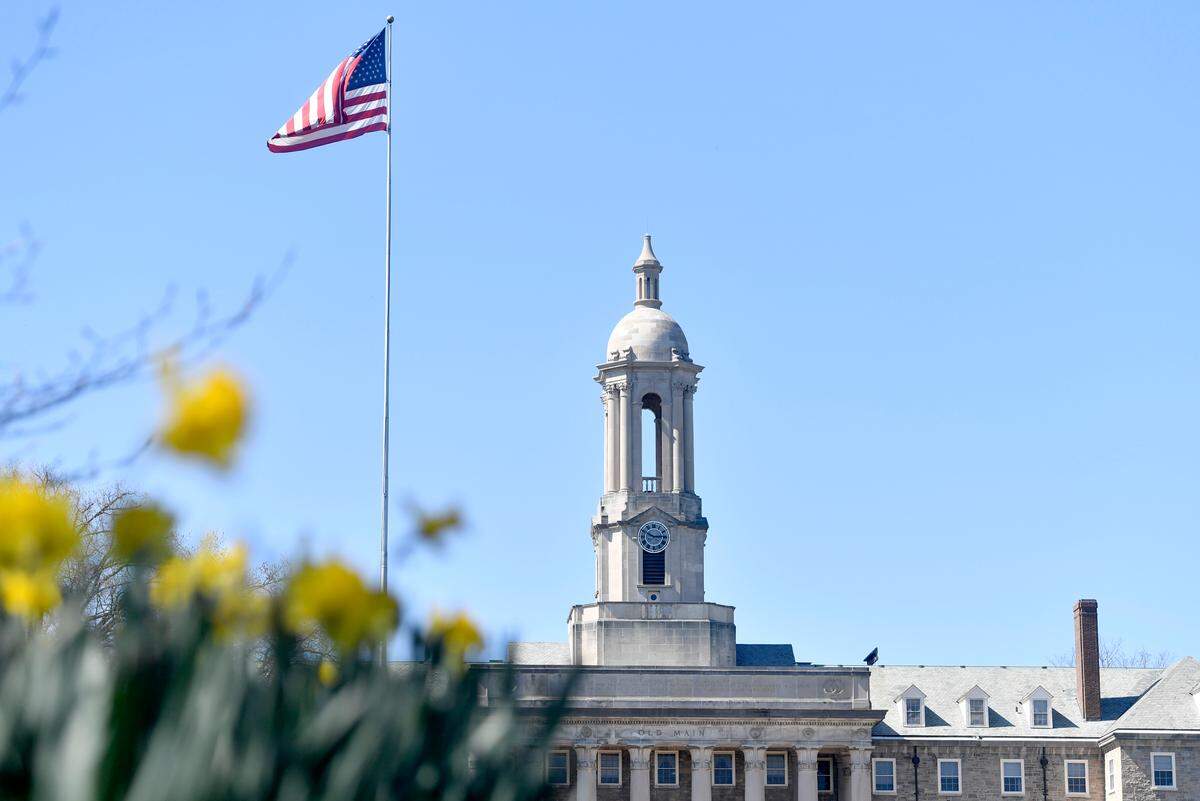
Penn State created new action groups to analyze public health and overlay what a return to Happy Valley looks like for employees and students, university spokeswoman Lisa Powers said in a statement.
The university’s decisions are expected to be “people-focused and mission-focused.” Any plan must be flexible with the future “full of unknowns,” Powers said.
“It is impossible, as everyone has seen to date, to predict the course of COVID-19, so there are multiple scenarios under consideration as we attempt to look at options for fall and beyond,” Powers said. “This is a complex task. Not only are there short-term questions to work through, but there are many long-term challenges as well, not just for Penn State, but for higher education and our nation as a whole.”
This story was originally published April 23, 2020 at 5:03 PM.