Task force to examine Centre County’s mental health services unveils draft report
After nearly a year of work, the State College-Centre County mental health task force held its first public forum Tuesday to unveil a draft report on the state of local mental health services.
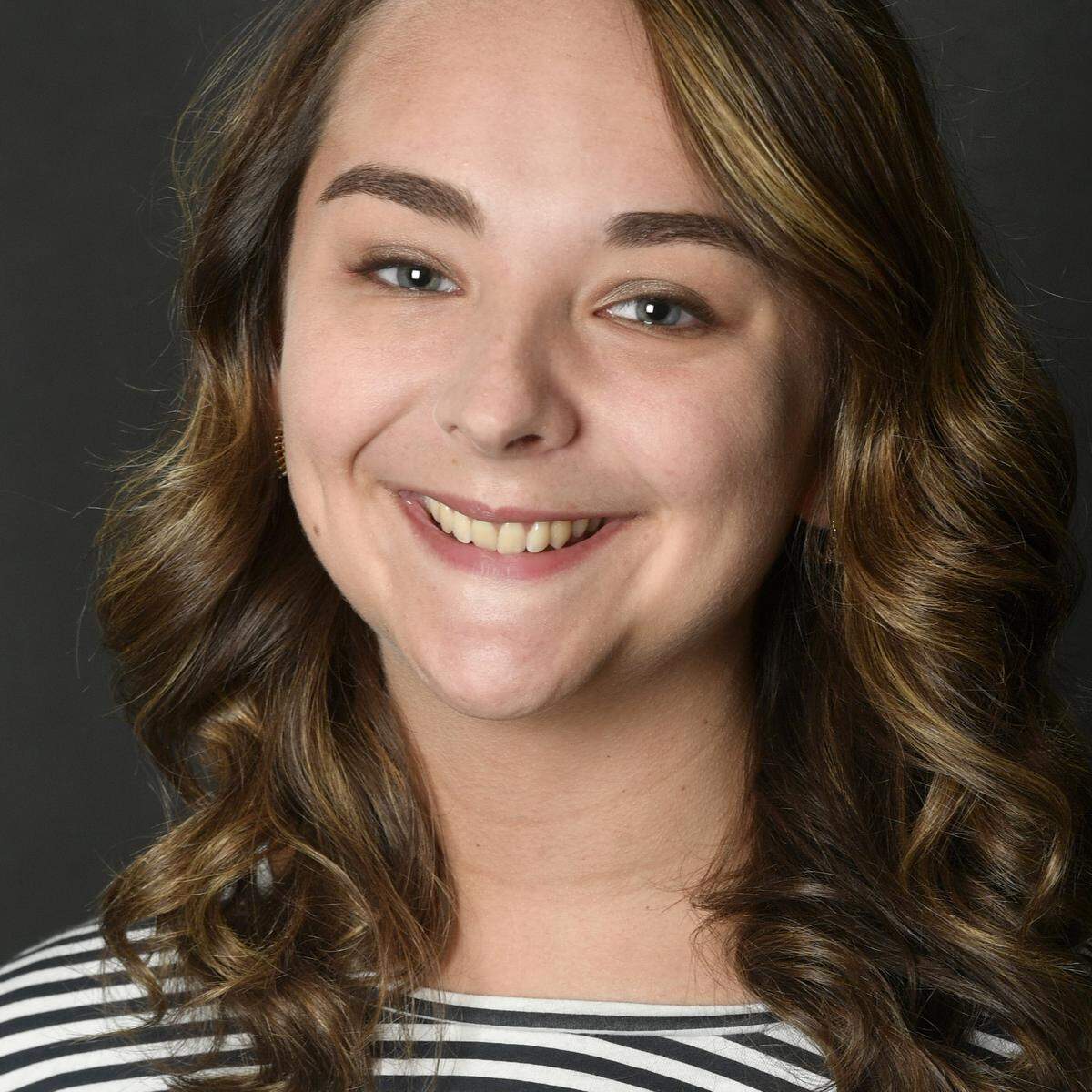
The 30-member task force, formed after the fatal police shooting of 29-year-old Osaze Osagie, is just one step in addressing mental health and crisis services in Centre County, chairwoman Patricia Best said. The body is comprised of health officials, law enforcement and community members.
Its members presented a draft during a virtual meeting held Tuesday, outlining strengths, weaknesses and ways to improve crisis services through mobile crisis services, delegate crisis services, involuntary commitment and the 302 warrant process, law enforcement’s role in crisis intervention, emergency procedures and post-emergency procedures.
Through the report and recommendations, Best said the task force’s goal is to prevent a violent outcome to a person in need of help. The five-page draft includes systemwide recommendations for ways to enhance mental health services through coordination of care, advocacy, training and education and works to incorporate county services, law enforcement, local health systems and delegate services to create well-rounded protocols.
But to create change, Best said Centre County, police departments, Mount Nittany Health and other medical experts must work together to treat and support those in need.
“Real change and enduring change happens one step at a time,” Best said, quoting Supreme Court Justice Ruth Bader Ginsburg. “We have lots of steps that need to go through in these recommendations to bring about that kind of change.”
According to the National Institute of Mental Health, one in five adults experience mental illness; one in 25 experience serious mental illness, and 19% of adults with mental illness have a substance use disorder. In children — ages six to 17 — one in six have a mental health disorder each year.
The Center for Community Resources, which operates 24-hour walk-in mental health services in Centre County, had 238 visitors from January-September, Best said. The help line received 7,646 calls.
“While we know that this is a national concern, with very broad ramifications, it definitely is something that is very important to us locally,” Best said, explaining that local mental health services must work together to ensure residents are cared for.
In addition to refining language, protocols and policies, the task force recommended the creation of a countywide co-responder model, which could involve a combination of law enforcement and mental health professionals or a fully civilian mental health response unit for crisis engagement.
About 10 participants spoke during Tuesday’s meeting, with some asking that police officers not serve mental health warrants. Others suggested that if an officer carries out a mental health warrant, he or she should not carry a firearm. Many thanked the task force for its work and said they were grateful more refined processes are in the works.
The task force also outlined possible ways to implement and monitor recommendations included in the report. The final report will be presented to the Centre County Board of Commissioners and State College Borough Council in November.
“We looked at this as building a scaffold upon which this mental crisis system could build in accountability and reporting and communication,” Best said.
To view the draft recommendations, visit engagestatecollege.us.engagementhq.com/Task-Force.
This story was originally published October 21, 2020 at 3:30 PM with the headline "Task force to examine Centre County’s mental health services unveils draft report."