
Can the Centre Region reduce greenhouse gas emissions by 45% by 2030? Here’s the plan
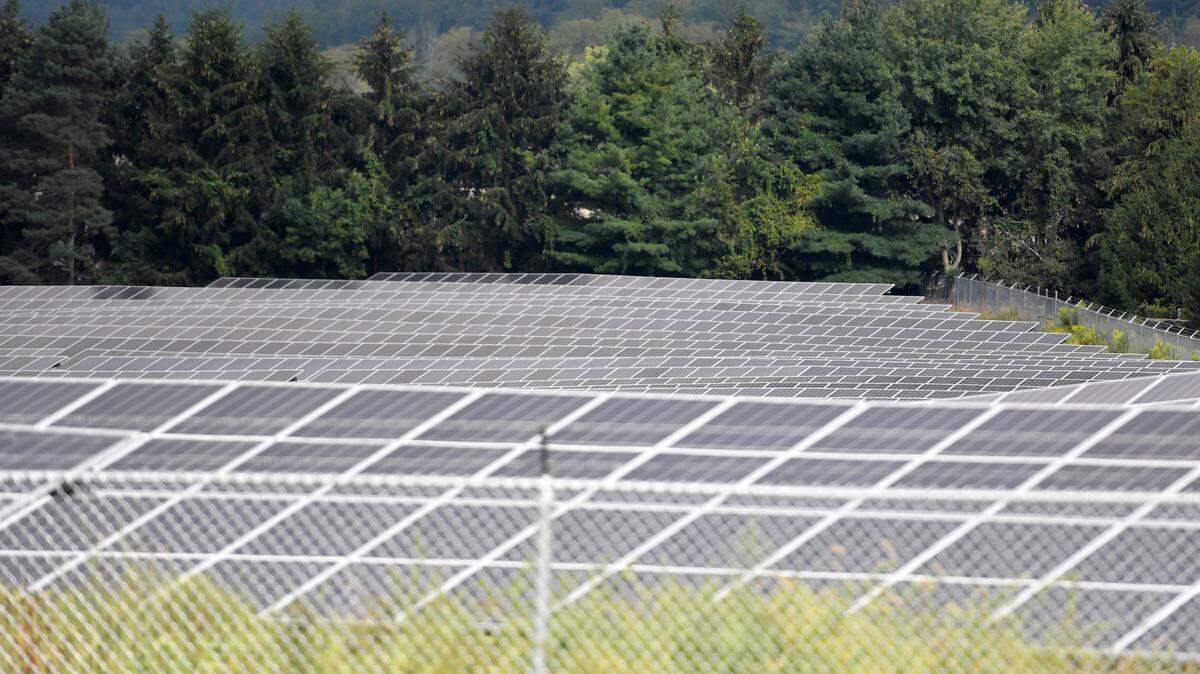
After two years of development, the Centre Region Council of Governments has released its first Climate Action and Adaptation Plan and is now looking for public comment before the ambitious plan is implemented.
The CAAP, which has 82 action items and is 121 pages, aims to reduce the Centre Region’s greenhouse gas emissions by 45% of the 2010 baseline by 2030 and 80% by 2050. The plan focuses on improving energy efficiency in buildings, increasing renewable energy and sustainable transportation usage, reducing solid waste and protecting the region’s land and water.
“With seasonal variations and catastrophic natural disasters becoming more intense and frequent, climate change threatens the health, safety, and overall well-being of communities across the globe,” the plan’s executive summary states. “The Centre Region is no exception.”
Since the plan was released in September, COG sustainability planner Pam Adams has presented it to leaders of the six municipalities that make up COG — State College Borough and College, Ferguson, Halfmoon, Harris and Patton townships. Now, ahead of COG’s Nov. 22 meeting to consider implementing the plan, residents are asked to submit input through Friday at www.crcog.net/caap.
How will the Centre Region reduce GHG emissions?
The CAAP focuses what local government and community members can do to reduce emissions. While Penn State is a participating partner in the “work towards a more resilient community,” the university’s emissions and activities are accounted for separately in its own Climate Action Plan, the plan states.
COG launched the climate action planning process in 2019 with a technical advisory group and also relied on public input, through virtual meetings and surveys, to shape the draft. Adams said she saw “strong community will take action” and a spring 2021 Sustainability Survey garnered more than 1,800 responses.
The plan focuses on both limiting emissions to address climate change and adapting to the way the climate has already changed.
The biggest reduction in emissions in the CAAP comes from increasing renewable energy. The plan aims to transition 10% of homes’ energy usage and 5% of businesses’ energy usage to renewable energy. This makes up 48% of CAAP’s greenhouse gas reduction goal.
Buildings and energy account for the majority of the Centre Region’s emissions, and the CAAP targets them strongest, hoping to reduce their emissions by encouraging homeowners and businesses to adopt energy-efficient practices. This will account for 32% of the decrease in GHG emissions.
Transportation makes up 20% of emissions, and the CAAP hopes to curb those by 16% by increasing public transportation, making it easier to commute by bike and replacing 25% of the community’s cars with electric vehicles.
The remaining goals in the plan — reducing the amount of waste sent to landfills by 25% and preserving and restoring the region’s land and water resources — will be accomplished largely through public-private partnerships and government action. These goals will reduce emissions by a combined 4%.
The CAAP also recognizes the “complex challenge” of preparing for the impacts of climate change and adapting to the challenges climate change has created in Centre County.
“Our community members are seeing an increase in Lyme disease,” Adams said. “As we get more rain, we’ve had mold problems at one school.”
The CAAP highlights areas where the region is threatened by climate change, including infrastructure and natural resources, and offers suggestions for mitigation, like “proactively (planning) for drought scenarios.”
The CAAP also makes use of partnerships with businesses and advocacy groups, like Solar United Neighbors, which Adams said will be useful when disseminating information to the public.

Finally, the CAAP emphasizes that municipal governments should lead by example in areas where it wants the public to improve.
“Before we start trying to explain and tell the community to do” something, Adams said, “we want to share those successes (we’ve experienced within the government).”
How will the CAAP affect residents?
Through the public input process, Adams said it was clear that people wanted the government to tell them what they could do to be more sustainable, but they did not want the CAAP to impose mandates.
“People don’t really like when government gets too much in people’s business,” Adams said. “But (sustainability) is confusing. There’s a lot of information out there, there’s a lot of opportunities, and not everybody knows ... where their focus should be.”
So the CAAP instead instructs municipal governments to educate residents about sustainable choices and encourage them to adopt more sustainable practices.
The logistics of this aren’t exactly clear, but Adams said you could encounter anything from a post on social media to someone knocking on your door.
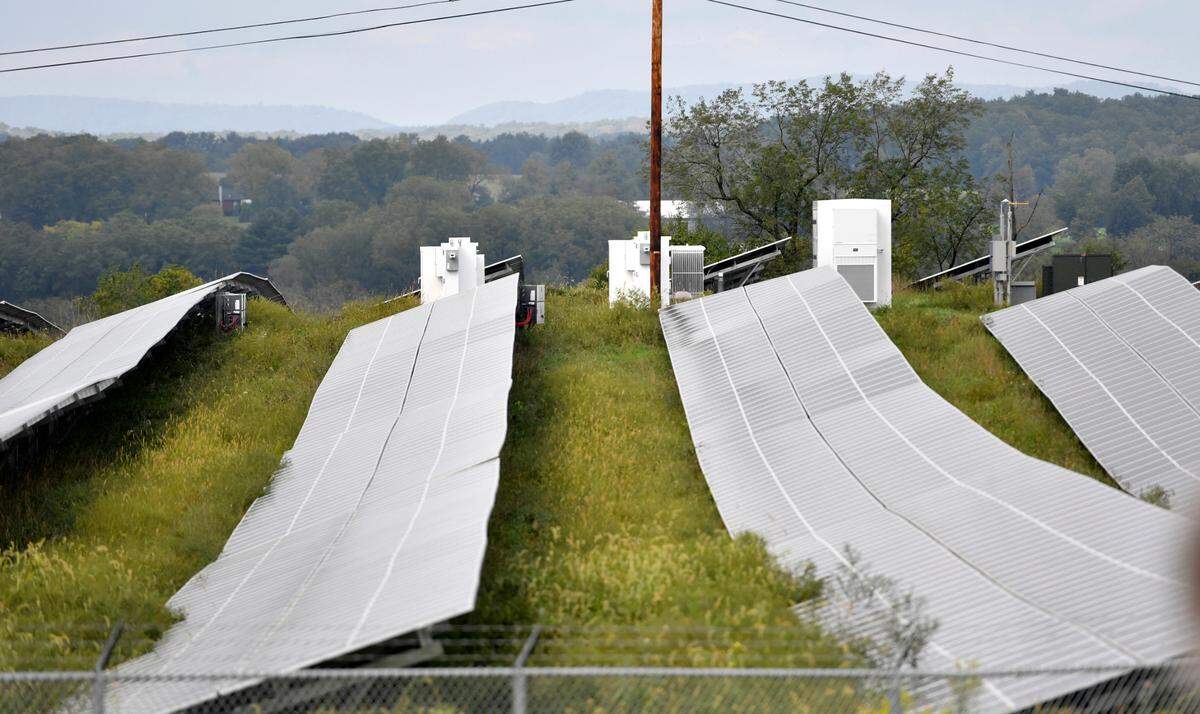
The first time residents might notice the CAAP is being implemented, Adams said, is when they’ll see their local municipal buildings taking action like adding solar panels, increasing bike accessibility, and eliminating turf grass.
Then, Adams hopes to expand and do outreach, holding events where residents learn how to have a more energy-efficient house or how to change their landscaping to reduce risk of flooding.
She also hopes to do outreach neighborhood by neighborhood, enlisting people who are invested in sustainability to implement changes recommended in the CAAP and encourage their neighbors to do the same.
Because the changes the CAAP encourages will be largely positive for residents, Adams and Brandi Robinson, chair of CAAP’s technical advisory group, said the group was comfortable avoiding mandates.
“By making some easy tweaks in our homes and businesses, we can save money,” Robinson said. “Last time I checked, most people are OK with saving money regardless of how they feel about climate change.”
What happens next?
The CAAP is likely to be approved, Adams said, but once it’s implemented, hitting its target in reducing emissions isn’t guaranteed.
First, the lack of mandates means that the plan’s success rests largely on the will of Centre Region residents — and municipal governments’ ability to reach them.
Next, the CAAP instructs COG at several points to advocate for certain policies to the state and federal government.
Although this situation isn’t ideal, it’s worth asking the government to reduce emissions in regions outside of Centre County, Robinson said.
“If we could wave a magic wand and be net zero emissions tomorrow, that would be great,” Robinson said, but “the atmosphere doesn’t really adhere to the same political boundaries that we do for municipalities, states or countries.”
After the Friday deadline for public comment on the CAAP, COG’s Climate Action and Sustainability Committee will revise the plan based on community feedback — Adams said the feedback so far will not lead to any major changes — and send the plan to COG to be voted on at the Nov. 22 meeting.
Once the plan is in place, it marks the beginning of a long-term effort, the draft states.
According to the CAAP, there will be a greenhouse gas emissions profile in 2022, followed by a progress report in 2024. These should be repeated on a regular basis, Adams said.
However, Adams said this may not be the last CAAP.
As COG continues to monitor the levels of greenhouse gas emissions, they can create another climate action and adaptation plan if they are not meeting the current CAAP’s goals, Adams said. If the education and outreach to the public doesn’t work as well as the CAAP anticipated, the next plan might involve stronger incentives or mandates.
This story was originally published October 26, 2021 at 11:58 AM.