
This Centre County township experienced a ‘very concerning’ rise in DUI arrests
DUI arrests in Centre County have remained fairly consistent over the past three years — though statistics that help capture the scope of drunken driving are muddied — with one glaring exception.
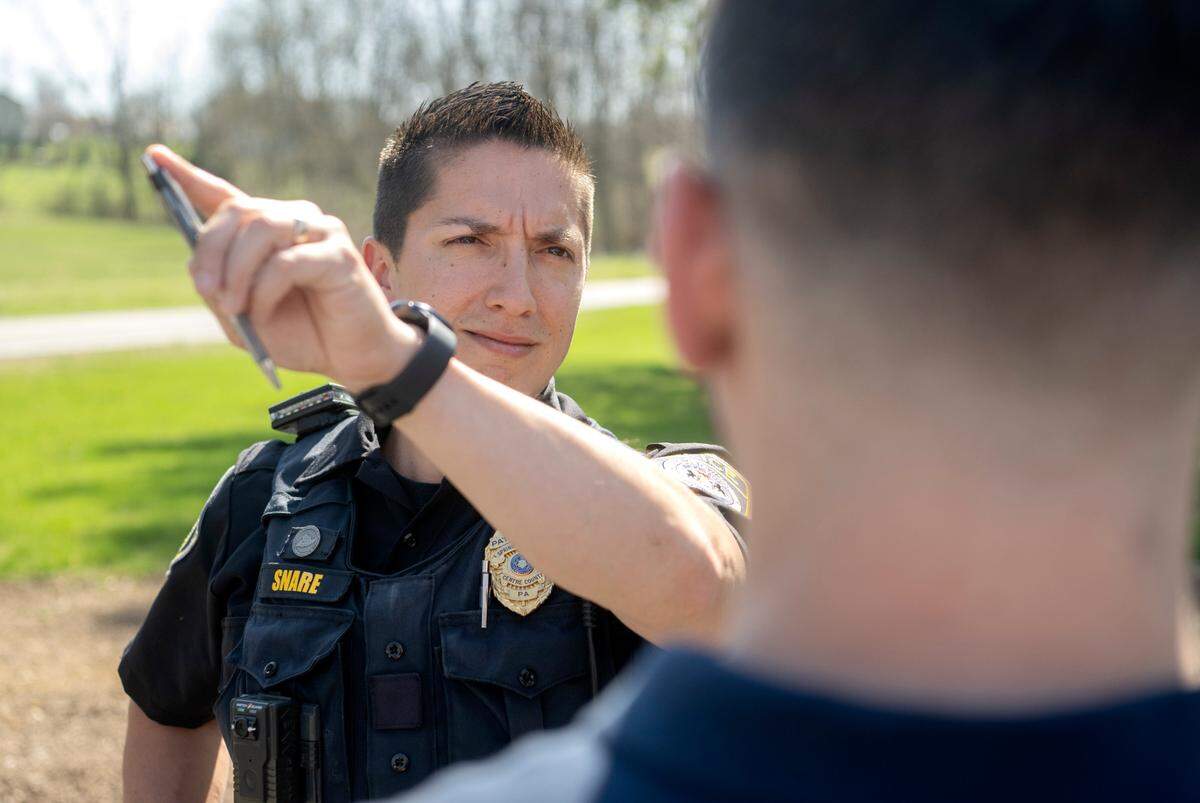
Spring Township police arrests for DUI increased nearly fourfold from 2020 to 2022, rising from 10 to 39, which Chief Adam Salyards described as “very concerning.”
A majority of those arrests were for drunken driving, Salyards said. Police have also arrested people for drugged driving, which Salyards said is often more difficult to detect and test.
The small department — you can count its number of officers on two hands — has not seen any major additions or reductions in manpower.
Dave Andrascik, a drug evaluation and classification program coordinator for the Pennsylvania DUI Association and former Pennsylvania State Police corporal, said it’s possible such an increase could come from a single gung-ho officer.
“Making a DUI arrest for a police officer is extra work. They don’t get paid anything extra. It’s like volunteering to do more work at your job,” Andrascik said. “You may add two, three, four hours of paperwork and court testimony and preparation. You don’t have to do it.”
But Salyards, who began leading the department in May 2021, said his eight officers have placed a “renewed focus on DUIs.” The township hired a new officer because of the township’s growing population and growing call volume.
The hire also gave the department an ability to cover more shifts at peak times, Salyards said.
In addition, a handful of establishments that sell alcohol have recently opened in the Bellefonte area, increasing its availability.
“This should be a gut check for everyone in the community to look and evaluate what’s going on,” Salyards said. “You shouldn’t get behind the wheel of a vehicle after you’ve imbibed in alcohol. You are impaired and there’s research to show the impairment with only a drink or two. I just really want people to be cognizant of what they’re doing after they’ve consumed alcohol.”
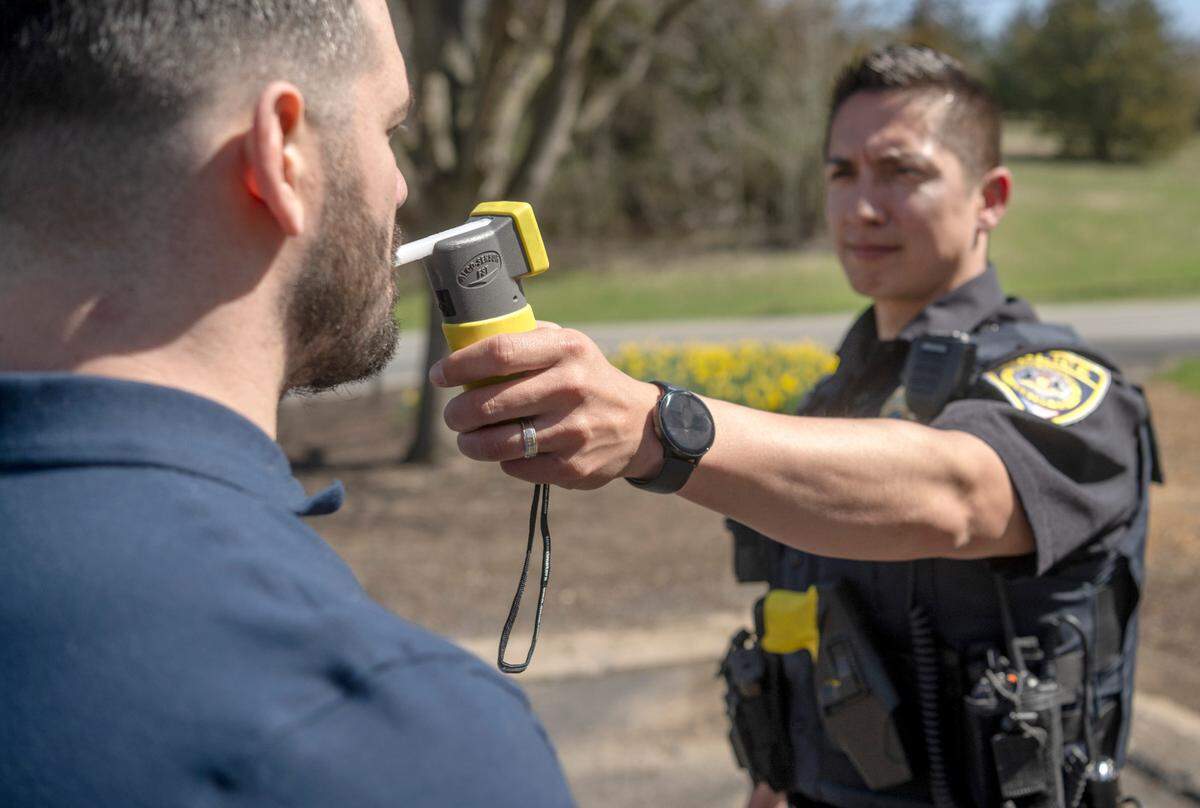
Those that track arrests for what can be a deadly crime include the state’s more than 1,000 municipal police departments, a number that’s obscure on its own. The Pennsylvania State Police — one of the largest departments in the U.S. — tracks its own arrests.
Data collected by the administrative arm of the state’s highest court offers a ballpark glance, but it rarely matches what’s reported by police departments. Pennsylvania Department of Transportation data only includes crashes where any driver was impaired.
The patchwork system shows DUI arrests remained fairly consistent over the past three years countywide, though there’s plenty of variation in its 35 municipalities.
More than a dozen municipalities in Centre County averaged fewer than five DUI arrests per year from 2020 through 2022. All are rural and covered by state police at Rockview.
State College police — which covers the borough, Harris and College townships — made 117 DUI arrests last year, data from the state’s Uniform Crime Reporting System showed. That was a 2.5% decrease from 2018.
Ferguson Township — one of State College’s neighbors — saw a steep drop in DUI arrests in the past decade. Officers made 23 arrests last year, an 82% decrease from the 129 arrests they made in 2013.
That came as no surprise to township police Sgt. Ryan Hendrick, who has led the Centre County Alcohol Task Force since 2005.
As State College grew, more and more people flocked to the townships that surround the borough. Three of the Centre Region’s main roads — Atherton Street, Blue Course Drive and College Avenue — all run through Ferguson Township.
In 2013, Uber had not yet made its way to 100 cities. Lyft was still in its infancy.
“There was very limited means of getting home safely short of a few taxis. You literally could not get a taxi. The demand was higher than the supply, so people would drive drunk,” Hendrick said. “Nowadays, with Uber and Lyft, you can get a ride. ... If you want a ride, it’s right there. It’s easy.”
Salyards said the availability of ride-hailing services such as Uber and Lyft has followed as quickly in Spring Township — a rural area of about 8,000 people.
Serious or fatal crashes that involved an impaired driver seesawed during the past two decades, PennDOT data showed. There were as many as two dozen such crashes in 2003 and as few as nine in 2013 and 2019.
There were 20 crashes in 2021, the most recently available data showed.
“There’s not a decrease in the number of impaired drivers on the road, I can tell you that,” Pennsylvania DUI Association Executive Director Leo Hegarty said. “If anything, it’s greater than or equal.”