
UPMC Altoona is downgrading its trauma center. How will that affect Centre County?
UPMC Altoona recently announced that it will be downgrading its trauma center from Level II to Level III, a move that will make Centre County even farther from a facility that can provide care to patients with severe traumatic injuries.
The switch, which takes effect on Sept. 10, is due to a decrease in complex trauma patients seen at the facility each year, a UPMC spokesperson wrote in an email.
“In review of our highest acuity trauma volumes, we believe that most of the current traumatic injuries seen at UPMC Altoona will continue to be serviced in our program, whether a Level II or Level III designation,” the spokesperson wrote. “And as we already do, if we receive a patient with complex or multi-system-related traumatic injury, we will transfer them to a higher acuity setting.”
According to the Pennsylvania Trauma Systems Foundation, of the four levels of trauma centers, Level I and Level II are the highest and have the ability to treat almost any kind of trauma.
Level IV trauma centers are lowest, typically providing initial care and stabilization before transferring patients to a higher level facility. Level III trauma centers “have services to care for patients with moderate injuries and rapidly stabilize and transport the severely injured trauma patient to a higher-level trauma center,” PTSF’s website states.
While Centre County now has a growing number of health care options and two hospitals — Mount Nittany Medical Center and the recently-opened Penn Highlands State College — neither currently has a trauma center, though plans are in the works for low-level centers. Hundreds of patients are flown from Centre County each year for treatment of traumatic injuries, and the most common destinations are UPMC Altoona and Geisinger Danville (Level I), the CDT reported last year.
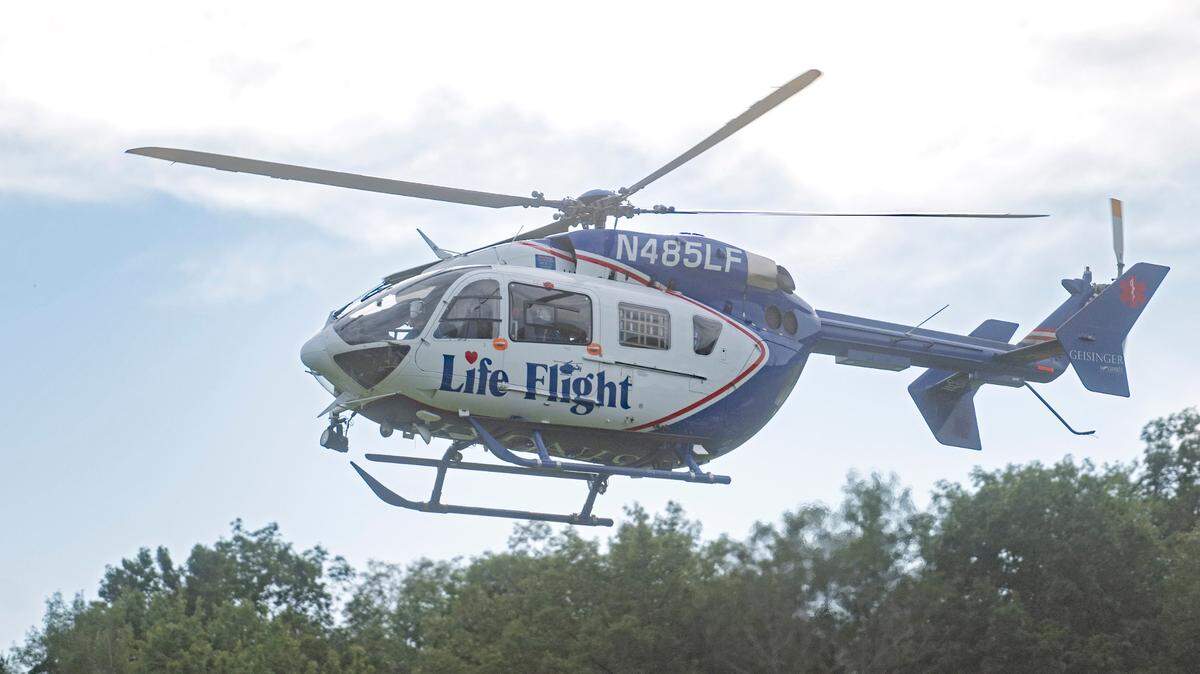
UPMC Altoona is 45 miles from State College, and has been the closest Level II or higher trauma center to Centre County. Valerie Reed, a spokesperson for Geisinger, told the CDT last summer that it takes 18 minutes to get to the Altoona hospital by Life Flight helicopter, depending on the weather.
After it downgrades, the closest Level II facility will be Penn Highlands DuBois, which is 65 miles from Mount Nittany and was accredited at that higher level last year.
Following Penn Highlands DuBois, the next closest Level II or higher trauma centers to State College are UPMC Williamsport at 66 miles (Level II), Geisinger Danville at 82 miles (Level I) and Conemaugh Memorial Medical Center in Johnstown at 90 miles (Level I).
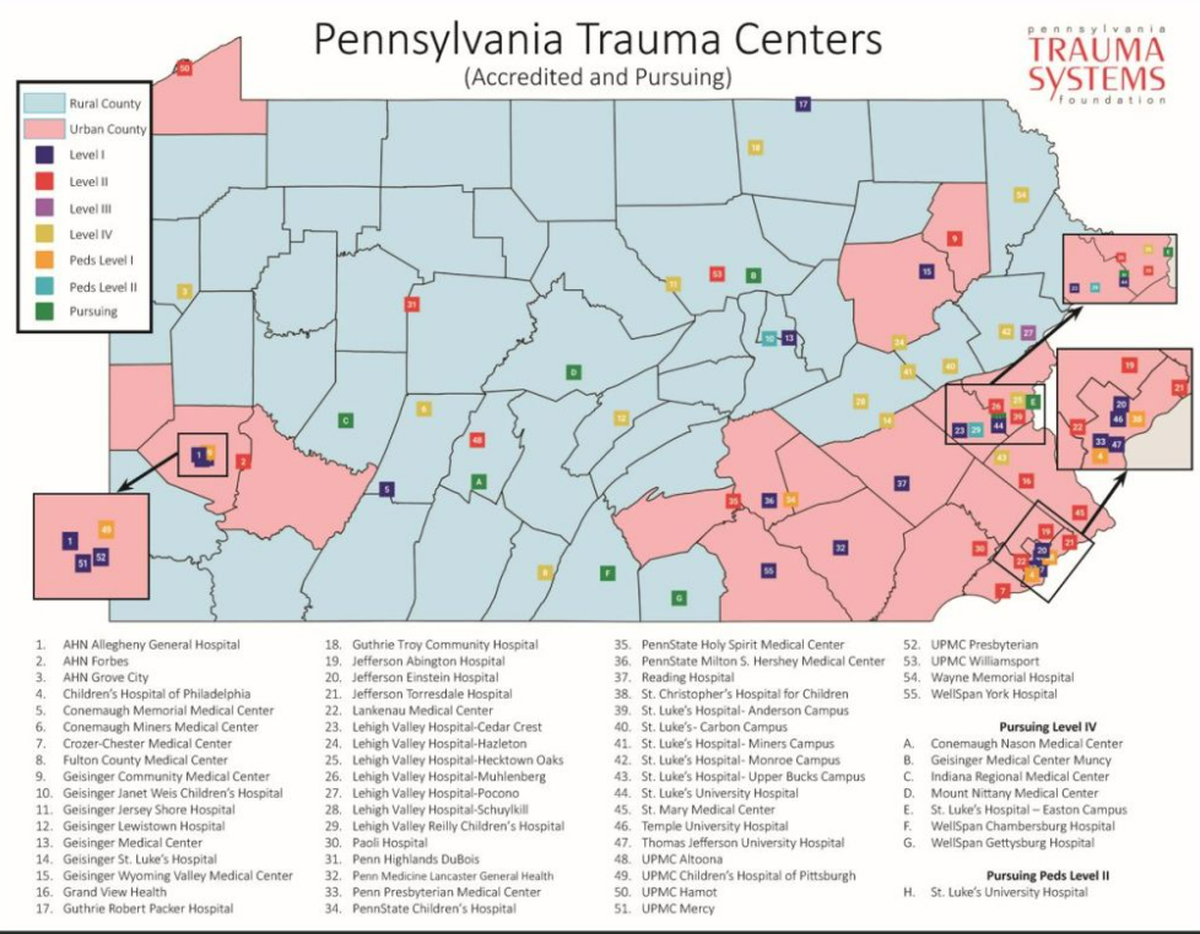
Geisinger Lewistown is the nearest trauma center of any level from Centre County, but at Level IV, patients are not typically transferred there because of their limitations. Geisinger Jersey Shore and Conemaugh Miners Medical Center in Hastings are also Level IV trauma centers.
State Rep. Paul Takac, D-College Township, said the lack of a trauma center in Centre County is “absolutely a concern.”
“Not having easy access to an established trauma center in Centre County is a huge issue, and one that I think should be taken very seriously,” he said. “Knowing that trauma patients in Centre County have to get transported to a hospital that’s over an hour away is very sad reality and absolutely puts lives at risk.”
The lack of a trauma center in Centre County is part of a greater overall problem across Pennsylvania, where certain medical needs aren’t being addressed in rural areas, he said.
Mount Nittany Health announced plans last summer to add a Level IV trauma center, and spokesperson Tania Luciow wrote in an email last week that the health system is “continuing its efforts toward Level IV trauma accreditation.”
Until Mount Nittany’s Level IV accreditation is received, the hospital will continue to prepare and transport trauma patients of all levels to an appropriate trauma center. Which trauma center patients are transported to depends on their own unique situation, Luciow said.
Penn Highlands State College has said it also plans to pursue Level IV trauma center accreditation for its new hospital, but a spokesperson did not respond when asked for an update on the process.
“It goes without saying that a trauma center would be a welcome addition to our community’s health system,” Centre County Administrator John Franek wrote in an email. “Trauma centers not only provide surgical interventions but can also provide access to a range of support services including rehabilitation, mental health care, disaster response and overall community resilience in times of crisis.”