
Celebrate chocolate season at these popular Happy Valley spots serving up hot cocoa
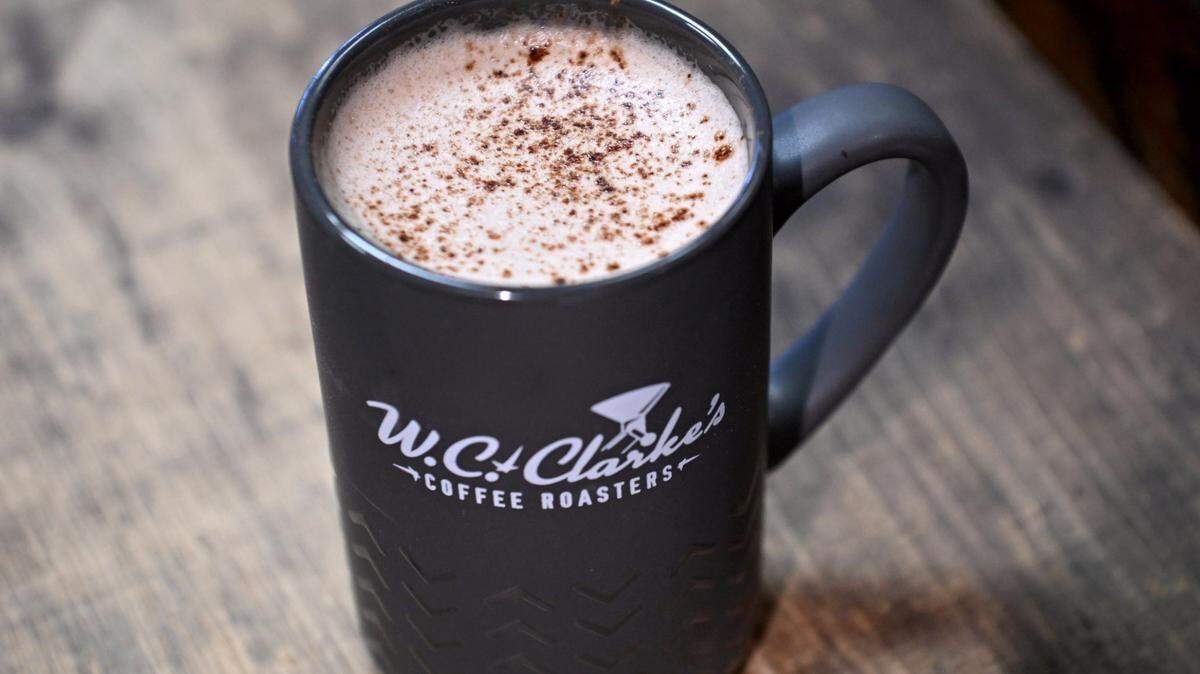
With the denial of dry January behind us, we can all look forward to the indulgence of February. Sure, it is still winter, but the daylight hours are lengthening, and chocolate is the featured food group. It’s a good time of year to focus on the sweeter things in life, starting with a steaming mug of hot cocoa.
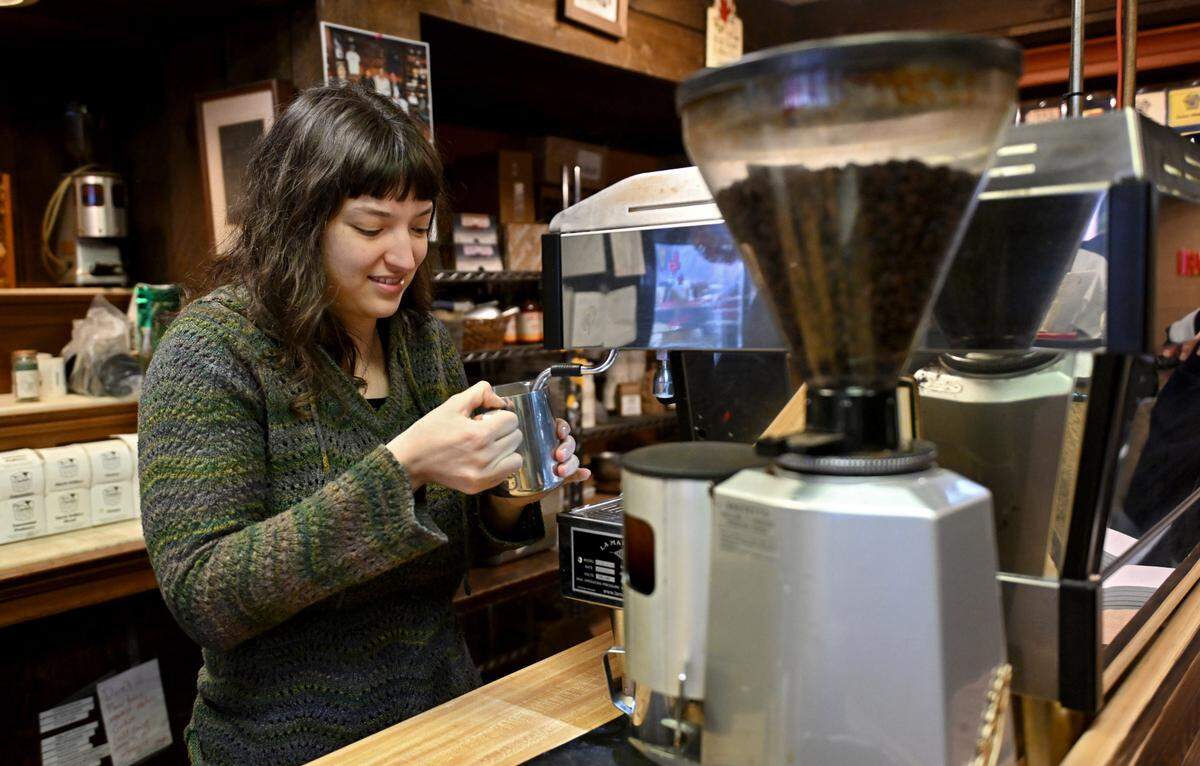
The Cheese Shop on Calder Way is a unique shop, once called a “coffee pub” by some of the regular denizens that cluster in the morning for lively conversation and a cup of Joe from freshly roasted beans. But this iconic shop has more to offer than the cheese in its name or the coffee you smell and see in the roaster. They also make hot cocoa, and sometimes, like in February, a steaming cup of a frothy chocolate beverage is just what you need to endure the last months of winter.
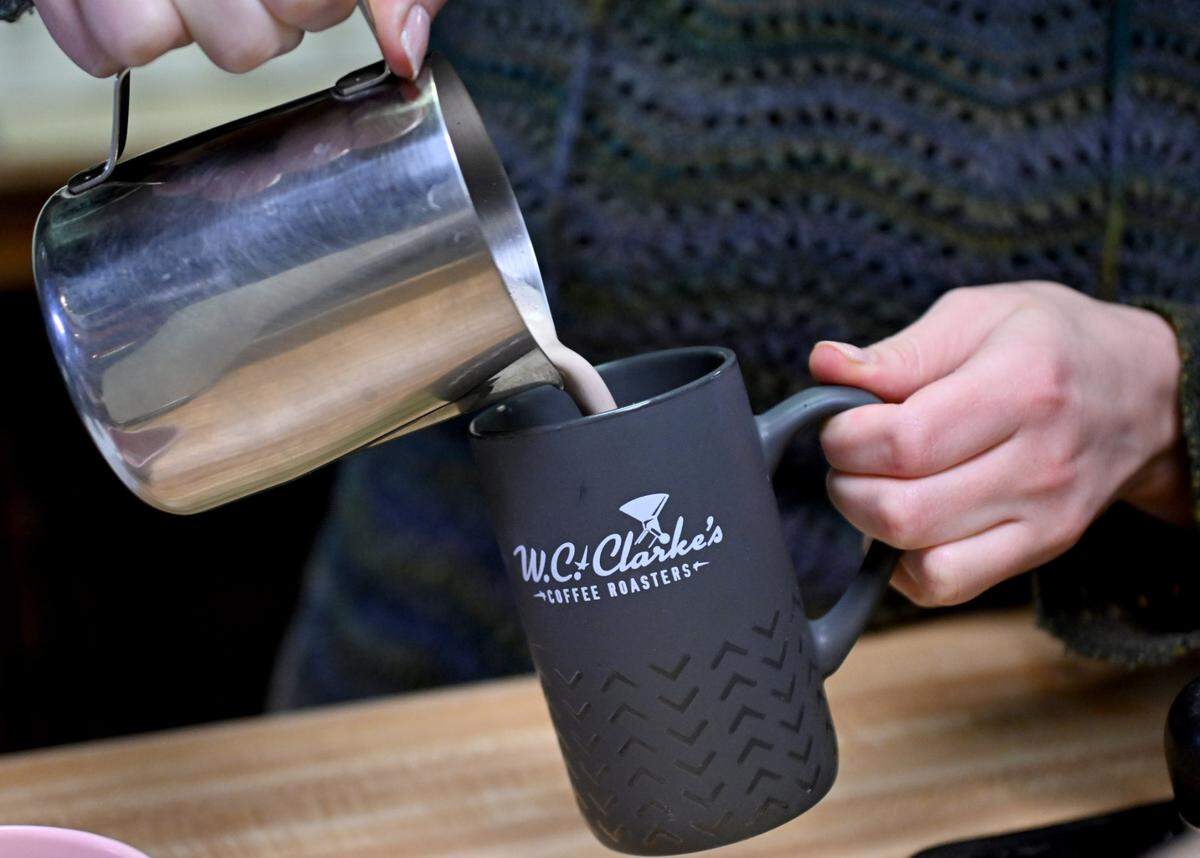
Manager and uber-barista Mark Johnson described his method of making hot cocoa. “We use Ghirardelli cocoa powder and steam the milk — whole or an alternative, like oat. Our mochas are also very popular, with an espresso added to the hot cocoa.” Each cup is made to order, and at $3 for a 12-ounce up, it’s a bargain. A 16-ounce double mocha, with two espresso shots, is $5 and will fortify you for whatever comes your way.
Meyer Dairy is another favorite with locals, for a cup of their chocolate milk served hot with whipped cream. The 10-ounce cup sells for $3.25.
Seth Martin, at Café Lemont, said that they use Meyer’s chocolate milk in their hot chocolate, but they also add a shot of their own chocolate sauce for extra flavor. The chocolate milk is steamed, and they are happy to make it not so hot for children. Topped with whipped cream and dusted with cocoa powder, it is a mug to behold.
Another popular spot for hot cocoa with children is The Corner Room, for a $5 10-ounce mug. Jake Nyman, the general manager, explained that they make a creamy-style drink, and top it with marshmallows, whipped cream, and a chocolate drizzle.
At Good Day Café on West Hamilton Avenue, steamed milk is mixed with Ghirardelli chocolate sauce and topped with whipped cream. Whole milk is the default, but alternative milks are available on request. Prices there are $3.50 for a 12-ounce, $4 for 16-ounce, and $4.50 for a 20-ounce cup.
Native to the South American river valleys, the cacao tree, dubbed Theobroma cacao, which means “food of the gods,” is an evergreen that thrives 20 degrees north or south of the equator. The Mayans took it north to Mexico before the 7th century, where it became an important part of the Aztec diet since the pods, rich with fat, also contain some starch and protein. Legends brought back by the Spanish conquistadors in 1519 tell of Montezuma quaffing cup after cup of a frothy dark beverage that they called “chocolate” or “bitter water.” The word cocoa is an 18th-century corruption of the word “cacao,” the Aztec name for the plant.
The original South American method for making drinking chocolate involved roasting the beans over a fire and then crushing them on a metate, a flat stone with a stone rolling pin that was also used for bread. Once crushed to a paste, they mixed in red peppers, vanilla and water. They whisked the beverage to make it frothy, using a special wooden tool, a molinet, that they rotated in their hands. According to one mid-16th century Spanish traveler who finally tried it, reluctantly, after the wine supplies ran out, “The flavor is somewhat bitter, but it satisfies and refreshes the body without intoxicating: the Indians esteem it above everything ...”
Transported back to the Old World, chocolate drinking became the rage. By the end of the 16th century the Spanish had modified the recipe, removing the red peppers and adding sugar and exotic ingredients from the lands of some of their other conquests — almonds, peppercorns, anise seed, powdered flowers. Soon, they were shipping chocolate paste throughout Europe, where it was enthusiastically received. Chocolate houses opened in London and Paris that rivaled the then-popular coffeehouses, though by this time, all the ingredients except sugar and vanilla were omitted from the recipe.
Brillat Savarin, the French gastronome who lived from 1755-1826, writes eloquently in his treatise “The Physiology of Taste” about a certain chocolate purveyor/pharmacist in Paris who prescribed chocolate to cure the ailments of his clients, including one powerful version, called “chocolate of the unhappy,” that was made with grains of amber regarded as the supreme restorative.
Celebrate this chocolate season with a hot beverage that gives you strength and vigor while opening a window to a past when passion for chocolate ruled the world and empowered everyone who drank from its energizing cup.
The following recipes represent two extremes of beverage chocolate — the complex and the simple. The first is my own rendition inspired by the movie “Chocolat.” The second one is a recipe for a hot cocoa mix, favorite of the younger set. Because it is made with dry milk powder, it is satisfyingly creamy when mixed with hot water. It makes a large amount, but it is handy to have on hand, stored in a container with a tight-fitting lid or packaged for friends on Valentine’s Day.
Hot Chocolate in the Mayan Tradition
Makes about one very rich quart
For the chili puree:
- 3 ancho chiles
- 1 cup boiling water
For the cream base:
- 1 cup heavy cream
- one inch piece of vanilla bean
- 2-inch piece of cinnamon stick
- 8 anise seeds
- 8 dried lavender buds
- 1 tablespoon of the ancho chile puree
- 8 roasted almonds, ground in a mortar and pestle or finely chopped
For the ganache:
- Strained heavy cream
- 3 ounces good quality pure milk chocolate, chopped (one half cup chips)
- 3 ounces good quality pure semisweet chocolate, chopped (one half cup chips)
- One fourth cup of freshly brewed espresso
At serving time:
- 2 or 3 cups of milk
- one half cup heavy cream, whipped
- sprinkling of ground chiles, optional
For the chile puree:
Wipe the chile pods with a damp cloth and remove the stem and seeds. Toast the ancho chiles (available at Houts) in a dry sauté pan for a few minutes, stirring constantly. Place them in a bowl and cover with boiling water. Allow to stand for 30 minutes or so. When the chiles are soft, remove them from the water with a slotted spoon and reserve the soaking water. Place the chiles in a blender and add a small amount of the cooking water. Blend until you have a chile paste. You will have more ancho paste than you need for the recipe, but it can be stored in the refrigerator for another use — or for your next batch.
For the cream base:
Place the heavy cream in a small nonreactive saucepan. Add the vanilla bean, cinnamon stick, anise seeds, lavender buds, 1 tablespoon of the chile paste and the ground almonds. Scald the cream and then reduce to a simmer for about 20 minutes. When the cream tastes significantly infused with the flavorings, strain the mixture to remove the solids.
For the ganache:
Return the strained cream to the saucepan and add both the chocolates, whisking the mixture until smooth. Whisk in the espresso. The mixture can be made ahead and refrigerated until serving time. At serving time, heat the chocolate ganache base in a heavy saucepan, whisking continually, until the mixture is smooth. Heat the milk in the microwave or in the stovetop until it is scalded. Add the scalded milk to the ganache base and continue to whisk until serving time.
Serve the hot chocolate mixture in chocolate cups or fine china cups. Top with a dollop of heavy cream and dust with chile powder, if desired.
Hot Cocoa Mix
Adapted from the Lone Star Legacy cookbook
- 24 ounces dry milk powder (enough to reconstitute to 8 quarts of milk)
- 16 ounces Nestle’s Quik
- three fourths cup of powdered sugar
- 16 ounces non dairy creamer
Combine all ingredients in a very large bowl and mix together. Store in airtight containers. To serve, fill a cup half-way with the cocoa mix and gradually add boiling water to fill it to near the top. Stir and serve.