
What is agroforestry? Local farm makes the most of its location near Rothrock State Forest
Jack Ray’s approach to farming — one that includes agroforestry, foraging and free ranging and pasture-raised chickens — at Treaster Kettle Farm shouldn’t come as a surprise. Before undertaking a career in farming, with his background in sustainable agriculture and ecological design, Ray served as the co-director of the Center for Sustainability at Penn State (now known as Penn State Sustainability).
Ray and his wife, Sarah Decker, originally rented the Centre Hall property before purchasing it in 2014. Ray had already long been interested in foraging mushrooms and raising chickens, as part of an effort to live a healthier lifestyle and avoid purchasing products from factory farms.
“I try to live as much of an outdoor lifestyle as I can and, at a younger age, I began finding mushrooms. I spent a long time studying and eventually received my wild mushroom certification. It was a personal hobby. Mushrooms are super-healthy for us. The nutritional and medicinal value of mushrooms is very understudied,” he noted. “I was also wanting to eat more healthily and live a healthy lifestyle. Industrialized agriculture is really polluting and causing a lot of problems, so I started raising chickens.”
However, it was over the COVID-19 pandemic that Ray decided to turn the farm and his personal endeavors into a full-fledged business.
“We were locked down and had to stay home,” he said. “It really gave us the time to be here, day after day, to do the labor and build the infrastructure ... to take [the farm] to the next level, producing enough excess to sell and getting my licensing.”
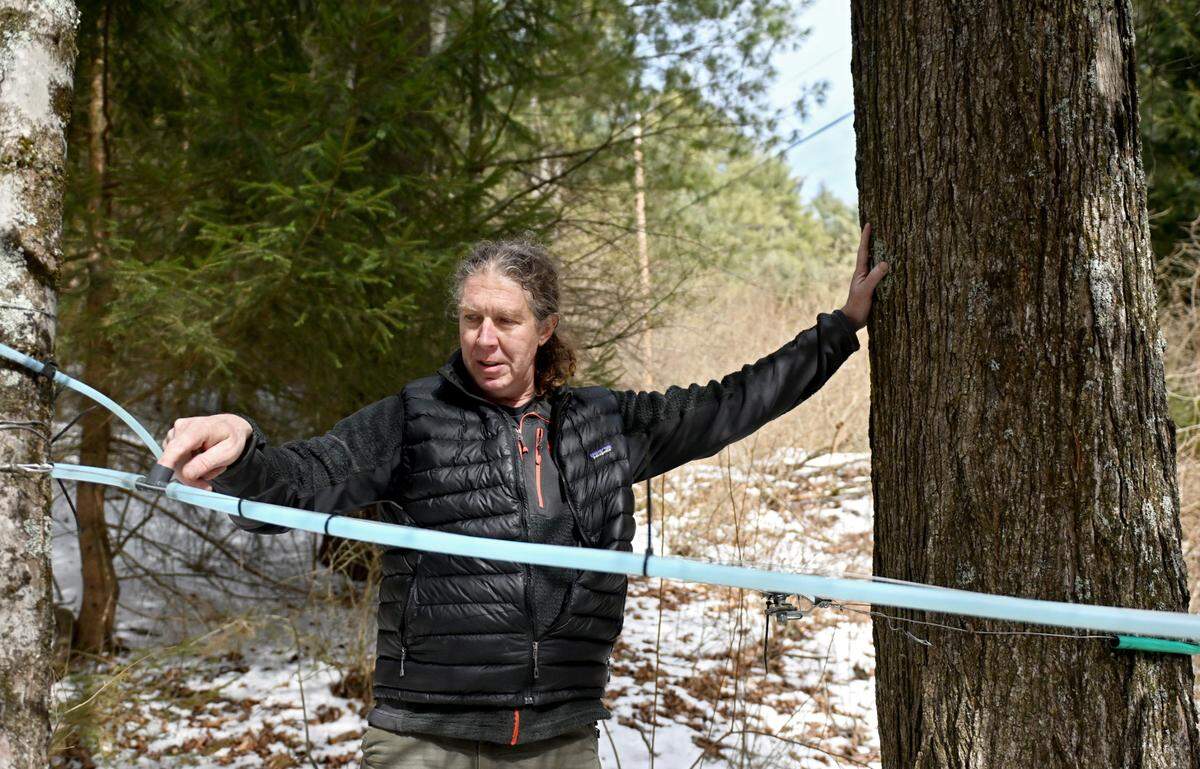
Today, Treaster Kettle Farm is a 15-acre operation, though only two acres are cleared, with the rest consisting of wooded land on the edges of Rothrock State Forest. While there’s a small garden on site that produces a few specialty products, such as garlic and horseradish, the farm primarily focuses on pasture-raised chickens and free-range eggs; a colony of bees that produce honey and honeycomb, as well as beeswax for the farm’s candles; a 400-tap maple syrup operation; and a variety of mushrooms, both inoculated on the farm’s forested land, as well as harvested from the wild.
“Everything’s artisanal and small,” said Ray, a fact that he says leads to a higher-quality product.
The farm’s location near Rothrock and 13 acres of forest are crucial to its operations, and not just when it comes to maple syrup production. The bees, chickens and mushrooms all benefit from the agroforestry approach as well (and if you’re not familiar with the concept, agroforestry is exactly what it sounds like — agriculture that intentionally incorporates forests in a symbiotic relationship).
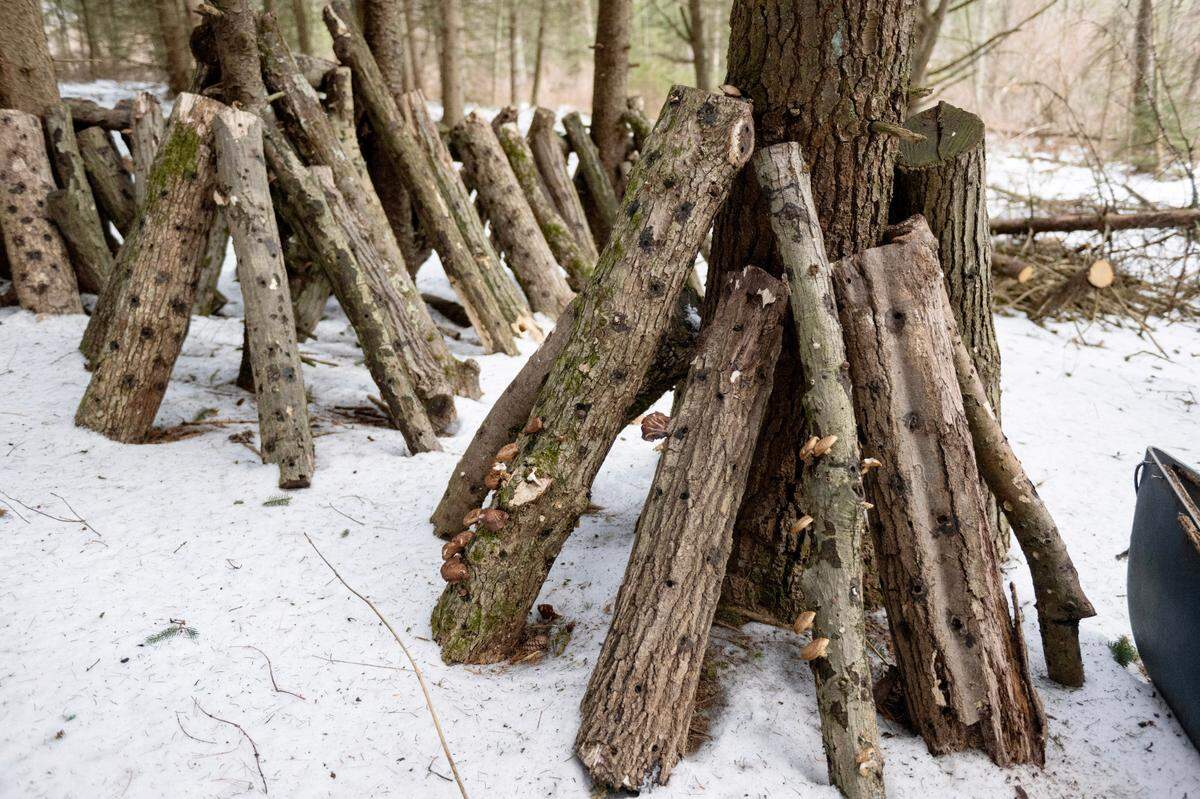
For example, the farm’s “mushroom yard,” or where Ray inoculates the logs that grow his shiitake mushrooms, sits beneath a pine thicket.
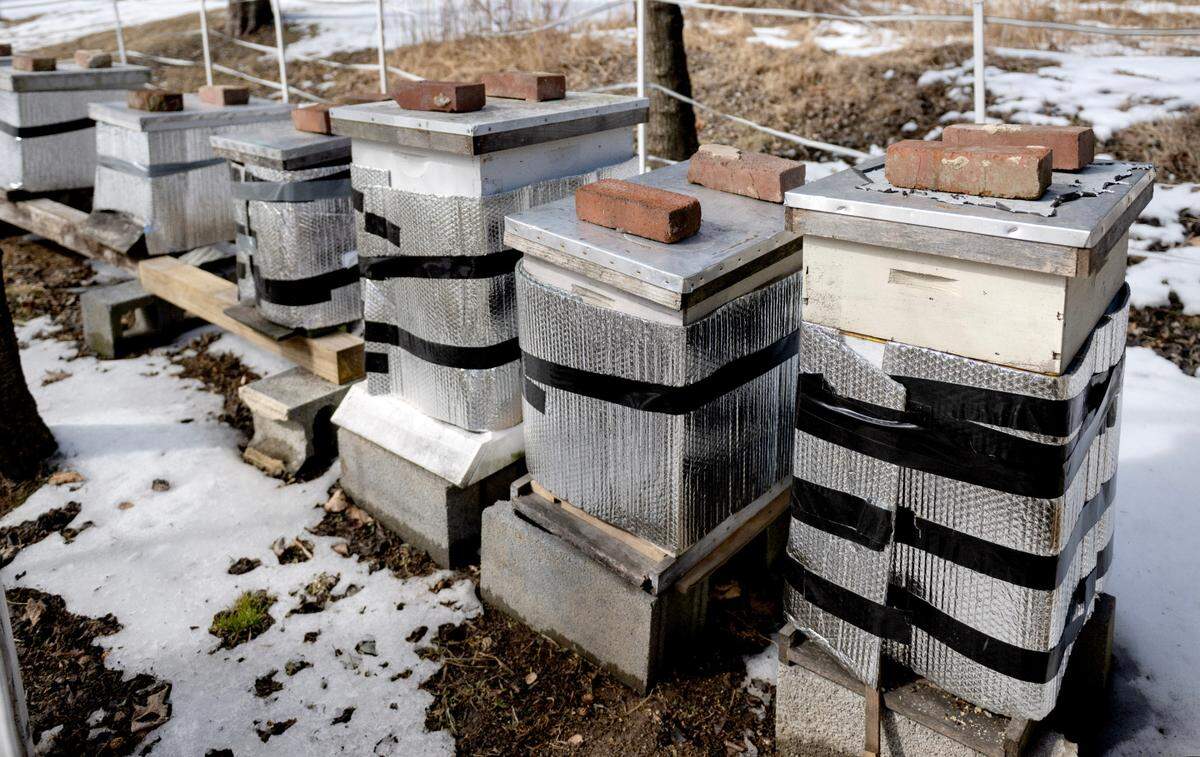
“It provides a shade canopy to keep the mushrooms growing in good conditions,” he said. “Even though my bees and their beehives are in the field, my bees forage. ... They go out into the woods and forage for their nectar, pollen and other resources — so while I call my honey ‘wildflower honey,’ it’s really ‘forest honey’ or ‘tree flower honey.’”
The farm’s egg-laying chickens forage through the forests as well.
“Forest ecosystems are much more diverse than a mono-cropped field of corn, soybeans or sunflowers. [The chickens] are able to dig through the leaf litter and find worms, beetles, seeds, weeds, greens and all kinds of stuff to eat,” Ray said. “It makes the egg yolks this brilliant, deep, rich color. When someone buys eggs from me for the first time, I often hear back that they don’t taste anything like store-bought eggs. There’s just more texture and more flavor, and I would argue more nutrients as well.”
Currently, customers can purchase Treaster Kettle Farm’s products from the Centre Markets online farmers market, year-round. Throughout the summer, the farm also sells at the Pine Grove Mills Farmers Market, as well as at the Friday Downtown State College Farmers Market. You can follow Treaster Kettle Farm on Facebook at www.facebook.com/TKFarmPA/.