
Over the garden fence: Delaying spring cleanup benefits the ecosystem
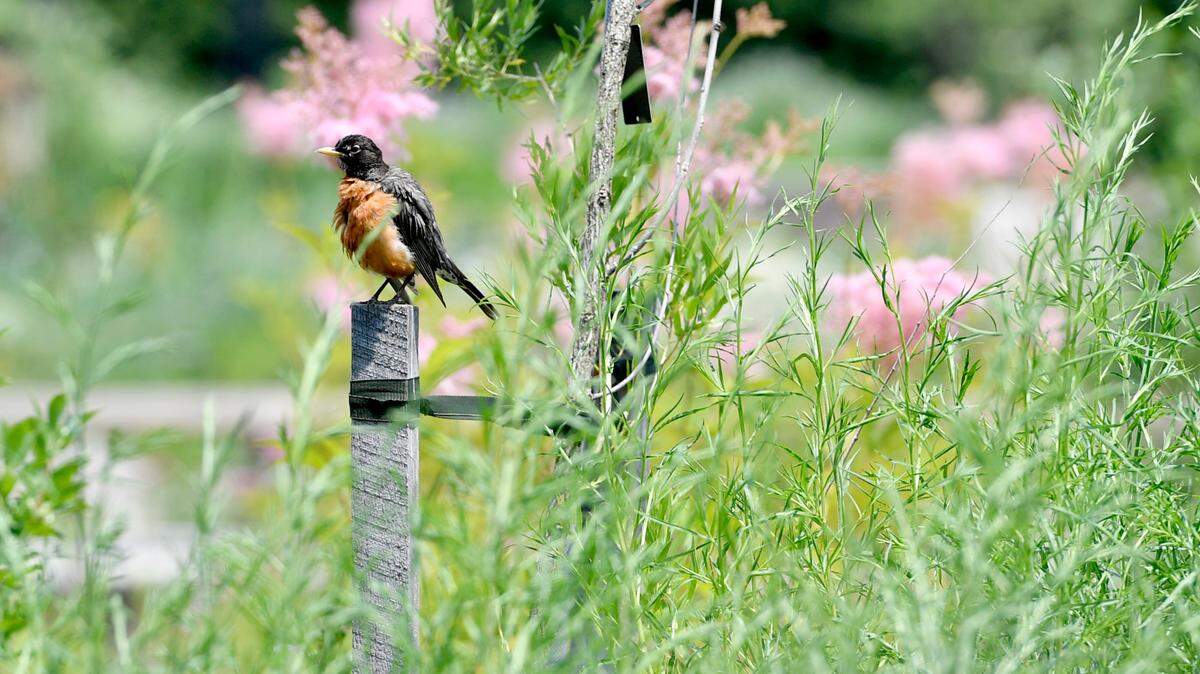
We live in unsettling times. The news regarding our changing climate often highlights dramatic weather events, while other equally pressing environmental concerns may be overlooked.
One such concern is the precipitous decline in insect populations, with an estimated 45% decrease in all insect populations in the last two decades. Why should we care? Although some view all insects as pests, the many members of this diverse family make a critical contribution to life on earth, as decomposers, pollinators and major components of the food web, to name just a few.
A U.S. Fish and Game Commission study found a 60% population drop over a 15-year period of pollinating bees and butterflies. The Cornell Lab of Ornithology, a global contributor to avian research, reported the loss of three billion birds, with 89 species threatened or endangered. A major contributing factor to this decline is a lack of insects, particularly caterpillars, available to feed nestling birds. But what if we could make a real difference, one yard at a time, to help turn the tide against these declines?
In his book “Nature’s Best Hope,” University of Delaware professor Dr. Douglas Tallamy outlines how each of us can do just that. Tallamy notes that private homeowners hold 40 million acres of potential habitat, more than double the area of all our national parks put together. He has a bold plan to join homeowners’ properties together, via our commitment to habitat development, to form a “Homegrown National Park” that could change the game for our insects, birds, and other wildlife.
The good news is that there are some relatively simple practices we can adopt immediately to start the healing process. These may involve the breaking of some long standing habits and adjusting our expectations of the appearance of our spring gardens. Perhaps the single most helpful practice is to wait to clear our gardens of leaf litter and debris, including dead plant stalks, until the nighttime temperatures are consistently above 50 degrees. The Xerces Society for Invertebrate Conservation provides further guidance, noting that if your lawn needs regular mowing and fruit trees are finished blooming it is probably safe.
For areas with small, early spring blooms, carefully removing leaves from around blooming plants is better than doing a deep raking. Likewise, gently raking leaves to the back of the bed is a better practice than wholesale removal. Shredding leaves kills caterpillars and other insects, including our beloved fireflies pupating in garden debris, and should be avoided.
Plant canes can be trimmed to 12-18 inches, leaving plenty of habitat for cavity-nesting pollinators, who may return to establish brood chambers in their “old neighborhoods” later in the season. If plant stalks must be cut to the ground, stacking them out of sight rather than disposing of them allows the insects to safely emerge later. There are plenty of other garden chores that can be accomplished on those first warm springlike days. Leaving the leaves and other garden debris until spring has really come makes all the difference for our struggling birds and insects.
In the garden this month:
As the temperature warms and the days lengthen there are many garden tasks that can be undertaken, while leaving cleanup until insects emerge. Gardening recommendations for our zone include:
- Weed, weed, weed! Perennial weeds are easiest to remove from moist soil while still small.
- Remove dead or damaged branches from trees and ornamental shrubs.
- Prune fruit trees, berry bushes and woody ornamentals (if still dormant and spring growth has not begun). Research specific plants for guidelines.
- Fertilize fruit crops before growth begins. Consider organic fertilizers that help protect our watershed from dangerous run-off.
- Turn your compost pile, but avoid working your garden if the soil is wet, as clods may form as the soil dries.
- When soil becomes workable, plant peas, lettuce, spinach and other cool weather crops.
- Start seeds indoors on a sunny windowsill for a jump-start on blooms.
- Buy a notebook for a gardening journal, using it to keep track of plant names and varieties as well as planting times and harvesting information. A record of any pests and control methods is also helpful.
- Service equipment such as lawn mowers, if needed.
And don’t forget to register for the Home Gardening School on March 22! Details and registration here: extension.psu.edu/world-wonders-to-backyard-bliss-planting-garden-inspiration