Demand for State College ‘No-Cost Produce Market’ continues to grow in 5th year
AI-generated summary reviewed by our newsroom.
- The No-Cost Produce Market in Centre County draws hundreds amid rising need.
- State College Food Bank partnership with farms supports local growers and feeds families.
- Upcoming SNAP cuts may increase reliance on the produce market and food bank.
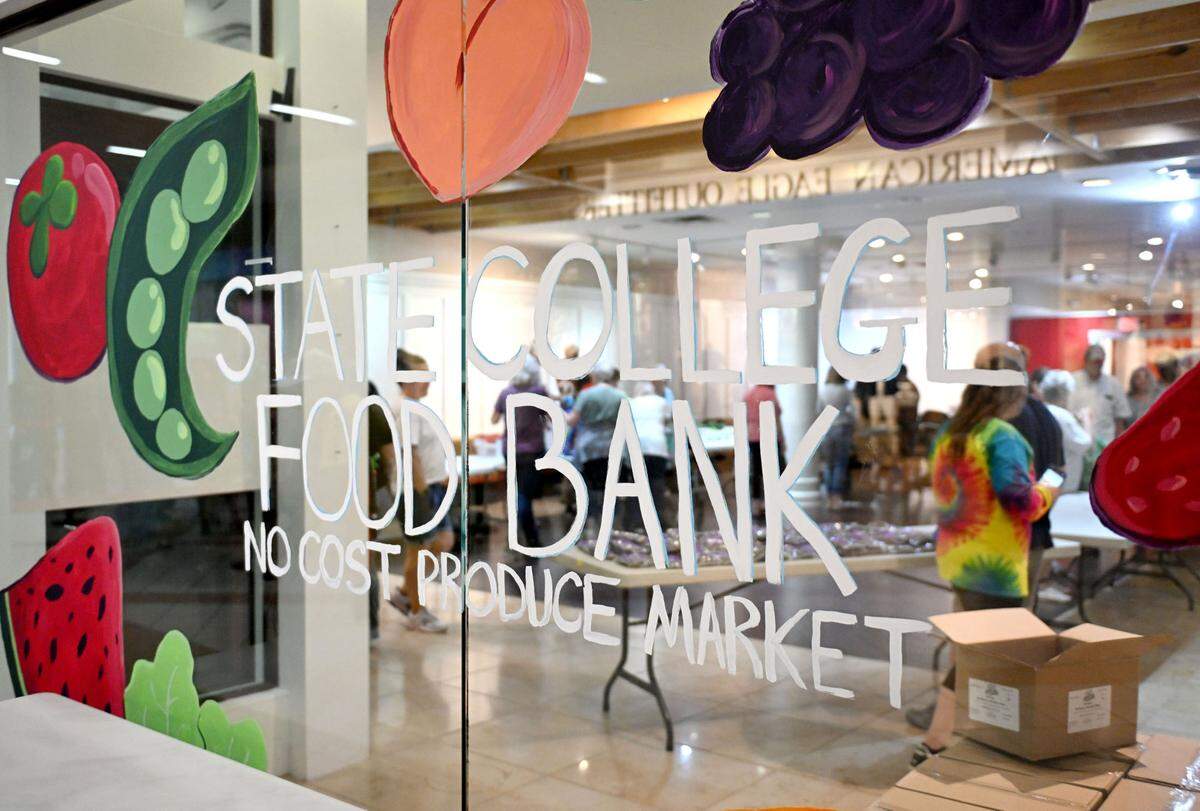
On a late Tuesday evening, hundreds of Centre County residents lined up outside a bare storefront in Nittany Mall, grocery bags in hand, for the latest “No-Cost Produce Market,” a summer series that continues to grow in its fifth year.
The No-Cost Produce Market is a free produce giveaway hosted by the State College Food Bank. Through partnerships with local farms, the market provides fresh produce to Centre County residents every summer on a bi-weekly basis. It’s open to any Centre County resident, regardless of their background and economic status. No registration is required.
“The cost of living is high, the cost of food is high,” said Allayn Beck, the executive director of the State College Food Bank. “There’s a lot of people who are working really hard in our community and still really [need] some help. That’s where we feel like we come in.”
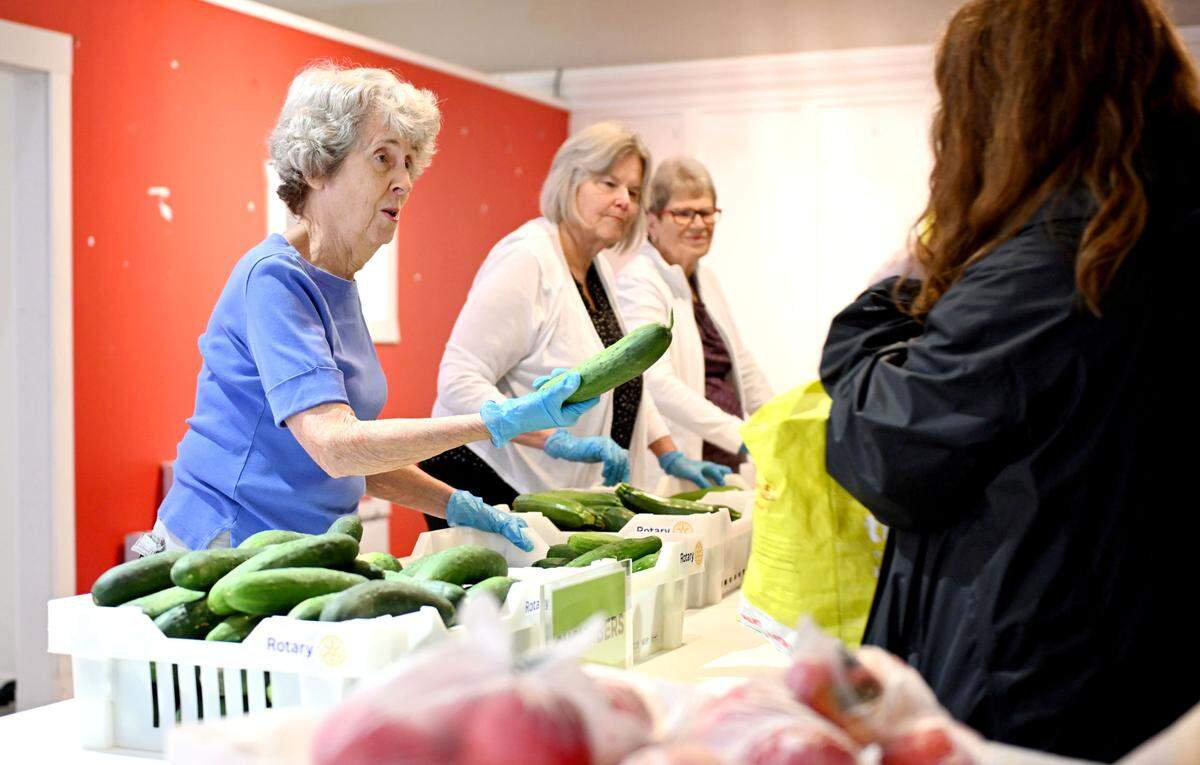
Since 2020, the No-Cost Produce Market has welcomed hundreds of Centre County residents. The first produce market this year, on June 17, served nearly 300 households. Since 2020, the demand has “exponentially increased,” Beck said, attributing the increase to the COVID-19 pandemic and the continuous swell of inflation. It’s a demand that could continue to grow, following cuts to the Supplemental Nutrition Assistance Program in President Donald Trump’s “one big beautiful bill” act.
Before she started working for the food bank in 2017, Beck, a Centre County native, said she’d never noticed the severity of food insecurity in the county. It’s a misconception she said is common in the area.
Kathy Minemier, a produce market volunteer assigned to broccoli distribution during the July 1 market, agreed that this misconception doesn’t reflect the residents of Centre County.
“We all think that State College is so prosperous,” Minemier said. “You go a couple miles outside of the borough and it’s an entirely different book.”
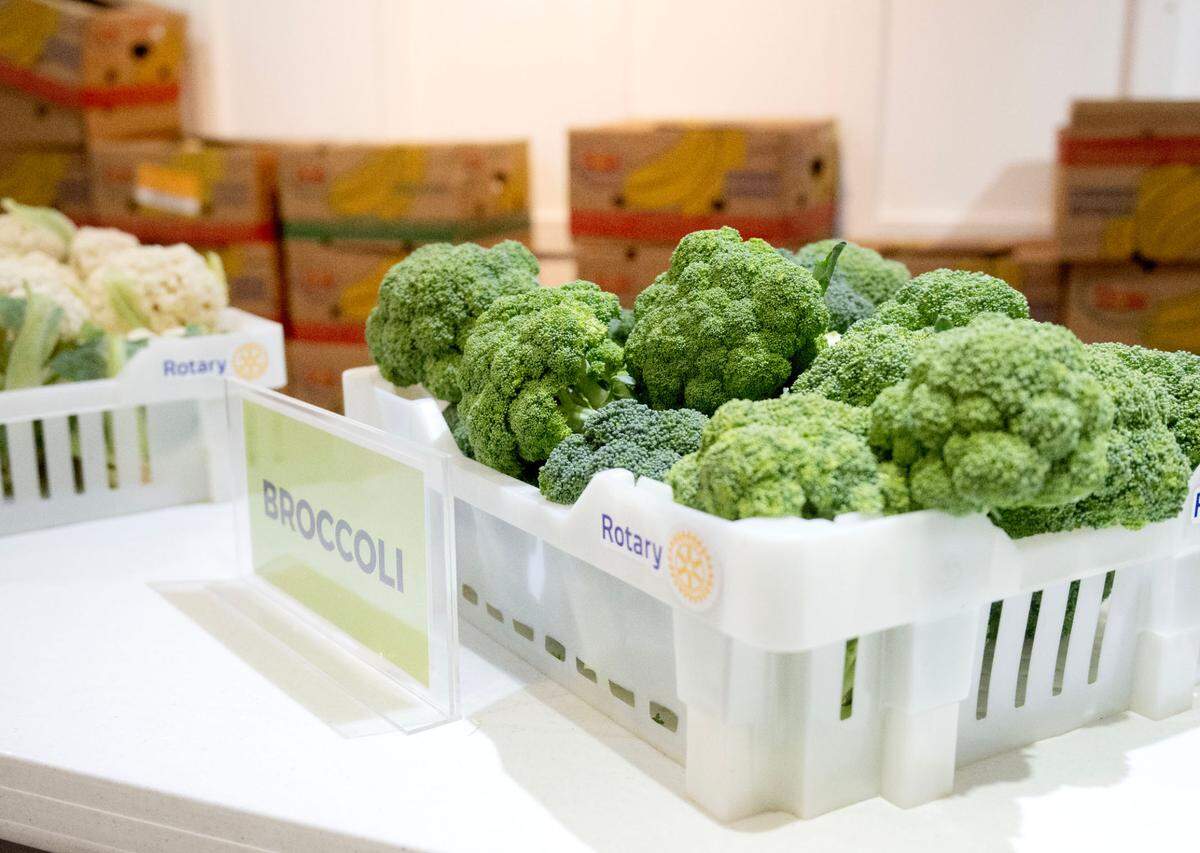
For years, Minemier traveled the world with her husband — including Brazil, Kazakhstan and Indonesia. Now retired in State College, Minemier volunteers at the food bank to support Centre County residents. “Food is universal,” she said. “Everybody needs it.”
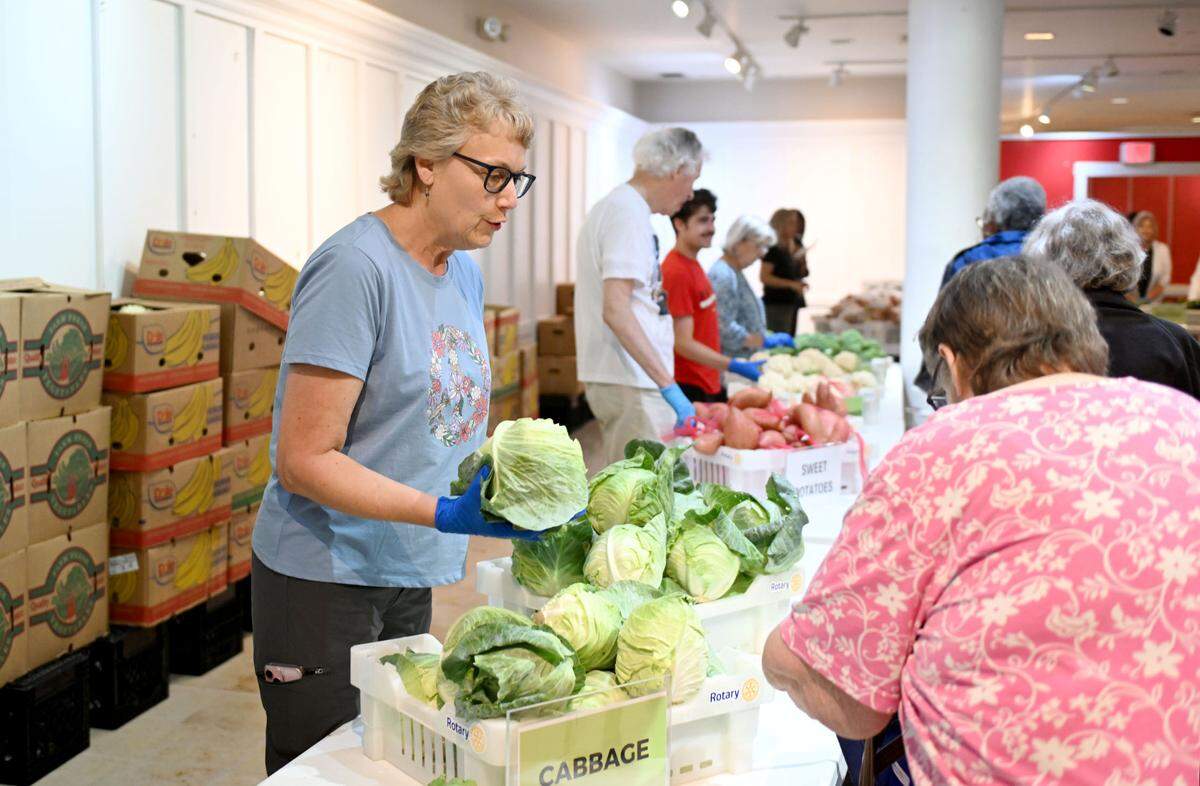
To accommodate growing demand for the food bank’s services — and continue its summer program — the No-Cost Produce Market is sponsored by organizations like the State College/Downtown Rotary Club and Centre County’s 100+ Women Who Care. With the money, the food bank is able to purchase produce from local farmers, creating a cycle of community support — a “win-win” scenario, as Beck describes.
“It helps us out as a small, family-owned business,” said Mark Ardry, manager and fourth-generation co-owner of Ardry Farms, located in Howard. The 92-year-old farm supplies boxes of cabbage, broccoli, cauliflower and more to the produce market.
“A lot of people in this county are facing hard times and the cost of food and inflation keep rising,” he said. “It helps people put food on their table.”
But putting food on the table of Centre County residents is expected to become increasingly difficult, Beck said. Nearly 9,000 Centre County residents received SNAP benefits, according to the Pennsylvania Department of Agriculture, putting Beck on high alert for cuts in Trump’s megabill.
The bill, which includes higher spending for defense, border security and energy production, plans to partially pay for the increases by slashing Medicaid and SNAP funding. According to the Commonwealth Fund, $295 billion in SNAP benefits are set to be cut by 2035.
“Any cuts to SNAP mean that the charitable food system has to make up that deficit,” said Zachary Zook, the chief strategy officer at the Central Pennsylvania Food Bank. The organization serves 27 counties in central Pennsylvania, including the nearly 400,000 people who benefit from SNAP in the region.
Citing the bill’s sweeping changes, Zook projects Pennsylvania’s administrative costs to increase by $125 million to meet SNAP demands. This, mixed with the current “record high” demand for charitable food services, as Zook said, will make it even harder for organizations like the State College Food Bank to meet community needs.
“It’s gonna be hard, it’s gonna have an impact,” Beck said, using the 2023 post-pandemic cuts to SNAP as a backdrop for what could come next. After the cuts, central Pennsylvania saw a 51% increase in charitable food services within a year, Zook said.
Despite the incoming challenges, Beck still encourages residents to utilize produce market resources.
“Come to us,” she said. “We are here to help. We give about two weeks’ worth of food.”
The next No-Cost Produce Market is on Aug. 5 inside Nittany Mall, with others scheduled for Aug. 19, Sept. 2 and Sept. 16. Each runs from 4-6 p.m. or until produce is gone. The market is open to all Centre County residents.
To learn more, volunteer, or donate food or money, visit the State College Food Bank website at scfoodbank.org.
This story was originally published July 14, 2025 at 5:30 AM.