
Over the garden fence: On a quest for the perfect home-grown tomato? Follow these tips
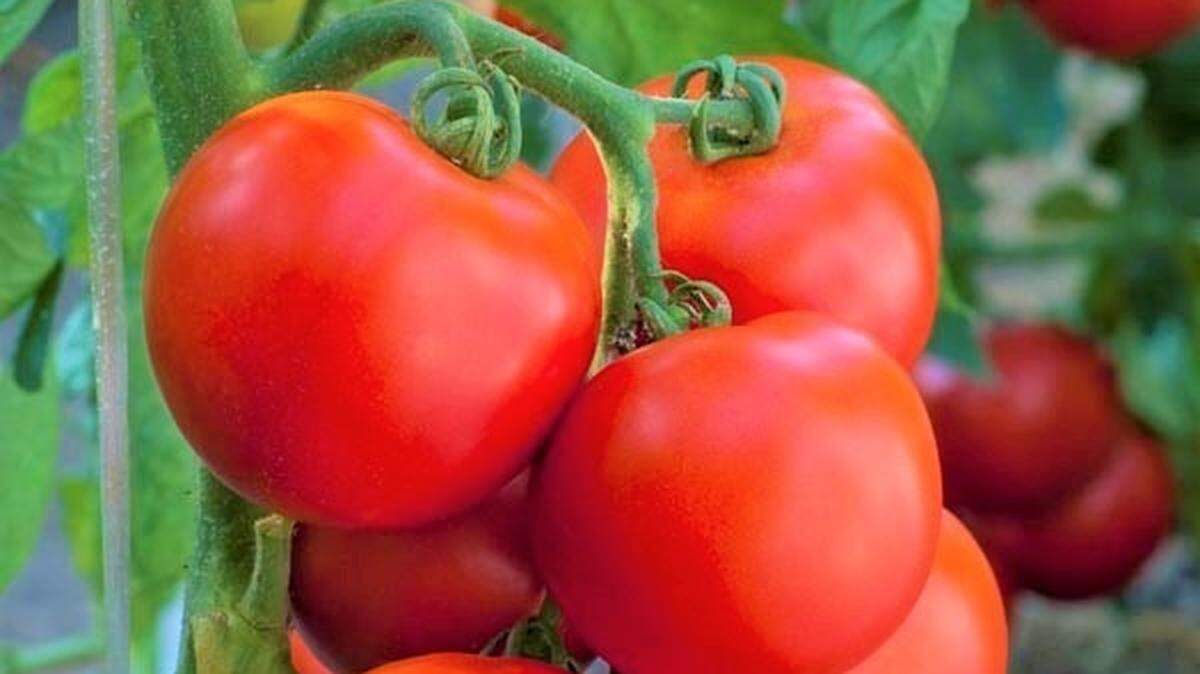
“Only two things that money can’t buy, and that’s true love and home-grown tomatoes.” — Guy Clark
Is there any vegetable that has inspired more Americans to begin a garden than the tomato? It’s true, there’s nothing like slicing up your own vine-ripened beauty, still warm from the sun. And it’s certainly one of August’s hottest topics for the Centre County Master Gardener Hotline.
First, let’s address the age-old debate: Is a tomato a fruit or a vegetable? The botanical definition of a fruit is the mature ovary of a flowering plant that contains seeds, which tells us that botanically, a tomato is a fruit. However, the culinary world classifies fruits and vegetables based on their taste profile and use in cooking. Savory foods served as part of a main course or side dish are generally considered vegetables, and so it is with the tomato.
But no matter what you choose to call it, the quest for the perfect home-grown tomato has inspired many a gardener to take up the challenge.
There are several steps the gardener can take to maximize production and minimize problems. When buying plants or seeds, look for cultivars advertised as disease resistant; these have been bred to be more resilient. A site with full sun is non-negotiable (6-8 hours). A healthy tomato plant will have a large root system, so if it’s necessary to plant in a container, choose the largest one available (at least 14-20 inches), and stick to a variety that’s labeled “compact” or “for containers.”
Give your growing plants plenty of elbow room as well — maintaining good air circulation around plants is essential. Test your soil, and amend with organic matter as indicated; tomatoes are heavy feeders, so it’s important to meet their nutritional needs throughout the entire growing season. And since you’re planning for large, vigorous specimens, be sure to have a proper support system in place; large, sturdy cages supported by stakes, or a trellis system, work well. Maintain steady moisture levels throughout the season by watering from below with drip irrigation or soaker hoses as needed during dry spells.
As much as possible, rotate crops; avoid planting tomatoes in the same spot every year (a three-year rotation is ideal.) Remove and dispose of diseased plant material promptly; do not compost it.
Tomatoes can be prone to a number of common fungal and bacterial diseases, such as early or late blight, septoria leaf spot or bacterial leaf spot. Such maladies often become apparent at this time of year, and can sometimes be difficult for the gardener to diagnose.
But if you do see signs of disease on your plants, Centre County residents are fortunate to have a top-class diagnostic lab right on their doorstep! Penn State’s Plant Disease Clinic is a service and educational function of the Department of Plant Pathology and Environmental Microbiology and provides clinical diagnoses of plant diseases for approximately 2,000 samples submitted annually. Digital samples can be submitted online, and physical samples can be dropped off at the clinic’s office in the Buckhout Laboratory. Full instructions for submitting samples can be found on the clinic’s website: plantpath.psu.edu/about/facilities/plant-disease-clinic/instructions.
By implementing these strategies, you too can cultivate healthy, productive plants, and enjoy a bountiful supply of your very own home-grown tomatoes throughout Pennsylvania’s growing season.
In the garden this month:
Continue harvesting summer crops like tomatoes, peppers, squash and beans, and consider preserving some of your bounty by canning or freezing.
Plant cool-weather crops like leafy greens, radishes, turnips and carrots for fall harvest.
Continue deadheading flowers, weed regularly, and water deeply.
Stay vigilant for pests and diseases and take prompt action as needed.
Prepare the lawn for fall by aerating and overseeding if necessary.
Summer is all too short — so above all, be sure to get outside and enjoy the season’s abundance!
Lisa Schneider has been a Master Gardener volunteer since moving to PA in 2017. Have a home gardening question? Email CentreMG@psu.edu.