
Over the garden fence: Why you should ‘leave the leaves’ this fall
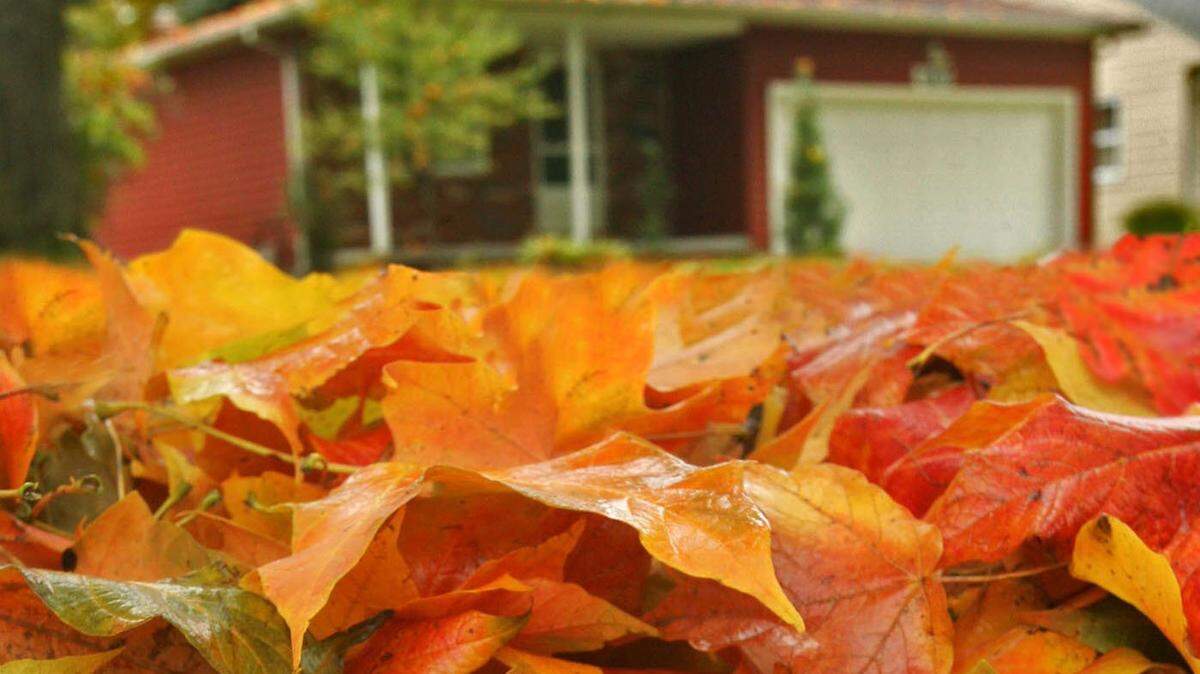
With the arrival of cooler temperatures, curbside leaf collection is underway in many parts of the Centre Region. Homeowners and landscapers diligently blow, rake or bag every stray particle of foliage, as has been the neighborhood norm for years. But savvy gardeners eschew this convenience, because they know that fallen leaves are garden gold.
A pile of leaves can house over 100 species, including moths, beetles, salamanders, firefly larvae, and other beneficial insects that are essential for a healthy landscape. By raking them up, you’re not just tidying up, but evicting an entire ecosystem.
The majority of caterpillars hatch or pupate at the ground level, often beneath leaf litter, and many fallen leaves harbor small caterpillars in their curled leaf margins. The larvae of the red-banded hairstreak butterfly, along with dozens of species of moth caterpillars and other essential “detritivores,” feed on fallen leaves. Still others rely on leaf litter as a cozy winter blanket, including the larvae of the beautiful great spangled fritillary butterfly. Love the magical twinkle of a firefly on a summer night? The Xerces Society for Invertebrate Conservation reminds us that their larvae spend most of their lives (up to 2 years) sheltering under dead wood and fallen leaves. Gorgeous green luna moths pupate in leaf litter, and queen bumble bees also appreciate the insulation as they sleep away the winter in shallow tunnels just underneath the surface of the ground.
When we bag up and haul our fallen leaves to the curb for disposal, we’re also helping to dispose of next year’s pollinators and pest controllers.
What’s a gardener to do with all that organic material? “Leave the leaves” is a catchy phrase that conveys good advice, but it doesn’t mean allowing your sidewalk or lawns to be covered by inches of leaf material. Walkways should be kept clear for safety reasons, and while turfgrass can certainly tolerate a light covering of leaves, most should be gently raked back under the drip line of trees. According to Dr. Douglas Tallamy, the author of “Bringing Nature Home,” “the best place to leave the leaves is under the trees that grew them.” These leaves serve as a (free) natural mulch that will suppress weeds while gradually breaking down to nourish the trees, just as nature intended. Shade-loving native perennials can then be planted underneath to add interest and further reduce the need for weeding.
Additionally, rake some of those leaves into your garden beds. Your perennial plants will appreciate the fertilizer, as well as the extra insulation through the winter.
Fallen leaves also make great compost. Consider creating a leaf pile and allowing it to break down naturally if space allows. Millipedes, roly-polys, and other leaf-eating bugs will speed the process and enjoy the meal! Smaller quantities of leaves can be gradually added to your existing compost pile.
Along similar lines of “less is more,” another environmentally-friendly fall gardening practice is to avoid cutting back perennial plants. Instead of chopping everything down at the end of summer, leave the stems of your perennial plants standing. The seed heads will feed goldfinches and other birds, and the stems will provide shelter for cavity nesting insects, including many important bee species.
This year, consider working with nature, rather than against it. Fallen leaves are the best mulch that money can’t buy!
In the garden this month:
- There’s still time to plant those spring-blooming bulbs.
- If you haven’t tested your soil recently, now is a good time. Any amendments needed will be most effective if applied now.
- Keep trees watered if rain is scarce, so that they enter dormancy well hydrated.
- Dig and divide spring and summer flowering perennials now. Cut foliage back, replant, and water well.
- Keep an eye on the weather forecast and harvest any remaining veggies and herbs before frost. Remove spent plant debris from the vegetable garden to avoid future pests/diseases.
- Empty and store hoses and bird baths before a hard frost.
- If you plant nothing else this month, plant garlic! This undemanding crop, once planted, will care for itself until it rewards you with a harvest of tender scapes and pungent bulbs in June/July.
Lisa Schneider has been a Master Gardener volunteer since moving to PA in 2017. Have a home gardening question? Email CentreMG@psu.edu.