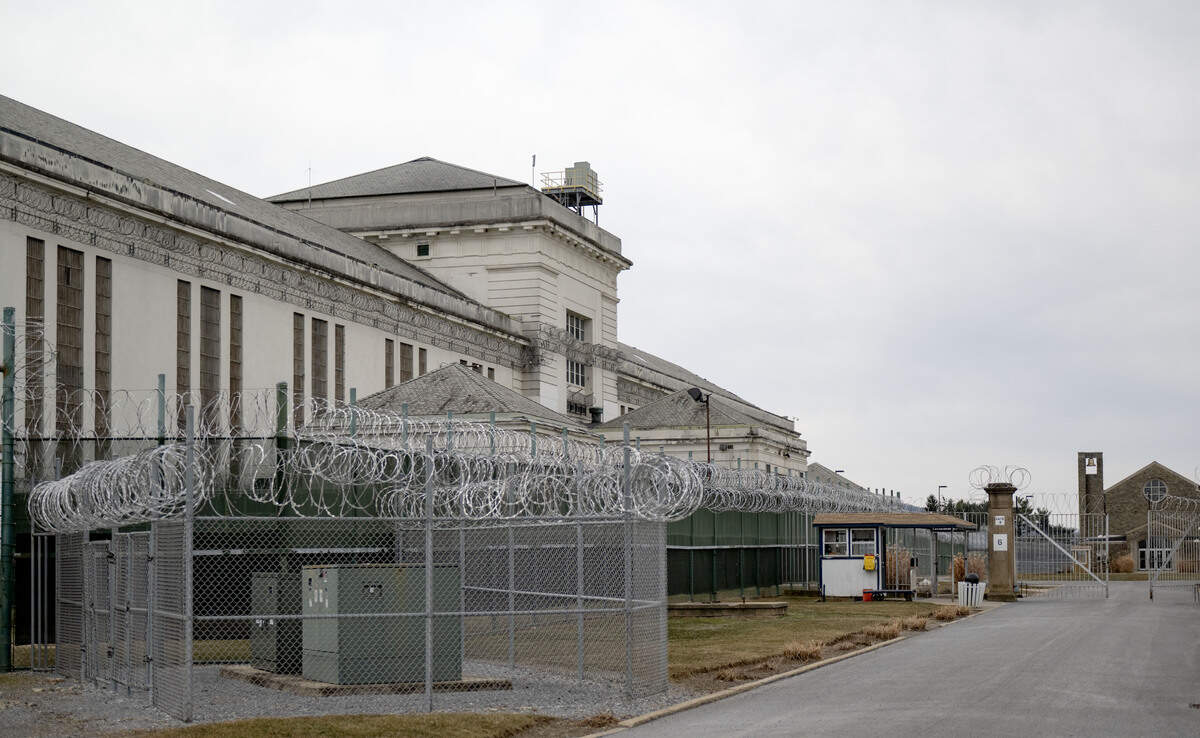
What does a prison look like after it locks up for the last time? We toured Rockview
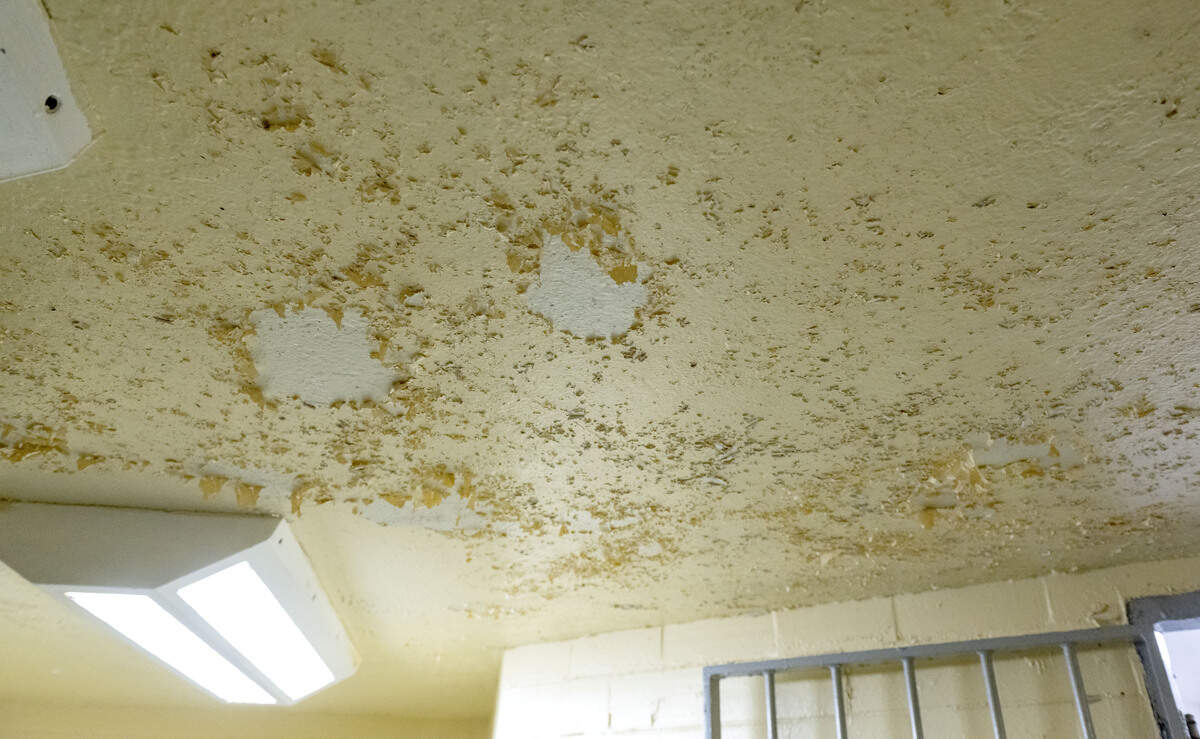
The age of Rockview state prison announces itself almost immediately — in the water stains, the peeling paint and the flights of narrow wooden stairs worn soft and uneven by decades of footsteps.
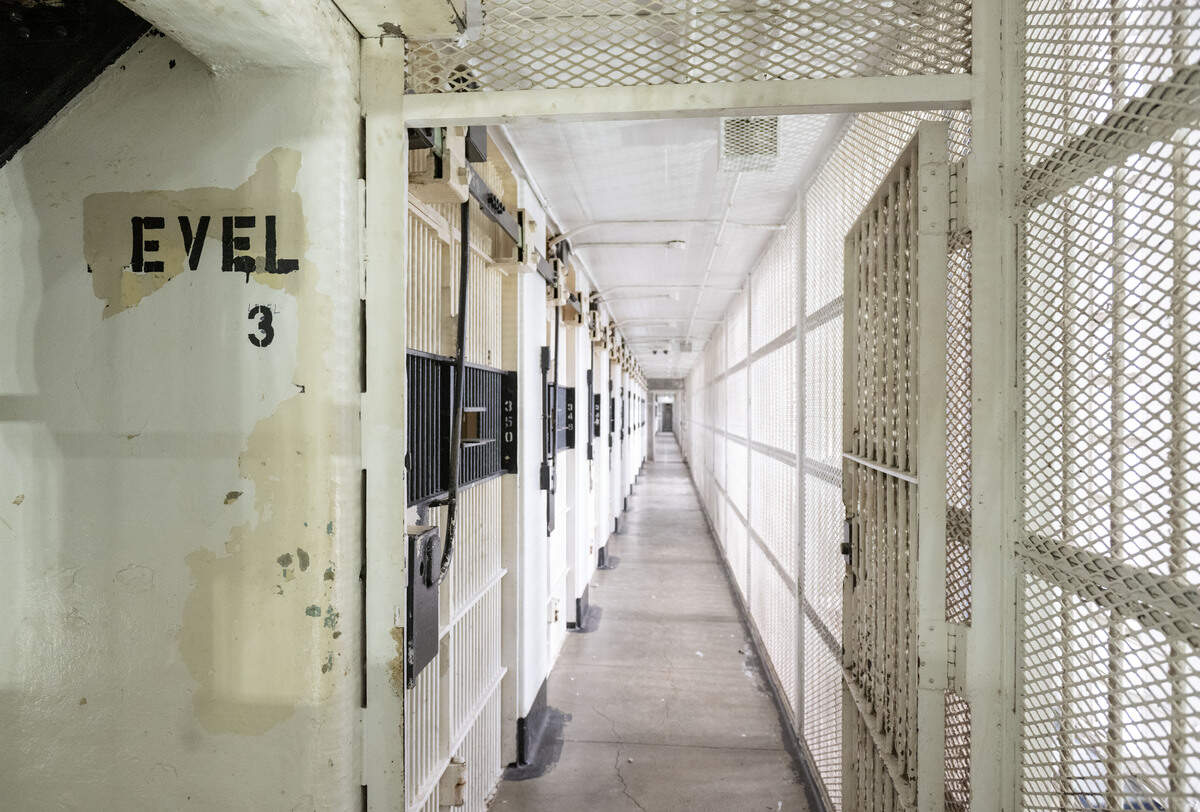
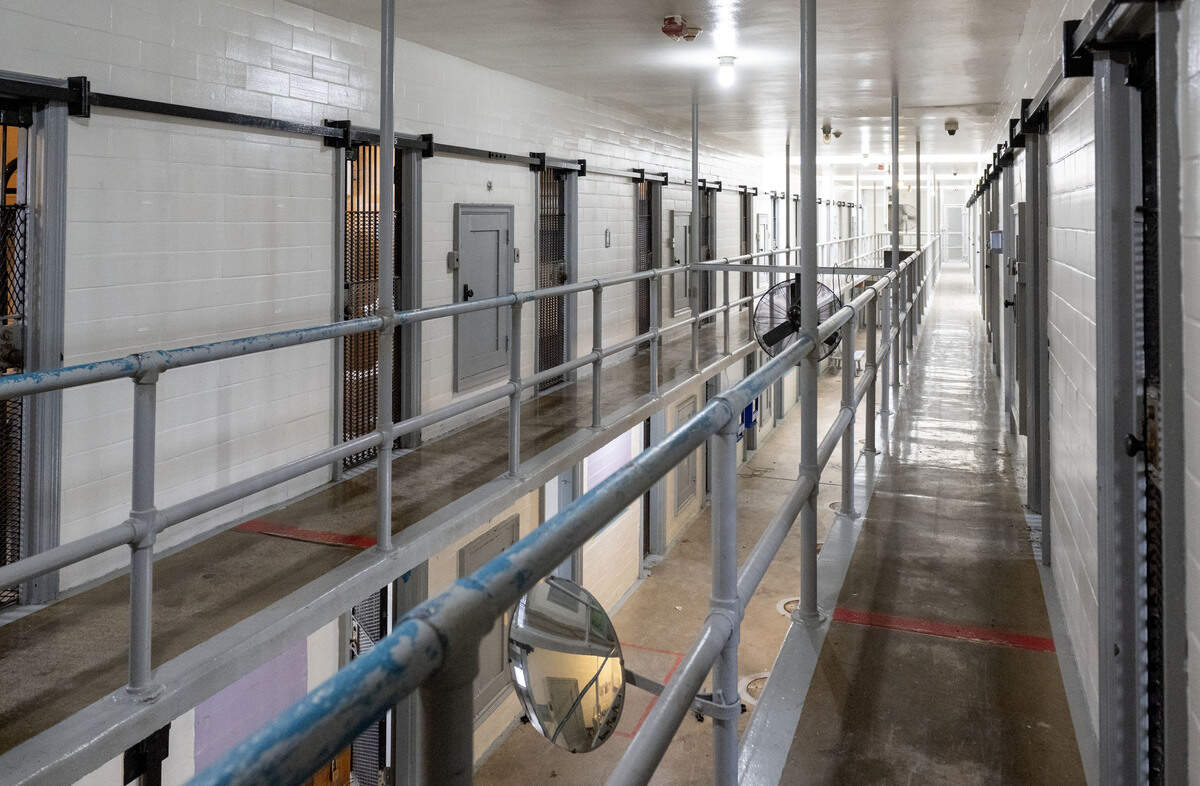
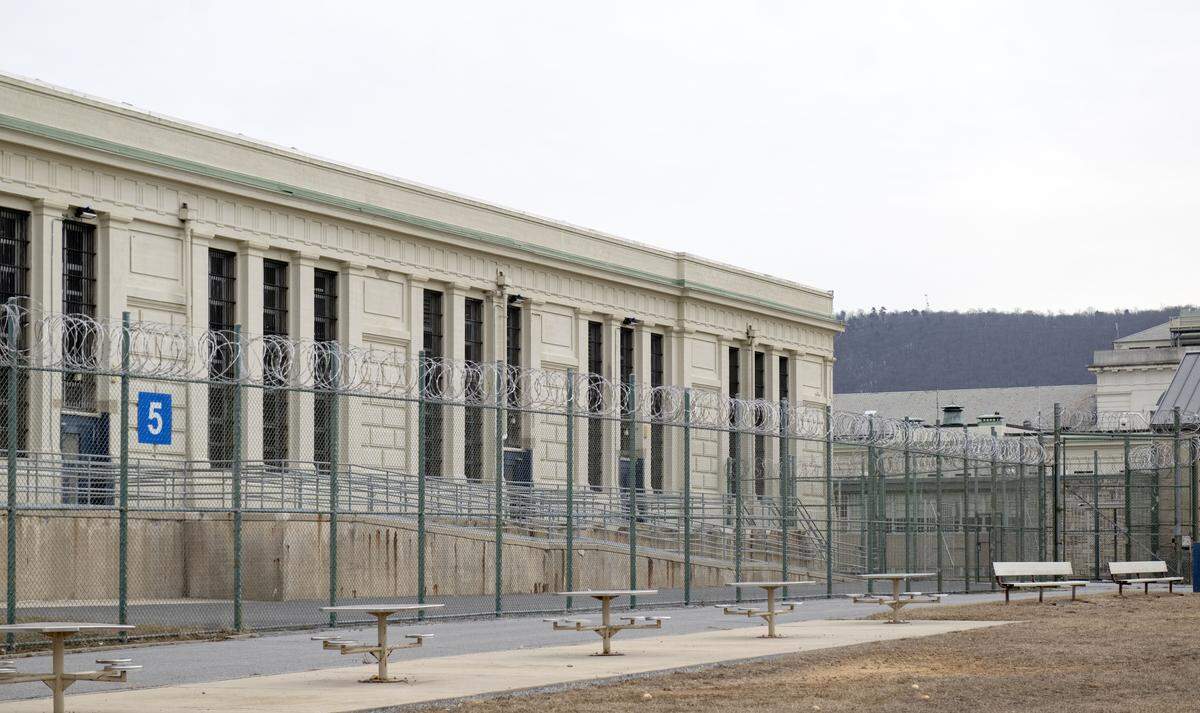
D Block — the prison’s oldest housing unit, located in the large structure that’s most visible to passing traffic — has five-tiers of barred cells, both of which became antiquated in the century since they were constructed.
Metal stairs take you to the second tier, but from then on it’s noticeably worn wooden stairs that serve as a reminder of how many men used them day after day.
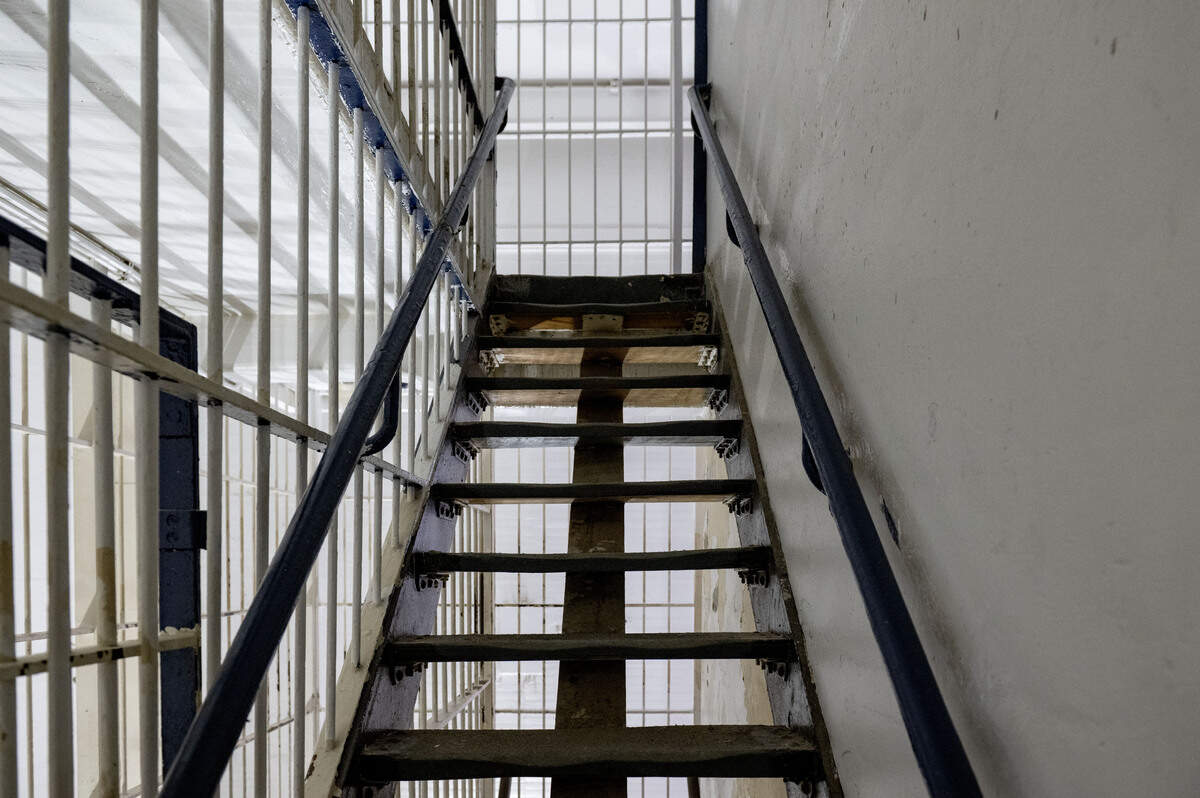
Altogether, D Block is home to 250 cells. Each level is fronted by narrow walkways and enclosed by long vertical bars that stretch from nearly floor to ceiling. Looking down from the top tier Monday during a tour post-closure, the design produces an almost vertiginous drop to the ground floor.
Corrections officers were saddled with limited lines of sight, an aging prison population faced accessibility challenges and birds seemed to come and go as they pleased. By just about any measure, it is not a modern design — to be expected for a building that opened in 1915.
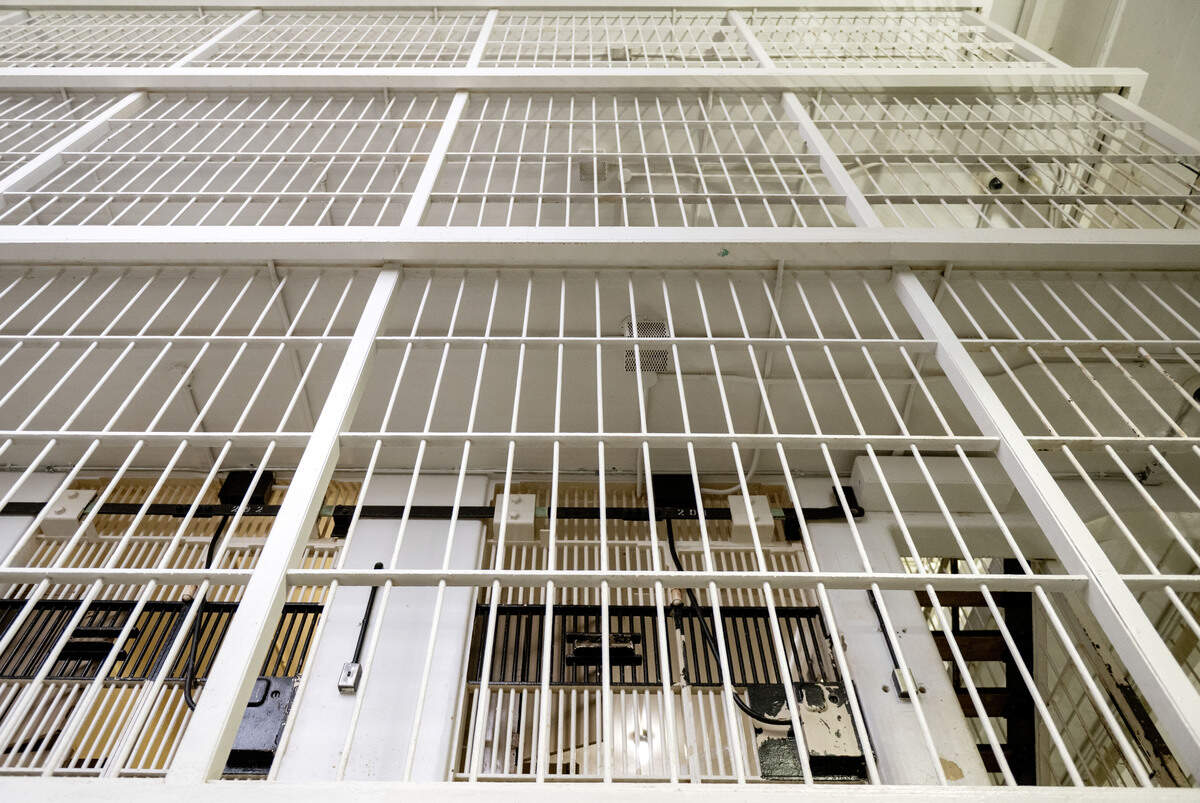
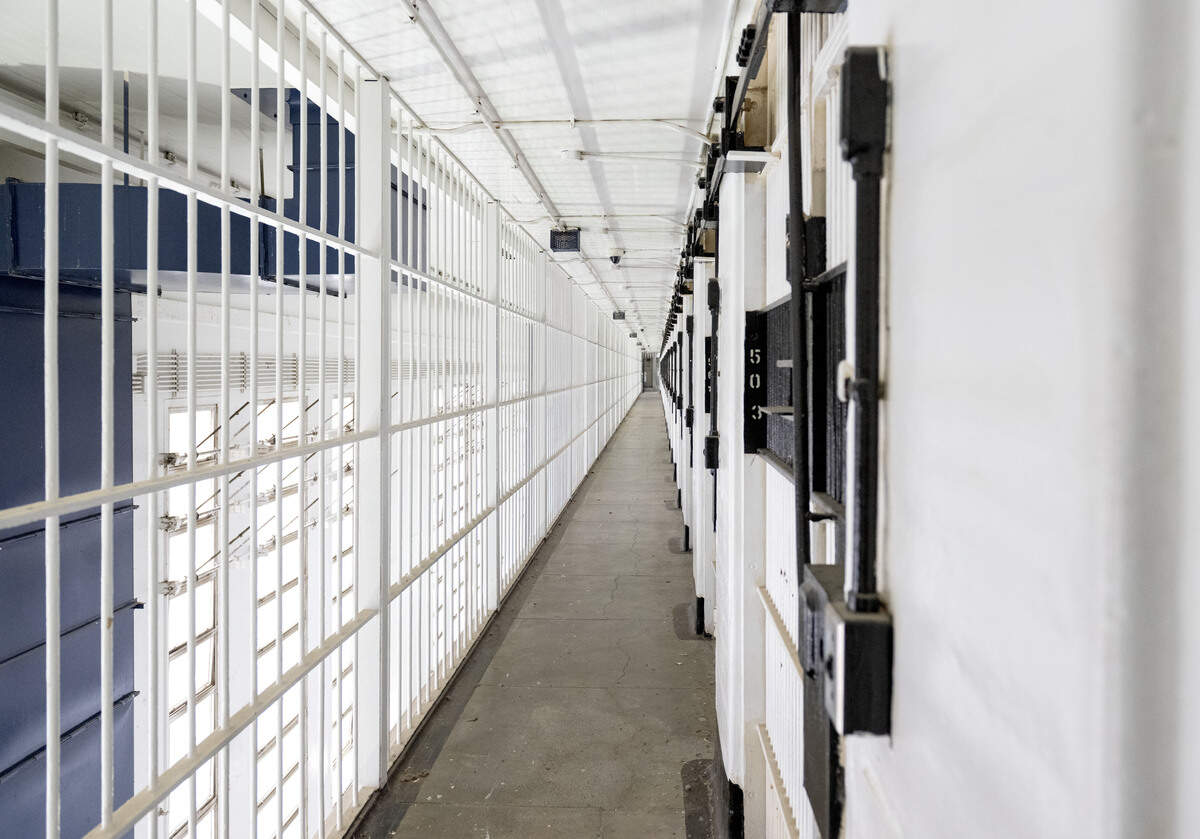
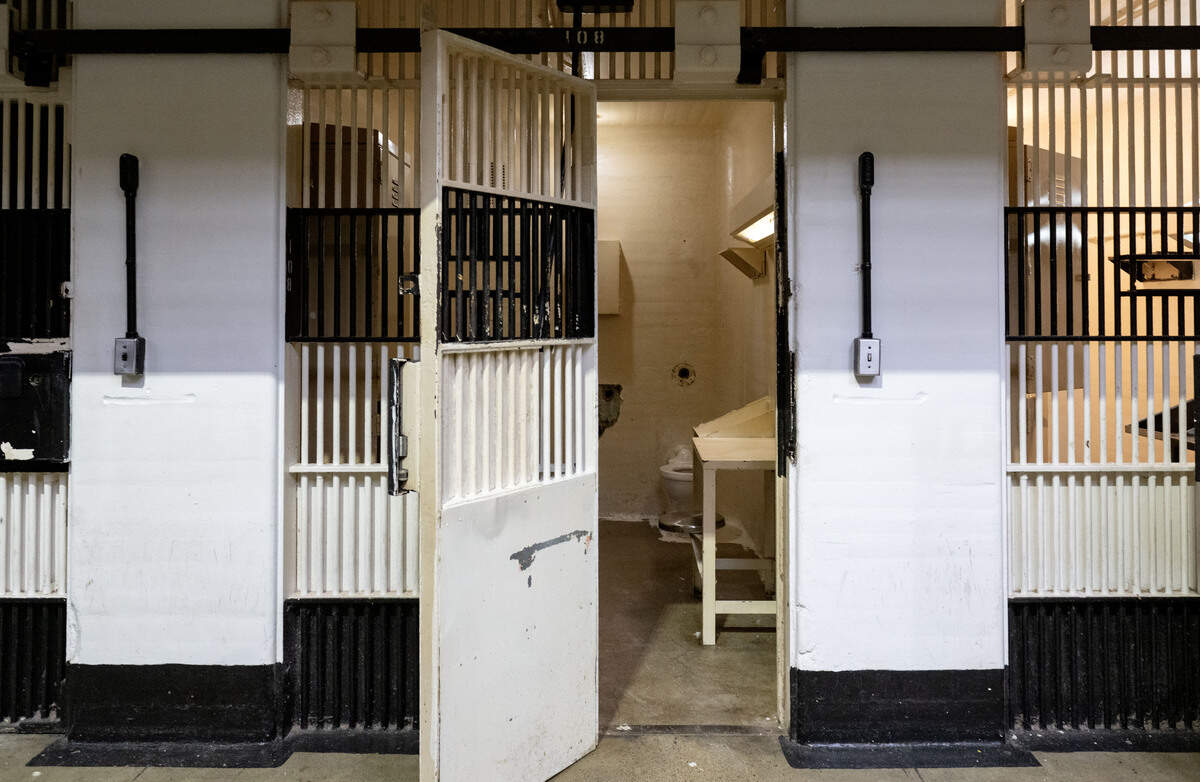
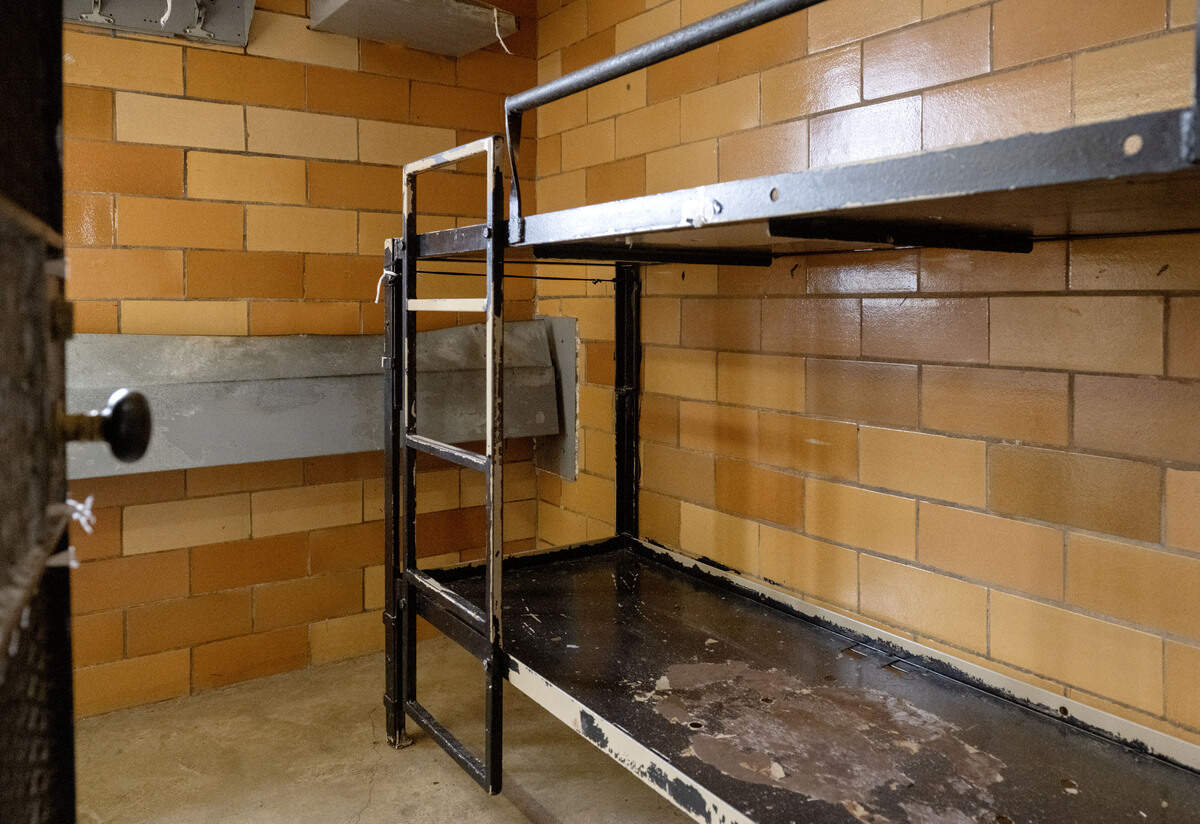
In its closure report, the state Department of Corrections said the cells themselves are typically smaller than those built after the 1960s. Fitted with a bunk bed, each can house two inmates.
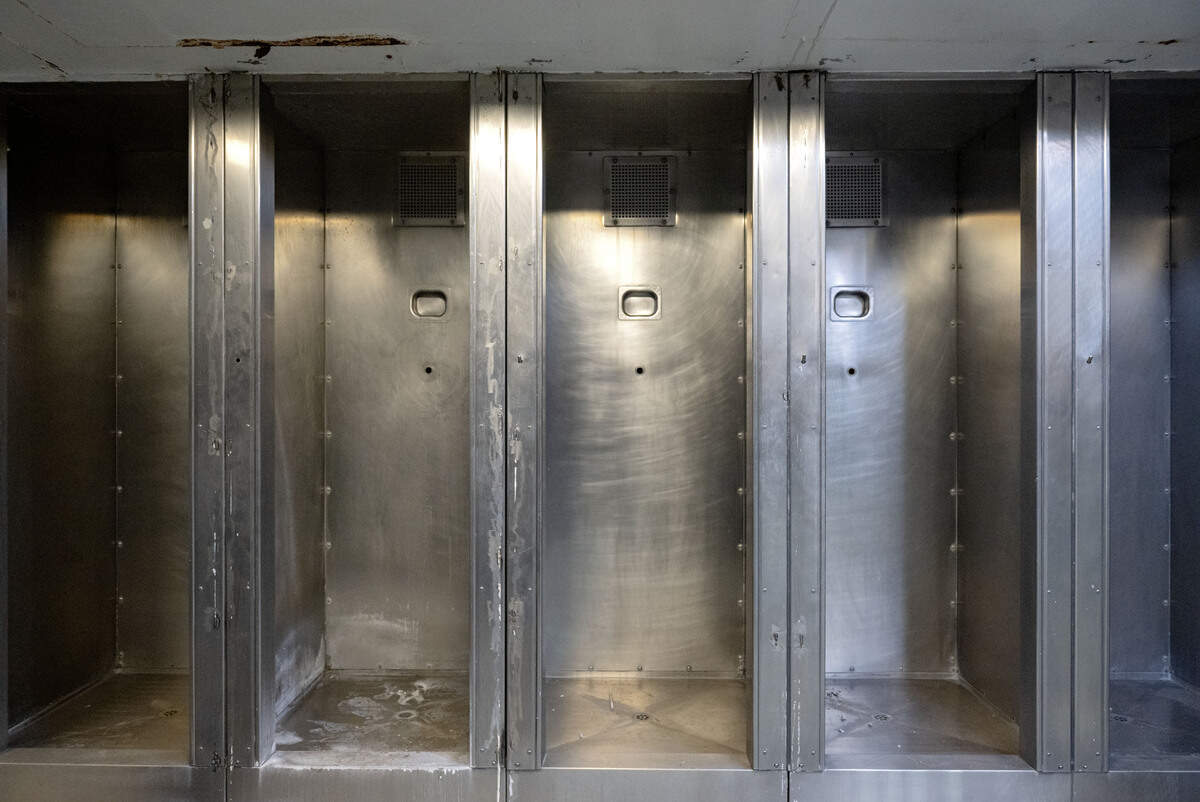
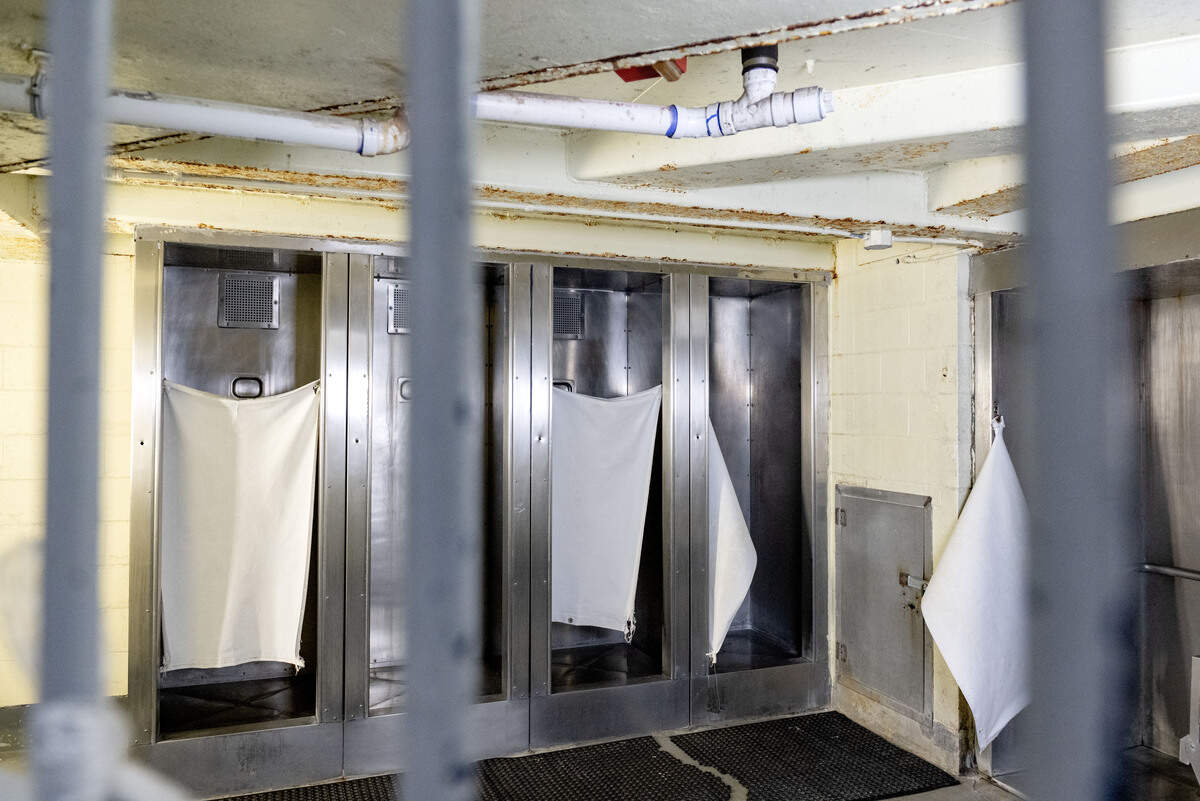
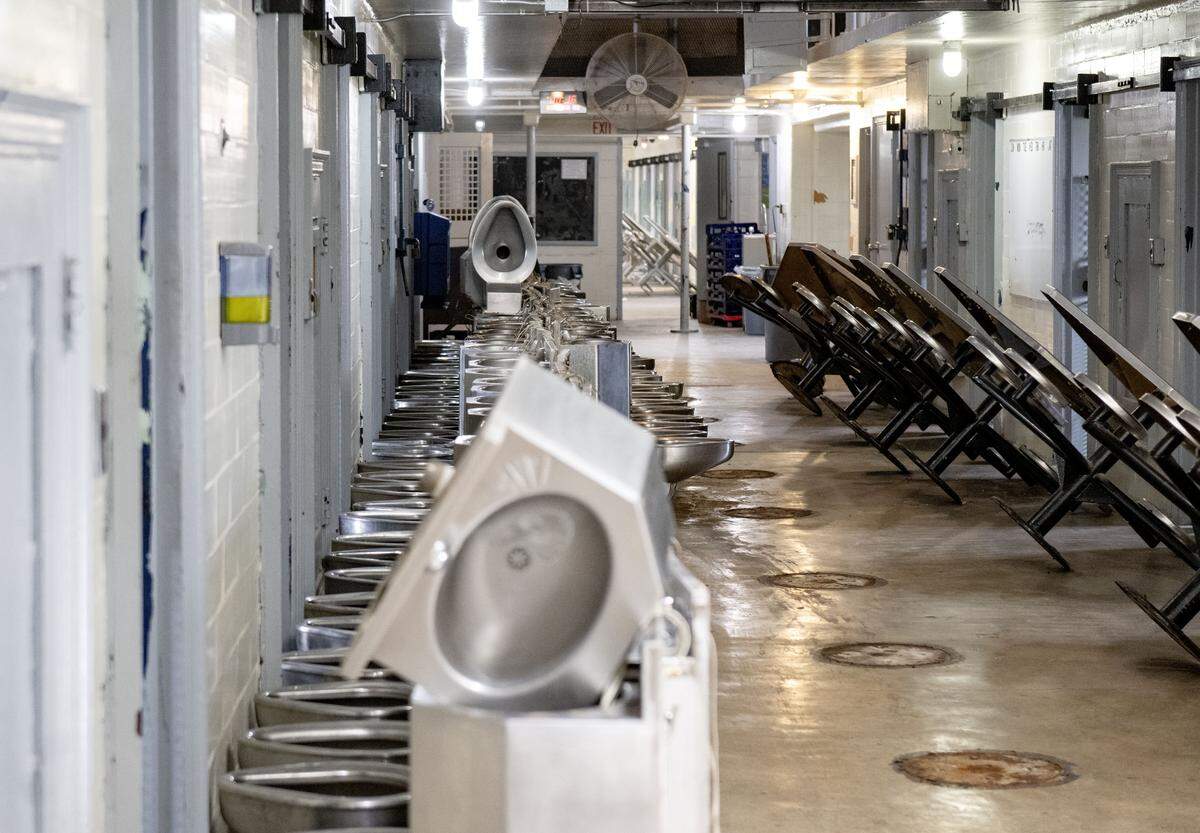
Stainless steel showers, some of which were leaking Monday and leaving a puddle of water, are found at the of a row.
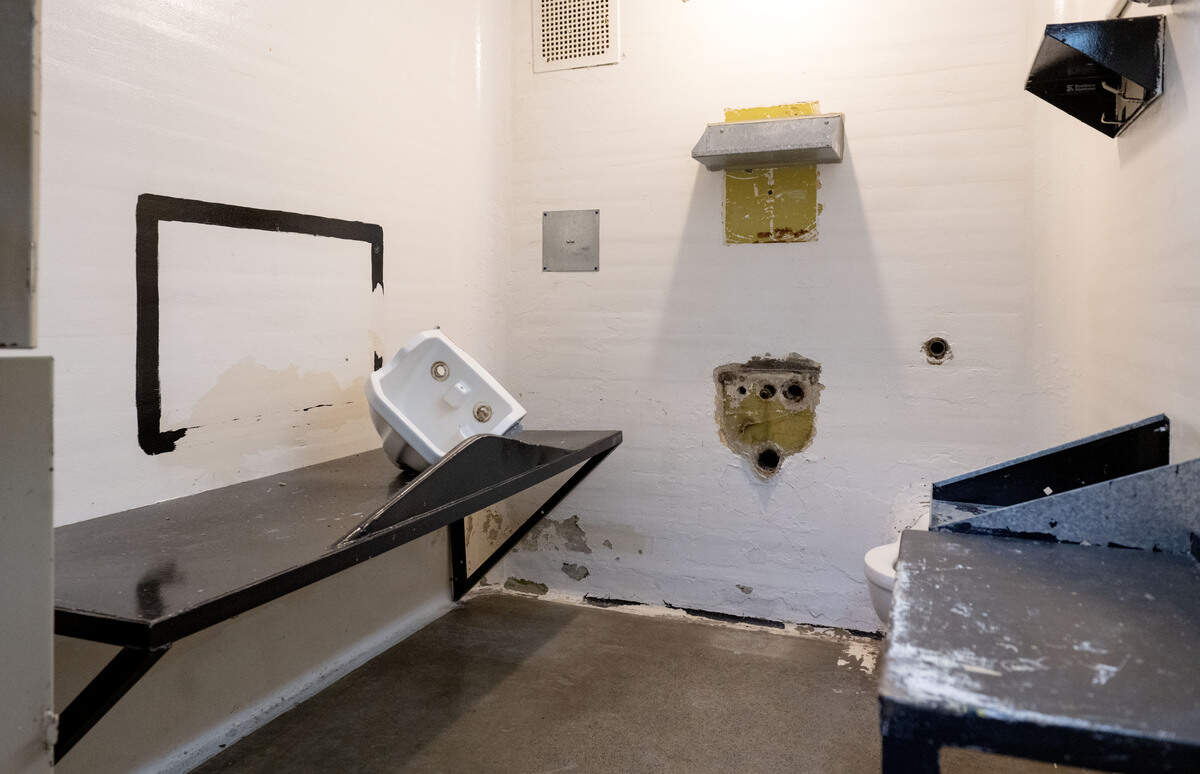
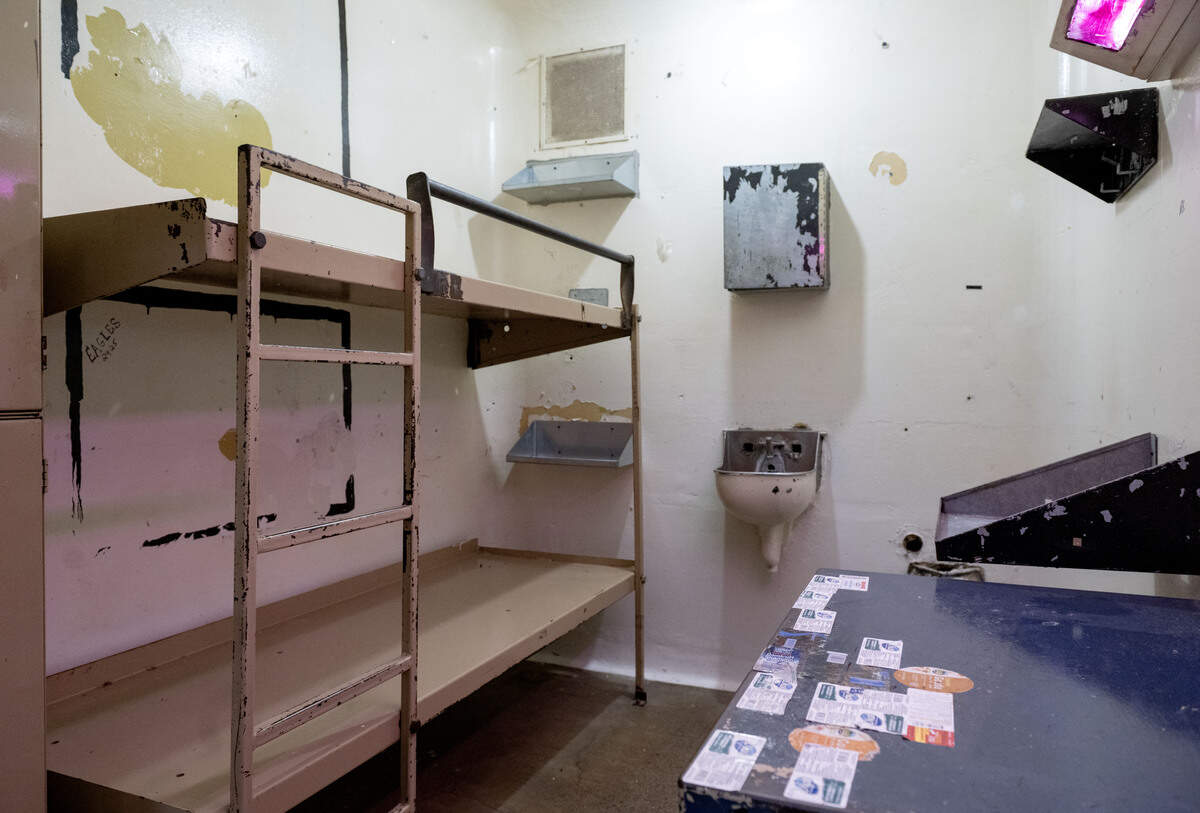
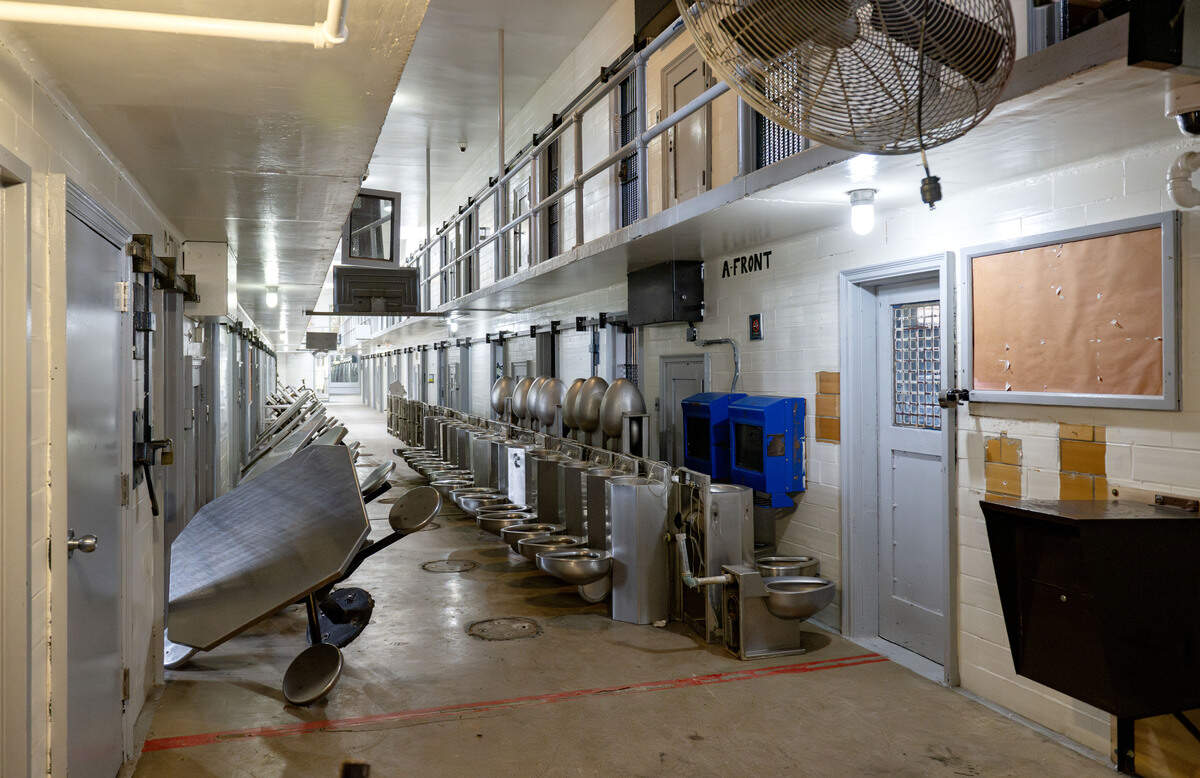
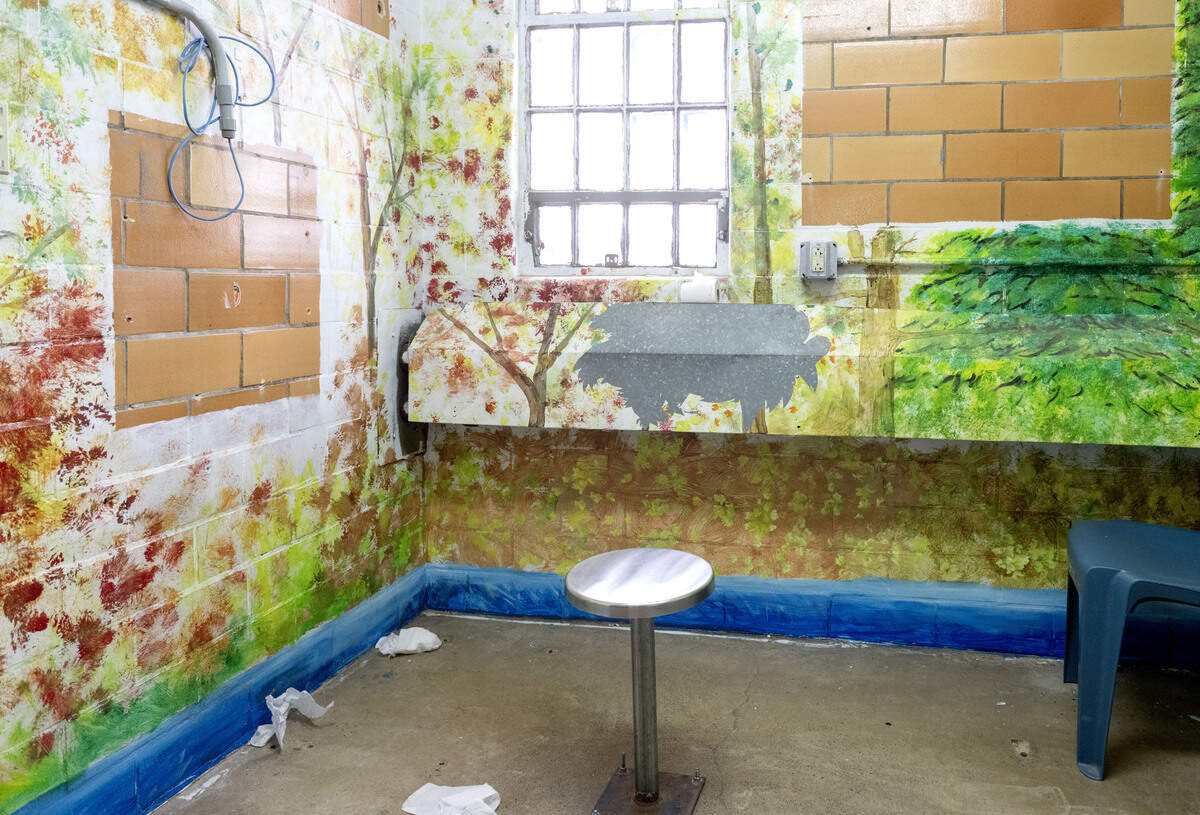
In the more modern B Block, there are only two tiers of cells and the upper floor has a railing instead of floor to ceiling bars. Still, the signs of wear in Pennsylvania’s second-oldest state prison are obvious.
Time outside of a cell
With the gates closed and inmates gone, Rockview was unusually quiet Monday. One corrections officer described the atmosphere as “eerie.”
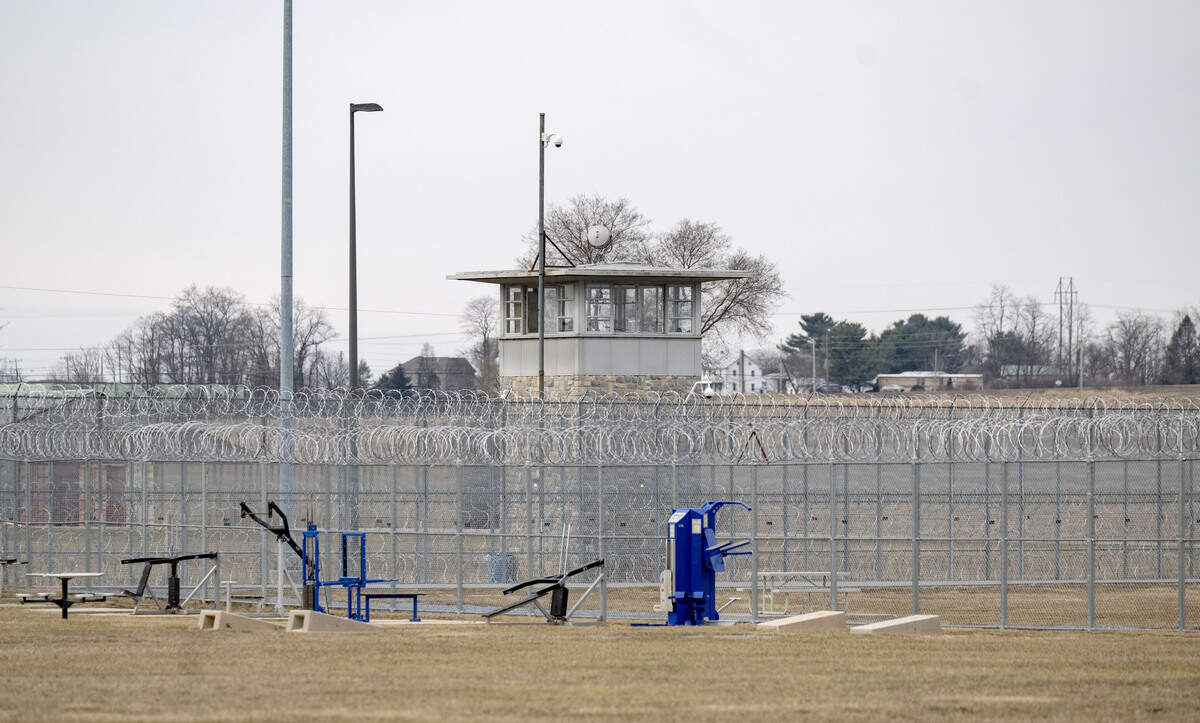
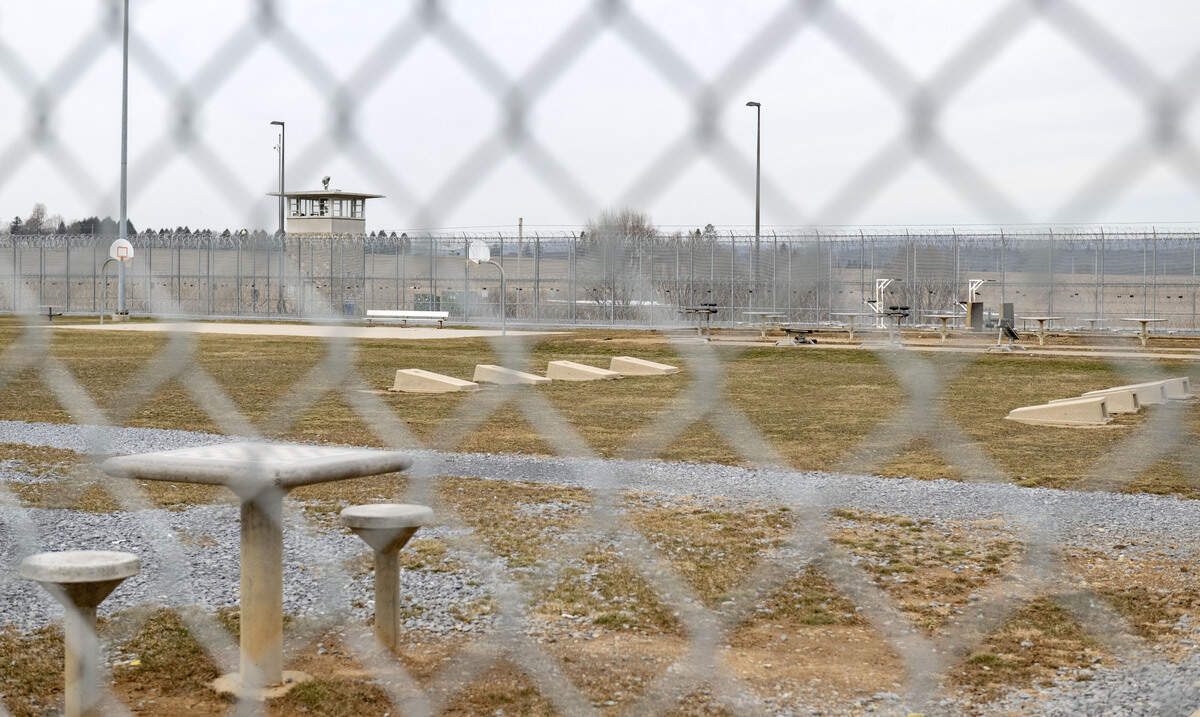
It was obvious in the housing units, but extended to what’s known as “the yard” — the outdoor recreation area where inmates can play everything from basketball and volleyball to handball and chess. Up to 400 men could be outside at a time.
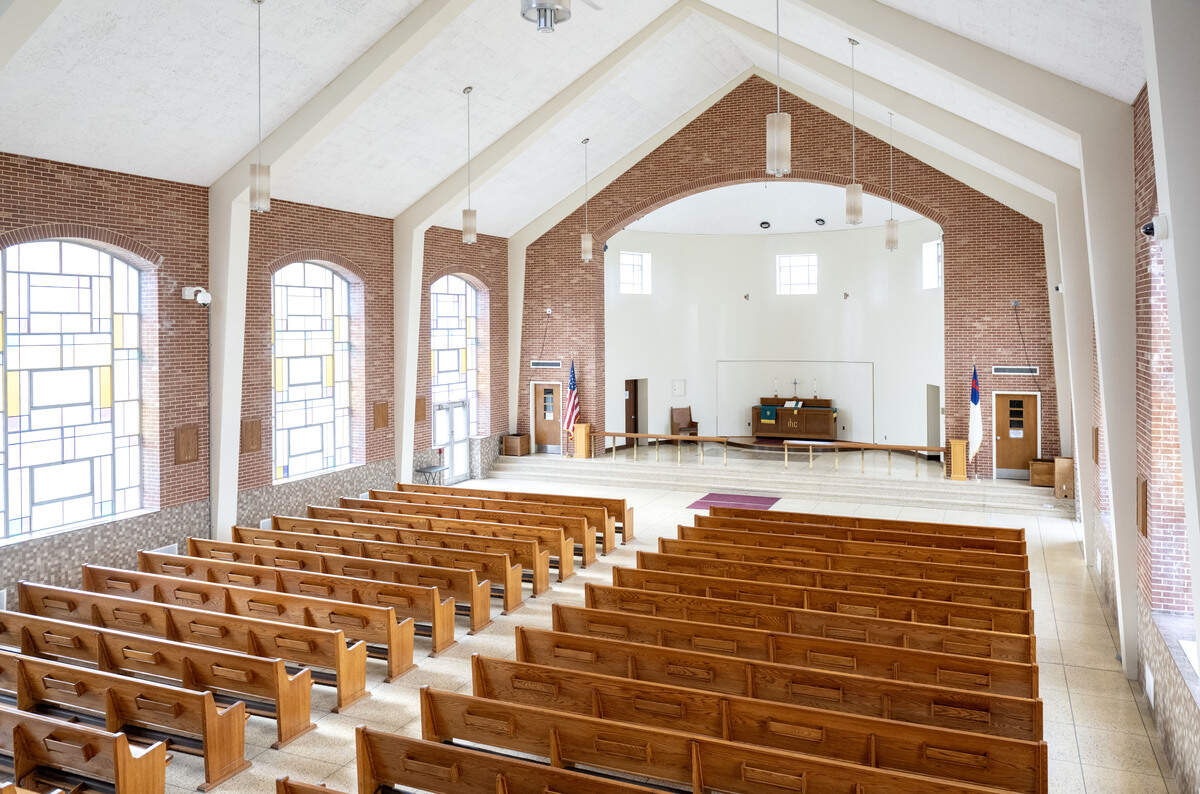
The prison’s chapel appeared to be one of the most well-kept structures, and perhaps that shouldn’t be a surprise. During a violent and fiery three-day riot at Camp Hill state prison in October 1989, the chapel there was one of only two buildings that were not damaged, The Morning Call reported at the time.
Inmates also had opportunities to spend their time in classrooms, a library and a de facto computer lab.
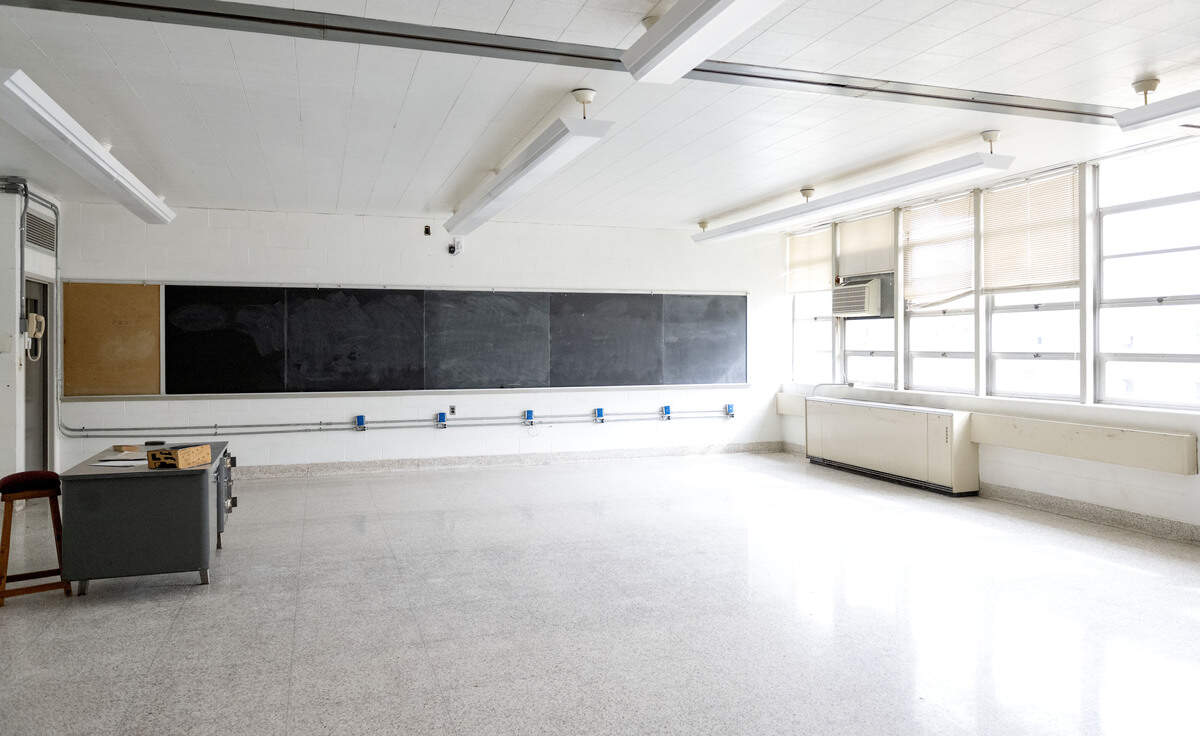
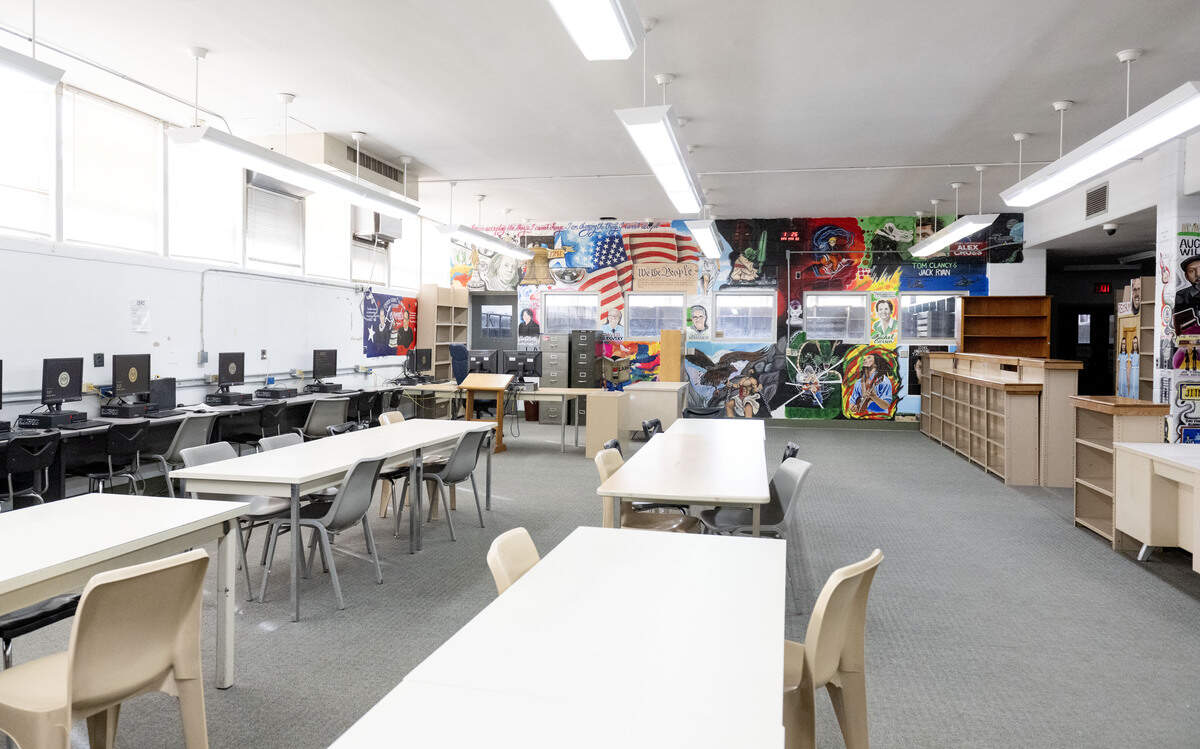
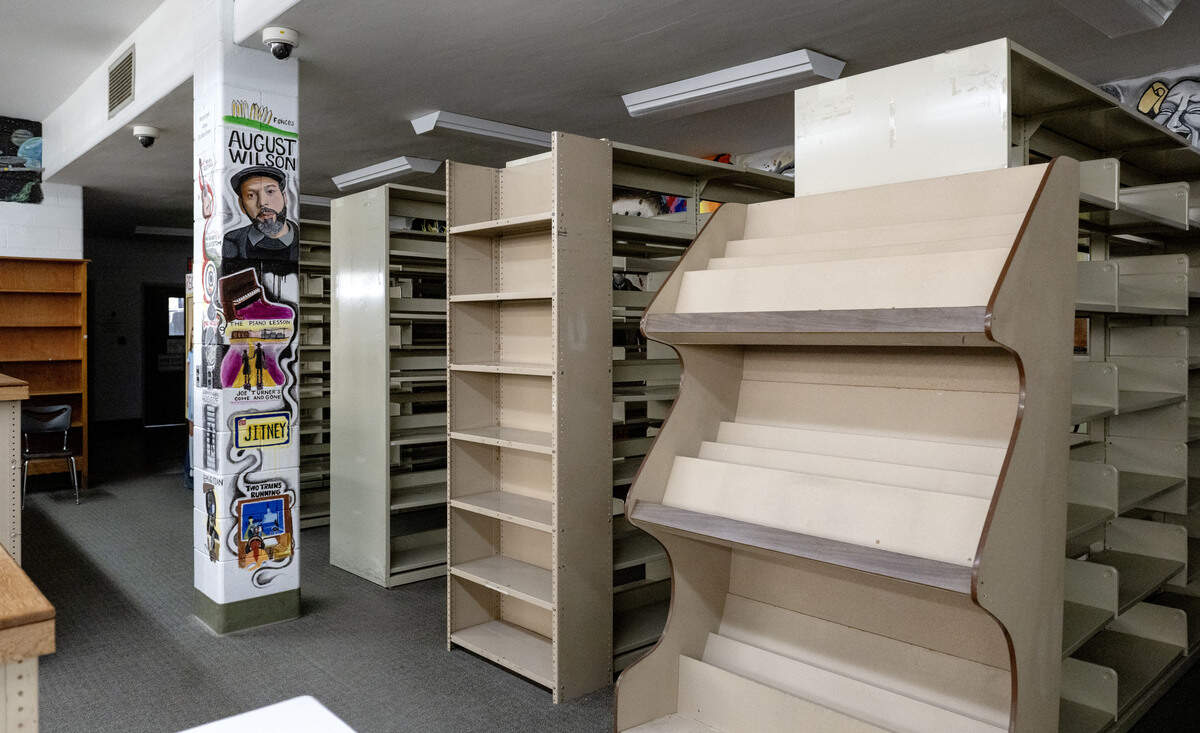
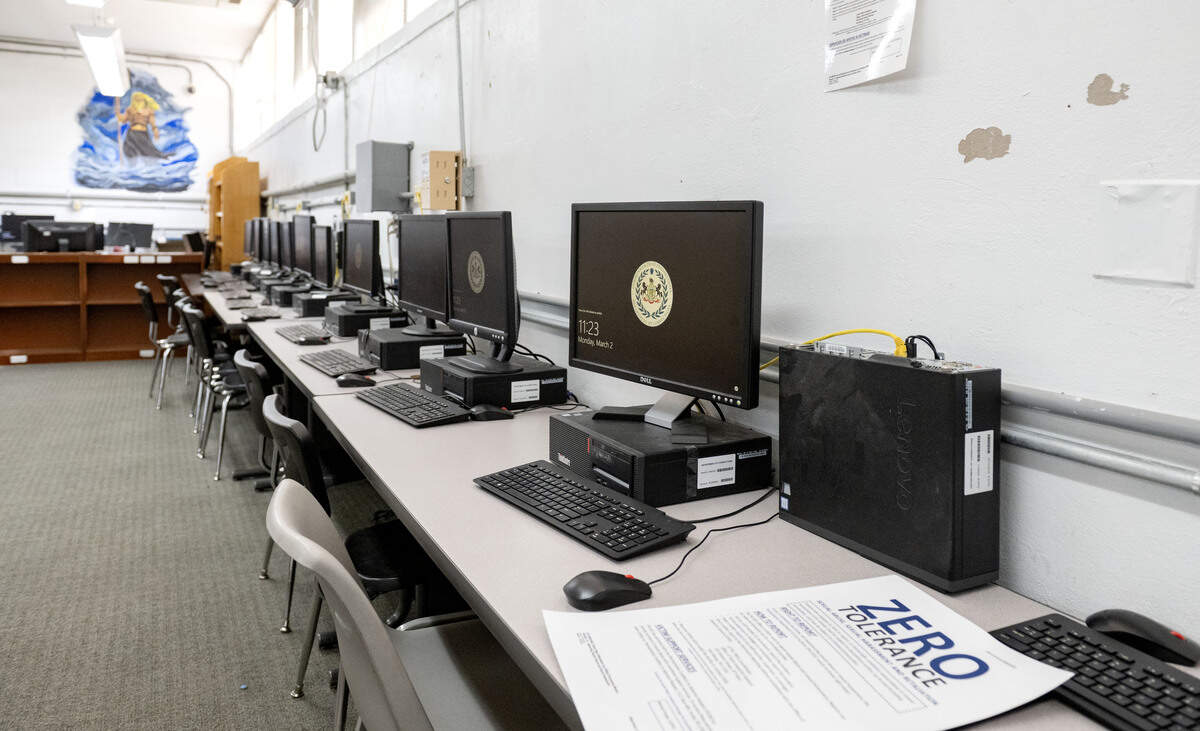
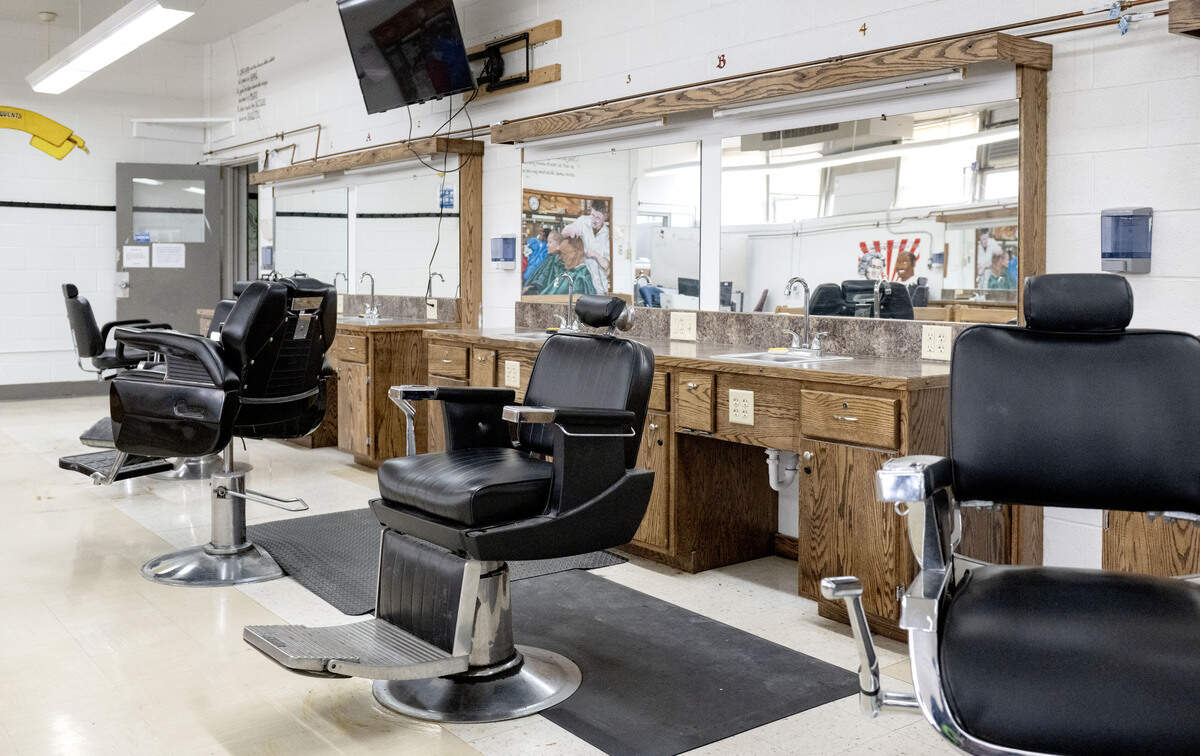
Symbolic of a facility that in many ways is its own community, Rockview is also fitted with its own barbershop where inmates would cut the hair of corrections officers.
Neither the execution chamber nor the restricted housing unit — perhaps better known as “the hole” — were shown during the tour.
The DOC estimated it will cost about $1.58 million annually to mothball Rockview. Had it remained open, the agency said it would have required about $75 million in upgrades in addition to operating expenses of about $112 million per year.
It’s not yet known what the state will do with the facility. Other closed prisons have sat empty for years before a sale or potential demolition.
Speaking during a state budget hearing last week, corrections Secretary Laurel R. Harry told lawmakers the agency is working to reallocate Rockview’s usable equipment to other facilities. She said that process is “going to take a few months.”
Gov. Josh Shapiro’s administration similarly has not yet detailed its plans for Rockview’s vast property between Bellefonte and State College. At least some of the land will remain for next-door Benner Township state prison.