
Over the garden fence: What to know to start growing nutrient-rich microgreens
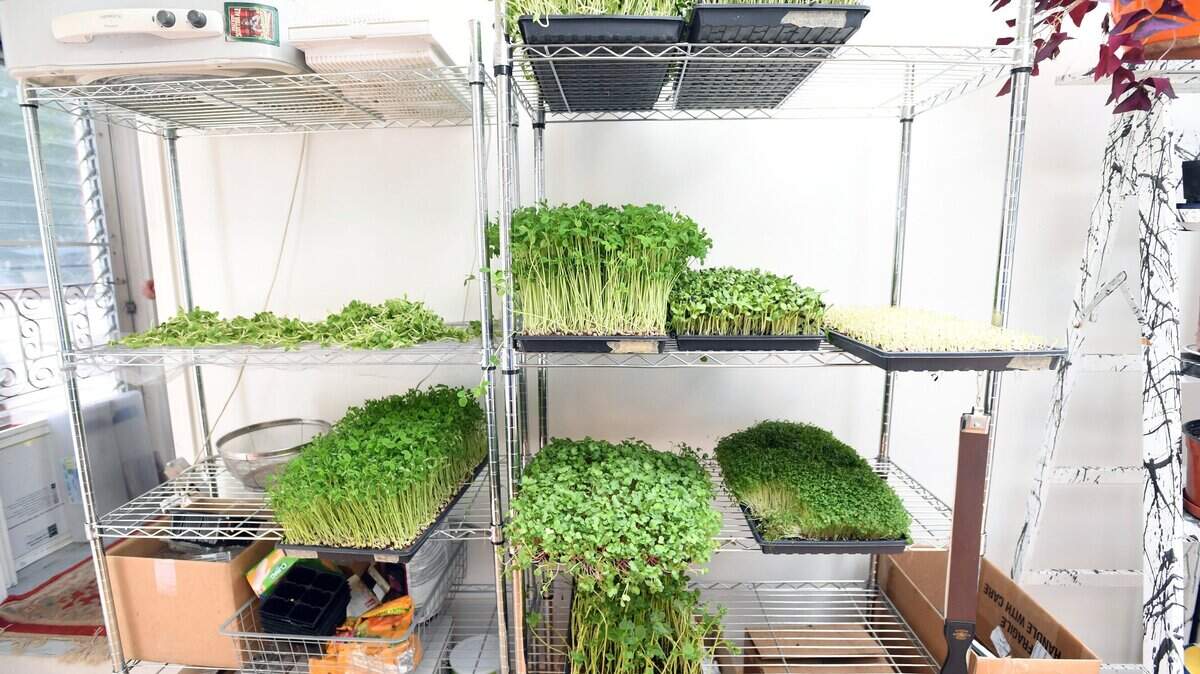
March is the month for “the wearing o’ the green,” and our plates are no exception! Once used chiefly as a signature garnish by chefs of fine restaurants, microgreens have now gained great popularity as a “superfood.”
According to Penn State researchers, these young, tender seedlings of edible vegetables and herbs are a great source of minerals, vitamins, fiber and antioxidant compounds. Normally consumed raw, they can be enjoyed with (or in place of) lettuce or other greens to give a lift to salads and sandwiches of all kinds. Local grower Dan Klock of Greenspace Microgreens has been producing microgreens commercially since 2015. During the winter months, he says, “we notice an increase in sales when most typical greens aren’t available” locally.
Even better, because of their size and short growth cycle (7-21 days), microgreens can be easily grown at home. No special equipment is needed, and most will grow happily on a sunny window ledge. Recycled food containers such as salad clamshells or trays can make perfectly good growing vessels, and a light potting mix can be used with no need for added fertilizer.
What kinds of seeds can be used? Seeds from plants in the brassica family, such as broccoli, mustard and kale are favorites due to their short growth cycle (1 week) and pungent flavor that denotes their anti-cancer compounds. If you prefer a milder flavor profile, plants like spinach, peas and sunflower are also good choices.
Klock says that among his customers, pea shoots, sunflower and purple Sango radish are popular — both for taste and long shelf life (over two weeks). Gardeners should avoid the seeds of solanaceous vegetables (tomatoes, peppers, eggplant, peppers) as these contain alkaloids which can be toxic at high levels. Several seed companies offer seeds specifically for microgreens, including mixes for those who’d like a little variety!
How to get started? You’ll need microgreen seeds, a small container for soaking them, growing trays and medium, measuring spoons, a small colander, a spray bottle and a pitcher. Growing trays can be any recycled tray, as long as they’re clean, food safe and have drainage holes added to the bottom.
To begin, add a sterile, well-draining medium (such as indoor potting mix or seed-starting mix) to your growing trays to a depth of 1-2 inches. Next, set the trays in a larger container filled with water so that they can soak up moisture from below. Moist soil will help the little seeds stick to the surface and aid germination. Now, you’re ready to plant.
Check the recommended density rate on the seed packet and cover the entire growing area of the tray. (Some larger seeds with harder coats, such as sunflower, benefit from pre-soaking overnight.) No need to cover the seeds with soil; use your spray bottle to keep the seeds moist as they germinate. A few days in the dark also encourages the seeds to sprout; simply cover the trays with something that will block the light, being sure to check them regularly. Klock notes that overwatering or underwatering during germination are very common errors for the novice.
Once germination is complete, set your trays in a sunny window. Then, the only task remaining is to be sure your seedlings get a steady supply of the right amount of moisture. It’s best to water from below, in the same way that you prepared the trays; this heads off potential diseases.
Harvest time will depend on the variety you’ve chosen, but sharp scissors are the implement of choice here. Microgreens have a short shelf life, so be sure to harvest only when you’re ready to use them. Afterward, rinse and repeat — you can wash and reuse trays, composting the used growing medium — and start a fresh crop!
If you’d like to give it a try, Penn State Extension offers a complete guide to growing microgreens at home: extension.psu.edu/a-step-by-step-guide-for-growing-microgreens-at-home. Or if you’d prefer hands-on instruction, Greenspace Microgreens offers periodic workshops for the public: contact Dan Klock at 814-502-0849 or info@greenspacemicrogreens.com
In the garden this month
Though sunny days and moderating temperatures can be tempting, delay raking, blowing and other garden clean-up activities until next month, when pollinators and other beneficial insects have safely emerged from their winter homes. But there’s still plenty to do right now:
- Weed it and reap — early perennial weeds are easiest to remove from moist soil while still small.
- Remove dead or damaged branches from trees and ornamental shrubs.
- Turn your compost pile when the ground has thawed, but avoid working your garden if the soil is wet, as this can damage the structure of the soil.
Turn your compost pile when the ground has thawed, but avoid working your garden if the soil is wet, as this can damage the structure of the soil.
- When soil becomes workable, plant peas, lettuce, spinach and other cool weather crops.
- Start other seeds indoors on a sunny windowsill for a jump-start on blooms.
- Have lawn mowers and other equipment serviced now, if needed.
Lisa Schneider has been a Master Gardener since moving to PA in 2017. Have a gardening question? Email centremg@psu.edu.