Centre County fire company says they need more funding or the public might suffer
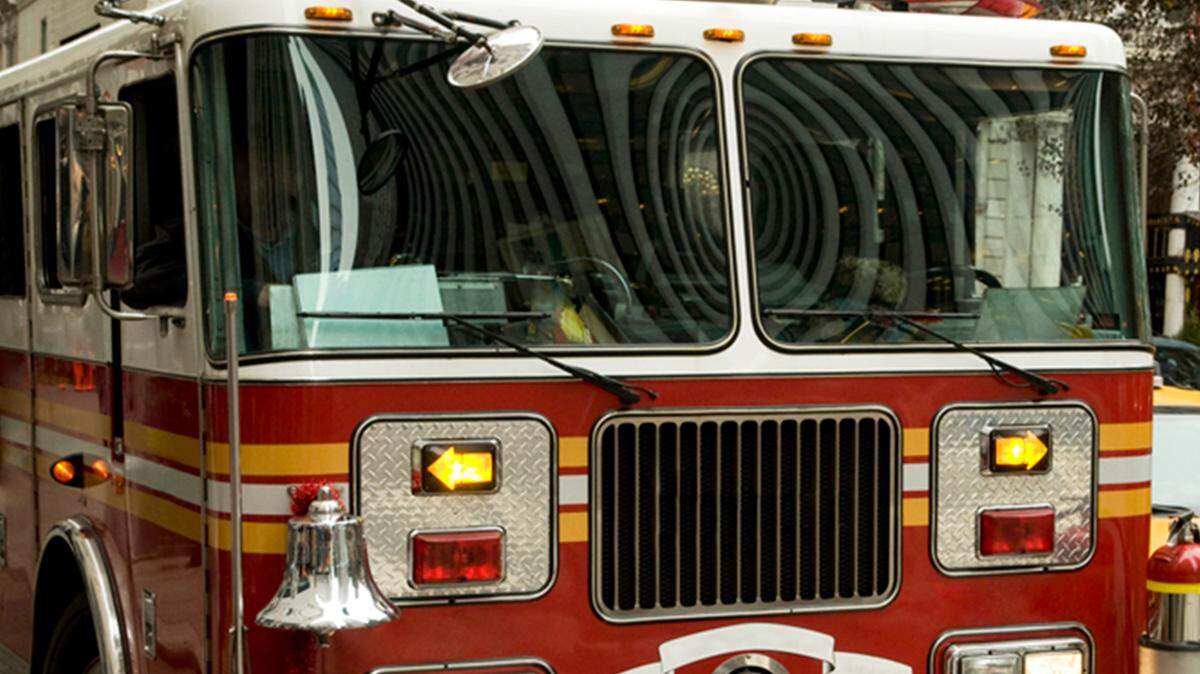
To discuss the future of the Walker Township Fire Company’s finances and level of fire protection, the fire company is holding a public meeting this week to educate the public on the growing concerns and gather feedback.
Disagreements between the fire company and the Walker Township Supervisors during recent years have resulted in this meeting, held independently by the fire company. It is set for 7 p.m. Aug. 16 at The Walker Township Fire Company, 125 Fire House Lane, Howard, and the fire company invites all residents to attend.
The supervisors aren’t against funding the fire company, rather the two entities have hit a roadblock when it comes to how the township should fund the fire company.
Since 1999, Walker Township has had a 1 mil fire protection tax, which generates about $107,000. To help the fire company “get ahead” and budget for high cost items, like a new tanker or engine, more money is needed. That’s why it asked the Walker Township Supervisors for 1 mil to be added to the already existing fire protection tax, raising it to two total mils.
Chris Harter, president of the fire company, said the average Walker Township homeowner currently pays between $50-$85 for the fire protection tax. By adding another mil, that doubles what they’re currently paying.
“The fire department’s not broke. But we can’t get ahead,” he said. “And if we can’t get ahead, the community’s going to suffer in the future.”
Chris Miller, treasurer for the fire company, said he noticed in 2018-19 that the company was starting to show a loss. It wasn’t anything major, he said, but the income wasn’t keeping up with the expenses.
Like other fire companies around the region, fundraising has fallen off over the years. Donation drives are down almost 50% from what it used to be, and maintenance costs on the trucks have gotten more expensive, Miller said. In recent years, over $20,000 has been spent annually just on maintaining aging trucks. Plus, costs of everything are increasing. In 2000, the fire company purchased a new fire engine pumper, which was a demonstration model, for $232,000. That same piece today would go for around $750,000, Miller said.
Each year, the company creates an operating budget, Miller said, but said you can’t do that and plan for future growth and expenses if you don’t have a guaranteed source of income.
“The fundraising stuff is never guaranteed, I mean COVID proved that. You know, one year you can do really great, the next year it can be miserable, whereas with the fire tax is pretty stable as long as people pay their taxes. It is a guaranteed source of income that we can budget off of,” Miller said.
Volunteer firefighters shouldn’t have to spend their time fundraising, Harter and Miller said. Some firefighters even use vacation time from their paid job to have time to do fundraising, Harter added.
“When we have to base most of our time on fundraising that takes away from training or being out in the community doing better and other things, other than trying to earn money to supplement the income. And that’s not what we’re there for, you know, we’re there to be … fire personnel for the community,” Harter said.
Even with a millage increase, Harter said that won’t get the fire department “ahead.”
For the department to buy a new fire truck, they’d have to have the down payment for the chassis up front, Harter said. Depending on the chassis, it could be anywhere between $200,000 and $400,000, which the department doesn’t have, he said.
“But you have to have that kind of money up front to then be able to go get a loan, because that’s your down payment. Your down payment is the chassis to then be able to go and get a 2% loan,” Harter said. If the township were to adopt the additional mil, it would take the department three years to save enough money to have the down payment, plus another two years to get the truck built, he said.
Reduction of fire protection?
The fire company’s social media post stated items that will be addressed during Tuesday’s public meeting include “whether the level of fire protection should be reduced in accordance with current funding limitations, or should the level of funding be increased to continue to support the fire and rescue protection needs of the community.”
Harter said the department has a 1996 tanker and a 1995 rescue that are “one mechanical failure away from us not being able to afford — or be able to get the parts to — repair them.” If that were to happen, they’d have to take those vehicles, which are crucial to the fire company, out of service.
“We’re still fairly rural, so a fire tanker is needed. We still have a lot of agricultural areas where we don’t have hydrants, or good fire hydrants. So we need that 1,500 (gallons) of water coming right away to extinguish a fire,” Harter said. “And our rescue handles all of our extrication tools, you know, to go up and down this road, Route 64 and surrounding areas that are very populated with traffic right now because of … the influx. So our two biggest vehicles that we need are in need of replacement.”
If there’s a car crash that requires extrication, and their rescue is out of service, they’d likely have to wait for Pleasant Gap to bring their rescue, Miller said. That could add 15 minutes to the time it will take to get the patient out of the car.
Not having those in service could also have an impact on the ISO rating, which is a score that reflects how prepared a community is for fires based on different factors. Having a higher rating could mean higher homeowners insurance rates, Miller said.
The Walker Township Fire Company has two stations; the main station in Hublersburg and a satellite station in Zion. The Zion station is vital, Harter said, as that’s where the biggest population is.
But that station would likely be temporarily shut down if utility costs continue to increase, Harter said. The Hublersburg station has enough room to house all the firetrucks, though it would impact the response time to the people in Zion.
If the Zion station were to shut down, the company could rent that space out for additional income, Miller said.
In favor of funding, but not raising taxes
This discussion has been going on for years. The fire company first approached the township about an additional mil in 2019. Deb Zimmerman, township supervisor, said she’s not against funding the fire company. She just doesn’t want to raise taxes to do so.
Supervisors allocated $80,000 out of its general fund budget to give to the fire company, as it couldn’t have its annual gun raffle due to COVID, Zimmerman said, and in 2021, the township gave the fire company $125,000 to help make debt payments.
“My take on it as a supervisor is, we have enough money in our general fund to cover their request for money without passing it on to the residents as a tax,” Zimmerman said. Supervisor Keith Harter agreed.
The board pitched the idea of an ordinance that would create a special fund within the general fund for the fire company. Zimmerman said they offered $125,000 to be added to the fund annually, which is more than what one mil would bring in. But recently the fire company turned down the ordinance, Zimmerman said, due to disagreements about who would have control of the money.
Chris Harter disputed that, stating the only proposal the township offered didn’t include financial figures or a length of terms.
“It was basically them putting on paper what they intend to control. Unfortunately the fire department couldn’t see any good reasons to consider this deal, it doesn’t benefit the community that the supervisors dictate what equipment that is needed for life safety and to protect houses and properties,” Chris Harter wrote in a text message.
Supervisor Harter, who is also a member of the fire company, said he doesn’t see the fire company needing to eliminate the Zion station. Even if they did, he said, it wouldn’t be a huge saving for the fire company.
“Some people that would not be within five miles of a fire hall … would not get an incentive or credit on their homeowners insurance that they’re currently getting,” Supervisor Harter said. “Other than that, it would be response time because that time would be from either Hublersburg, Bellefonte or Pleasant Gap. We’re probably talking a couple minutes.”
Supervisor James Heckman is also a fire company member, but unlike the other supervisors, is in favor of the additional millage. He said he made a motion last year to increase the fire protection tax, but rescinded the motion after it failed to get a second.
“I’m behind this fire company,” Heckman said.
This story was originally published August 15, 2022 at 10:31 AM.