Penns Valley woman, fueled by community, places in top 10 at international fly-fishing contest
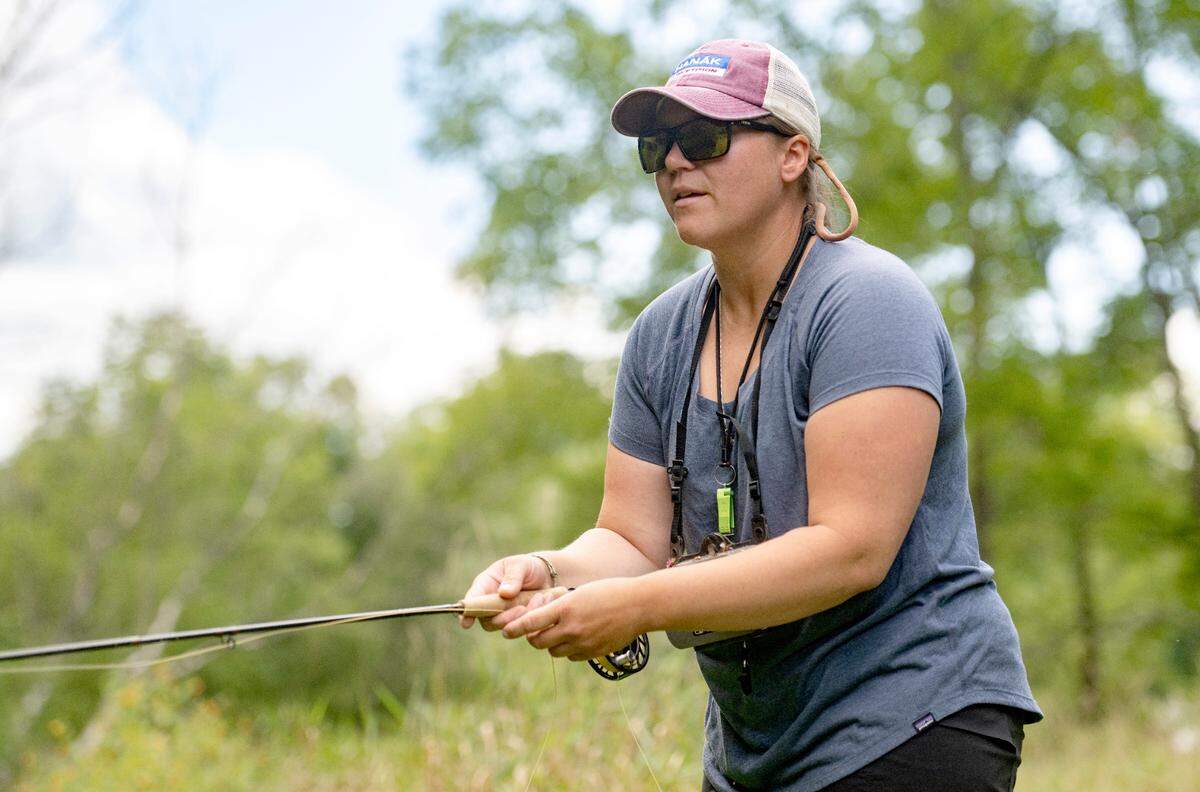
Penns Valley resident Tess Weigand recently returned to Happy Valley after traveling to Norway to compete in the first World Ladies Fly Fishing Championship, where she was fueled by local community support and pride for her sport.
Weigand grew up in southern Lancaster County with an outdoorsy family, but didn’t fish a lot. She attended Penn State for agriculture, where she took some fly-fishing courses. After she graduated in 2012, she never left the area. While living in the valley, she wanted to do something more with her dog other than hiking. He loved water, so Weigand started fishing and she “just became obsessed with it.”
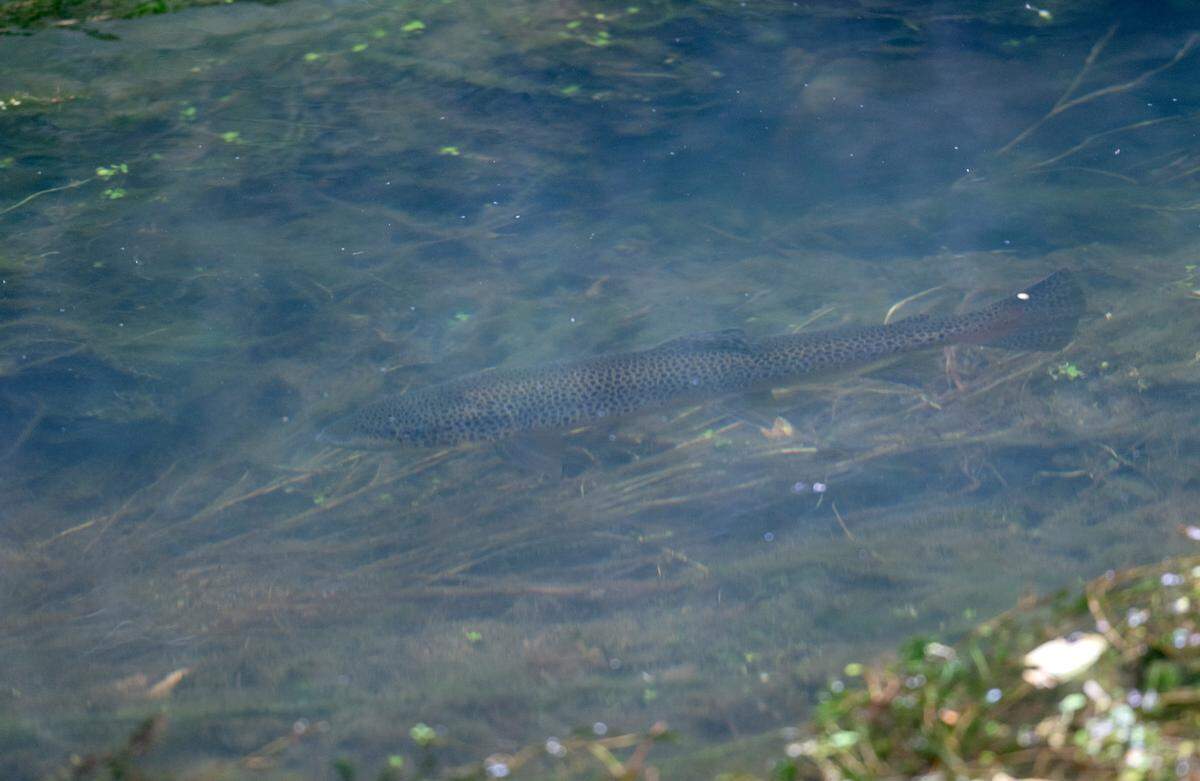
“We live in one of the absolute best places in the entire world. I think that’s something that a lot of people forget, that this area’s just uniquely diverse and its entomology is kind of unlike any other place,” Weigand said. “This is one of the most amazing places to fly fish in the entire world. And so being able to call Penns Creek my home water is incredibly lucky and definitely is one of the reasons that I am where I am now.”
And just where is she now? She was the highest scoring person on the U.S. women’s team at this summer’s World Ladies Fly Fishing Championship and individually placed in the top ten among the other competitors.
The start up of the Women’s Fly Fishing Team was brought on by FIPS-Mouche, an International Sport Fly Fishing Federation that governs all international fly-fishing competitions. The US Angling Confederation, which governs all sport fishing in the United States, contacted the U.S. Youth Fly Fishing team (based in State College) and said FIPS-Mouche would be holding the first women’s world championship. So they began thinking of how to put a team together.
Initially six people, including Weigand, were chosen for the first U.S. women’s team. They met for the first time in June 2021 and from there worked to build out the team. They competed in the first women’s national competition in April, in Colorado, and gained more teammates. Ten women from across the country are now on the team, five of which were chosen for the world competition, plus two reserves.
At the world competition, it’s all about the team medal, Weigand said. Although there hasn’t been a world championship before or a U.S. women’s team, there have been other women’s teams.
“We’re the underdogs. We’re a brand new team … we’ve been a team since April. We were just hoping to go over there and represent ourselves as professional and friendly, and just fish our (butts) off,” Weigand said.
The U.S. women’s team placed fourth overall, just missing bronze by a point.
Community support was ‘empowering’
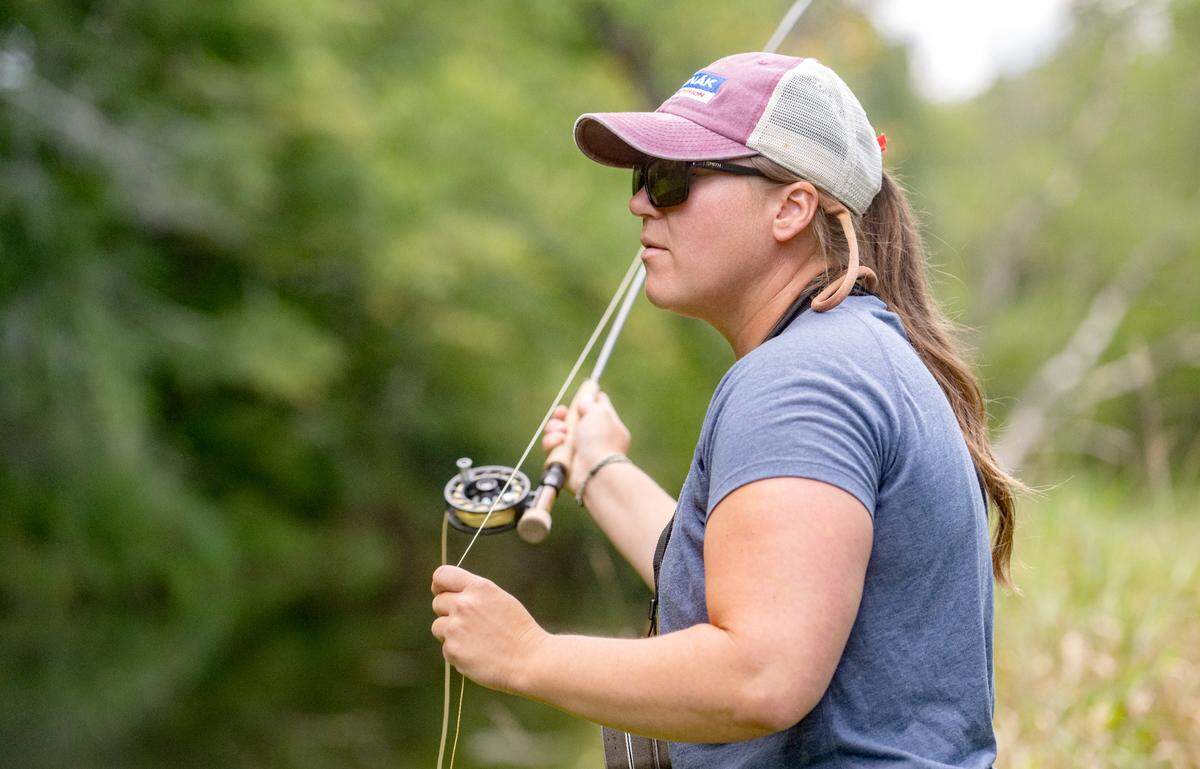
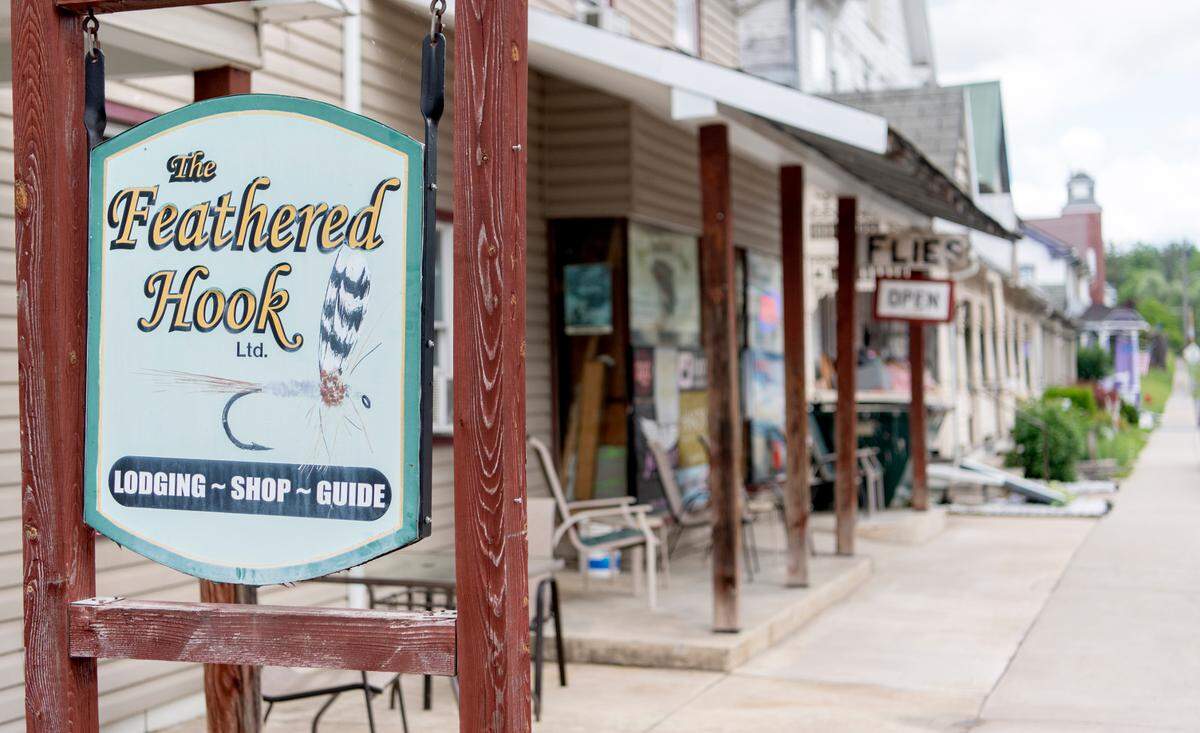
Weigand, 32, is a fly-fishing guide at The Feathered Hook in Coburn, where she takes clients for a day of fishing, primarily on Penns Creek. There’s a big education focus, such as teaching clients about the ecosystem and how to be better anglers.
Her busiest season is mid-March through July. That’s also when she was preparing for the competition.
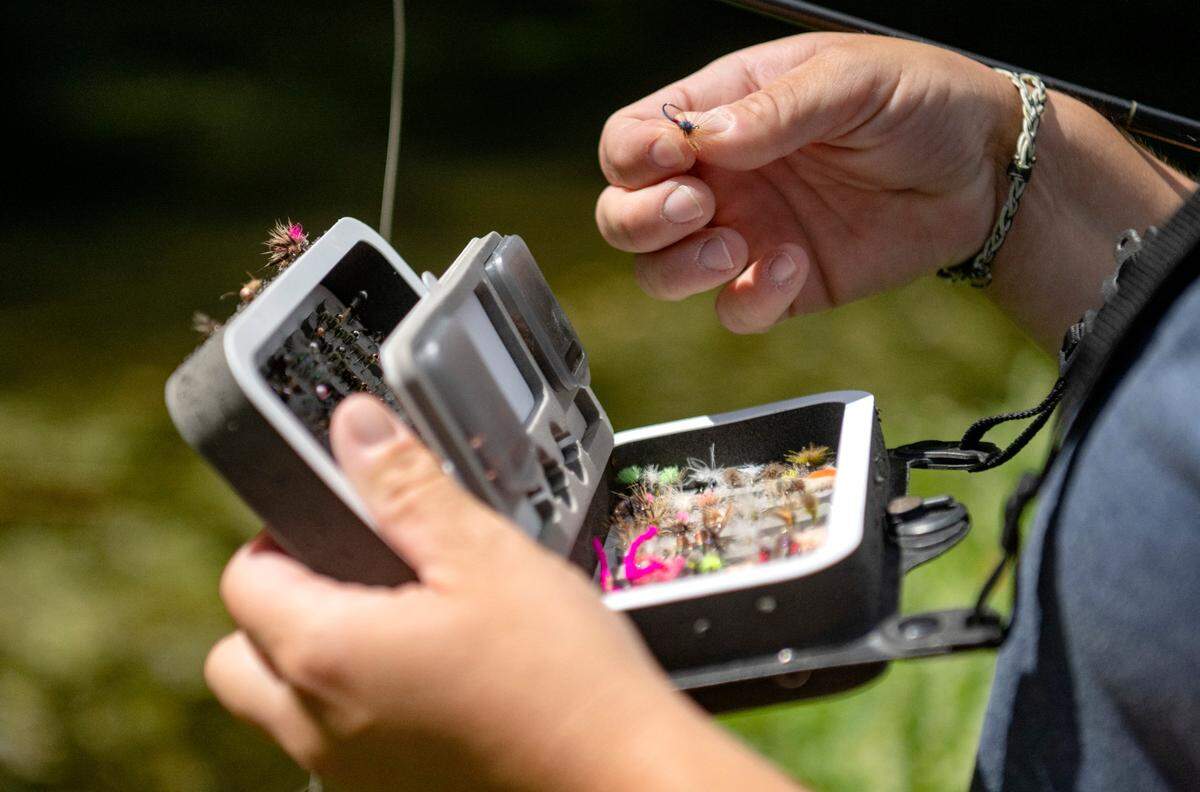
“I’m guiding every single day. So I was getting up really early in the morning to get out on the water, get a little practice in before my day started. We also tie the vast majority of our own flies … so that’s a really big part of it,” she said. “So tying every single day because you need dozens and dozens, I mean, I couldn’t tell you how many flies I tied before Norway, but it’s a lot. So that was our primary preparation, that and getting travel in order.”
It was an “incredibly expensive trip,” Weigand said, and the team is self-funded. Each person did individual fundraising to help pay their way to the competition. Scores of people contributed to Weigand’s GoFundMe to help offset the costs, for both the national and world competition.
“I was supported by our local community in an amazing way, and then also by my fly-fishing community, like our clients here and friends of The Feathered Hook. And so I felt incredibly fortunate,” she said. “I felt like I was going over there with the biggest group of supporters ... and that was really empowering but also terrifying.”
She credits a lot of her success to her “Feathered Hook Community.” Without them, she said she wouldn’t be a guide or have this career, wouldn’t have a business or gone to the competition.
“It’s like I have my own cheerleading team and then my own coaches with the knowledge base that’s here,” she said.
The world’s competition was July 4-11; Weigand headed to Norway in mid-June to practice and get acclimated. Every day until the competition, she and her teammates would fish most of the day, come back and tie flies, and share what they learned in team meetings.
The multi-day competition is held at different venues; three rivers and one lake.
“There’s definitely a misconception in the angling world, that you’re kind of a one-trick pony if you’re a competitive angler, but if you’re not a diverse angler, you’re not going to do well because all of the venues are so incredibly different,” she said.
The diversity of the venues is something she wasn’t expecting. Another was leaving Pennsylvania at the end of the guiding season and arriving in Norway to see very similar bug life. She said that gave her a boost of confidence, as she knew how they behave.
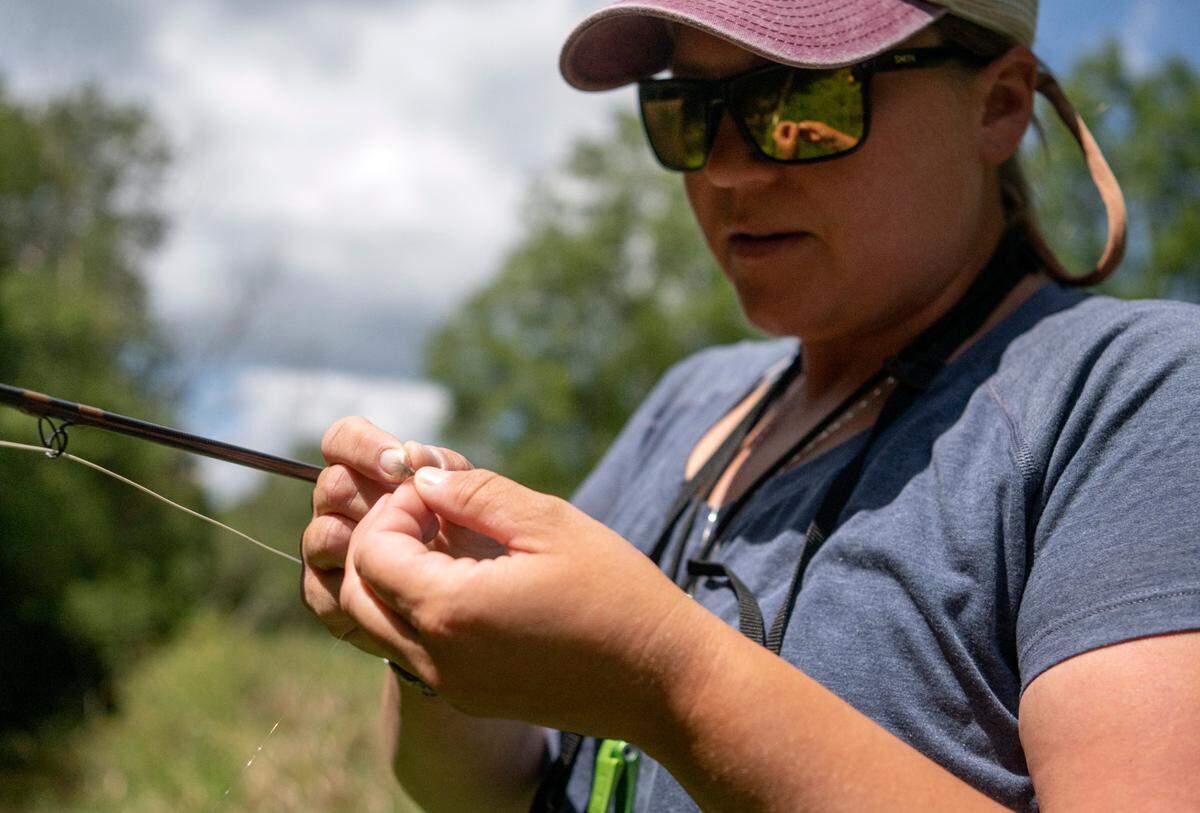
During competitions, only certain fish are “allowed” and will help competitors score. European Grayling is the primary species there, which aren’t in central PA, so she had to do a lot of studying before she left. That included reading, as well as just talking to people.
“So many men who have competed internationally were the most helpful and supportive, which is another thing I wasn’t really expecting. So they’re like, ‘Oh, yeah, I’ve been there. Let’s get a beer, I want to tell you everything.’ We had people sending us flies. There’s a gentleman who used to work for FIPS-Mouche who lives out west and … I got a package in the mail that literally made me cry because it was just full. He tied dozens of his favorite European Grayling flies and tons of fly tying materials. And getting that stuff in the mail before you leave … makes you incredibly proud and grateful and humbled.”
Females in the sport
The first year for the women’s world championship is a historic moment, Weigand said. She’s proud that they were able to put up a good competition while overcoming some team dynamic struggles. She gets excited thinking about the team’s future potential, but notes that more people are needed.
Getting more women involved in the sport — at any level — is something they’re working toward.
Weigand encourages anyone, especially women, who are interested in learning how to fly fish to take the first step in doing so. She’s in Coburn most of the year and loves to talk to people about the sport. Other people who work at The Feathered Hook have also fished competitively and have a lot of collective knowledge about competitive angling, she said. The shop carries a lot of very specific gear that can help people become a competitive angler.
“But also know that you don’t have to have (that gear), you can make fly-fishing as expensive or non-expensive as you want it to. And you can learn a lot from having the most basic setups and there is no judgment. It can be very accessible.”
Locally, there are many “mini competitions” people can participate in.
“They’re very informal, very supportive, very inclusive of new people, which is awesome. The fly-fishing world can be ego driven … and I’ve found that these mini camps are the opposite of that. And being able to learn from some of the best anglers in the country that are at these is really, really cool,” she said.