An $81M project underway at UAJA will turn waste into renewable energy. Here’s how
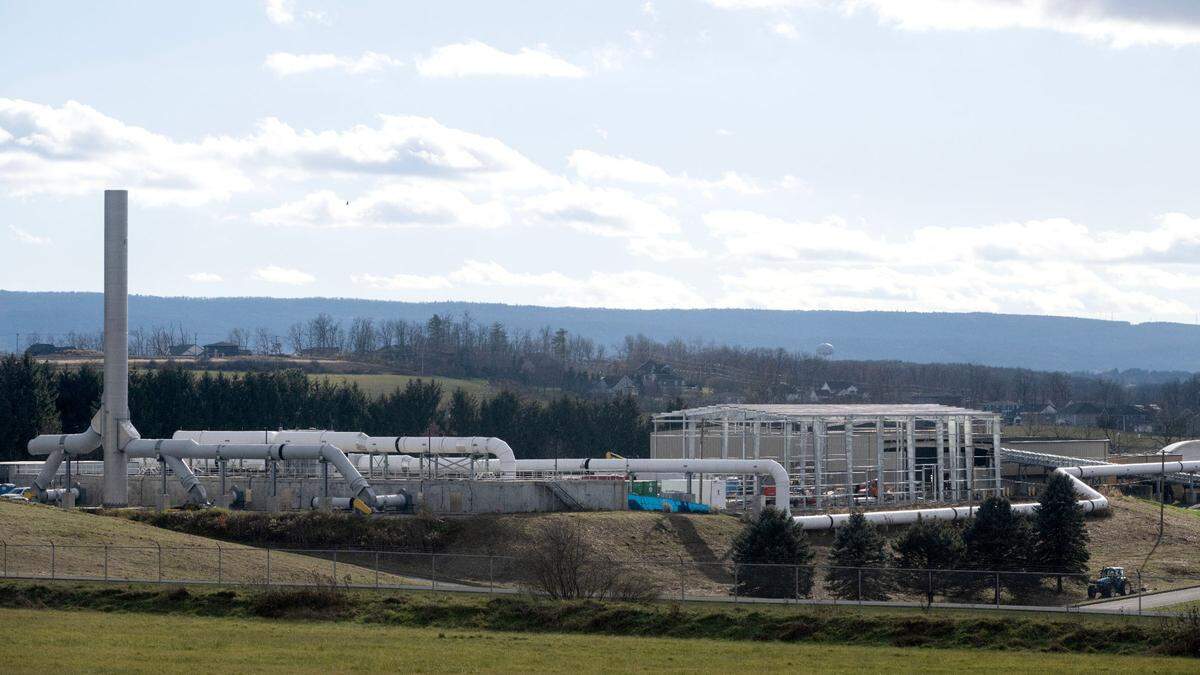
An $81 million project is underway at the University Area Joint Authority that, when complete, will be able to turn waste into renewable energy and help generate revenue.
UAJA, located at 1576 Spring Valley Road in College Township, is constructing the system in partnership with Veolia Water Technologies & Solutions — a leading national equipment supplier for wastewater technology — that will introduce a complete anaerobic digestive solution to the plant’s received waste, allowing for it to be turned into renewable natural gas.
While UAJA is the first wastewater treatment plant in the United States to utilize Veolia’s technology for this purpose, there about 400 other systems like this across the country that produce renewable gas using other technology.
The multi-million dollar project, which is being paid for entirely by UAJA using the authority’s own funds, started last fall. In order for the new, renewable energy-creating system to be built, the buildings that housed UAJA’s previous compost-creating system needed to first be demolished.
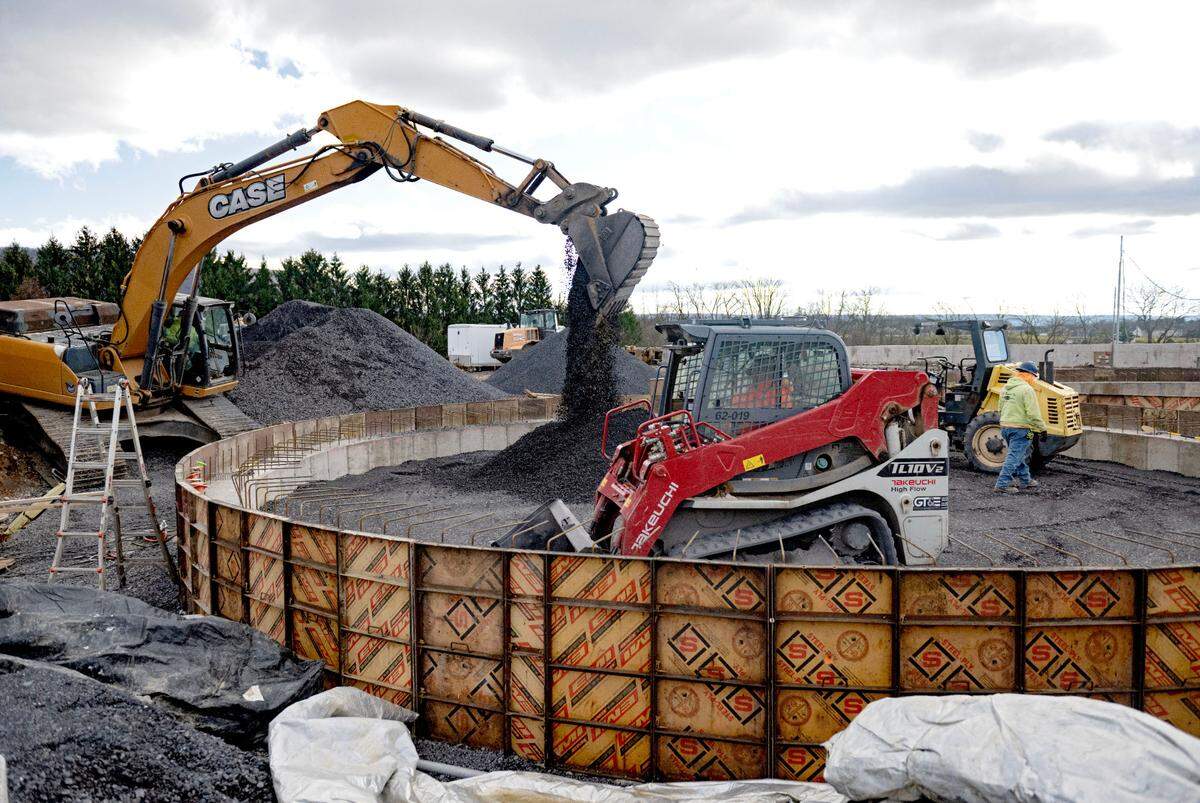
The plant’s previous system allowed for waste, or “sludge,” to be turned into compost and distributed to buyers throughout Centre County, but according to Jason Wert, market leader for the engineering firm RETTEW, that system became outdated.
“There was a massive, warehouse-sized building here that was used to house the previous compost system, but that one had to come down,” Wert said. “As national trends advanced, that process was starting to become outdated, so we decided to look into the implementation of a new one, and of the 13 we looked into, this renewable energy-generating system is the one that we decided would work best for us.”
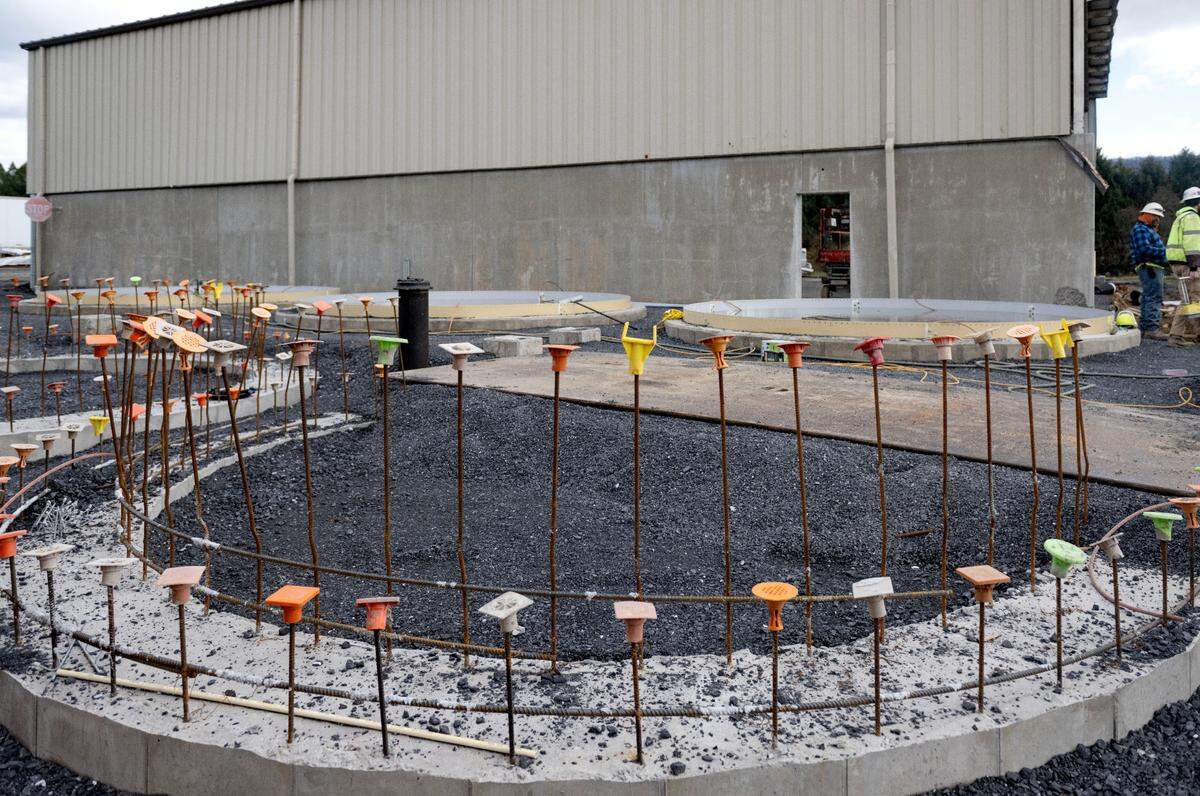
The new process will work by taking the plant’s received sludge and running it through an oxygen-free pressurized reactor. That will allow bacteria to break the material down into biowaste and biosolids, which are crucial elements in the anaerobic digestion process, as they hold the basic sugars and acids needed to produce the natural gas.
According to Veolia’s website, this is a process that occurs naturally in environments such as marshes, wetlands and rice fields, and Veolia is just taming that process so that it can be completed in reactor tanks like the ones that UAJA is building.
At the plant, there will be 11 total 60-foot-tall reactor tanks, each holding 1 million gallons of the bio-material, amounting to 11 million gallons of storage.
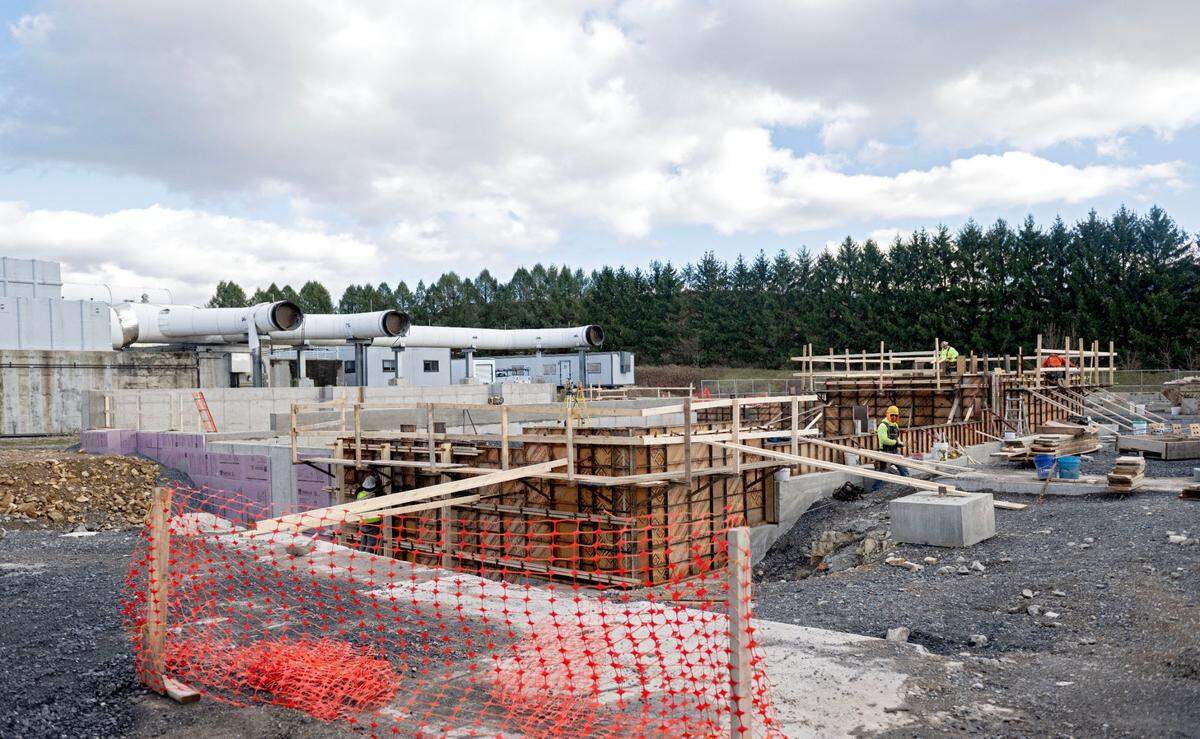
Once the bio-material has been digested in the tanks, the product that’s created will be about 60% methane. That product will then be purified through a process that removes the inert components of the gas such as water and additional carbon dioxide, leaving behind a renewable natural gas that will be sold into the county’s power grid.
According to the United States Environmental Protection Agency, that gas can also be used for a number of purposes other than for sale onto the power grid, including the compression of the natural gas into vehicle fuel, or the advanced processing of that gas into various biochemicals and bioproducts.
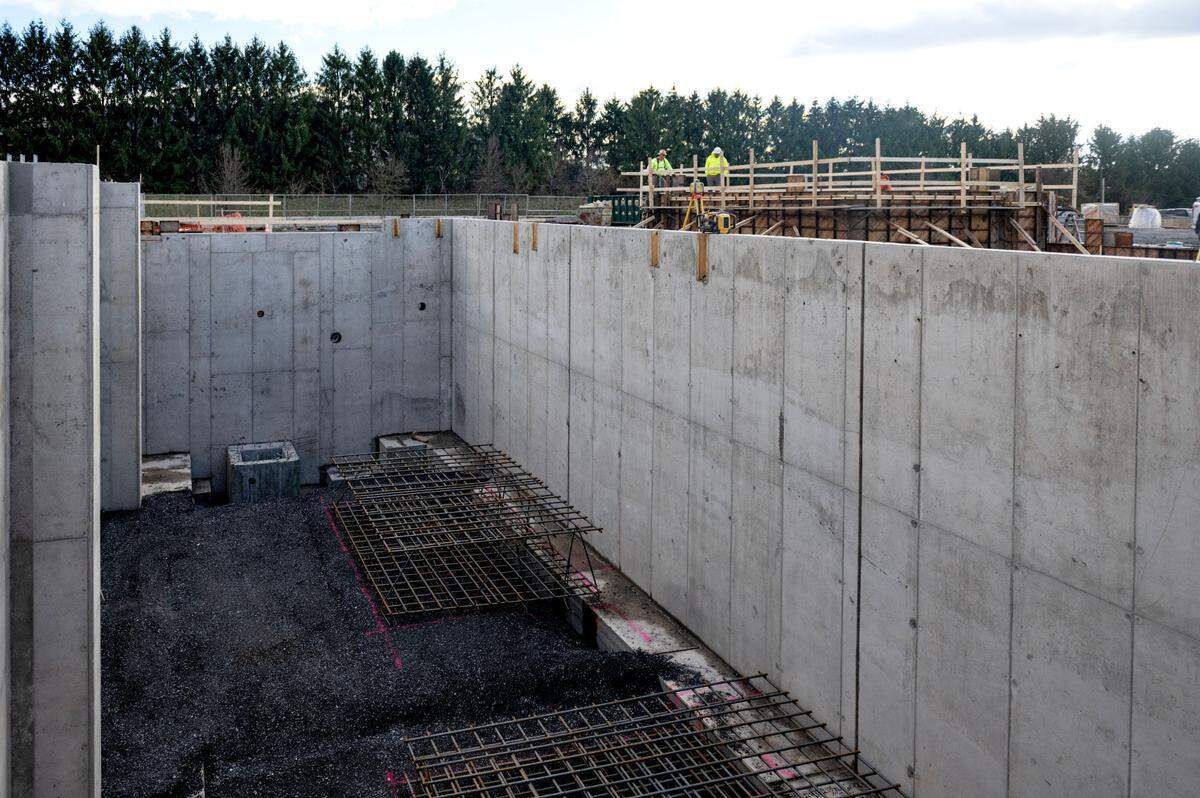
The process is expected to create around 150,000 gigajoules of energy per year to be sold onto the grid, which would equate to an estimated $1 million in revenue per year, Wert wrote in an email.
But because that market is affected by both policy and availability, Wert expects the annual revenue generated by the sale of the natural gas to fluctuate each year.
The anaerobic process can also create a compost byproduct, allowing for the plant to create both natural gas and the compost material that it was creating before the implementation of the new system, just in a smaller amount.
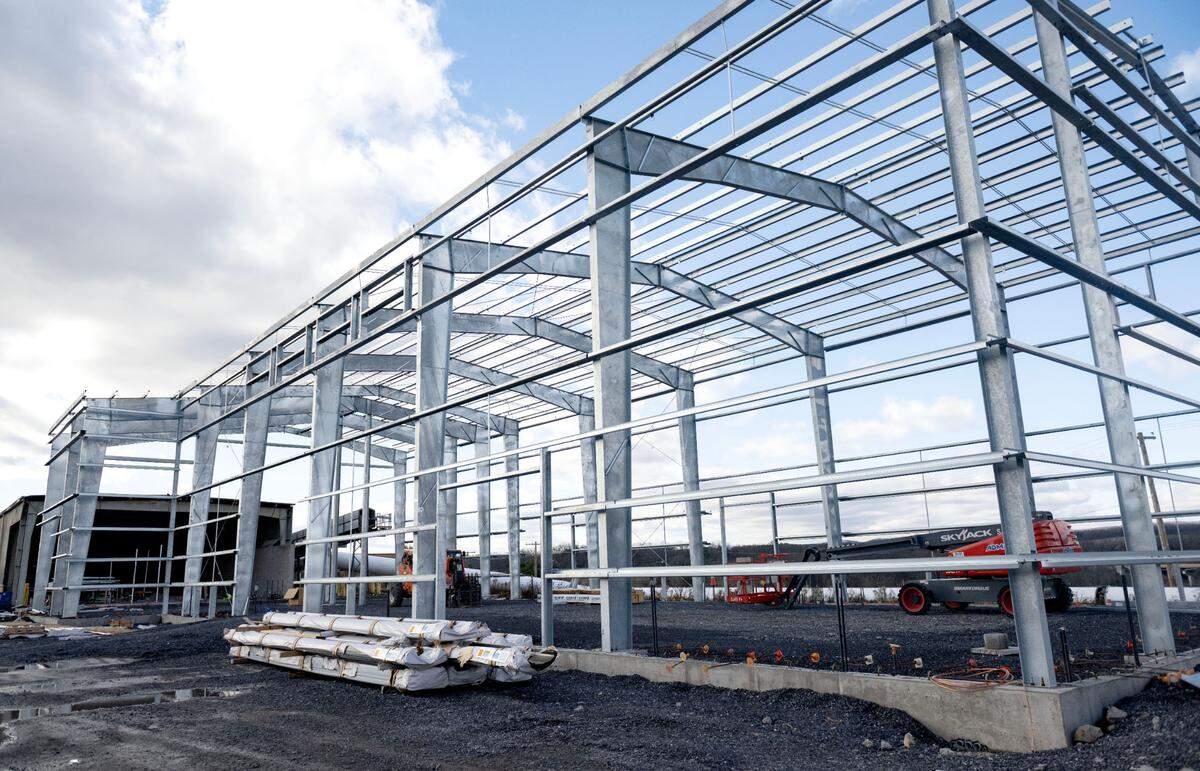
“Because (the new system) will create both renewable natural gas and compost, UAJA will be looking at two revenue streams as a result of the project,” UAJA Executive Director Cory Miller said. “That’s great for us, because it allows us to keep the connections that we’ve made through the sale of the compost, it earns us more money and it keeps us ahead of the curve for when new regulations are introduced to the wastewater world.”
Wert and Miller plan on using the added revenue to help fund future projects and “keep water rates low for years to come.”
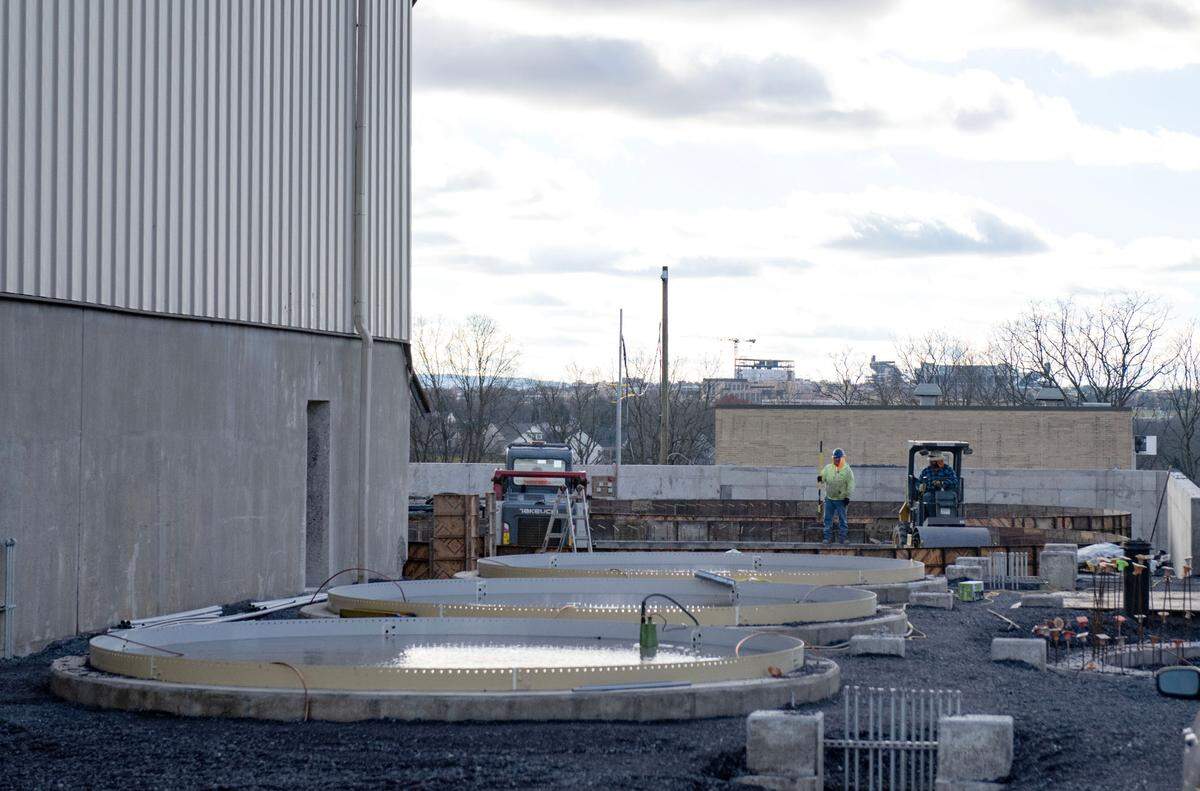
Miller said it’s important for UAJA to continually look ahead and prepare for upcoming trends or regulations.
“While a lot of other plants are stuck trying to play catch-up with new regulations, we keep tabs on what could be coming up next, so that we’re already prepared for it,” he said. “Because of this, we’re usually front-runners in wastewater technology, although that also means that we don’t get considered for as many grants. That’s why this project, along with many others that we’ve completed in the past, have been paid for entirely by UAJA.”
Wert and Miller estimate the project to be completed sometime in fall 2025, and many of the constructed tanks and buildings will be visible to drivers on Interstate 99.
While the new system is being constructed, the waste usually processed at the plant will temporarily be transported to the Clinton County landfill, until the new system is ready to be utilized.