From Afghanistan to Happy Valley: What makes the new Fatema’s Kitchen restaurant so unique
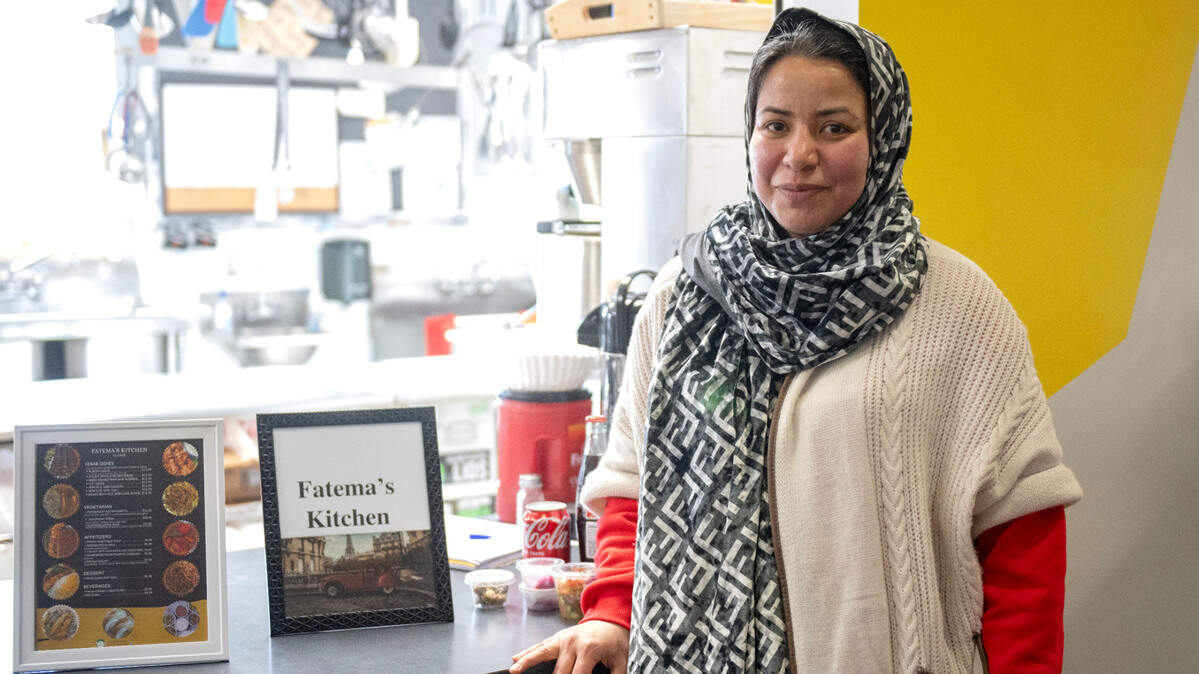
Fatema Mosawi couldn’t have envisioned herself in the U.S. a few short years ago — let alone opening a new restaurant.
But, early last week, the Afghan woman who was forced to flee her homeland with her family in 2021 smiled from ear to ear while showing off Fatema’s Kitchen. It is the first and only eatery in Centre County that focuses on Persian food, which is characterized by its delicate flavors, heavy emphasis on rice and slow-cooking style.
Mosawi opened it late last month, and it is operating on a month-to-month lease inside the cafe at the C3 Complex (300 Ellis Place) in College Township. Hours are from 11 a.m. to 7 p.m., Monday through Friday.
“I want to introduce our culture to State College and, little by little, around the county,” she said. “And I hope people like it and are satisfied.”
Mosawi’s 7,000-mile journey to Happy Valley wasn’t exactly planned. Her husband, Mohammad Hashami, worked as a journalist covering the Taliban. And, once the U.S. began to withdraw troops in May 2021 and Afghanistan’s capital was captured by the Taliban three months later, their family knew they couldn’t stay. “We weren’t safe there,” she offered.
She sent 500 emails, maybe even 1,000, to find someone — anyone — who could help get them out of the region. Eventually, a Spain-based organization called “Afghan Women on the Run” helped her family get visas to their country. From there, in 2023, Hashami was able to get a job (and visa) at Penn State as a lecturer in the history department.
Mosawi did not detail the hardships her family endured, but she said it was only after settling down here that her 7-year-old daughter could finally sleep through the night. She said she’s only been shown kindness in Centre County, something she did not initially expect.
“Outside, most people think of American people as rude,” Mosawi said. “But, after I am here for two years now, I love the USA. I really do. I’m really happy I’m here.”
Food first, business second
Mosawi never thought about opening her own business until she arrived in Happy Valley. When she and her husband hosted some neighbors for an informal party, they complimented her sweet and savory food while expressing shock she needed only a day to prepare the four dishes before them.
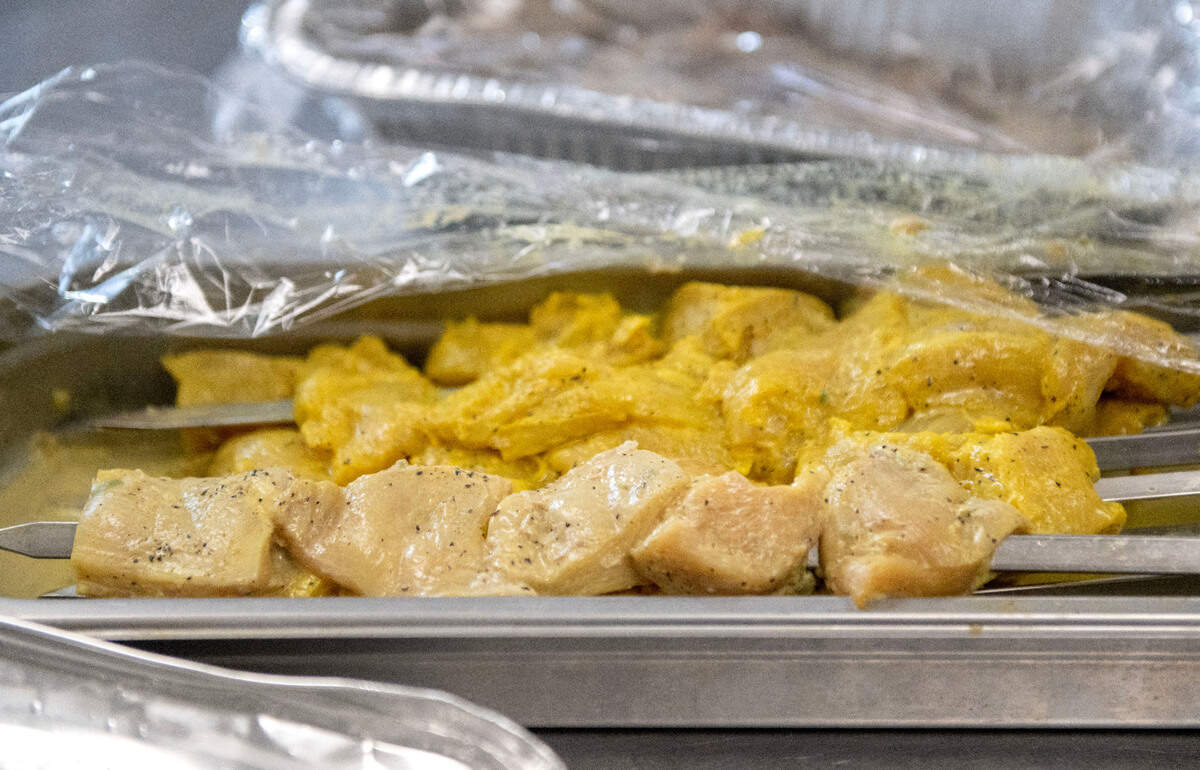
Neighbors enjoyed it so much that a few asked her to cook a dish for their own get-togethers, and Mosawi was only too happy to oblige. Lamb and chicken would be marinated for at least 24 hours, delicate additions of saffron and rosewater would be expertly added, and unique dishes — such as homemade sour purple cabbage (torshi) — always captured attention. Neighbors kept encouraging her to start her own business, falling in love with her family’s positivity and the attention she put into her food, as some dishes might require four hours of cooking time.
“It’s our culture,” said Mosawi’s husband Mohammad. “We try to make the best food we can for guests. Persian food takes a lot of time, and you need a lot of patience between marinating and cooking.”
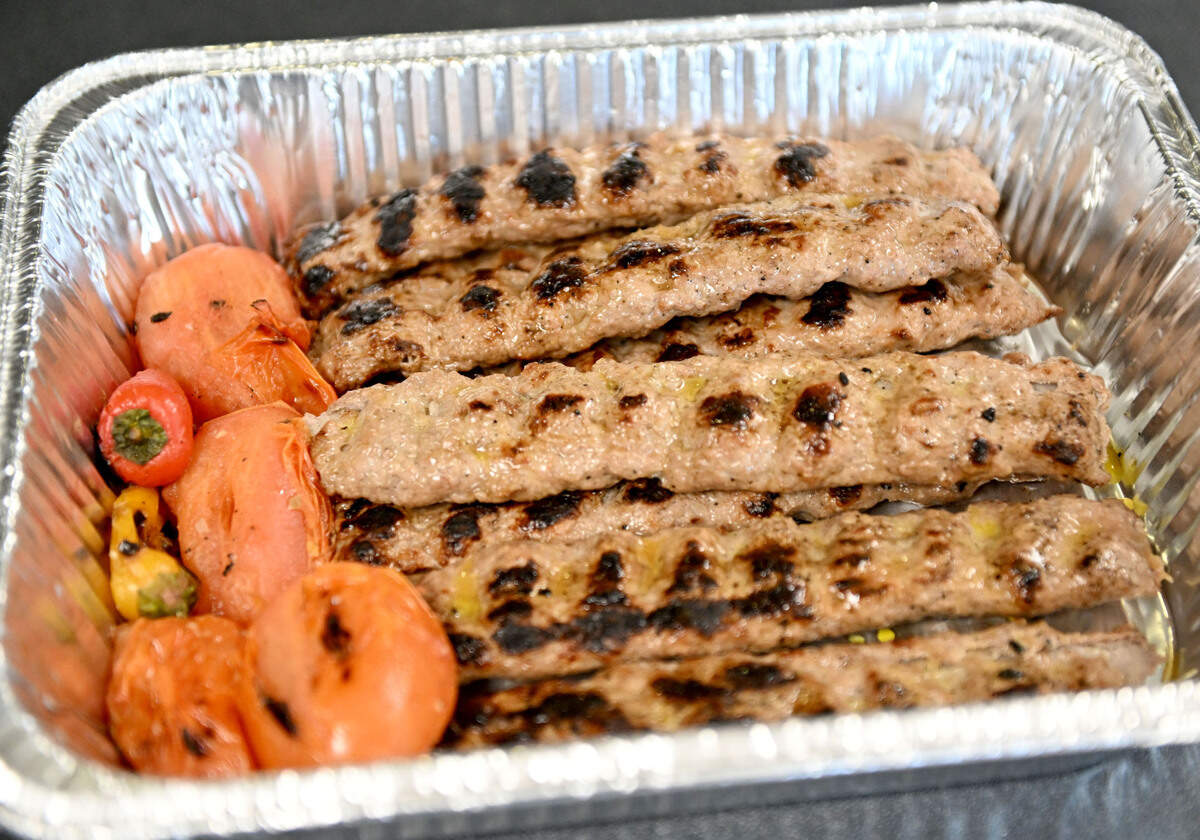
Luckily for customers, the wait isn’t all that long at Fatema’s Kitchen. One of her specialties, Kubideh Kebab, which consists of ground meat blended with onions, spices and herbs on a bed of saffron rice, took less than 10 minutes to pick up since Mosawi prepares as much as she can beforehand.
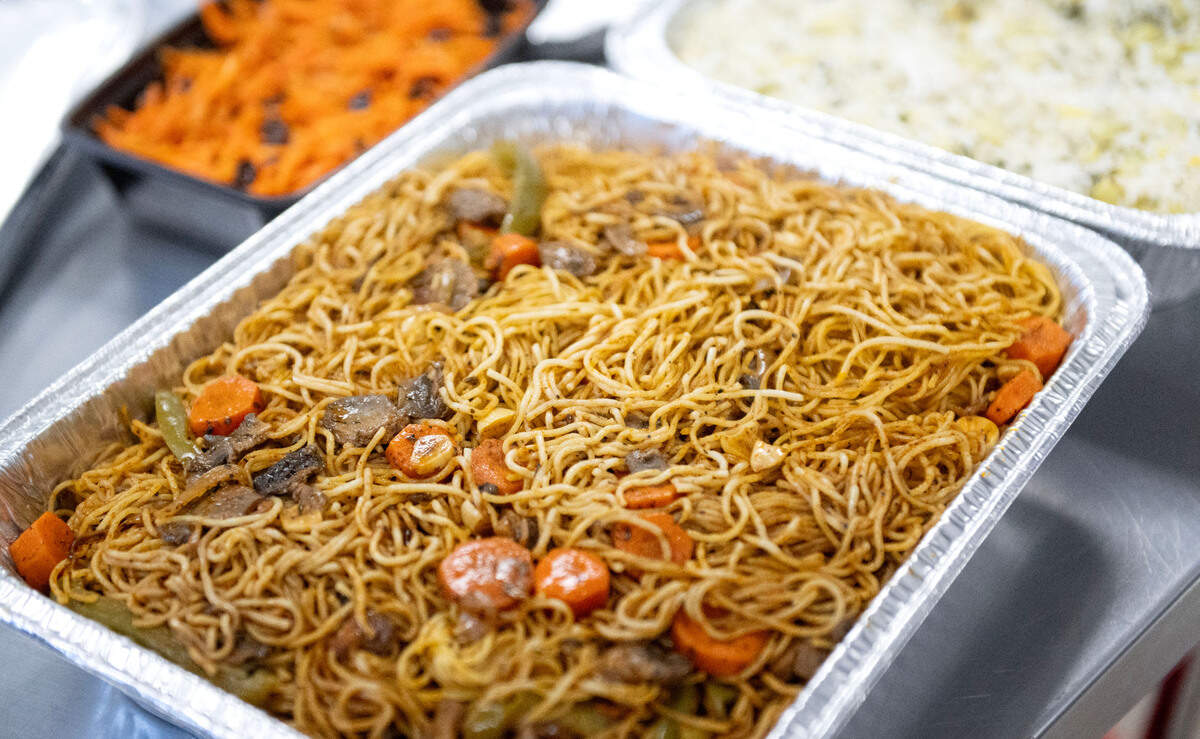
The kebab dishes start at $13.99. Other authentic Persian cuisine includes Persian-style spaghetti ($11.99), eggplant stew ($10.99) and appetizers such as marinated olives ($1.99) and fresh vegetable soup ($4.99). For dessert, fresh cream roll cake is $1.99.
“Very light in texture and a smooth taste,” Don Hampton, communications director at the C3 Complex, said about the dessert a few minutes after ordering. “It’s not like a heavy cheesecake.”
Customers can either order and eat there, or they can call ahead at 814-206-8007 and take out. The restaurant is closed on Saturdays and Sundays.
Unique location for a unique eatery
Nearly everything is unique about Fatema’s Kitchen — including the location.
Once Mosawi’s husband joined in the chorus of encouragement, about six months ago, the couple began talking to local organizations about the process of starting a business. After a helpful visit to the Penn State Small Business Development Center, which offers free consulting and advising, the family realized it might be a bit more difficult than they thought.
They simply didn’t have the funds to start a restaurant and didn’t realize the start-up costs were so high. “I got hopeless,” Mosawi acknowledged. But, after talking with friends and other organizations, they began looking for existing kitchens where she might still be able to make her cuisine.
Christ Community Church, a nondenominational church better known as C3, was only too happy to help.
C3 boasts a complex, or campus, of sorts that includes an indoor sports complex, a child care center, a cafe with seating — and, of course, a sanctuary. And church leaders agreed about two months ago that Mosawi could prepare her food at the cafe.
“We don’t care if you’re Jewish or Muslim, even if you’re agnostic,” C3 communications director Don Hampton said. “Our mission is to love people and love our community, and this is a way to do that.”
Mosawi’s ultimate goal is to operate out of C3’s kitchen for a few months, maybe even a year or two, before eventually moving into a larger venue or her own restaurant. But Hampton intimated church members wouldn’t be disappointed to see her stay a little longer.
“We actually have several members from the Middle East and they were like, ‘We’d have to drive to D.C. before to get food like this,’ “ Hampton said. “This is her second week, and I think I purchased three different meals last week and I just had another one tonight. So, personally, I love it. It’s delicious.”
Mosawi wants to see how people react to her food before she changes the menu. But she hopes to gradually add more traditional Afghan cuisine in the coming months — and she’s glad to see Americans receptive so far.
After all, she’s tried to put the work in. Even before getting to this point, she first wanted to familiarize herself with American eating habits by working at both McDonald’s and Sheetz. She laughed while recalling her colleagues’ response to her polite refusal to eat the food there, even when it was free, because her culture places such a large emphasis on freshness.
Even with a plethora of nearby fast food options, Mosawi’s daughter still loves the kebabs and rice at Fatema’s Kitchen. And the family is hoping locals soon feel the same way.